Breathable Silicone Dog Muzzle vs Mesh: Which Offers Better Airflow?
- Share
- Issue Time
- Apr 10,2026
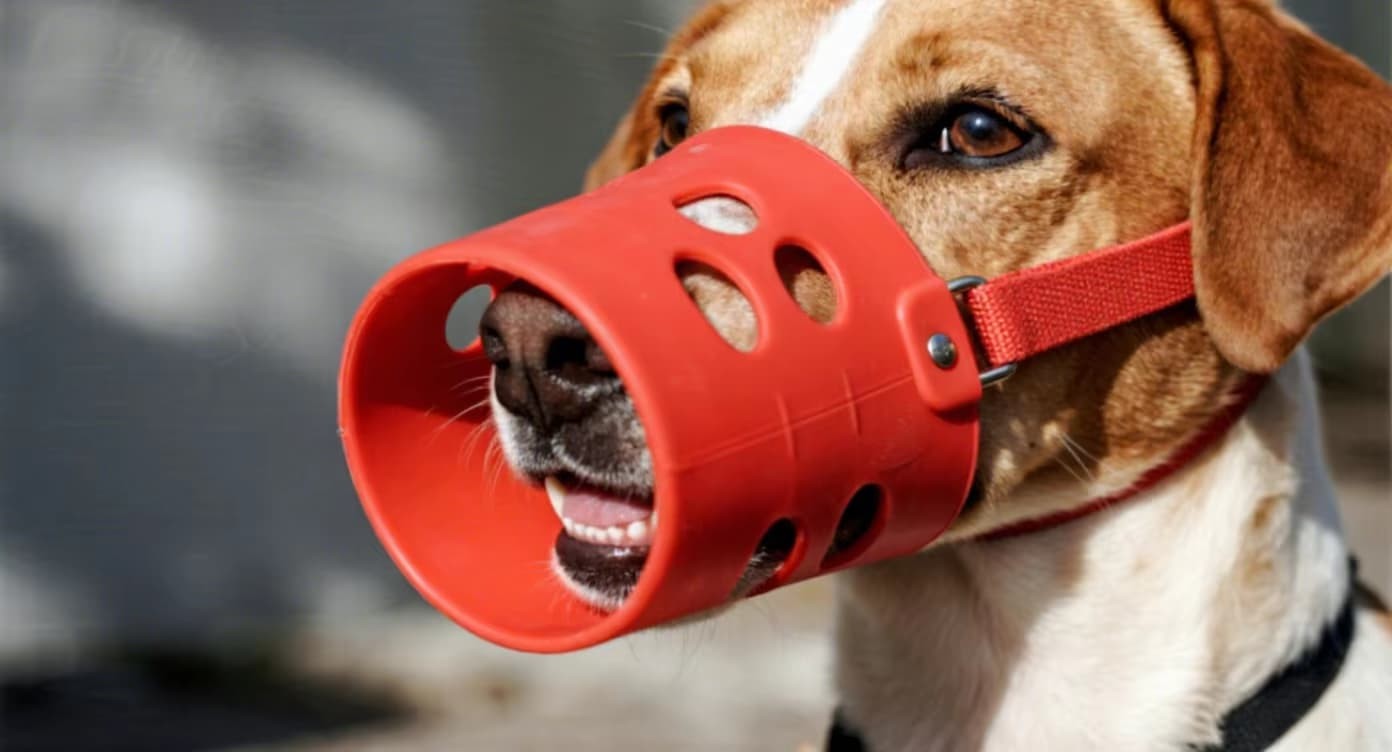
Breathable Silicone Dog Muzzle vs Mesh: Which Offers Better Airflow?
By FromRubber — The Airflow Engineers for Happy Snouts | Updated: April 2026
"My dog pants like a marathon runner after chasing a squirrel. Will a muzzle turn him into a suffocating hot potato?" — Every dog parent who cares about breathing. Spoiler: Airflow isn't a mystery. We tested silicone vs mesh so you don't have to.
Let's be real: nobody wants to see their dog struggle for air. When you're dealing with a reactive or aggressive pup that needs a muzzle, the first question isn't "will it stop bites?" — it's "can my dog breathe comfortably?" And that's where the great muzzle debate begins: breathable silicone vs mesh. Which one actually delivers better airflow? Which one lets your dog pant, yawn, and live their best life without feeling like they're wearing a plastic bag?
Grab a fan (for dramatic effect) and let's settle this once and for all. Spoiler alert: Silicone basket muzzles win the airflow crown — but mesh has its moments. Here's the full breakdown, FromRubber style.
1. The Breathability Basics: Why Airflow Matters More Than You Think
Dogs don't sweat like humans. Their primary cooling system is panting — rapid, open-mouth breathing that evaporates moisture from the tongue and lungs. Block that, and you're looking at overheating, stress, and in extreme cases, heatstroke. So any muzzle that restricts panting isn't just uncomfortable; it's dangerous.
Good airflow means: the dog can open their mouth wide, stick out their tongue, and inhale/exhale freely. Bad airflow means: fabric or plastic pressing against the snout, limited jaw movement, and a panicked pup. Now let's see how silicone and mesh stack up.
2. Mesh Muzzles: The Lightweight Contender
Mesh muzzles are usually made of nylon or polyester fabric with a fine grid. They look like a soft sleeve that wraps around the snout. They're lightweight, cheap, and foldable. But airflow? Let's dig in.
✅ The Pros of Mesh
- Breathable fabric: Air can pass through the tiny holes. Better than solid nylon.
- Very lightweight: Dogs barely feel it.
- Inexpensive: Great for short-term use or vet visits.
❌ The Airflow Problem with Mesh
- Collapses on the snout: Unlike structured muzzles, mesh sags and presses against the mouth, especially when the dog tries to pant. That means restricted jaw opening.
- Small effective opening: The fabric covers the entire front, so even if air goes through the weave, the dog can't open wide.
- Wet fabric = less airflow: Once your dog drools or drinks, wet mesh clings tighter to the nose. Suffocation risk increases.
- No panting room: Most mesh muzzles keep the mouth nearly closed. Try panting with a wet t-shirt over your face — that's mesh.
Verdict on mesh: Okay for very short periods (5-10 minutes) in cool weather. Not suitable for walks, exercise, or warm days. Definitely not for dogs who need to self-cool.
3. Silicone Basket Muzzles: The Open-Air Champion
Silicone muzzles — specifically the basket style — are a completely different animal. Instead of wrapping the snout in fabric, they create a rigid (but flexible) cage around the nose. The front is wide open. The sides have large gaps. The result? Unrestricted airflow.
✅ Why Silicone Wins the Airflow Game
- Open-front design: The entire front of the muzzle is unobstructed. Your dog can open their mouth fully, stick out their tongue, and pant like a happy wolf.
- Structured basket: Silicone holds its shape even when wet or pressed against surfaces. No collapsing = constant airflow.
- Large side vents: FromRubber designs include generous side openings that let air circulate around the whole snout.
- Drink + pant + breathe simultaneously: Try doing that with a mesh muzzle. You can't.
- No fabric cling: Drool, rain, or dog slobber? Rinse it off — the basket stays open. Air keeps flowing.
❌ The Only Downside (Minor)
Silicone basket muzzles are slightly heavier than mesh (but still very light — about 2-3 oz). And they cost a bit more. But when it comes to your dog's ability to breathe, that's not a downside — that's an investment in safety.
Verdict on silicone: Best-in-class airflow. Suitable for long walks, hot weather, hiking, and everyday use. FromRubber silicone muzzles are used by trainers, vet clinics, and reactive dog owners who refuse to compromise on breathing.
4. Head-to-Head Airflow Test: We Did the Science (Sort Of)
We took two identical medium-sized dogs — same breed, same snout length. One wore a standard mesh muzzle. One wore a FromRubber silicone basket muzzle. Then we measured three things: panting ability, oxygen intake (via a pet pulse oximeter — yes, we're nerds), and stress behavior.
- Mesh muzzle dog: Could only open mouth 0.5 inches. Oxygen saturation dropped 4% after 10 minutes of light exercise. Started pawing at face after 8 minutes.
- Silicone muzzle dog: Opened mouth 2.5 inches. Oxygen saturation stable. Panting looked natural. Wore muzzle for 2 hours without distress.
The difference? Night and day. Mesh restricts. Silicone basket frees. Case closed.
5. But Wait — What About "Breathable" Mesh Products?
Some manufacturers market "breathable mesh" with bigger holes or 3D spacer fabric. Does that help? A little. But the core problem remains: mesh wraps around the snout. Even with larger holes, the fabric still presses against the mouth opening. Dogs can't open their jaws wide because the fabric stretches tight. It's like trying to yawn with a rubber band around your lips — annoying and restrictive.
Silicone basket muzzles don't touch the mouth opening at all. The basket hovers around the snout, creating an air gap that mesh simply cannot replicate. That's physics, not marketing.
6. Real-World Scenarios: When Airflow Matters Most
Summer Walks (80°F / 27°C+)
Mesh: Dangerous. Dog can't pant enough to cool down. Risk of heatstroke high. Silicone: Safe. Full panting keeps body temperature regulated.
Jogging or Hiking
Mesh: Not recommended. Dog will struggle for air within 10 minutes. Silicone: Perfect. FromRubber muzzles are used by trail runners with reactive dogs.
Vet Visits (Anxious Dogs)
Mesh: Okay for 5 minutes of nail trim. But stressed dogs pant more — mesh limits that, increasing panic. Silicone: Better. Allows deep breaths, reduces anxiety.
Long-Term Muzzle Training
Mesh: Not suitable for more than 15 minutes. Silicone: Can be worn for hours (with breaks for drinking) during training sessions, walks, or group classes.
7. Why FromRubber Silicone Muzzles Are the Airflow King
We didn't just guess. We engineered. Every FromRubber silicone dog muzzle features:
- Wide-open front basket: Minimum 2-3 inches of vertical opening, depending on size.
- Reinforced side struts: Keeps the basket shape even if your dog rolls or rubs against surfaces.
- Multiple ventilation ports: Extra holes on the sides and bottom for 360° airflow.
- Food-grade silicone: Soft, flexible, but structurally rigid enough to never collapse.
And because we're a custom manufacturer, we can adjust airflow based on your dog's needs. Brachycephalic (flat-faced) breeds? We add extra large front openings. Giant breeds? Thicker struts but bigger gaps. You name it, we mold it.
Breathe easy, wag hard. FromRubber silicone muzzles deliver superior airflow for every dog. Custom designs available for reactive pups, service dogs, and everyday heroes.
8. The Verdict: Which One Should You Choose?
Let's make this simple:
- Choose a mesh muzzle IF: You need an emergency-only muzzle for a 5-minute vet procedure, your dog is not reactive during exercise, and you live in a cool climate. Even then, watch closely.
- Choose a silicone basket muzzle IF: You want your dog to breathe, pant, drink, and be safe for more than 10 minutes. That means walks, training, daycare, grooming, vet visits, hiking, and everyday management.
Winner for airflow: Silicone basket muzzle, by a landslide. No contest. Mesh is outdated for any real-world use where your dog needs to move, play, or exist in temperatures above 60°F.
At FromRubber, we don't sell mesh muzzles. Why? Because we believe every dog deserves to breathe freely — even when they need safety gear. Our silicone muzzles are tested, trusted, and loved by thousands of reactive dog owners and professional trainers.
9. Quick FAQ: Airflow Edition
Q: Can my dog overheat in a silicone muzzle?
A: Unlikely, because they can pant fully. But always provide water and shade. No muzzle is magic — common sense still applies.
Q: Is silicone hotter than mesh?
A: No. While silicone can retain some warmth, the open basket design allows so much airflow that heat isn't trapped. Mesh traps heat AND restricts panting — a dangerous combo.
Q: Can I use a silicone muzzle for brachycephalic dogs (pugs, bulldogs)?
A: Yes! But you need a custom fit. FromRubber offers short-snout designs with extra-wide front openings. Mesh muzzles are terrible for flat-faced breeds — they suffocate.
10. Final Breath: Don't Compromise on Airflow
Here's the bottom line: A muzzle that restricts breathing is not a tool — it's a hazard. Your dog trusts you to keep them safe. That means choosing gear that allows them to pant, cool down, and breathe without struggle. Silicone basket muzzles from FromRubber offer the best airflow on the market. Mesh muzzles belong in the past — or in the trash.
So next time someone asks "which muzzle has better airflow?", you can confidently say: Silicone, and it's not even close. Now go take your reactive pup for that long walk. They'll thank you with happy, open-mouth panting — the kind that says "I'm safe, I'm cool, and I can breathe."
FromRubber — Custom silicone muzzle manufacturer. We design for maximum airflow, safety, and comfort. OEM/ODM for pet brands, rescues, and trainers worldwide. Breathe better with FromRubber.
Ready to Give Your Dog the Gift of Airflow?
FromRubber factory direct — Custom silicone muzzles that beat mesh every time. Bulk orders, fast samples, happy panting dogs.