Are All Lens Silicone O-Rings Resistant to Lens Cleaning Solvents Like Acetone or IPA?
- Share
- Issue Time
- Apr 22,2026
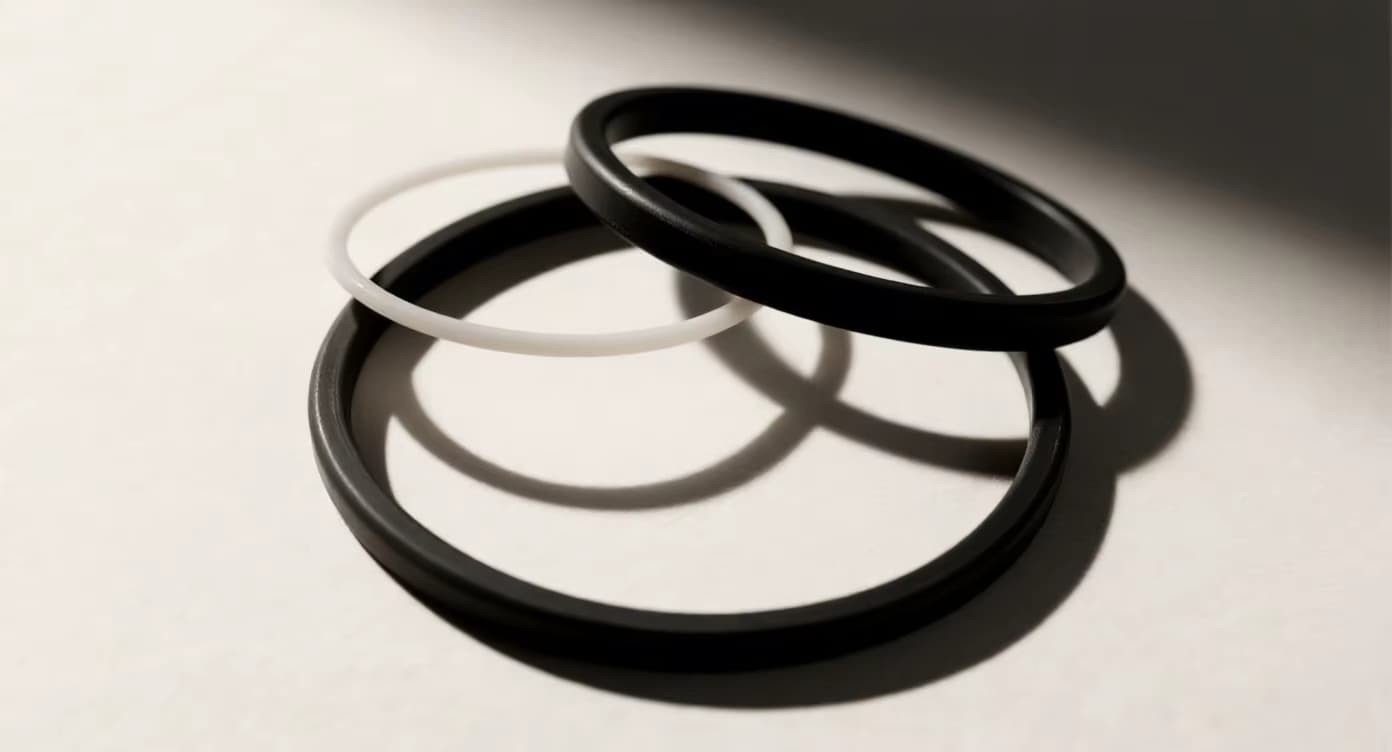
Short answer: No, not all lens silicone O-rings are created equal. While silicone rubber generally offers moderate resistance to solvents like isopropyl alcohol (IPA) and poor resistance to acetone, the exact formulation, curing method, and additive package dramatically affect real-world compatibility. For optical professionals, using the wrong sealing ring can lead to swelling, hardening, or even dissolution — contaminating sensitive lens assemblies.
As a dedicated silicone sealing manufacturer, FromRubber frequently receives this question from optical engineers, CCTV installers, and lab technicians. The truth is: standard commercial silicone O-rings may fail within minutes of acetone exposure, while specially formulated lens silicone O-rings can withstand limited contact with certain solvents. This article explains the chemistry behind solvent resistance, provides clear compatibility data, and helps you select the right seal for lens cleaning protocols.
The Chemistry: Why Solvents Affect Silicone Differently
Silicone rubber's unique siloxane backbone ([-Si-O-]n) is inherently more permeable to organic solvents than fluorocarbon elastomers. However, the degree of interaction depends on three factors:
- Crosslink density: Highly crosslinked silicones swell less in solvents.
- Filler & additive package: Some plasticizers or processing aids can leach out when contacted by aggressive solvents like acetone.
- Cure system: Peroxide-cured silicones typically have lower solvent resistance than platinum-cured, high-purity grades.
Lens silicone O-rings designed for optical assemblies often undergo post-curing to remove low molecular weight species, but this does not drastically improve resistance to ketones (acetone, MEK) or strong aromatic solvents. For routine lens cleaning with IPA (isopropyl alcohol), many high-quality silicone seals perform adequately if exposure is brief and infrequent. However, acetone — a common adhesive remover and degreaser — poses a much higher risk.
Solvent Compatibility Summary for Lens Silicone O-Rings
Based on FromRubber's in-house testing (ASTM D471, 7 days at 23°C):
- Isopropyl Alcohol (IPA) 70% / 99%: Moderate resistance. Volume swell typically < 10%, slight softening. Suitable for occasional wipe-downs. Prolonged soaking (hours) not recommended.
- Acetone: Poor to very poor resistance. Volume swell can exceed 50% within 30 minutes, followed by surface tackiness, embrittlement after drying. Lens silicone O-rings should never be exposed to acetone if reliable sealing is required.
- Ethanol / Methanol: Similar to IPA — moderate, acceptable for quick cleaning.
- Hexane / Toluene (less common for lenses): Severe swelling and degradation. Avoid completely.
Comparative Resistance: Silicone vs. Other Elastomers for Lens Cleaning Solvents
How FromRubber Optimizes Lens Silicone O-Rings for Solvent Contact
While silicone will never match FKM's resistance to acetone, FromRubber has developed proprietary enhancements that maximize IPA compatibility and minimize extractables:
- Platinum-catalyzed, addition-cure system: Eliminates peroxide byproducts that could leach into solvents.
- Post-vacuum baking (200°C / 4h): Removes residual low-molecular-weight siloxanes that might otherwise migrate when cleaned.
- High crosslink density: Special formulation reduces equilibrium swelling in alcohols by up to 35% compared to generic silicone O-rings.
- Non-migratory fillers: No plasticizers or processing aids that could be extracted by IPA or acetone.
For customers who require lens silicone O-rings in environments where occasional IPA cleaning is mandatory (e.g., cleanroom camera housings, endoscope lenses), FromRubber offers validated compounds with test reports showing volume swell < 8% after 24h IPA immersion and full recovery of sealing force.
⚠️ Real-World Risks of Using Incompatible O-Rings with Lens Cleaners
Using standard, non-optimized silicone O-rings in optical assemblies that are regularly cleaned with IPA or acetone can lead to:
- Swelling & extrusion: Swollen O-rings can pop out of grooves or create excessive friction on moving lens barrels.
- Contamination of optical surfaces: Extracted additives or degraded silicone residues can redeposit on lenses, causing haze or spots.
- Loss of IP rating: Hardened or softened seals no longer maintain proper compression, allowing moisture ingress.
- Premature cracking: Repeated solvent exposure followed by drying cycles embrittles some silicone formulations.
FromRubber has assisted multiple surveillance camera OEMs in troubleshooting field failures caused by cheap aftermarket O-rings that swelled after routine maintenance cleaning. The solution was switching to our high-purity, IPA-resistant lens silicone O-rings with documented compatibility.
Best Practices for Cleaning Lens Assemblies with Silicone Seals
To extend the life of your lens silicone O-rings and maintain optical clarity, follow these guidelines:
- Avoid direct solvent spray onto seals: Use a lint-free wipe lightly moistened with IPA, not soaked.
- Minimize exposure time: Clean lens surfaces quickly; do not allow solvent to pool around the O-ring groove.
- Never use acetone: If adhesive residue removal is necessary, disassemble the housing and remove the O-ring first.
- Post-cleaning drying: Allow 10–15 minutes for any residual IPA to evaporate before reassembly.
- Periodic replacement: Even with good care, replace silicone seals annually in high-cleaning-frequency environments (e.g., medical or lab optics).
Need Solvent-Resistant Lens Silicone O-Rings? FromRubber Delivers Data-Backed Solutions
Not all silicone seals perform the same under IPA or accidental acetone contact. FromRubber provides custom-compounded lens silicone O-rings with full chemical compatibility reports, post-curing options, and traceability. Whether you need standard dimensions or custom molds, we help you avoid costly field failures.
Request Solvent Compatibility Test →nani@fromrubber.com | Free material selection guide | Fast prototyping
Quick Reference: Solvent Compatibility Chart for FromRubber Lens Silicone O-Rings
Frequently Asked Questions
Q: Can I soak lens silicone O-rings in IPA for sterilization?
A: Prolonged soaking (hours to days) is not recommended. For sterilization, consider autoclaving (silicone is heat-stable) or brief IPA wipe followed by air drying. FromRubber can provide custom seals validated for repeated IPA immersion cycles — contact us for details.
Q: Are there any silicone grades that resist acetone?
A: Fluorosilicone (FVMQ) offers improved resistance to fuels and some solvents, but still has limited resistance to acetone compared to FKM. For frequent acetone exposure, we recommend redesigning the seal location or using a protective barrier.
Q: How do I know if my current O-ring has been damaged by solvent?
A> Signs include: increased volume (tight fit in groove), sticky/tacky surface, loss of elasticity (cracking when stretched), or visible residue on nearby optics. Replace immediately if any of these appear.
Q: Does FromRubber provide material certifications for solvent resistance?
A> Absolutely. Every batch of our lens silicone O-rings can be accompanied by an ASTM D471 solvent immersion report for IPA or other solvents upon request.
Conclusion: Not all lens silicone O-rings are resistant to lens cleaning solvents. While high-quality silicone from FromRubber performs well with isopropyl alcohol (IPA) under normal cleaning conditions, acetone remains a significant threat. For optical engineers and maintenance teams, understanding these limitations is critical to avoiding seal degradation and lens contamination. Choose your sealing materials wisely — and when in doubt, consult the experts at FromRubber for custom formulations and compatibility testing.