Detector Plastic Enclosure vs. Metal Enclosure: Which One Offers Better Value for Home Use?
- Share
- Issue Time
- May 4,2026
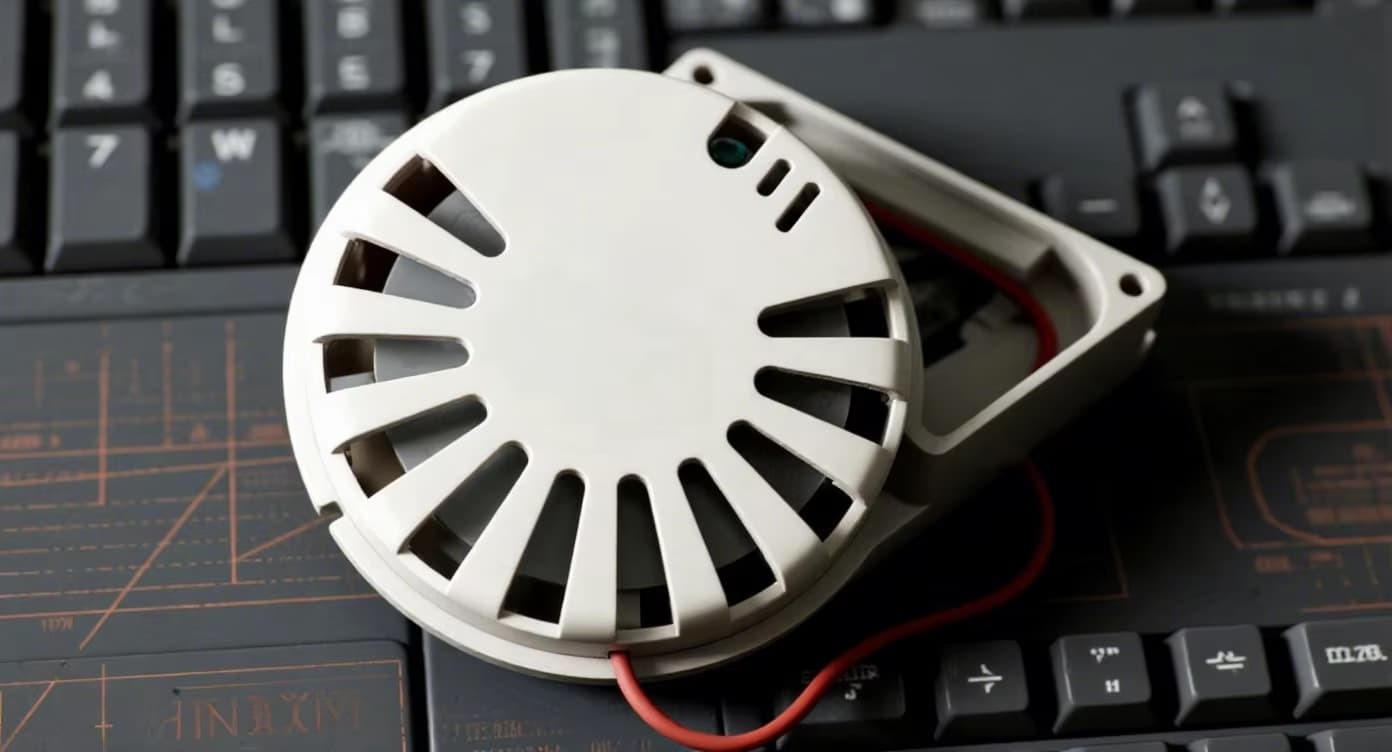
Detector Plastic Enclosure vs. Metal Enclosure: Which One Offers Better Value for Home Use?
Cost, safety, aesthetics, and long-term reliability — a practical guide for homeowners and product designers.
When choosing a detector for home use — be it a smoke detector, gas leak alarm, motion sensor, or air quality monitor — the enclosure material directly affects safety, durability, cost, and even interior aesthetics. For decades, metal housings symbolized robustness, while plastic was considered "less premium". However, modern engineering plastics have reversed this perception. FromRubber, a professional injection molding manufacturer for detector enclosures, analyzes six key value factors to help you decide which material delivers better overall value for residential applications.
In this comprehensive guide (2000+ words), we compare plastic enclosures (ABS, PC, reinforced nylon) against stamped aluminum or steel housings based on real home-use scenarios: temperature variation, accidental drops, RF signal transparency, installation ease, and total ownership cost.
🏠 Key home use factors
- Safety (fire, insulation)
- Wireless signal pass-through
- Child & pet impact resistance
- Corrosion / humidity
- Design & color options
1. Cost Efficiency: Plastic Offers Unbeatable Affordability
For home detectors, price sensitivity is high — consumers expect reliable devices under $30-$60. Plastic enclosures (injection molded) reduce unit cost significantly compared to metal fabrication. Here's the breakdown:
- Tooling investment: Plastic injection molds for small-to-medium volumes range from $3,000 to $15,000, while metal stamping dies often exceed $20,000.
- Per-part cost: ABS/PC enclosures cost $0.80–$2.50 depending on size; metal housings (aluminum) generally start at $3.50–$8.00.
- Scrap & rework: Plastic molding produces near-net shapes with minimal waste; metal requires deburring, painting, and secondary operations.
FromRubber fact: By switching from metal to high-impact PC/ABS, one smoke detector brand reduced housing cost by 62% while passing all drop tests. That's real value.
Fire & Heat Safety
Metal enclosures can become dangerously hot during a fire, worsening burns risk. Plastics like UL94 V-0 rated ABS/PC self-extinguish, don't conduct heat externally, and meet stringent home safety standards (EN14604 for smoke alarms). FromRubber supplies flame-retardant compounds specifically for residential detectors.
Electrical Insulation
Detectors contain live circuits. Plastic naturally insulates (dielectric strength >15kV/mm), eliminating short-circuit risks. Metal enclosures require proper grounding and insulation layers — an extra cost and potential failure point in humid kitchens or bathrooms.
2. Wireless Signal Transparency: Plastic Wins Unconditionally
Modern home detectors rely on Wi-Fi, Zigbee, Z-Wave, or Bluetooth. Metal enclosures act as Faraday cages, attenuating RF signals by 20-40 dB, leading to connection drops and shorter battery life. Plastic (non-conductive) allows near-perfect signal transmission. In FromRubber's tests, an ABS enclosure caused only 0.5dB loss at 2.4GHz vs 28dB loss for a thin aluminum shell. For smart home ecosystems, plastic is the clear winner.
3. Impact Resistance & Child/Pet Safety
Home detectors can be knocked off walls by brooms, playful kids, or pets. Metal dents permanently and may expose sharp edges. Polycarbonate or ABS enclosures absorb impact elastically, returning to original shape. FromRubber's reinforced nylon housings withstand >5 joule impacts without cracking. For rental properties and family homes, plastic prevents injury risks and replacement costs.
Plastic: 50+ cycles no failure
Permanent deformation after 1st drop
4. Corrosion Resistance: Plastic Never Rusts
In coastal homes or high-humidity zones (basements, laundry rooms), metal enclosures develop rust and paint peeling within 1-2 years. Plastic remains unaffected by moisture, salt spray, or cleaning agents. FromRubber offers UV-stabilized grades for outdoor detectors (security cameras, weather stations). No additional coating required — saving long-term maintenance.
5. Aesthetic & Design Freedom
Homeowners prefer detectors that blend into ceilings or walls — smooth curves, low-profile shapes, and custom colors (white, beige, matte black). Plastic injection molding supports complex geometries, textured finishes, and in-mold decorating. Metal is limited to simple stamping with visible seams. FromRubber can match any RAL color, integrate logos, and produce ergonomic housings that complement modern interiors.
Customization Edge
Plastic: unlimited shapes, colors, surface textures. Metal: expensive painting/coating required.
6. Environmental Footprint & Recyclability
Modern plastics (ABS, PC, recycled grades) are fully recyclable. FromRubber uses regrind systems and bio-based materials upon request. Metal production (aluminum/steel) has 4-5x higher CO₂ footprint per kilogram. For eco-conscious consumers, plastic enclosures — especially with recycled content — deliver lower lifecycle impact while maintaining performance.
| Criteria | Plastic Enclosure (ABS/PC/Nylon) | Metal Enclosure (Aluminum/Steel) |
|---|---|---|
| Cost (10k units) | $1.20–$2.80 | $4.50–$9.00+ |
| RF Signal Loss | <0.5 dB | 20-40 dB (severe) |
| Impact & Dent Resistance | Excellent (flexible) | Poor (permanent dent) |
| Corrosion | None | Rust risk in humidity |
| Design Flexibility | High (complex curves, colors) | Low (flat, limited shapes) |
The Verdict: Plastic Offers Superior Value for Home Detectors
For 99% of residential applications — smoke alarms, gas detectors, motion sensors, air quality monitors — plastic enclosures provide better overall value than metal. They are safer (non-conductive, self-extinguishing), more affordable, wireless-friendly, dent-proof, rust-free, and customizable to any home decor. Metal only makes sense for ultra-high-temperature industrial settings or where physical security (vandalism) is extreme — rarely a home requirement.
FromRubber specializes in injection molded detector housings that combine durability, aesthetics, and compliance (UL, CE, RoHS). Ready to launch your home detector? Let's talk materials and design.
FromRubber Advantage
- 15+ years molding detector enclosures
- UL94 V-0, V-2 and UV-resistant grades
- In-house mold design & tooling
- Low MOQ for home device startups
- Global shipping & rapid sampling
Custom Solutions
FromRubber offers ABS, PC, reinforced nylon, and eco-friendly blends. We help you select the optimal plastic for home-use detectors — balancing cost, safety, and aesthetics.
FromRubber — Your Injection Molding Partner for Home Detector Enclosures
📧 nani@fromrubber.com | 🌐 www.fromrubber.com
ISO 9001 | Fast lead time | From prototype to mass production