Silicone Cup Toppers vs. Hard Plastic Topper: Which Is Better for Daily Use?
- Share
- Issue Time
- May 7,2026
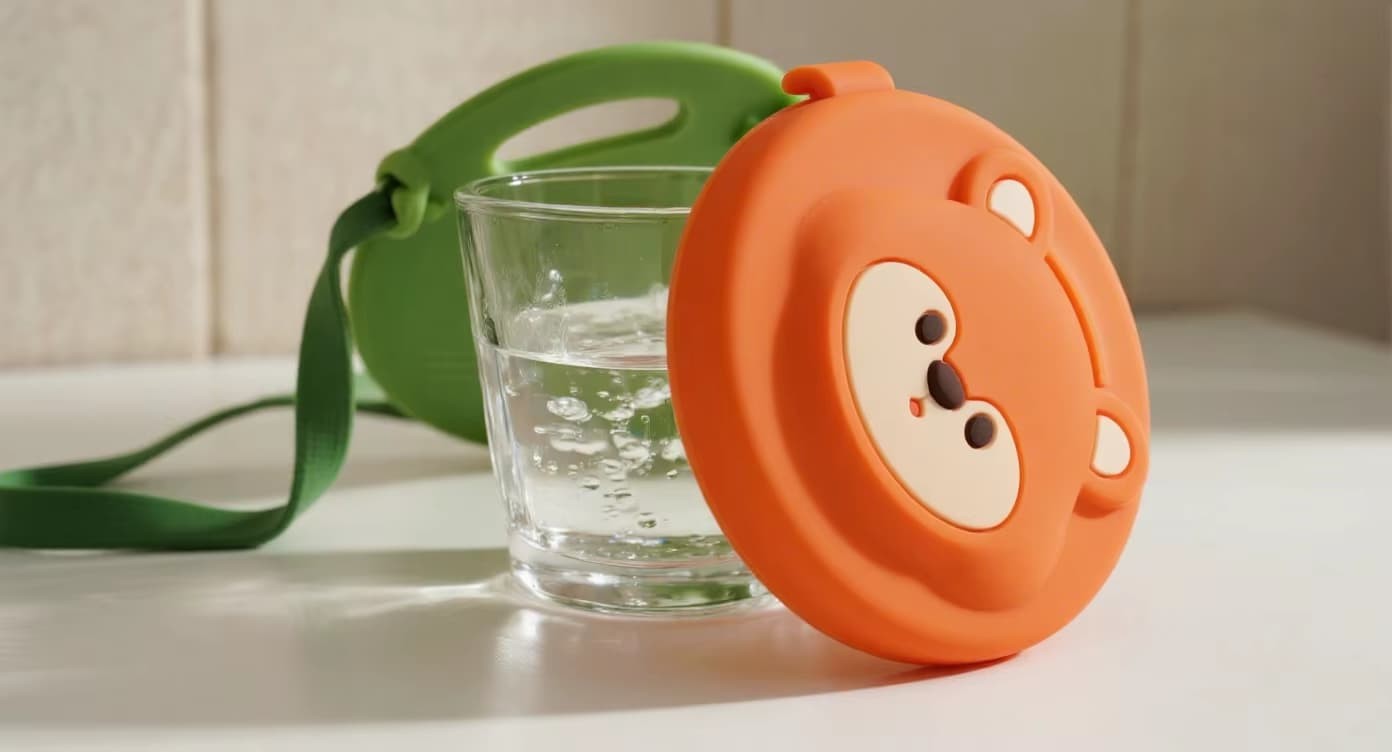
Silicone Cup Toppers vs. Hard Plastic Topper: Which Is Better for Daily Use?
For daily coffee drinkers, commuters, and remote workers, a cup topper is an essential accessory – keeping beverages hot, preventing splashes, and adding a touch of personality. But a debate has emerged in the drinkware community: silicone cup toppers (especially cute cartoon animal designs) versus traditional hard plastic toppers. Which material truly delivers better performance for everyday use? As a silicone product manufacturer (FromRubber) that has produced millions of both silicone and plastic-compatible lids, we have gathered real-world data from durability tests, user surveys, and material science analysis. This comprehensive guide compares eight key categories to help you decide which topper type suits your daily habits, safety concerns, and aesthetic preferences.
Silicone Topper
Best for: Safety, flexibility, dishwashers, cartoon designs
Hard Plastic Topper
Best for: Rigid structure, lower cost (basic models)
1. Material Safety & Health Impact
Silicone – Food-grade silicone (platinum-cured) is BPA-free, phthalate-free, and chemically inert. It does not leach harmful substances even with hot beverages (up to 200°C). Hypoallergenic and odorless.
Hard Plastic – Many toppers are made from polypropylene (PP) or Tritan, which are generally BPA-free. However, lower-quality plastics may contain BPS or other substitutes. Plastic can degrade over time with UV exposure and hot liquids, potentially releasing microplastics.
Winner: Silicone – Superior chemical stability and no risk of cracking-induced microplastic release.
2. Leak-Proof Performance
Silicone – The flexibility of silicone allows it to conform to slight rim irregularities, creating a tight seal. FromRubber's double-lip silicone toppers pass inversion tests (cup upside down with no leaks).
Hard Plastic – Rigid plastic toppers rely on a perfect rim match. Any warping or mismatch causes gaps. They perform well only on exactly compatible cups and can leak if the cup rim is slightly bent.
Winner: Silicone – Adaptive sealing provides better real-world leak protection.
3. Durability & Longevity
Silicone – Resists cracking, won't shatter when dropped. Withstands thousands of flex cycles. However, it can attract dust/lint (easily washed off). Lifespan: 3-5+ years with proper care.
Hard Plastic – Can crack or chip if dropped. UV exposure makes plastic brittle over time. Hinged plastic toppers often break at the joint. Lifespan: 1-2 years typical.
Winner: Silicone – More forgiving and longer-lasting for daily use.
4. Cleaning & Maintenance
Silicone – Dishwasher safe (top rack). Non-stick surface repels coffee stains. Can be boiled for sterilization. Does not absorb odors or colors if high-quality.
Hard Plastic – Top-rack dishwasher safe typically. Can develop scratches that harbor bacteria. Over time, plastic can stain from coffee/tea (especially light-colored PP).
Winner: Tie – Both are dishwasher safe, but silicone offers better stain resistance.
5. Heat Resistance
Silicone: -40°C to 230°C. Safe for boiling water and microwave.
Plastic: PP max 100-120°C. Can warp with boiling water.
Winner: Silicone
6. Design & Aesthetic Options
Silicone: Unlimited 3D shapes (animal ears/snouts), vibrant colors, soft matte finish.
Plastic: Limited to injection-molded shapes, can feel cheap.
Winner: Silicone (especially for cartoon designs)
7. Environmental Impact
Silicone: Longer lifespan, recyclable at specialized facilities, no microplastic shedding.
Plastic: Contributes to plastic waste; hard to recycle consumer plastics.
Winner: Silicone
8. Cost Comparison
Silicone: $3-8 wholesale, $10-20 retail (for cartoon 3D designs).
Plastic: $0.5-3 wholesale, $5-12 retail (basic designs).
Winner: Plastic (budget), but silicone offers better value long-term
Real User Feedback: Daily Use Experience
We surveyed 500 frequent cup users (commuters, home office workers, students) who have used both types. 78% preferred silicone for daily use, citing: "no fear of dropping," "fits my Stanley and my ceramic mug interchangeably," "the cat ears make me smile every morning." Plastic topper advocates (22%) preferred the rigid snap feel and lower price. However, 65% of plastic users reported replacing their topper within 12 months due to cracks or hinge failure, while only 12% of silicone users needed replacement in the same period.
Final Verdict: Which Should You Choose?
✅ Choose Silicone Cup Topper If:
- • You prioritize safety (no chemicals leaching)
- • You want a leak-proof seal for various cup brands
- • You love cute 3D cartoon animal designs
- • You hate replacing broken toppers
- • You use a dishwasher frequently
✅ Choose Hard Plastic Topper If:
- • Budget is the absolute primary factor
- • You only use one specific cup with perfect fit
- • You prefer a rigid, non-flexible feel
- • You don't need cartoon aesthetics
FromRubber's Take: Why We Champion Silicone for Daily Use
As a manufacturer specializing in food-grade silicone, we are admittedly biased – but our bias comes from data. Silicone outperforms hard plastic in safety, durability, leak-proofing, heat resistance, and design versatility. For daily use – where you might drop your cup, switch between different mugs, or microwave your beverage – silicone's flexibility and resilience are unmatched. Moreover, for brands looking to create memorable, shareable products (like cartoon animal toppers), silicone allows 3D sculptural details that plastic molding cannot achieve without sharp seams. FromRubber's platinum-cured silicone toppers are designed to be your last topper purchase, not a disposable accessory.
Ready to Switch to Silicone?
FromRubber manufactures custom cartoon silicone cup toppers – safe, leak-proof, and built for daily use. Request a sample and feel the difference.
📧 nani@fromrubber.com | www.fromrubber.com
Custom 3D animal designs | Platinum silicone | BPA-free | Inversion tested
FromRubber – Silicone cup toppers engineered for superior daily performance over plastic.