Can you add anti-slip texture or knurling on the surface of plastic knob cover?
- Share
- Issue Time
- May 13,2026
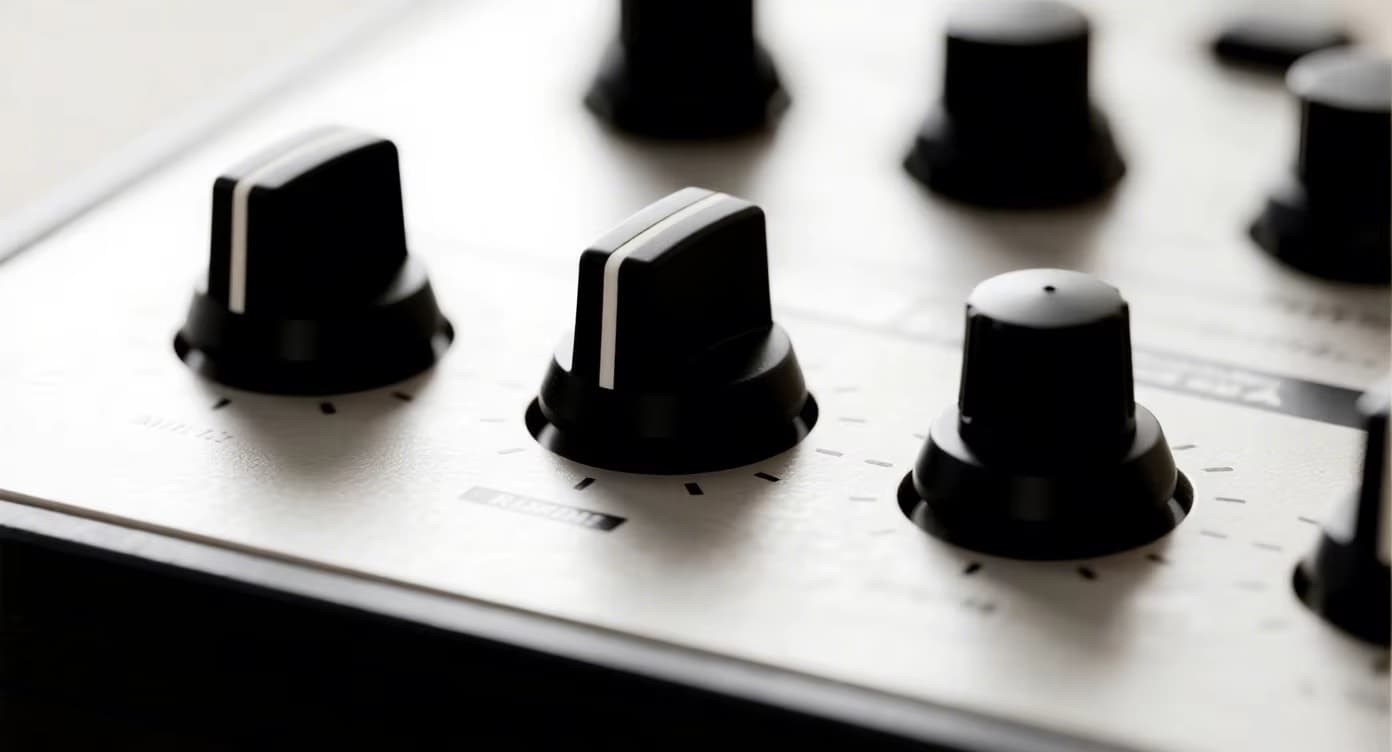
FromRubber integrates diamond knurling, straight line knurling, diamond pattern, and VDI 3400 textures directly into the mold cavity, creating permanent, wear-resistant grip surfaces on plastic knob covers without secondary operations.
Types of Anti-Slip Textures for Plastic Knob Cover
Diamond Knurling
Cross-hatched pattern with 45° or 30° angles. Provides maximum grip in all directions. Common for potentiometer knobs and thumb-operated switches.
TPI range: 20-40 teeth per inchStraight / Line Knurling
Parallel ridges along the knob circumference. Excellent for rotational grip, common on encoder knobs and tuning controls.
0.3mm to 1.0mm ridge spacingDotted / Peened Texture
Array of small raised dots. Soft grip feel, less aggressive than knurling. Preferred for medical devices and consumer electronics.
0.2mm-0.5mm dot heightVDI 3400 / Mold-Tech Textures
Standardized industrial textures (leather, fine matte, coarse grain). Non-directional, consistent surface feel.
VDI 12 to VDI 45 gradesHow Texture is Added: Mold Engraving vs. Secondary Operations
| Method | Description | Pros | Cons |
|---|---|---|---|
| Mold Cavity Texturing (EDM / CNC) | Texture is machined or spark-eroded directly into mold steel. | Permanent, every part consistent, no added cycle time. | Higher mold cost; texture cannot be changed after mold build. |
| Chemical Etching (Mold-Tech) | Acid etching creates fine, uniform textures on cavity surface. | Wide pattern library; works on complex geometries. | Less durable on high-wear molds; pattern depth limited. |
| Post-Molding Knurling / Machining | Texture added after molding via rolling or CNC. | Low mold cost; patterns can be changed per batch. | Slow; adds secondary operation cost; inconsistent depth. |
| Two-Shot / Overmolding | Soft TPE or textured hard plastic layer molded over core. | Premium grip feel; two-color possibilities. | Higher tooling and cycle costs. |
Design Considerations for Texture & Knurling
Textures increase friction during ejection. Add 1°-3° extra draft for deep knurling. FromRubber recommends 3°-5° total draft for aggressive diamond patterns.
Glass-filled nylons wear texture faster; ABS and PC hold fine details well. Discuss material with texture depth early in DFM stage.
Maximum knurling depth: 0.3mm to 0.8mm. Deeper textures may cause sink marks on opposite walls of thin sections.
Fine VDI textures (12-21) provide soft-touch appearance. Coarse knurling (30+ TPI) maximizes grip for industrial gloves.
Material-Specific Texture Recommendations
| Plastic Material | Best Texture Type | Max Recommended Depth | Typical Application |
|---|---|---|---|
| ABS | Diamond knurl, VDI 21-30 | 0.4mm | Consumer knobs, audio equipment |
| Polycarbonate (PC) | Line knurling, fine dot texture | 0.3mm | Medical device knobs, backlit grips |
| Nylon (PA6/PA66) | Coarse diamond (30°), straight | 0.6mm | Industrial switch caps, heavy-duty knobs |
| POM (Acetal) | Fine diamond, VDI 15-24 | 0.35mm | Precision encoder knobs |
| ABS+PC Blend | Any type, excellent detail | 0.5mm | Automotive interior knobs |
Cost & Lead Time Impact
Adding texture or knurling to the mold cavity adds 5-15% to mold cost and 1-2 weeks to mold build time. However, per-part cost remains unchanged — no secondary operation required. For high volumes, molded-in texture is the most economical anti-slip solution.
Frequently Asked Questions
FromRubber Texture Integration Service
We offer 50+ standard knurling patterns and custom texture design. From prototype texture verification to production tooling, our surface engineering team ensures consistent, durable grip on every plastic knob cover.
FromRubber — Engineered grip for precision control