What lifecycle tests for silicone keypad to match 10‑year instrument life?
- Share
- Issue Time
- Aug 12,2026
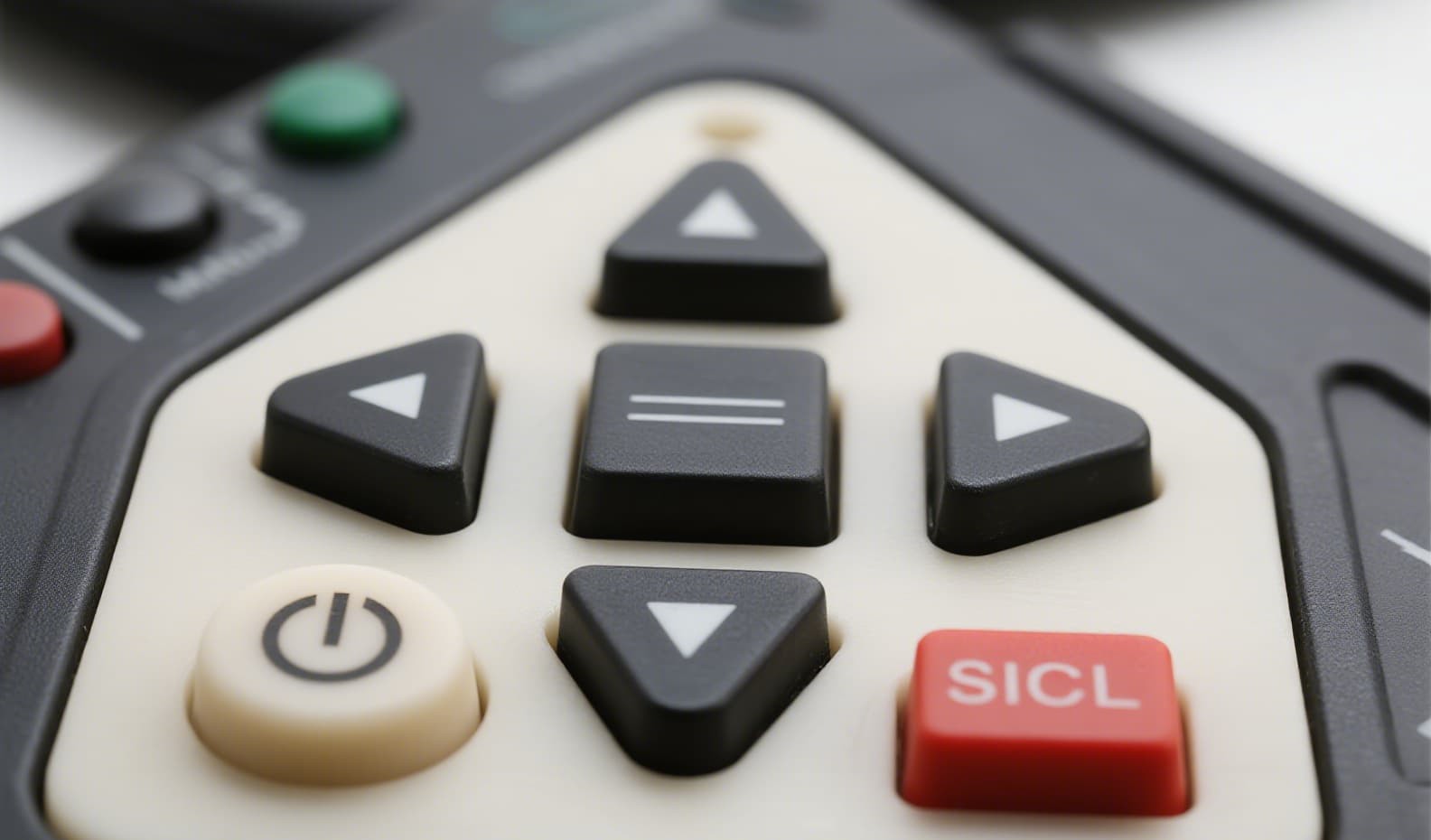
A 10‑year instrument life demands that every component — including the instrument silicone keypad — is validated to survive a decade of real‑world use. This requires a comprehensive suite of lifecycle tests covering actuation force, contact resistance, and legend durability. Here is the full test protocol that guarantees your keypad matches your instrument's design life.
Instrument Silicone Keypad Force Lifecycle Testing
Actuation force is the primary tactile parameter that users perceive. Over 10 years, a typical instrument experiences between 500,000 and 2 million key presses depending on usage frequency. Force tests must simulate this cumulative mechanical stress.
Actuation Force Endurance Test
MANDATORY- Test method: ASTM F1578 – force‑stroke measurement at 10 mm/min
- Cycles: 1,000,000 minimum (for 10‑year life; 2,000,000 recommended for high‑use instruments)
- Acceptance criteria: Actuation force shall remain within ±10% of initial value after test
- Force drift: Average force change per 100,000 cycles shall not exceed 1.5%
- Snap ratio: Peak‑to‑valley force ratio shall not degrade by more than 15%
Temperature‑Cycled Force Stability
RECOMMENDED- Cycle: 500 thermal cycles from –40°C to +85°C with 30‑minute dwell
- Measurements: Force‑stroke curve taken at room temperature after every 100 cycles
- Acceptance: Force at peak actuation shall not shift by more than 8% from baseline
- Rationale: Temperature cycling accelerates elastomer relaxation and stress relaxation
Instrument Silicone Keypad Contact Resistance Lifecycle Testing
Contact resistance stability is critical for high‑impedance measurement circuits. Over 10 years, the conductive path must maintain low and stable resistance to preserve signal integrity.
Contact Resistance Endurance
MANDATORY- Test method: 4‑wire Kelvin measurement at 10 mA, 5 V compliance
- Cycles: 1,000,000 actuations at nominal force
- Acceptance: Contact resistance shall not exceed 200 Ω at any point after testing
- Drift limit: Resistance change from initial shall be less than ±50 Ω
- Measurement intervals: Every 100,000 cycles, plus at 25%, 50%, 75% of life
Humidity & Contamination Resistance
RECOMMENDED- Test: 85°C / 85% RH for 1000 hours (biased at 5 V)
- Measurement: Contact resistance before and after chamber exposure
- Acceptance: Resistance after test ≤ 300 Ω and no visible corrosion on PCB pads
- Optional: Salt spray test per ASTM B117 for marine environments
Instrument Silicone Keypad Legend Wear Lifecycle Testing
Legends are the user interface — they must remain legible for the entire 10‑year instrument life. This requires both mechanical abrasion and chemical resistance validation.
Chemical Resistance (IPA / Disinfectant) Wipe Test
MANDATORY- Test method: Automated wiper with 70% IPA, 500 gf load, 50 mm stroke
- Cycles: 20,000 wipes (simulating 10 wipes/day for 10 years = 36,500 wipes; 20,000 provides margin)
- Acceptance: No visible fading, smudging, or delamination; colour change ΔE < 3.0
- Repeat for: 96% ethanol, quaternary ammonium compounds (e.g., Virkon, Bleach)
- Test: Taber abraser with CS‑10 wheels, 250 g load, 500 cycles
- Alternative: Finger‑simulated wear with silicon carbide paper (ASTM D4060)
- Acceptance: Legend shall remain readable; no more than 10% reduction in colour density
- Note: This test validates the resistance of the ink and overcoat to repetitive finger friction
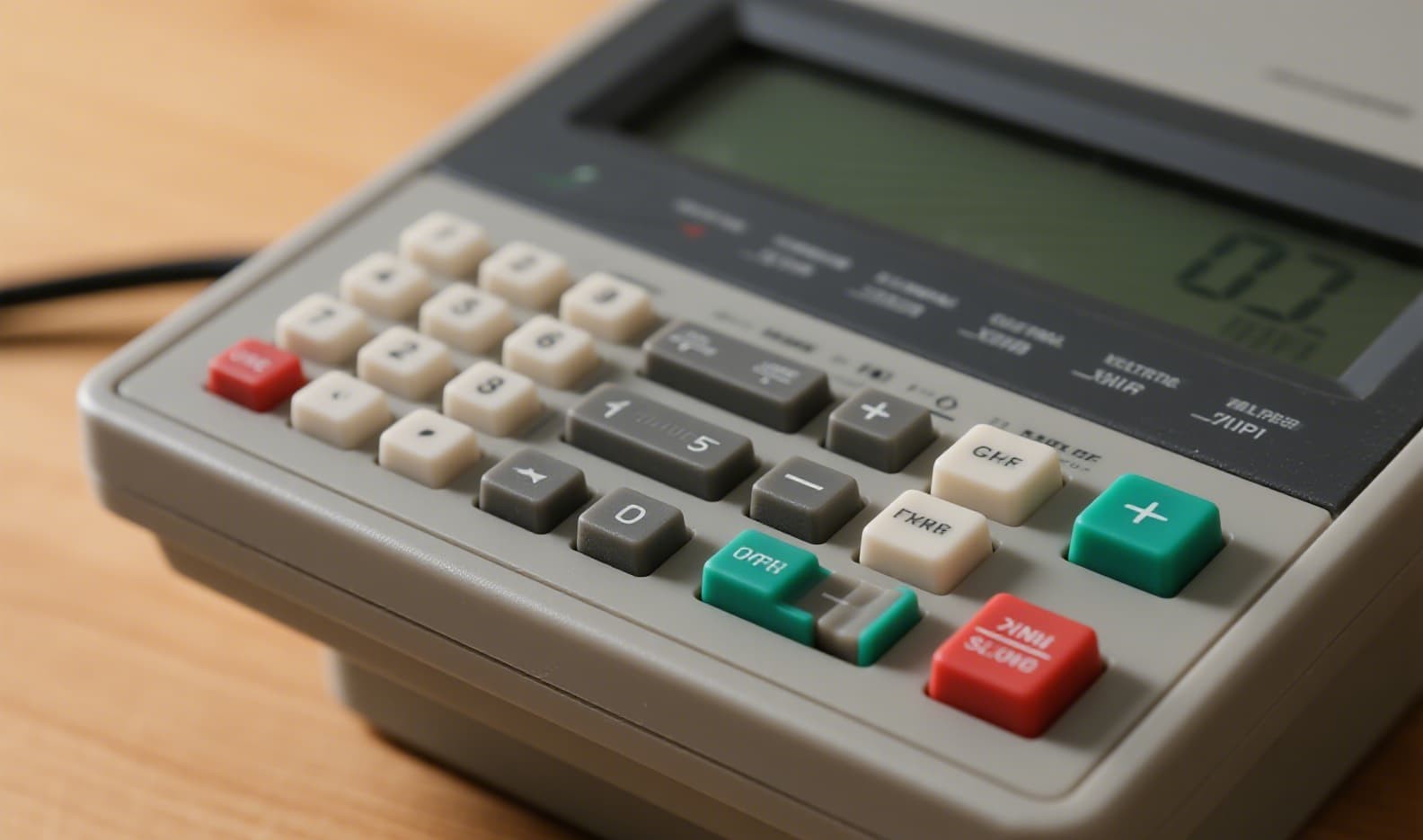
Complete 10‑Year Lifecycle Test Summary
| Test Category | Specific Test | Duration / Cycles | Acceptance Criteria |
|---|---|---|---|
| Force | Actuation Endurance | 1,000,000 cycles | Force ±10%, snap ratio <15% drift |
| Force | Thermal Cycling | 500 cycles (–40°C to +85°C) | Force shift ≤ 8% from baseline |
| Resistance | Contact Endurance | 1,000,000 cycles | Rc ≤ 200 Ω, drift ≤ 50 Ω |
| Resistance | Humidity (85/85) | 1000 hours | Rc ≤ 300 Ω, no corrosion |
| Legend | IPA Wipe Test | 20,000 cycles | No fading, ΔE < 3.0 |
| Legend | Abrasion (Taber) | 500 cycles | Legend legible, density loss <10% |
| Additional | Vibration / Shock | MIL‑STD‑810G | No mechanical damage, resistance stable |
To match a 10‑year instrument life, your instrument silicone keypad must pass all six core lifecycle tests: actuation endurance, thermal cycling, contact resistance endurance, humidity resistance, chemical wipe resistance, and abrasion resistance. FromRubber designs and validates every custom keypad against these exact protocols, providing full test documentation with each shipment. Our keypads are proven to maintain force within ±8%, resistance below 200 Ω, and legends legible for over 10 years of real‑world use — backed by accelerated aging data.