What is the typical lead time and MOQ for custom silicone rubber keypads?
- Share
- Issue Time
- Aug 24,2026
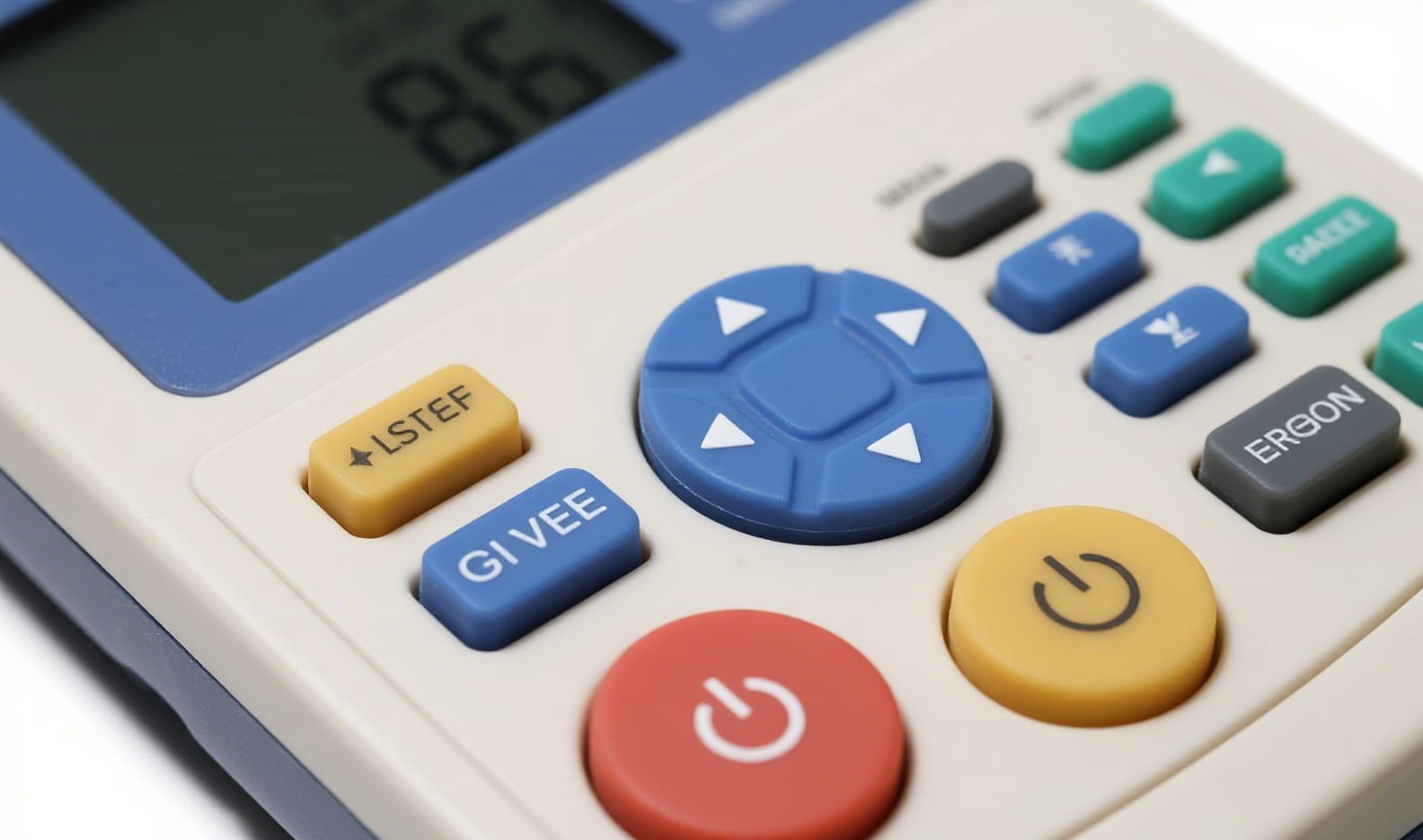
Buyers often ask for a single number, but the honest answer is a range. The exact MOQ and schedule depend on cavity count, material/color complexity, surface finishing, and whether you need pre-production validation. Below is the schedule we use with our own projects, plus the variables that stretch or compress it.
What drives MOQ for custom silicone keypads
The 500–1,000 piece floor is not arbitrary. It comes from four real cost floors in manufacturing:
A steel mold for a multi-key keypad costs $1,500–$5,000. Spreading that across 500 pieces adds $3–$10/unit; across 100 pieces it adds $15–$50/unit, which most buyers reject.
Silicone is mixed by batch. A color-matched compound often has a 5–10 kg minimum. If your part only uses 1 kg, the remaining material is waste unless the order size justifies it.
Compression molding requires mold mounting, temperature stabilization, and first-article approval. A 500-piece run uses the same setup labor as a 5,000-piece run.
Printing, laser engraving, coating, and assembly each have fixture and line-change costs. Low volumes make these overheads dominate the unit price.
Some trading companies advertise 100-piece MOQs, but those are usually stock blanks with a printed logo — not a truly custom mold. If you need your own web geometry, actuation force, and custom legends, 500 pieces is the practical minimum at most competent Chinese factories.
Lead time broken down week by week
A realistic schedule from drawing approval to ex-factory shipment looks like this for a mid-complexity keypad:

Case study: keeping a 16-key meter keypad on a 5-week schedule
In early 2025 a U.S. test-equipment company asked FromRubber to quote a 16-key silicone keypad for a new handheld meter. Their main constraint was a trade-show deadline 7 weeks out. The drawing was clean, but the original spec demanded six colors, laser-etched legends, and a two-durometer design for the outer seal.
We proposed two schedule-saving changes: reduce the color count to three by molding the main body in one color and printing accent keys, and use a single durometer with a molded seal rib instead of a second material. The buyer agreed. Final parameters: 800-piece MOQ, $2,200 tooling, 5 weeks total. First articles arrived on day 19, production completed on day 33, and the parts shipped on day 36 — one day ahead of the show deadline.
The key lesson: lead time is not fixed by the factory alone. Design decisions — color count, hardness splits, coating type — often add or remove more time than the mold build itself.
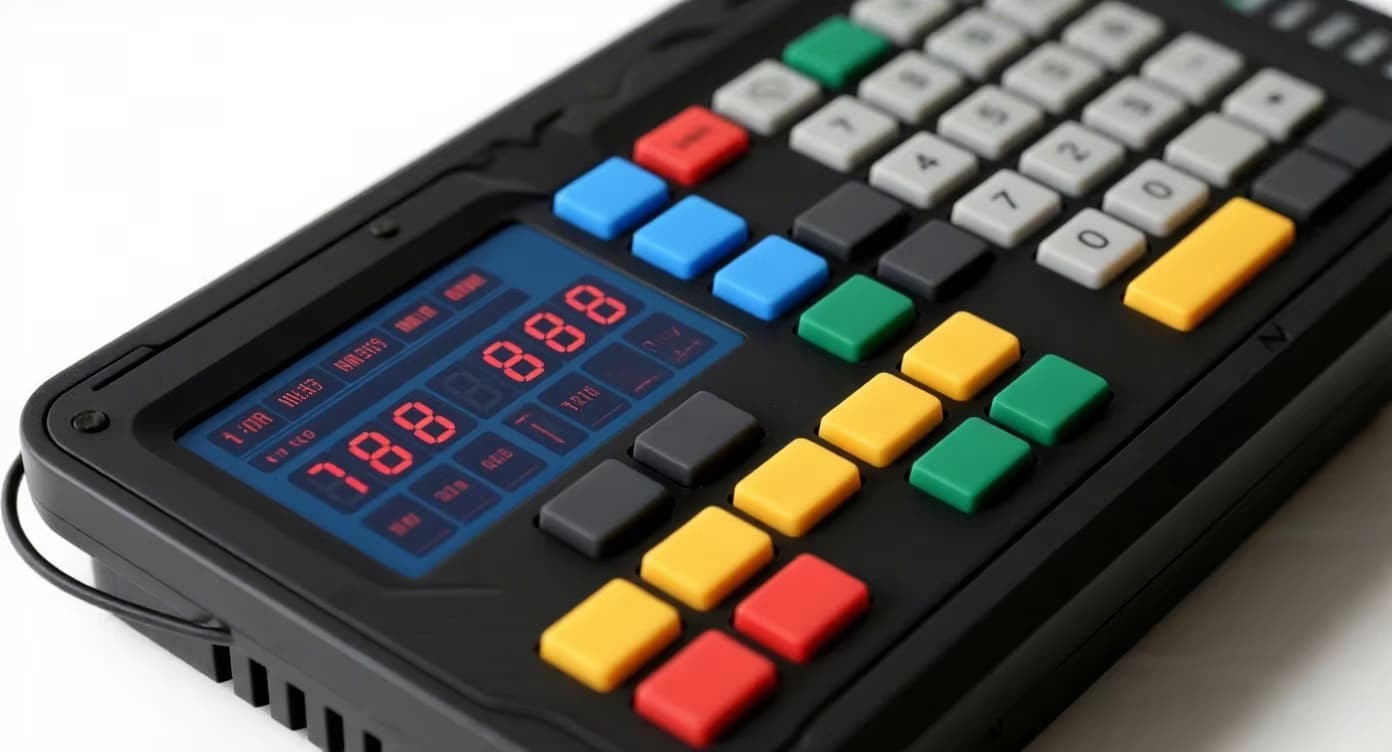
Reference data: MOQ and lead time by project scale
These ranges assume the buyer returns first-article approvals within 48 hours. Every day spent waiting for internal sign-off pushes the schedule by a day — the factory cannot compress validation time without adding risk.