Which manufacturers offer custom meter instrument silicone keypads with laser engraving?
- Share
- Issue Time
- Sep 1,2026
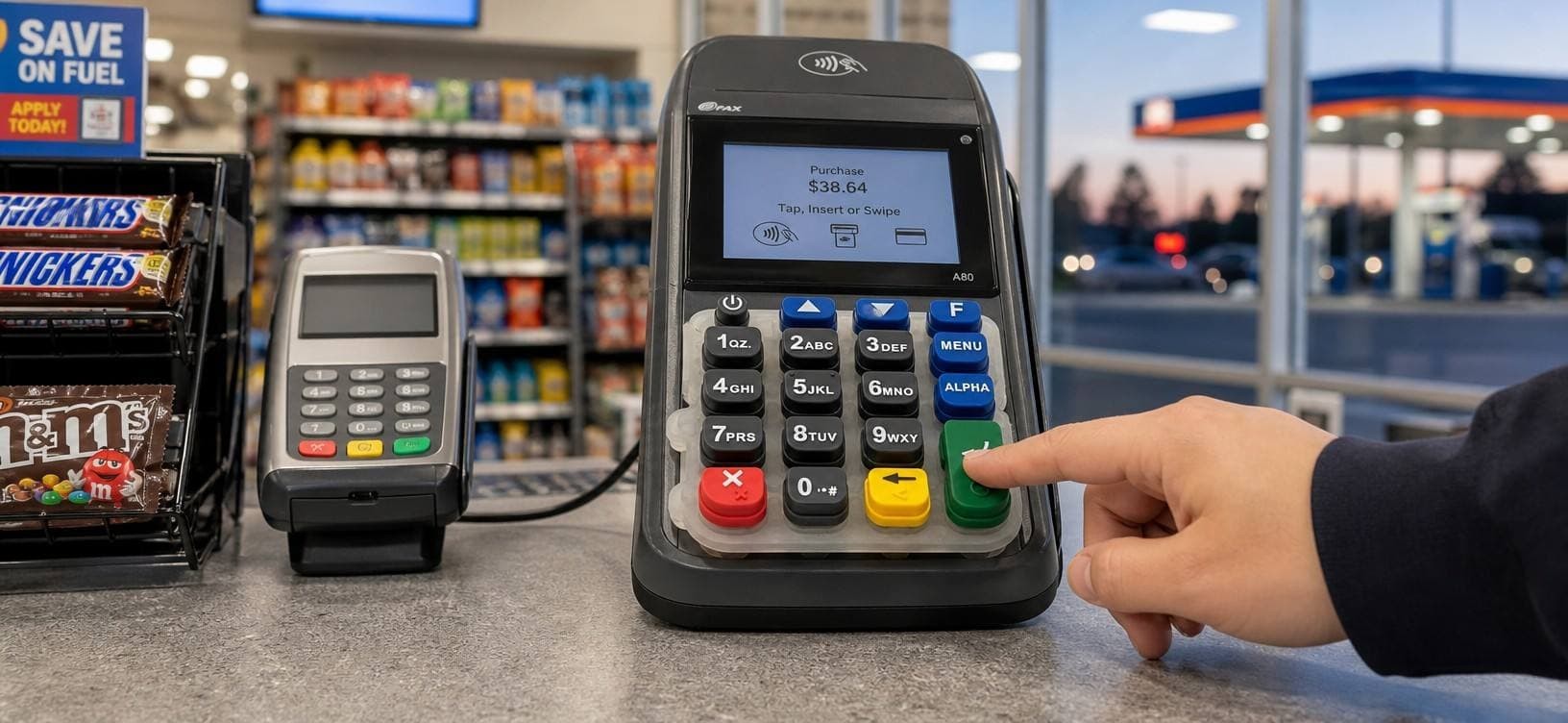
Laser engraving (usually called laser etching in the keypad industry) is the premium marking process for meter instruments: the legend is engraved through a top coating into the silicone base, producing a permanent, backlit-capable mark that cannot peel or fade. It is also the process most often faked in quotes — some suppliers quote "laser marking" while planning to overprint. Here is how to find manufacturers who genuinely do it, and how to verify them.
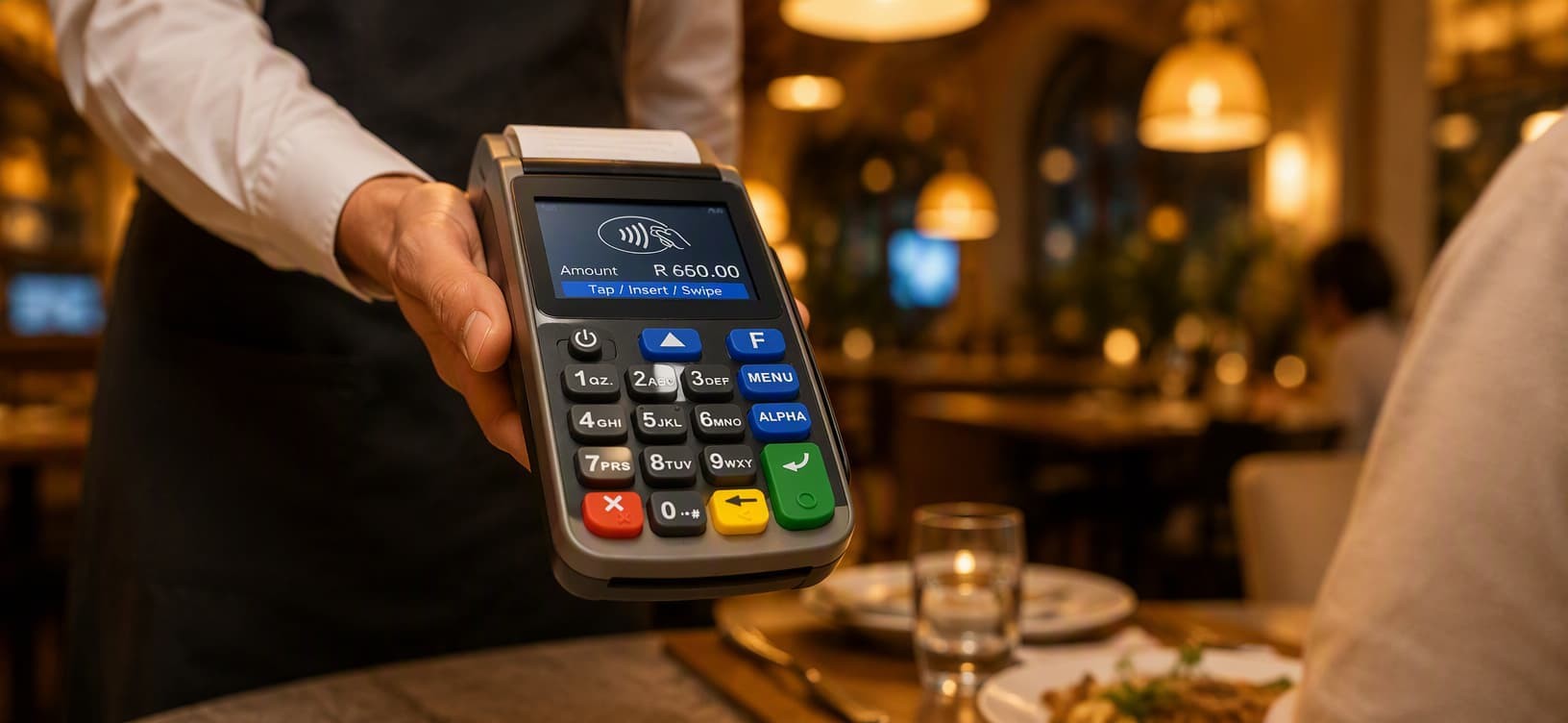
What laser engraving actually requires from a manufacturer
A laser-engraved meter keypad is a coating system, not just a marking operation. The manufacturer must control four processes in-house, because each one depends on the previous:
How to shortlist and verify a laser-engraving supplier
Specialized custom keypad makers cluster in the Pearl River Delta (Dongguan/Shenzhen/Huizhou). FromRubber runs laser engraving in-house alongside compression and LSR molding, which is the configuration you want: etching parameters tuned to the exact coating stack, no hand-off to a third-party marking shop. When you shortlist candidates, apply these four tests:
A genuine laser-etched key shows a clean coating step where the top coat was removed. A printed "laser look" shows ink sitting on the surface.
Laser-etched legends should pass 500k–1M cycles (with PU top coat, even more) with no legend loss. Silkscreen typically fails visibly around 100k–300k cycles.
IPA, ethanol disinfectants, and the specific cleaning agents your field technicians use. Etched legends survive; ink legends dissolve or ghost.
Etched legends should glow evenly across the keypad. Hot spots and dark keys mean the light-guide stack was not co-designed with the etch pattern.
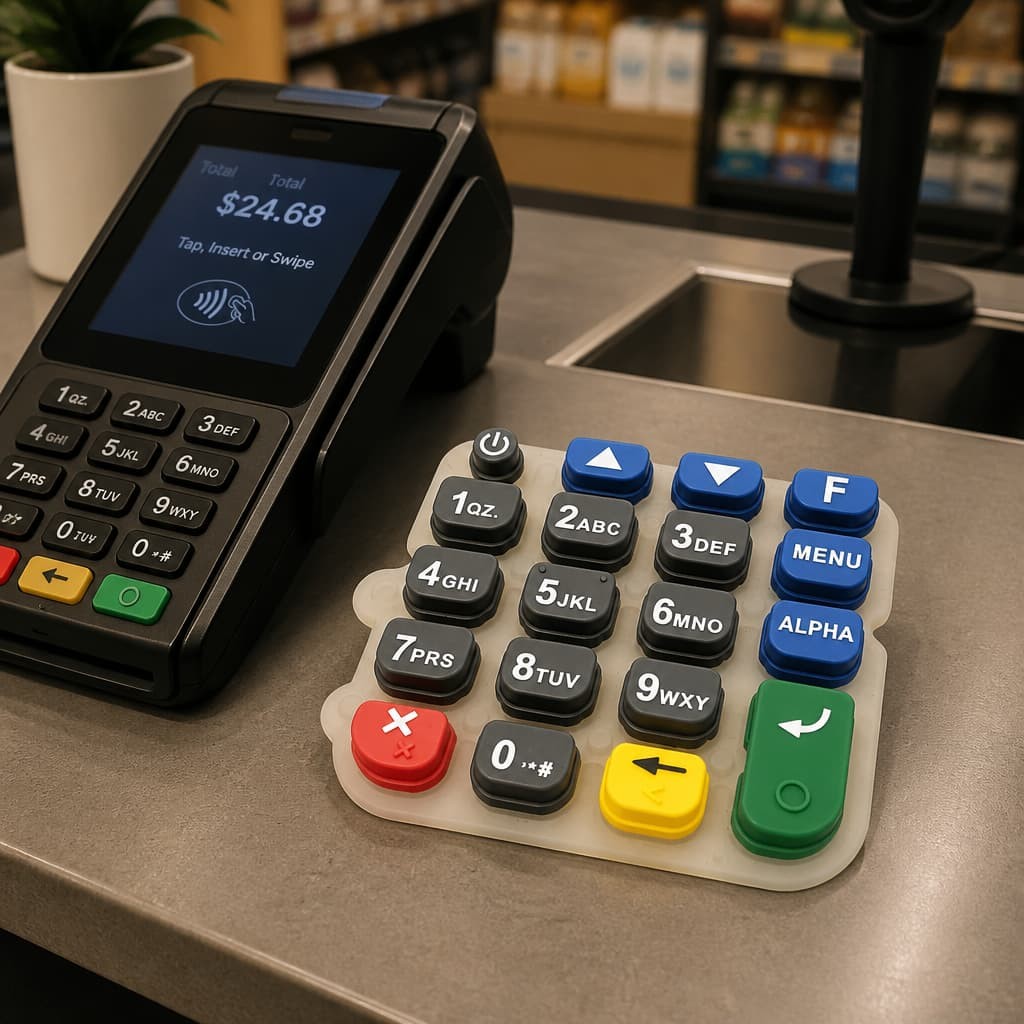
Case study: when silkscreen cost a meter maker a hospital contract
A bench instrument maker came to FromRubber after losing a hospital equipment tender. The stated reason from the buyer: their keypad legends had faded to unreadable after six months of daily disinfectant wiping in a cardiology department. Their previous supplier had quoted "premium UV-cured printing" — which is real technology, but it is still ink on the surface.
We rebuilt the same keypad with a two-layer coating: matte black top coat over a translucent base, laser-etched legends, finished with a clear PU top coat rated for repeated alcohol and quaternary-ammonium disinfectant exposure. The tooling change was minimal — the mold stayed, only the finishing process changed. Etched samples passed 100,000 IPA-wipe cycles and 500k actuation cycles with no measurable legend degradation. The re-tender was won, and the same design is now used across three of the customer's instrument lines.
The data: marking methods compared for meter instruments
Bottom line: laser engraving adds roughly 10–30% to unit price over plain silkscreen, and for meter instruments exposed to gloves, cleaning chemicals, and years of daily use, it is usually the cheapest line item on the BOM when you amortize warranty cost.