What printing options are available for custom silicone keyboards?
- Share
- Issue Time
- Sep 8,2026
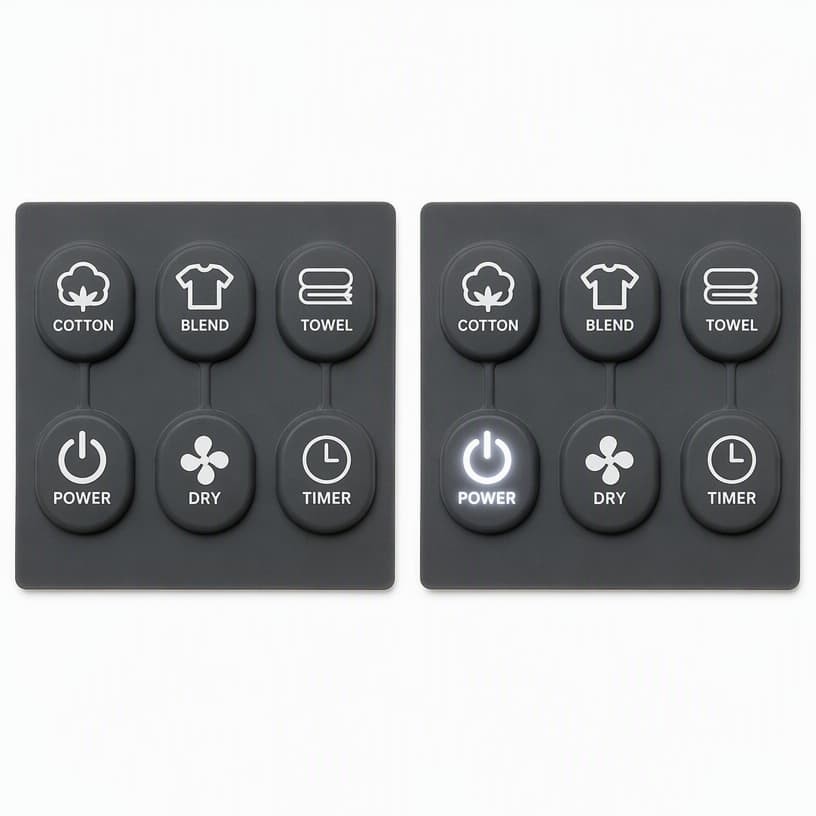
What printing options are available for custom silicone keyboards?
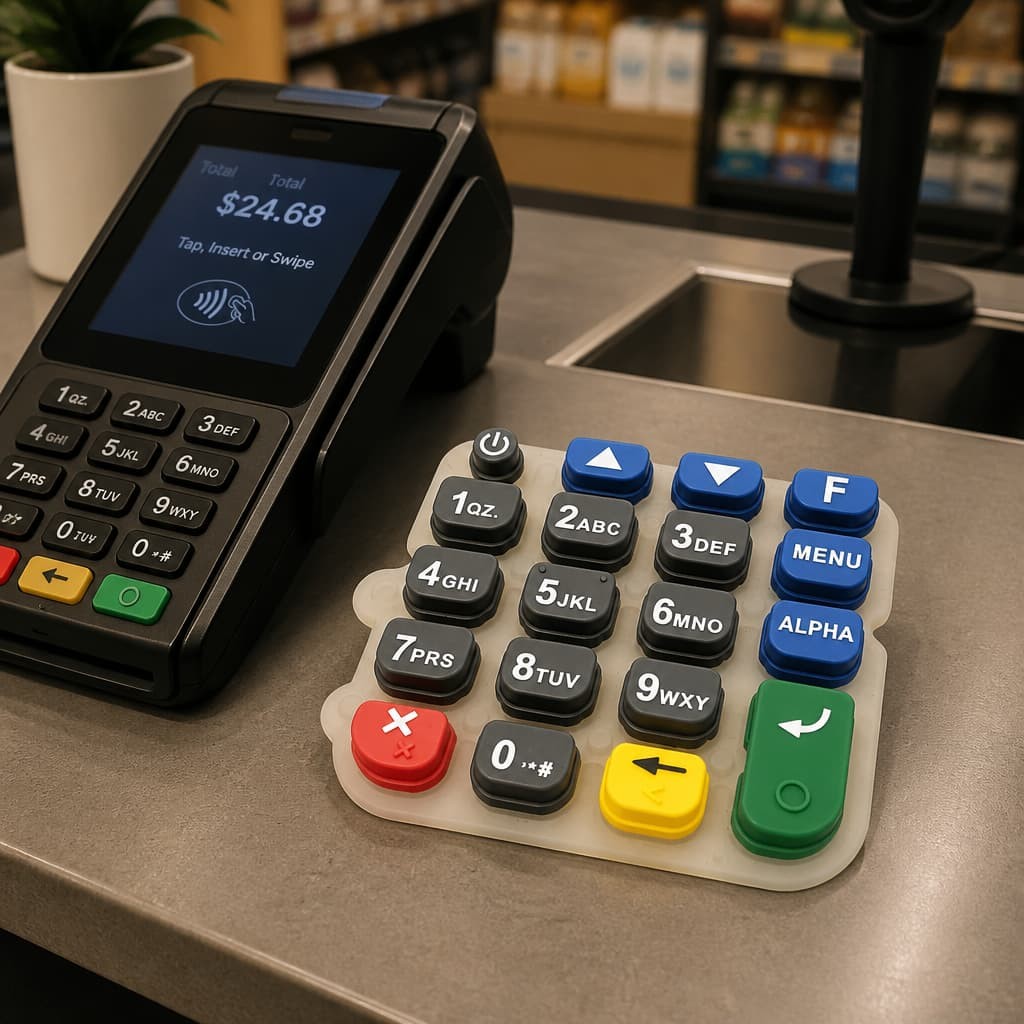
Detailed Explanation: The Seven Printing Methods
Silicone is a low-surface-energy elastomer, so the legend method is not just a visual choice; it determines how long the label survives abrasion, cleaning chemicals, UV, and keypress impact. Choose the method after you have defined actuation force, lifecycle, environment, and backlight requirements; then verify with a print-durability test (ASTM D4060 Taber Abrasion) on a production plaque.
- Silk-screen printing. Silicone-based ink is pushed through a polyester or stainless mesh stencil onto the molded key. Cost-effective, supports multi-color, ideal for non-backlit consumer/industrial panels. Typical wear life: 100,000–300,000 rub cycles standard, 500,000–1,000,000 with PU or UV topcoat.
- Pad printing. A silicone tampon picks ink from an etched cliché and stamps it onto curved key tops. Best for small text, icons, and 3D surfaces where screen printing cannot reach. Typical wear life: 200,000–500,000 cycles.
- Laser etching. A Q-switched fiber or CO₂ laser ablates a dark top-coat to expose translucent silicone, creating a backlit legend. No ink is used, so legends cannot peel. Typical wear life: essentially unlimited; the legend survives 1 million+ cycles.
- Double-shot molding. Two silicone materials of contrasting color are molded in two injection steps, producing a seamless, integral legend. Best for medical, automotive, and high-end industrial use where 5–10 year lifecycles are required.
- P+R (plastic + rubber) caps. A rigid PBT or ABS cap is molded into the silicone key, giving high gloss, oil resistance, and excellent legend durability. Best for POS, elevator, and premium remote control panels.
- Resin epoxy domes. A transparent UV-cured resin is dispensed over a printed area, giving a 3D, glass-like finish plus scratch and chemical protection.
- Conductive ink printing. Silver- or carbon-loaded ink is screen-printed directly onto the silicone, eliminating the need for separate carbon pills. Used in flex-circuit and membrane-switch hybrids.
Case Study: A European Hospital Infusion-Pump Manufacturer
Hospital infusion-pump, 28 keys, weekly IPA wipe-down
A German-OEM hospital infusion-pump maker came to FromRubber with an early-life field issue: legend fading appeared after about 8 months of daily isopropyl-alcohol cleaning in ICU and oncology wards. Initial silk-screen print with a basic protective spray failed the in-house ISO 4611 test after 6,000 wipes.
Our team redesigned the legend subsystem with two-part silicone ink printed by silk-screen, then over-coated with a 12 µm medical-grade PU layer. Plasma pre-treatment was added to raise surface energy above 38 dynes/cm before ink application. The new keypad was validated against ASTM D4060 (1,000,000 cycles, < 5 % legend density loss) and IEC 60068-2-70 (10,000 IPA wipes, no visible change). The product has been in production for 26 months with zero legend-related complaints.
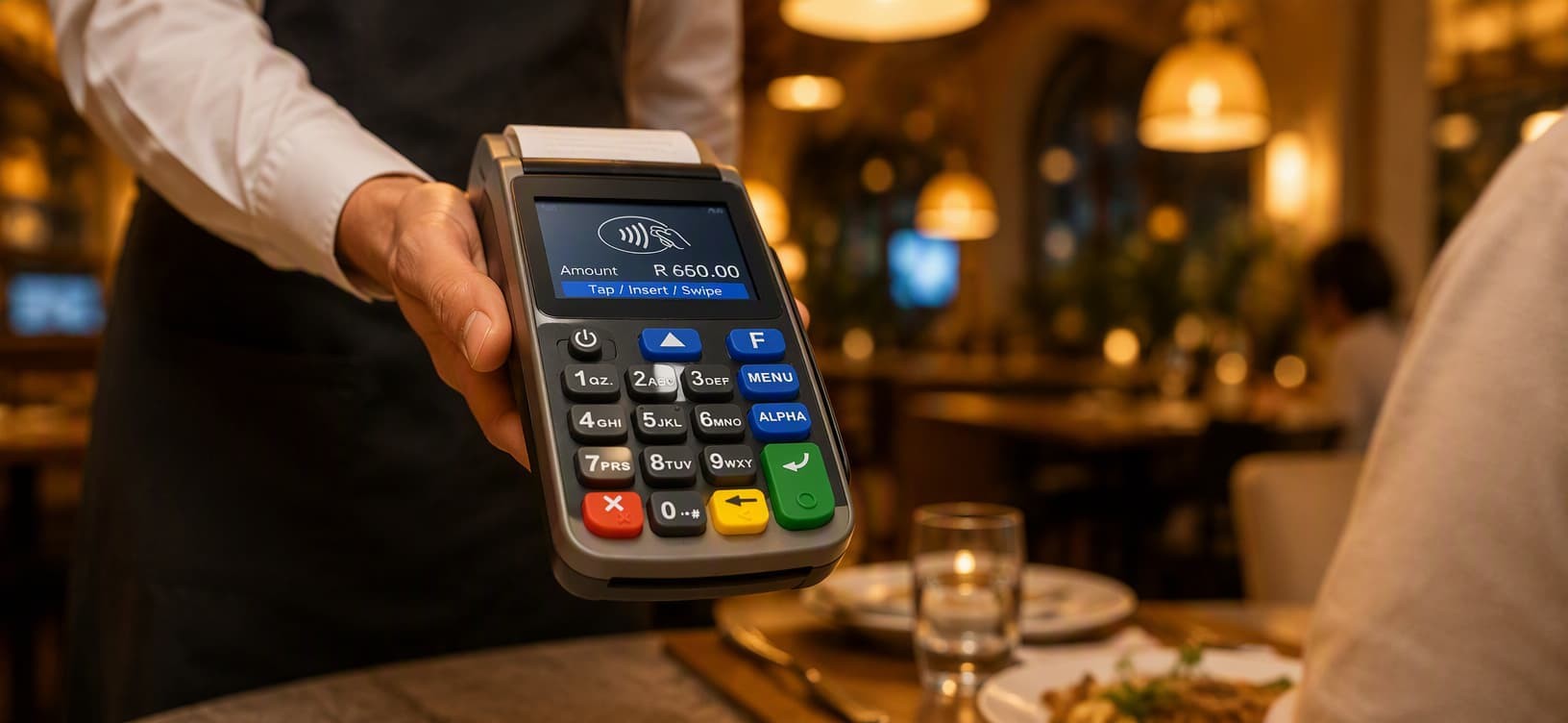
Data: Printing Method Comparison
| Method | Typical Wear Life (cycles) | Backlight? | Color Options | Relative Cost | Best Application |
|---|---|---|---|---|---|
| Silk-screen (standard ink) | 100,000 – 300,000 | No | Full Pantone / RAL | Low | Consumer, indoor controllers |
| Silk-screen + PU/UV coat | 500,000 – 1,000,000+ | Limited | Full Pantone / RAL | Low – Medium | Medical, industrial, outdoor |
| Pad printing | 200,000 – 500,000 | No | Multi-color, fine detail | Medium | Curved 3D keys, micro-icons |
| Laser etching | Virtually unlimited | Yes (excellent) | Single color (substrate) | Medium | Backlit, night-readable panels |
| Double-shot molding | 5,000,000+ | Optional | Two contrasting colors | High | Medical, automotive, premium |
| P+R plastic cap | 1,000,000+ | Optional | Full Pantone on cap | High | POS, elevator, remote control |
| Resin epoxy dome | 1,000,000+ | Yes | Full color, gloss finish | Medium | Premium consumer, automotive |
| Conductive ink printing | 1,000,000 | Optional | Silver / carbon only | Medium | Membrane switch hybrids |
Case Study: FromRubber Laser-Etched Automotive Climate-Control Keypad
Automotive HVAC backlit keypad, 12 keys, 10-year lifecycle
A Tier-1 European automotive supplier required a backlit silicone keypad for an EV HVAC module with a 10-year, 100,000-mile durability target. Silk-screen legends would not survive the temperature swings and dashboard UV. FromRubber delivered a laser-etched keypad with PU topcoat: dark base layer sprayed on Shore A 60 silicone, legend geometry ablated with a 30 W Q-switched fiber laser, then 8 µm PU coating for chemical resistance. Final validation: 1.2 million actuations, 1,000 h ASTM G154 QUV, no legend density loss > 3 %.
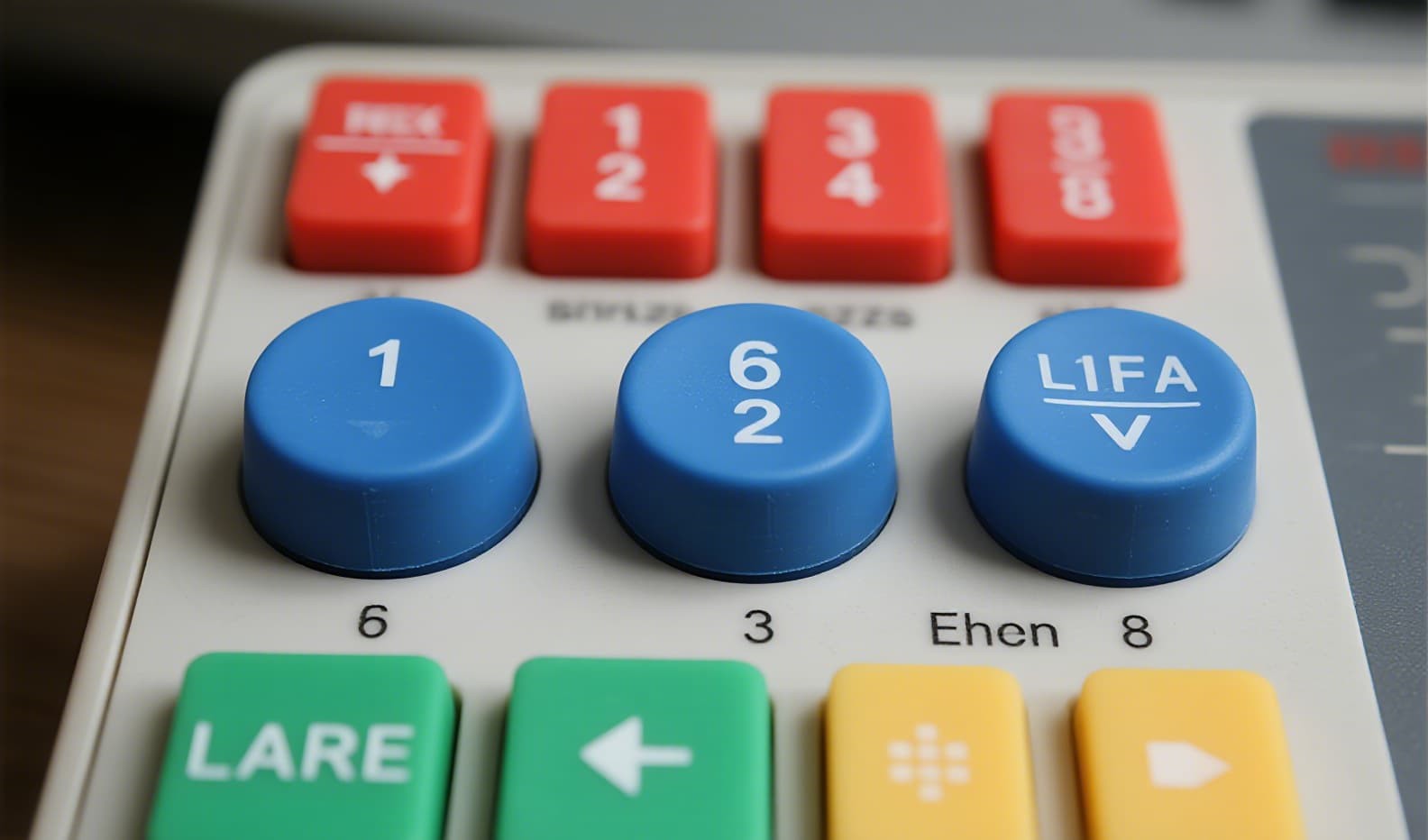
How FromRubber Guides the Right Choice
Our engineers review 5 decision factors for every new project: (1) lifecycle target, (2) presence of cleaning chemicals or skin contact, (3) UV exposure, (4) backlight requirement, (5) cosmetic target cost. We supply printed color plaques and test strips before tooling cut, and issue a full print-durability report (Taber, IPA wipe, QUV) with first-article samples. This is the same protocol we apply for OEM customers in medical, industrial, POS, and consumer markets.
If you have a keypad project underway, send us your 2D drawing, expected lifecycle, and operating environment. We will return a recommendation with sample plaques within 3–5 working days.
CONTACT US · Request a Printing Sample Plaque
Related Questions
Laser Etching vs. Silk Screen Printing
Which method is right for backlit POS or industrial keypads and why?
Print Durability & Abrasion Standards
How we test legends against ASTM D4060, ISO 4611 and MIL-STD-810.
Backlight Design for Silicone Keypads
Printable windows, LED coupling, and laser-etched light guide film.