What is the difference between conductive pill and carbon pad inner keypads?
- Share
- Issue Time
- Sep 9,2026
What is the difference between conductive pill and carbon pad inner keypads?

Detailed Explanation: How Each Contact Technology Works
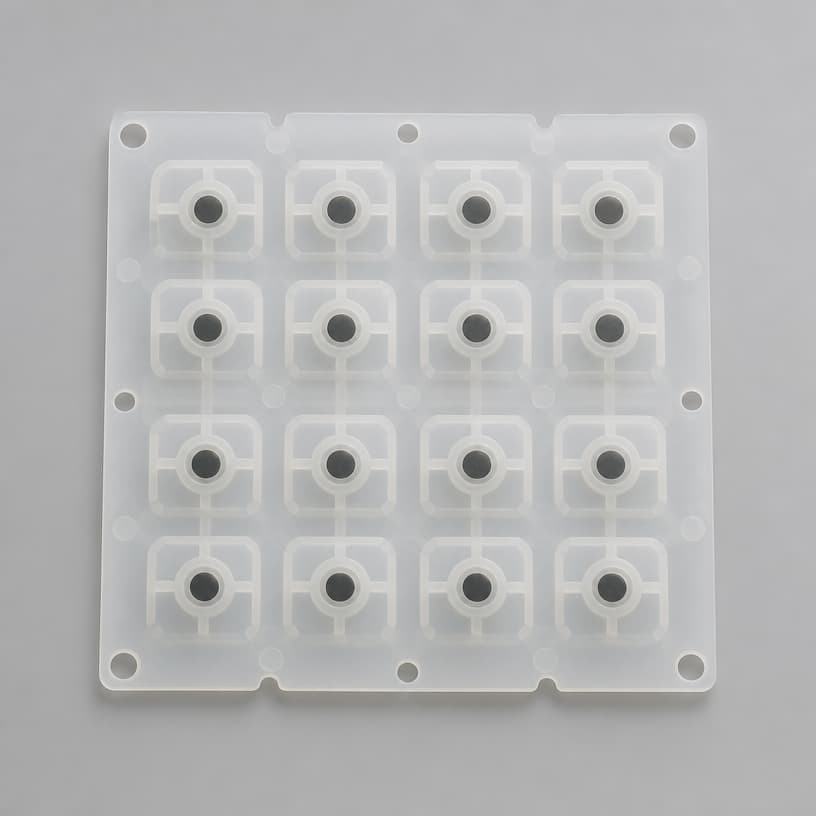
An inner keypad (also called a conductive silicone keypad or rubber switch mat) works by pressing a conductive element against interleaved gold-plated PCB traces. When the key is released, the molded silicone webbing springs the contact back and breaks the circuit. The choice of contact element determines almost everything that matters electrically: contact resistance, drift over life, minimum switching current, and environmental robustness.
1. Carbon pad (carbon pill)
A silicone compound loaded with 25–40% conductive carbon black is pre-molded into a small pellet and placed into the key mold, so the pill cures as an integral part of the key base. It is the industry default: inexpensive, chemically inert, and moldable in any key geometry. Its limitation is resistivity - surface resistance of 50–200 Ω means it is unsuitable for circuits that scan at very low currents, where a few hundred ohms of variable resistance can be misread as a "no press".
2. Plated conductive pill (gold / nickel)
A carbon-rubber base pill receives an electroplated layer of nickel (often with a gold flash) on its contact face. The plating drops contact resistance to 3–10 Ω and keeps it stable: after 500,000 cycles, resistance drift stays under 10%, versus 80–150% drift for bare carbon. Gold is inert, so the contact will not oxidize in humidity or salt fog - the reason plated pills dominate marine, medical, and automotive specifications.
3. Printed conductive ink (the third option)
Carbon or silver ink is screen-printed directly onto the key base instead of molding a pellet. It enables the thinnest profiles and unusual geometries but wears faster (500,000–2,000,000 cycles) and shows higher initial resistance (100–1,000 Ω for carbon ink). FromRubber uses it mainly for membrane-switch hybrids and ultra-low-profile assemblies.
Case Study: Marine VHF Radio Switches from Carbon to Gold-Plated Pills
Marine VHF radio, 19 keys, salt-spray and 100 µA scanning circuit
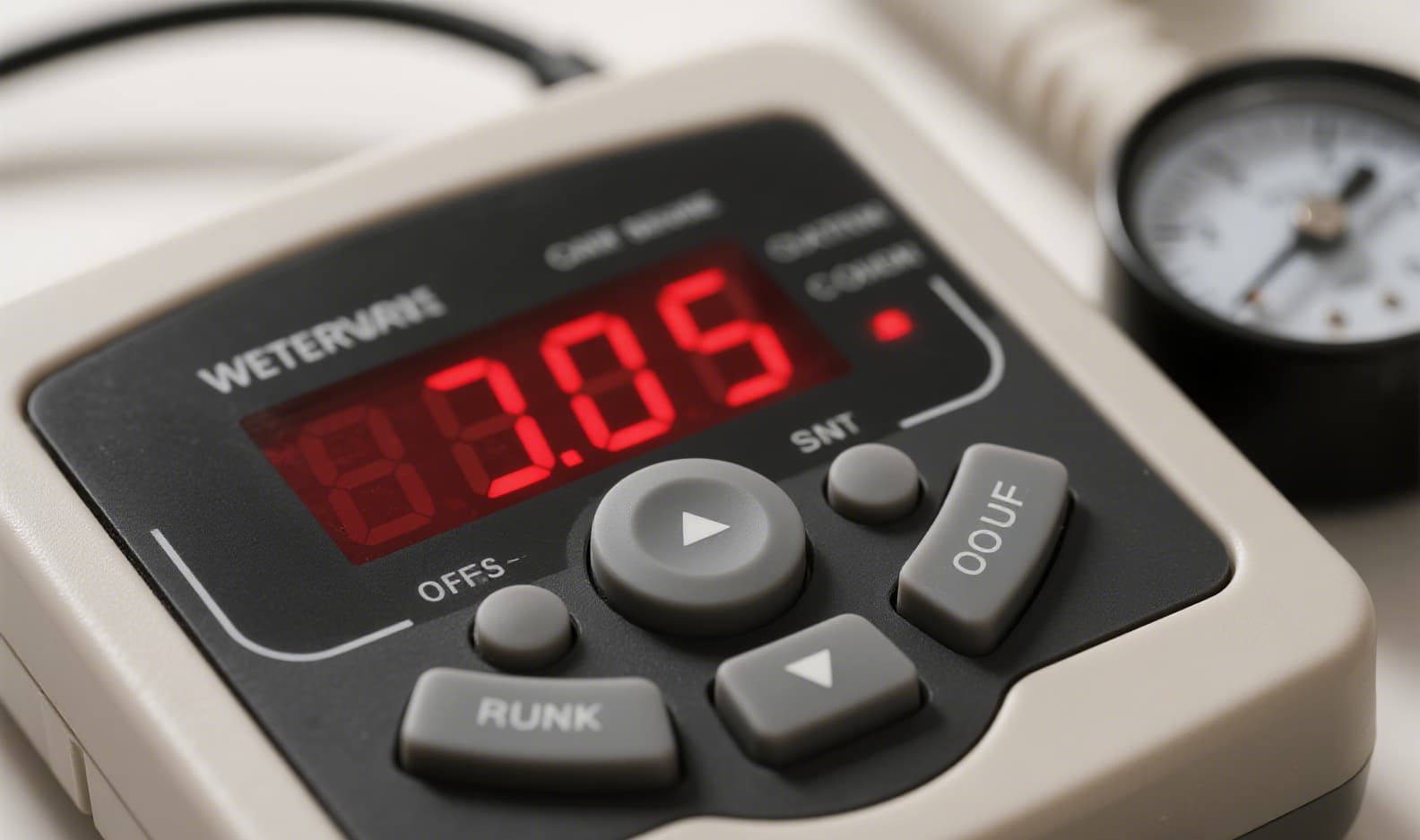
A European marine electronics OEM developed intermittent "phantom key" faults on a VHF radio family after 9–14 months at sea. Root cause analysis at FromRubber traced the failures to the carbon pads: the radio's microcontroller scanned keys at only 100 µA, and salt-laden humidity had raised carbon contact resistance beyond the 400 Ω detection threshold of the scanning matrix.
We re-engineered the inner keypad with nickel pills with a 0.05 µm gold flash on the same Shore A 60 silicone body, keeping web geometry and actuation force (180 ± 20 gf) unchanged so the customer's PCB and enclosure needed zero modification. Validation results: contact resistance held at 4–8 Ω after 1 million cycles plus 96 h ASTM B117 salt spray and 500 h at 85 °C / 85% RH. Field returns across 3 years of production fell by 92%, while the plated-pill premium added only US $0.11 per keypad at the 20,000-piece annual volume.
Data: Contact Technology Comparison
| Parameter | Carbon Pad | Gold/Nickel Conductive Pill | Printed Carbon Ink |
|---|---|---|---|
| Contact resistance (initial) | 50 – 200 Ω | 3 – 10 Ω | 100 – 1,000 Ω |
| Resistance drift (500k cycles) | +80 – 150% | < 10% | +50 – 100% |
| Cycle life (typical) | 1 – 5 million | 5 – 10 million | 0.5 – 2 million |
| Minimum reliable switching current | > 1 mA | as low as 10 µA | > 1 mA |
| Salt spray 96 h (ASTM B117) | < 1,000 Ω, some oxidation | < 15 Ω, no visible change | varies with ink binder |
| 85 °C / 85% RH, 500 h drift | 200 – 400 Ω | < 5 Ω | 100 – 300 Ω |
| Relative contact cost | 1x (baseline) | 2 – 4x | 0.8 – 1.2x |
| Best application | Consumer remotes, basic industrial panels | Medical, marine, automotive, instrumentation | Membrane hybrids, ultra-thin profiles |
Case Study: Carbon Pad Done Right in a Budget Controller
Smart-home HVAC controller, 12 keys, 250,000 units/year
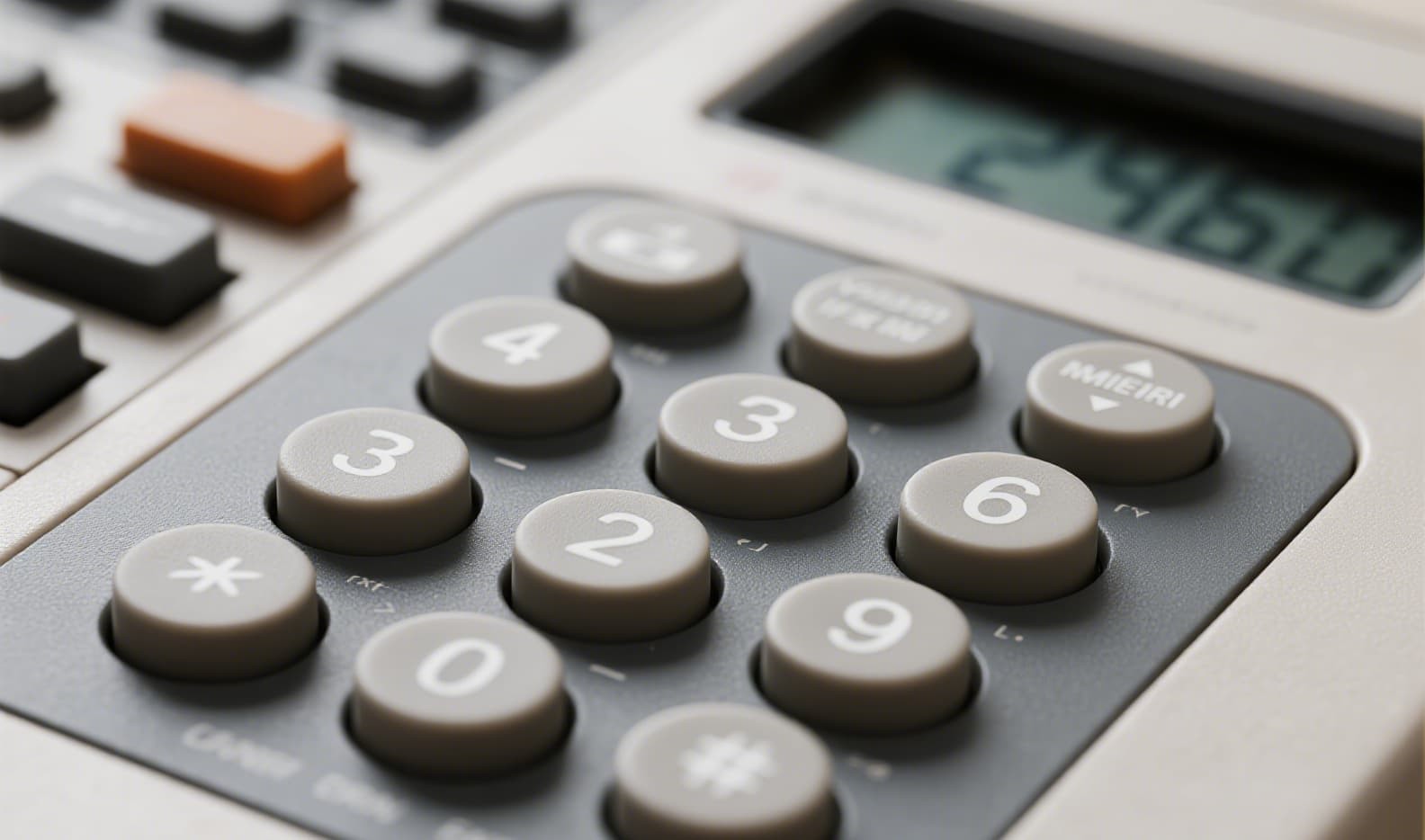
The other side of the decision is just as important: when a circuit scans at a healthy 5 mA and the product lifetime target is 5 years, a plated pill is over-engineering. A US smart-home brand's HVAC wall controller used a standard 3.3 V scanning circuit. FromRubber specified standard carbon pads with a post-cure of 4 h at 200 °C and a web angle of 35°. The keypad passed 2 million cycles with resistance still under 300 Ω, and the customer saved roughly US $0.09 per unit versus the gold-pill quote - about US $22,500 a year at volume, with zero reliability penalty.
How FromRubber Helps You Choose
Our engineers need three numbers to make the recommendation: (1) your scanning current or pull-up resistor value, (2) your lifecycle target, and (3) the worst-case environment (humidity, salt, cleaning chemicals). We then build a test coupon with both contact types on one PCB and run cycle, humidity, and salt-spray testing before your tooling is cut - so the decision is made on data, not on catalog claims. Every production lot ships with a contact-resistance inspection report.

CONTACT US · Get a Contact-Type Recommendation
Related Questions
Press Cycles of Conductive Inner Keypads
What rating can you expect - 1M, 5M or 10M cycles, and what moves the number?
Carbon Pill vs. Metal Dome Keypads
When a metal dome beats any molded pill for snap feel and cycle life.
What Is a Silicone Inner Keypad?
Structure, conductive options and when your product needs one.