How to choose between P+R keypads and full silicone rubber keypads?
- Share
- Issue Time
- Sep 9,2026
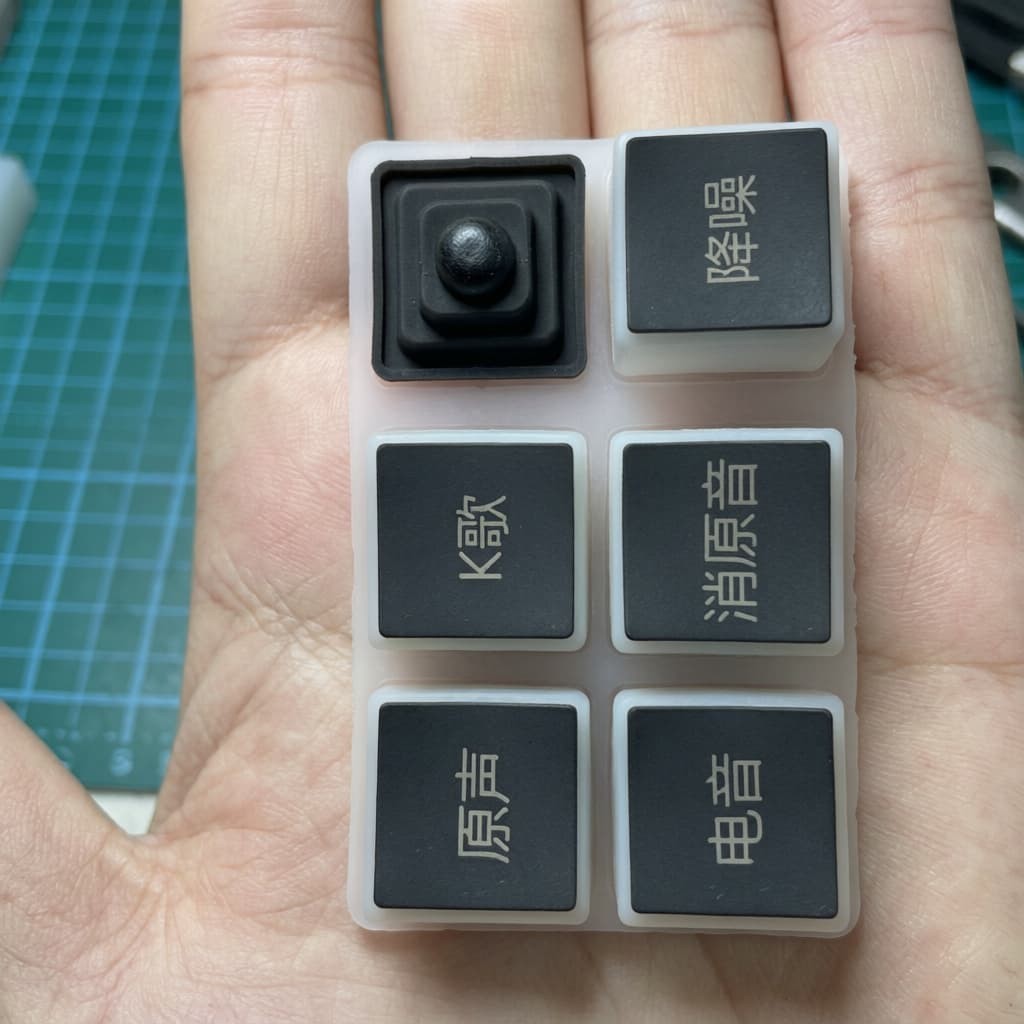
Buyers often frame this as "Which is better?" but the honest answer is "Better for what?" We have tooled and produced thousands of both full-silicone and P+R keypads, and the projects that run smoothly are the ones where the choice is made on real requirements — not on which sample happened to feel nicest on the first press.
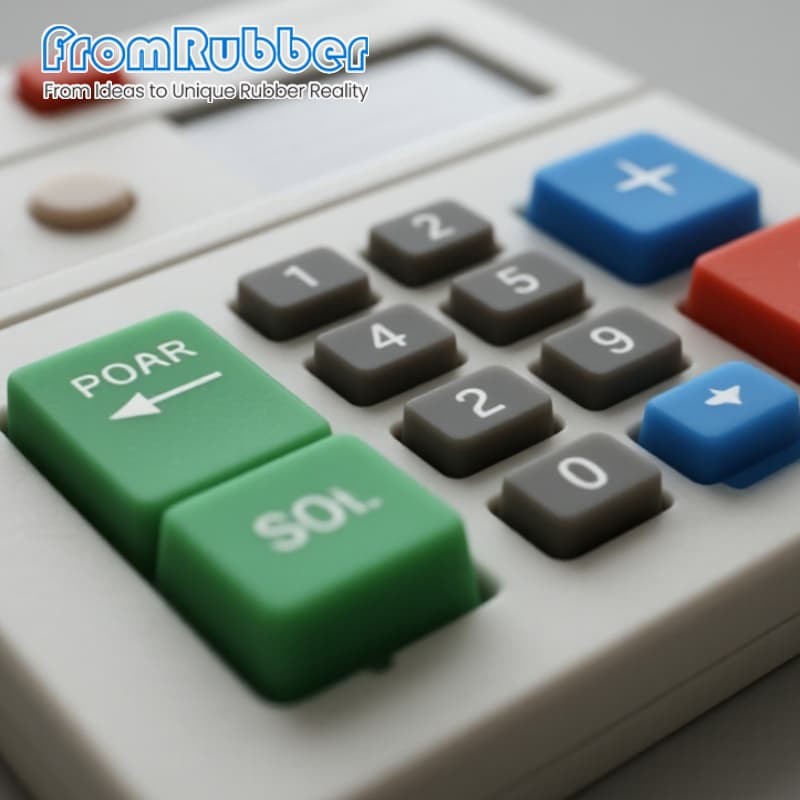
What each construction actually is
A full silicone rubber keypad is a one-piece elastomer component: the keys, webbing, conductive pills, and mounting rim are all molded from silicone in one compression or LSR shot. It is inherently sealed, soft to the touch, and extremely tolerant of small design changes because there is only one mold and one material set to manage.
A P+R keypad (Plastic + Rubber) is a hybrid. Rigid plastic keycaps — usually ABS, PC, or PBT — are bonded or insert-molded onto a silicone rubber base that provides the travel, rebound, and electrical contact. You get the crisp surface finish and dimensional precision of plastic plus the soft actuation of silicone.
Six decision factors that should drive the choice
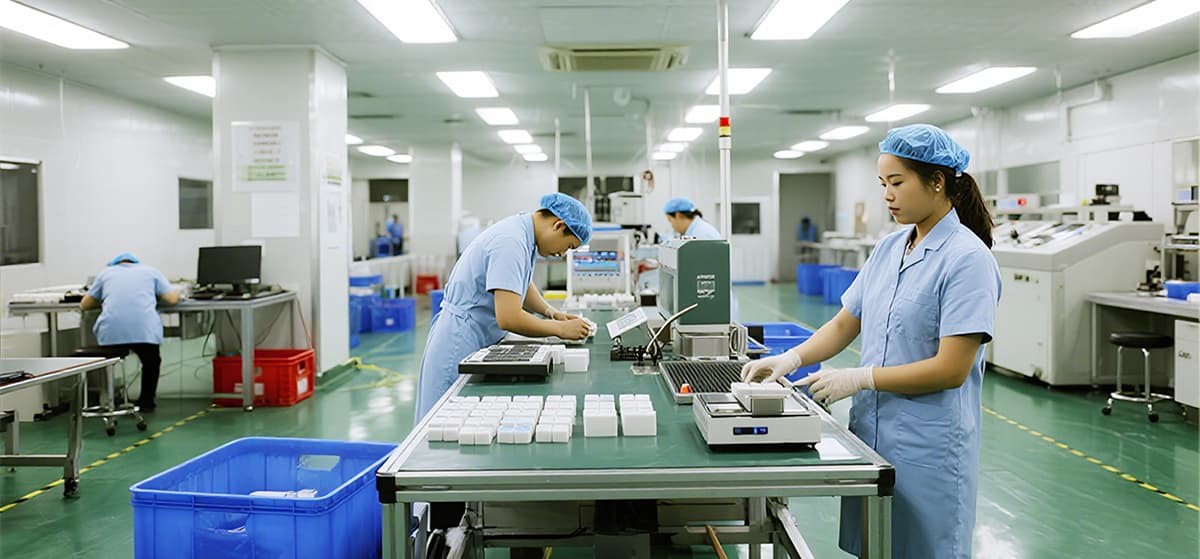
Case study: industrial handheld scanner
A logistics OEM asked FromRubber to quote a 20-key keypad for a warehouse handheld scanner. Their original request was P+R because the industrial design team wanted a glossy black surface. After reviewing the spec, we pointed out three things: the device would be dropped 1.5 m onto concrete, operated with gloves in dusty aisles, and had a target life of only 200,000 cycles.
We recommended full silicone with a PU-coated surface and laser-etched legends. The reasoning: the scanner did not need the abrasion advantage of plastic because 200k cycles is well within coated silicone capability; the monolithic body absorbed drop shock better; and the single mold cut tooling from $6,800 to $3,200. The customer accepted, and field returns related to key cracking or delamination have been zero over 18 months.

Side-by-side comparison data
Our recommendation: start with a ranked list of requirements — waterproofing, surface look, budget, and volume — then compare each construction against that list. If you are still unsure, prototype both. FromRubber can produce full-silicone and P+R samples from the same industrial design so you can make the decision with parts in hand.