Can I customize food-grade silicone cases and lid covers for my brand?
- Share
- Issue Time
- Sep 16,2026
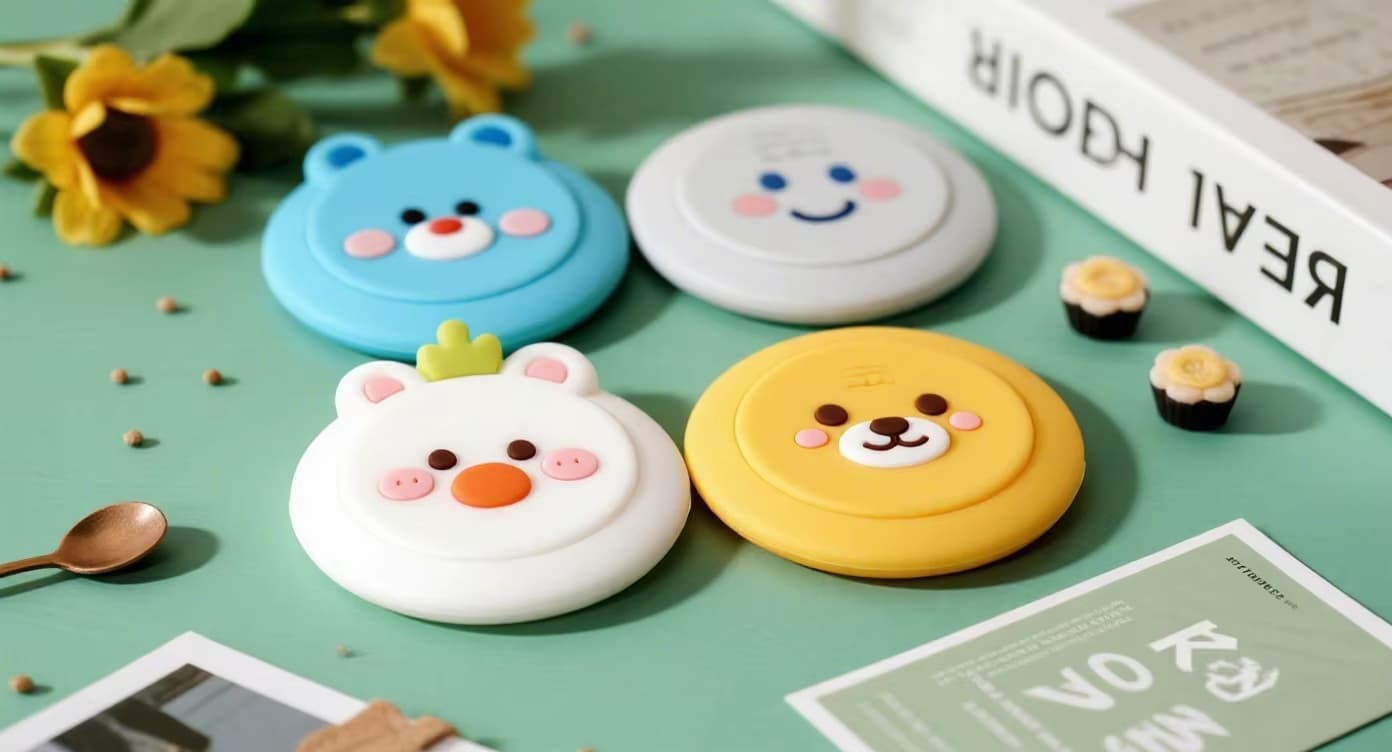
Silicone cases and lid covers are among the most brand-driven silicone products — they live on retail shelves and kitchen counters, so color, finish, and logo quality sell the product as much as function. The good news is that compression molding supports deep customization at surprisingly accessible volumes. Here is what a complete branding program looks like.
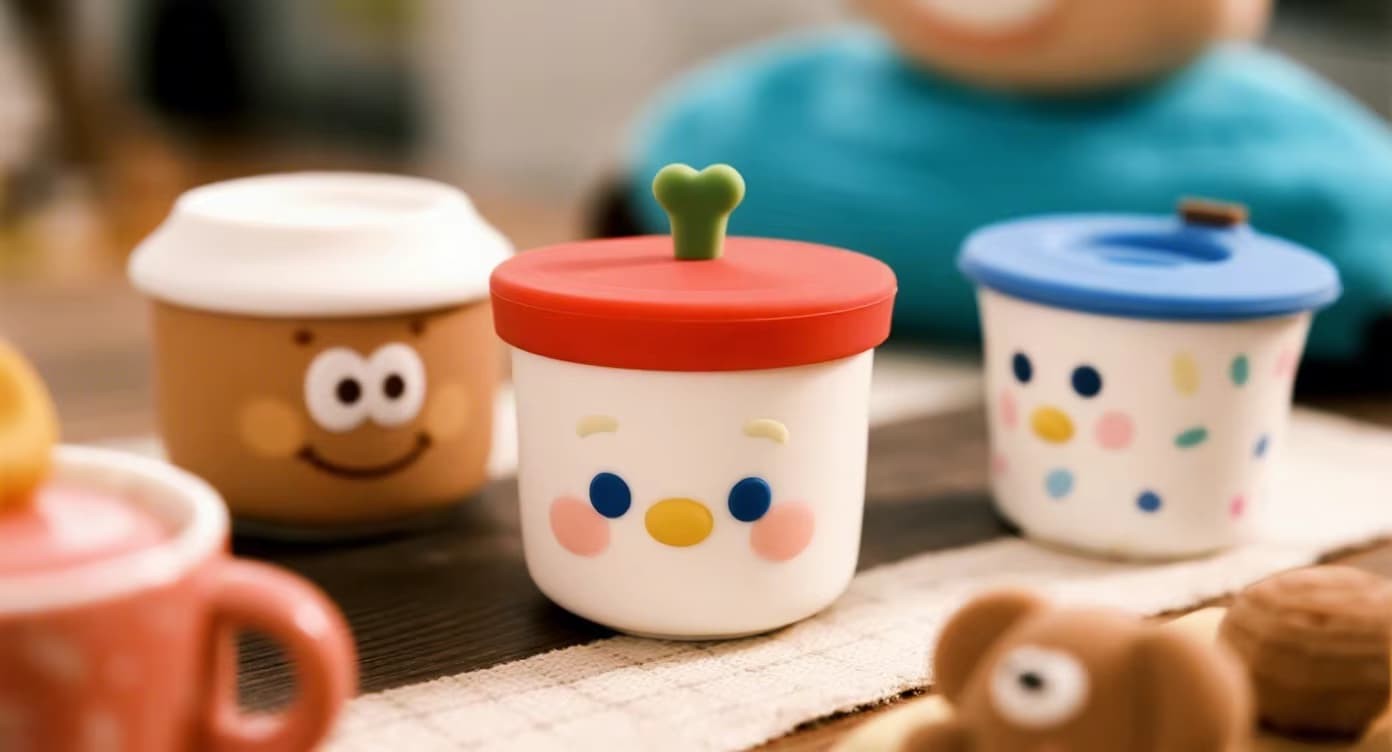
The full customization menu
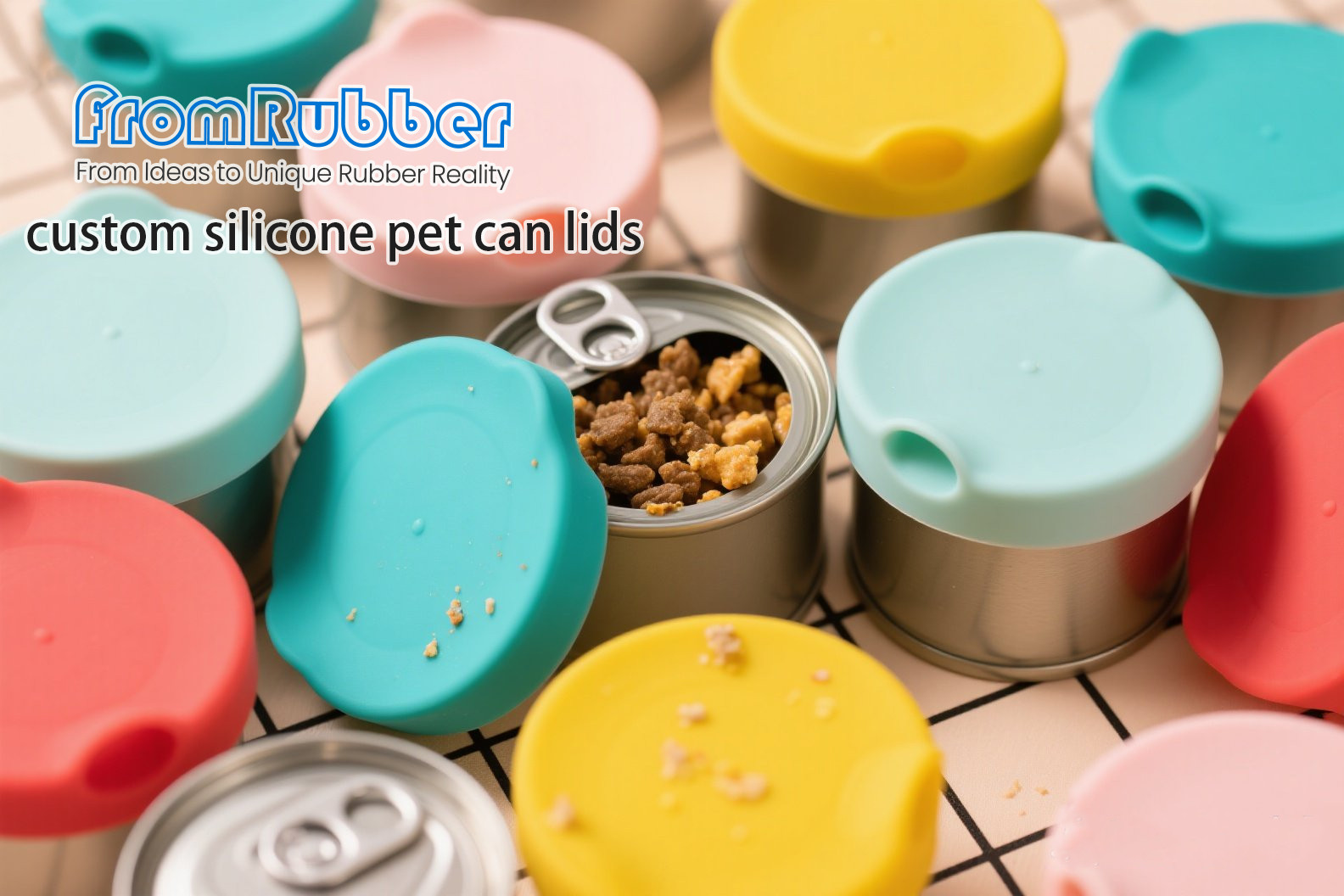
From concept to shelf: the development timeline
Send your 3D file or reference sample, target market, hardness, colors, and required food-contact documentation. The factory confirms the compound, manufacturing route, and compliance paperwork before quoting.
CNC-machined steel molds cut to your geometry with shrinkage compensation. A physical prototype or first-article sample follows for fit, feel, and finish approval.
Check dimensions, seal fit on your target containers, logo definition, color match under retail lighting, and dishwasher/microwave/freezer performance.
Compression molding with in-process inspection, post-curing for food-contact compliance, logo application, and retail packaging assembly. Shipment by sea or air with full traceability documentation.
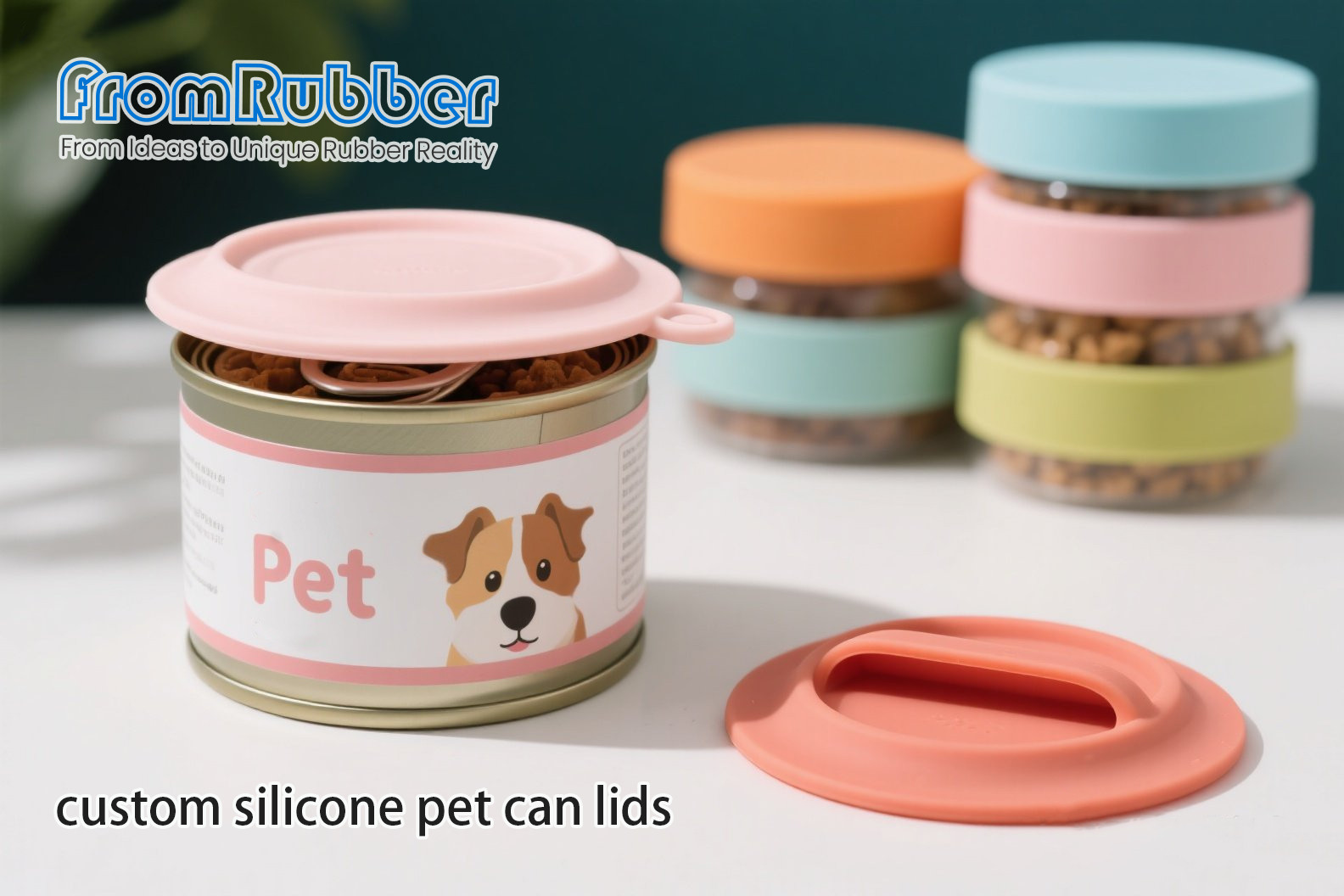
Case study: a meal-prep brand's lid program
A North American meal-prep startup wanted a branded stretch-lid set to replace plastic wrap in their product bundle — four lid sizes in the brand's sage-green Pantone, with a debossed logo and retail-ready header-card packaging. Their volume for the first order was modest: 3,000 sets (12,000 pieces across four molds).
FromRubber built four single-cavity compression molds at $1,400 each and ran platinum-cured, LFGB-compliant silicone at Shore A 45 for the right stretch-and-recover behavior. The sage pigment was matched to a physical drawdown before tooling started, avoiding the off-shade batches that plague color-matching from screens alone. First articles were checked for stretch fit on the brand's container line plus a 200-cycle dishwasher test and a freezer-to-microwave thermal shock sequence. Production ran at 28 days; finished sets arrived barcoded and polybagged with header cards, ready for the brand's fulfillment center. The program later expanded to 40,000 sets annually, with unit cost dropping 22% as tooling moved from single- to four-cavity molds.