How to order custom silicone rubber seals for my application?
- Share
- Issue Time
- Sep 17,2026
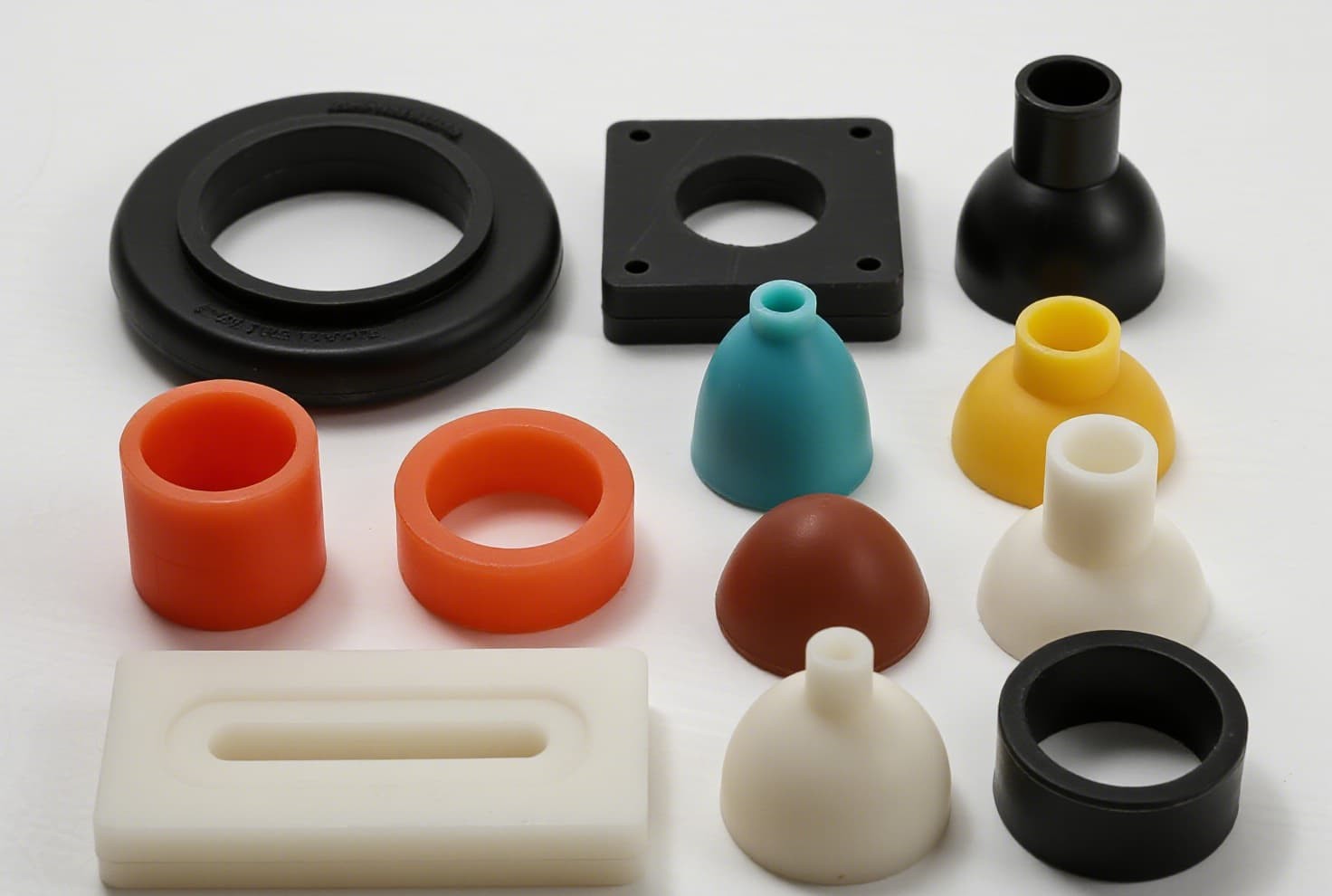
A vague request like "I need a silicone seal" almost always leads to rework. The best procurement results come from treating the seal as an engineered component, not a commodity. The clearer your specification, the faster the supplier can quote accurately and the lower the risk of dimensional or performance mismatches.
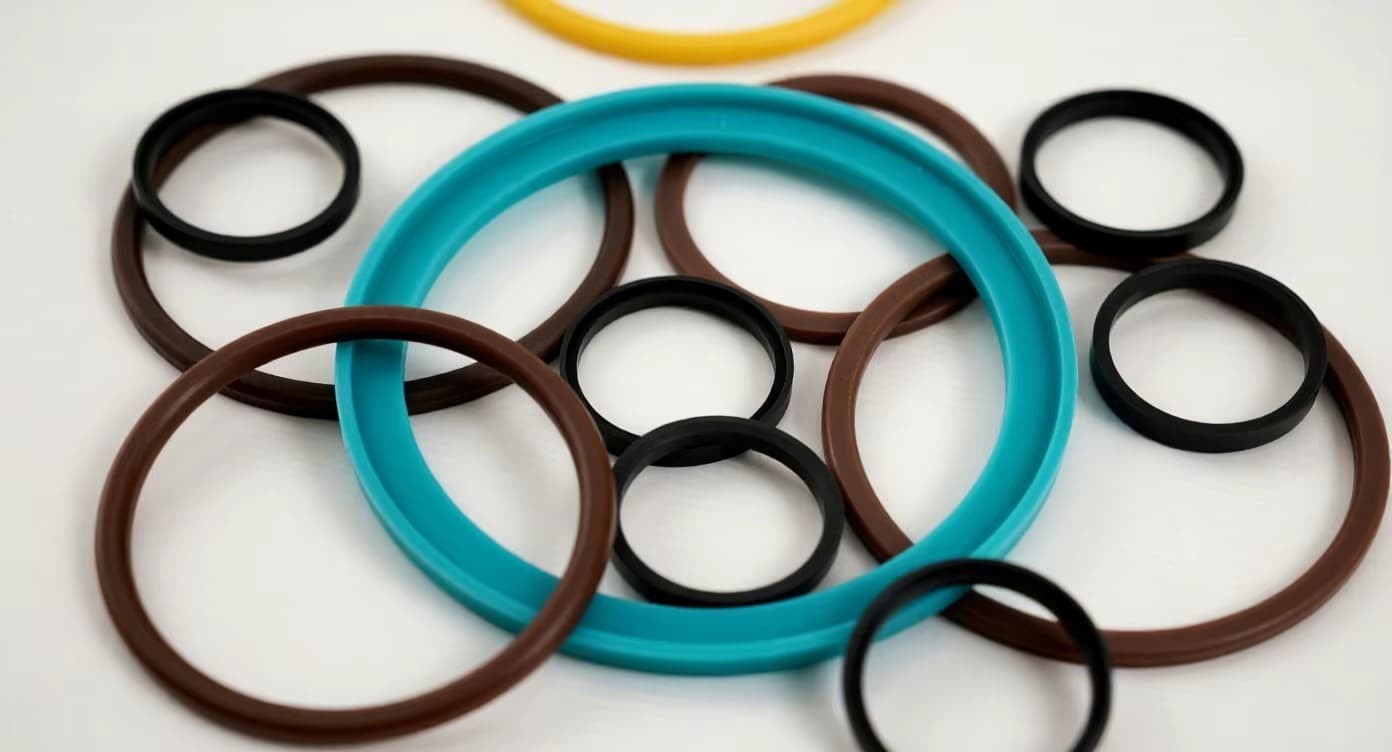
What to include in your RFQ for custom silicone seals
A complete request should answer these questions before the manufacturer asks them:
Provide a 2D drawing with tolerances, cross-section detail, and inner/outer diameters. For O-rings, specify AS568/BS1806/DIN standard if applicable. Non-standard profiles need a full 3D model.
State whether you need general-purpose VMQ, food-grade/FDA 21 CFR 177.2600, medical USP Class VI, high-temp, oil-resistant fluorosilicone, or conductive silicone. The wrong grade can cause swelling, outgassing, or compliance failure.
Specify Shore A target and tolerance, typically ±5. Static flanges often use 40-50 Shore A; dynamic or higher-pressure seals use 60-70 Shore A. See our related guide for a full decision matrix.
Include temperature range, pressure, media (water, oil, solvents, food, blood), movement type (static, reciprocating, rotary), and expected service life. These drive material selection more than geometry.
Tooling MOQs for compression molding typically start at 500-1,000 pieces. For extruded-and-joined rings or short runs, some suppliers offer no-MOQ prototype options.
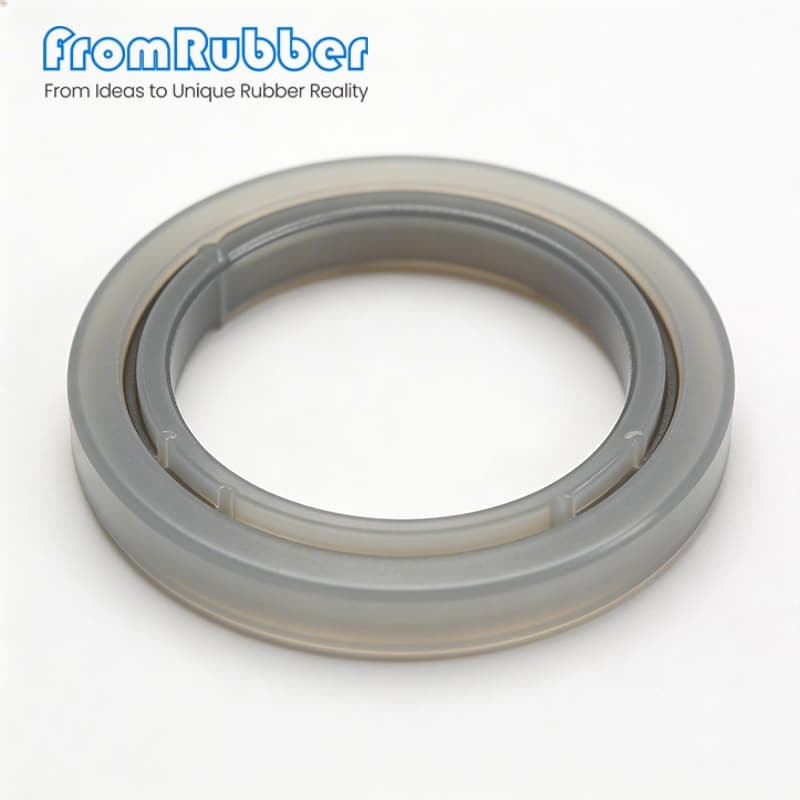
Case study: from incomplete spec to production-ready seal
An industrial automation buyer sent FromRubber a single JPEG of an existing seal and asked for 2,000 pieces "same as sample." The sample was a generic 50 Shore A VMQ O-ring, but the application was a gearbox vent seal exposed to synthetic oil mist at 120°C.
Without a material upgrade, the standard VMQ would have swelled and lost sealing force within weeks. We proposed fluorosilicone (FVMQ) at 60 Shore A, requested the mating groove drawing to verify 25% compression, and confirmed the need for ASTM D2000 classification. The customer added the groove dimensions and oil specification to the PO.
The result: first-article approval in one round, zero field failures after 18 months, and a 40% reduction in the customer's previous seal-replacement schedule. The total project moved from RFQ to shipping in 28 days.
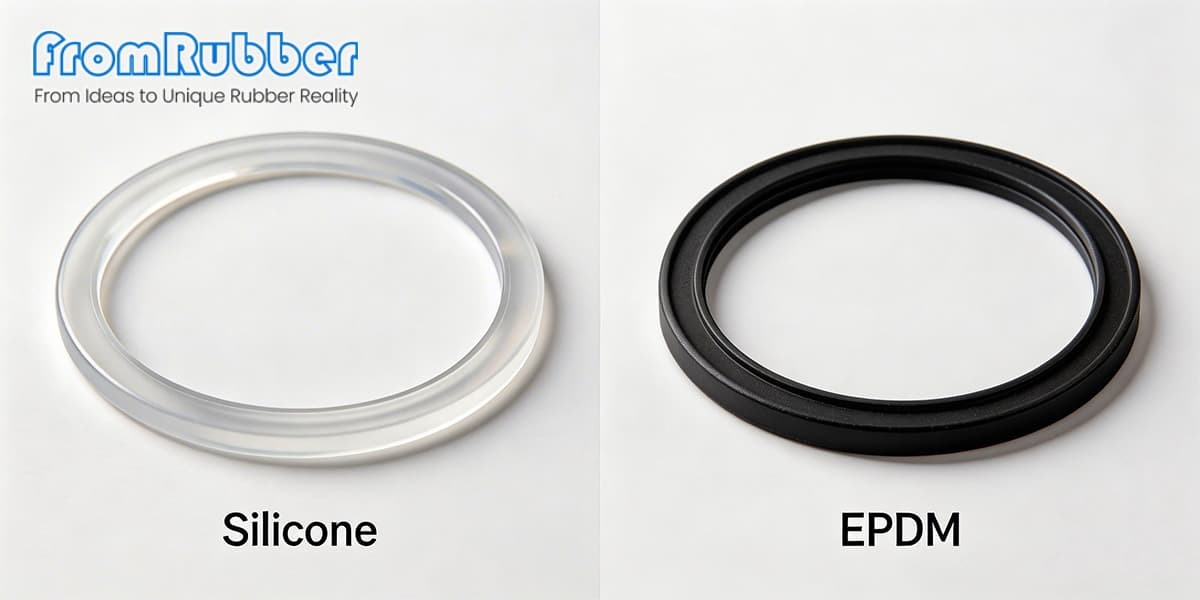
Typical lead time and MOQ by seal manufacturing method
Always ask for a first-article inspection report with dimensions, hardness, and visual confirmation before approving mass production. This single step prevents most downstream seal failures.