How to customize anti-slip silicone pads for industrial equipment?
- Share
- Issue Time
- Oct 7,2026
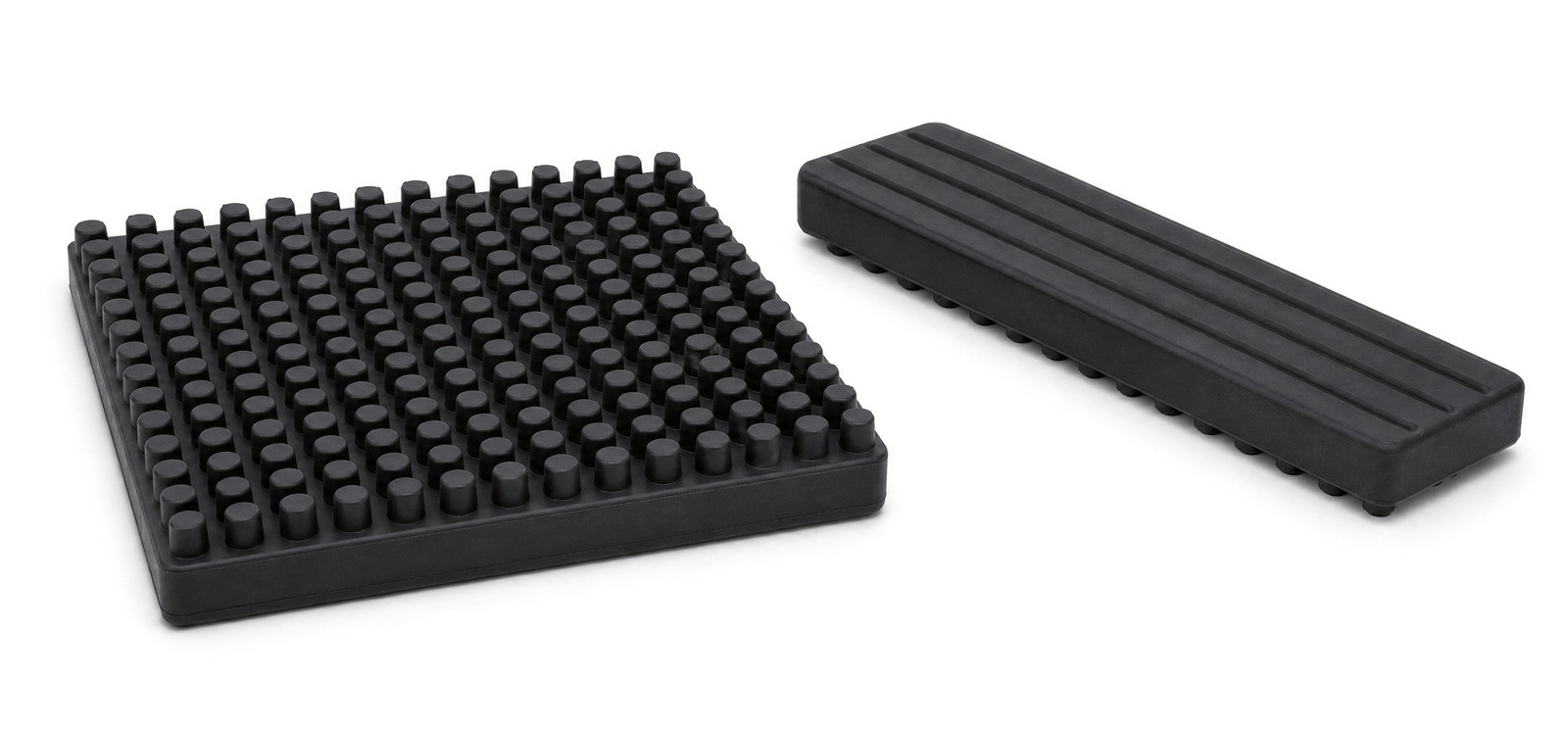
Equipment that walks across a floor or shifts on a workbench is not just an annoyance - it is a safety incident and a precision problem waiting to happen. Anti-slip performance comes from the combination of material, texture, and load matching, not from any single magic surface. Here is the engineering sequence we use to take an industrial anti-slip pad from sketch to production.
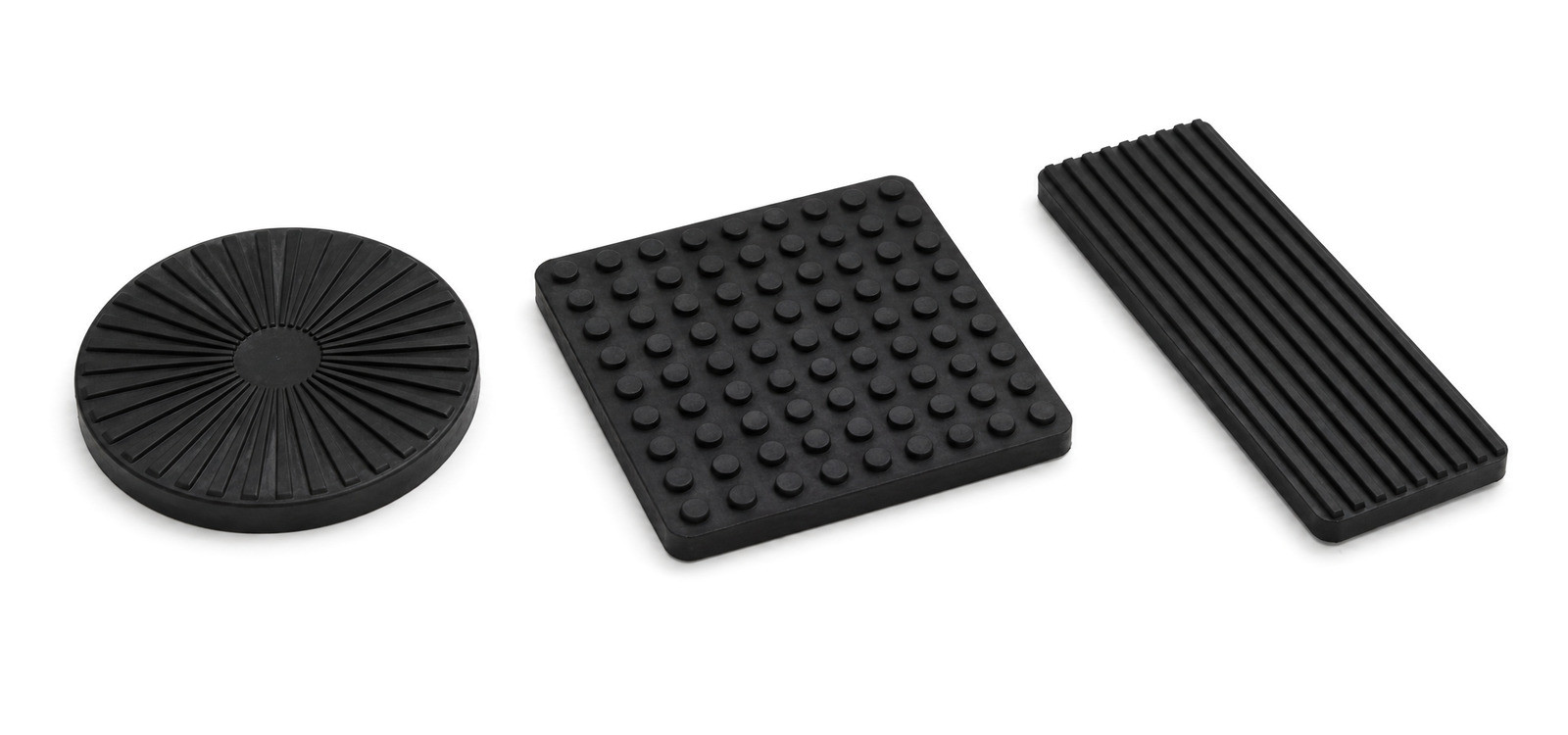
The 6-step customization process
Weigh the equipment and identify both mating surfaces (machined steel foot to polished concrete is very different from plastic housing to epoxy-coated flooring). Heavy machinery generally needs 6 mm+ pads; precision instruments need thin, soft, conformable layers instead.
Two mechanisms dominate: mechanical interlock (diamond or pyramid convex patterns that physically key into the counter-surface - best for heavy equipment) and viscoelastic energy dissipation (high-damping compounds with loss factor above 0.3 that grip by deforming - best for precision instruments and vibration isolation).
50-80 Shore A is the typical industrial range. Softer grades (50-60) spread load and increase real contact area; harder grades (70-80) resist chunking under sharp, point loads. Electronics bases generally require a verified static friction coefficient above 0.6.
Oil-soaked workshops need matte-surface, oil-resistant compounds (surface tension below 30 dyn/cm so oil films cannot form) and acrylic adhesive systems rather than silicone adhesives, which lose grip in oil. Food plants need FDA/LFGB material that tolerates caustic cleaning agents.
Options: adhesive backing (fast, but verify the temperature range of the adhesive - usually -10°C to +40°C for standard acrylic), bolt-through holes for permanent installation, or press-fit shapes that lock into equipment feet.
Run a small batch test on the actual equipment and floor. After installation, allow 72 hours of load pre-compression for internal structure stabilization, and schedule periodic inspection - a whitened, powdered pad surface means friction has already dropped by roughly 30%.
Case study: CNC machines that stopped walking in a machining workshop
A Mexican metalworking shop with 14 benchtop CNC mills had a recurring problem: after roughly 90 minutes of high-speed spindle running, vibration made the machines "walk" up to 15 mm across their epoxy-coated benches, drifting out of fixture alignment. Standard rubber feet hardened within months (the workshop runs at 45°C ambient near the spindles) and compressed felt pads did nothing for the vibration.
FromRubber supplied custom pads combining three features in one compression-molded part: a 60 Shore A high-damping VMQ body (loss factor 0.42 measured at 25 Hz), a diamond-convex bottom texture biting into the epoxy surface, and molded bolt-through holes aligned to the machine foot pattern. Verified static friction coefficient measured 0.78 on the actual bench surface. After installation, positional drift measured under 0.5 mm per 8-hour shift across the whole fleet, and the shop reported a noticeable drop in noise. The first set has now been in service 20 months with no pad replacement - the previous rubber feet needed changing every 4-5 months.
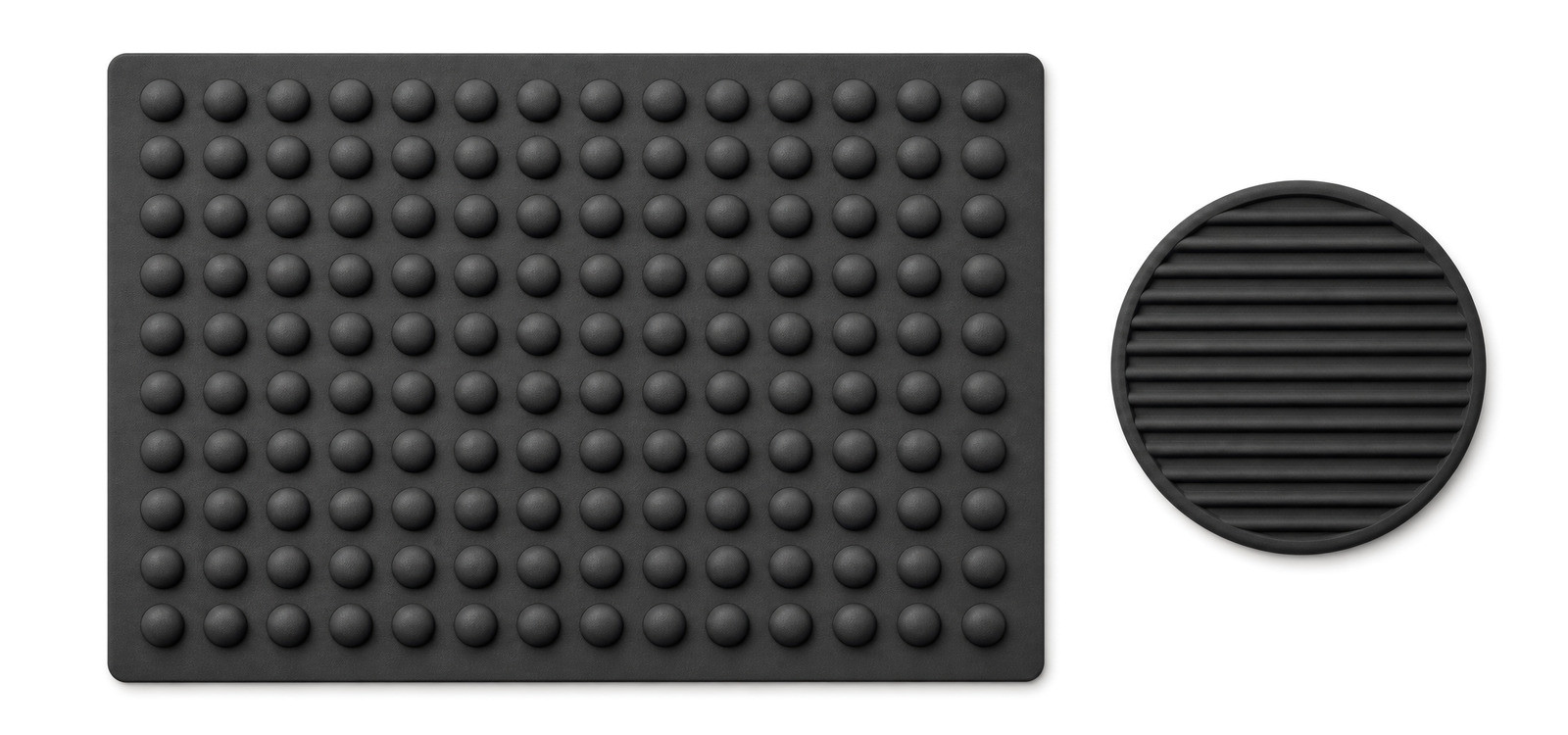
The data: pad specification by industrial scenario
One final engineering note: anti-slip performance must always be verified with the actual supported item and the real floor or bench surface, because finish, contamination, and loading direction all change how a combination grips. Send us your equipment weight, floor type, and photos - we will recommend a texture, hardness, and fixing method before any tooling is cut.