How To Choose The Hardness Of Silicone/Rubber Raw Materials
- Share
- publisher
- karl
- Issue Time
- Jan 8,2024
Summary
Silicone hardness selection follows three inputs, not a habit: the compression the joint can supply, the force the user can apply and the temperature in service. Why harder rarely fixes a leak.

Material selection / hardness - reviewed 11 November 2026
Silicone hardness selection is usually made with one number, and that number is usually copied from whatever the last product used. It should be derived from three things instead: the compression the joint can supply, the force the user can apply, and the temperature the part will see. Change any one and the hardness moves.
Hardness is expressed in Shore A for flexible elastomers, and a tolerance of plus or minus 5 points is normal. That tolerance is wide enough to matter, which is why hardness should always be quoted with it.
Definitions. Shore A hardness measures resistance to indentation on a scale from soft to hard within flexible rubber. Compression set is the permanent deformation left after a part has been squeezed at temperature, and it worsens as hardness drops. A seal needs enough softness to conform and enough hardness to resist set, and hardness selection is the balance between the two.
Sealing parts: follow the compression
A joint that can only supply a small squeeze needs a soft compound, because a hard part will not conform to the mating surface. A joint with a defined groove and plenty of compression can take a harder compound, which resists set and extrusion better. Choosing hardness before knowing the joint is choosing blind.
Pressable parts: follow the hand
A key or a button needs to move under the force the user will apply, which is why glove use pushes hardness up and a light-touch consumer device pushes it down. On a keypad, hardness and web geometry act together: a harder compound raises force without changing the snap, and a thinner web lowers force without changing the compound.
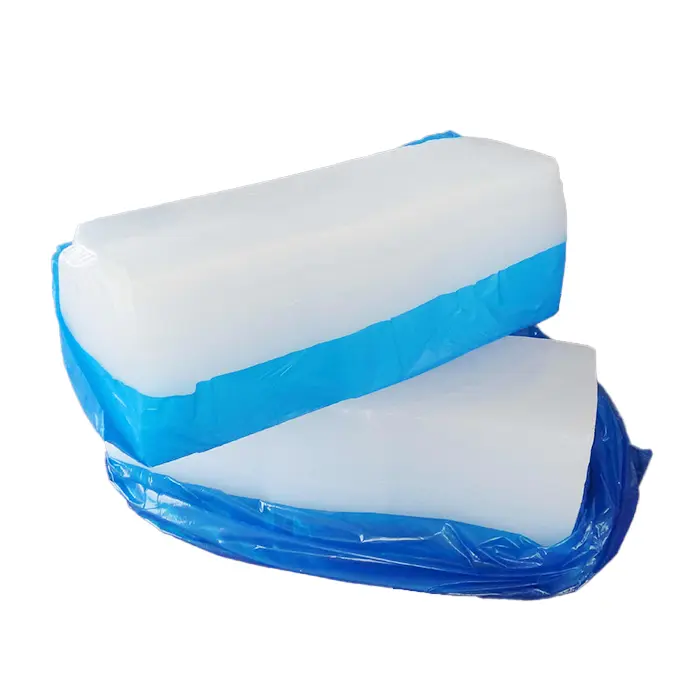
Silicone hardness selection by application
| Application | Working range | Reason |
|---|---|---|
| Soft skin-contact parts | Softer end of the range | Comfort and conformity |
| Keypad webs | Mid range | Balance of force and return |
| Gaskets with light compression | Mid to soft | Conforming to the mating face |
| Gaskets with defined grooves | Mid to hard | Resistance to compression set |
| Gloved industrial keys | Harder end | Feedback through a glove |
| Rollers and wheels | Harder end | Wear resistance and shape retention |
Temperature shifts the effective hardness
Silicone stiffens as it cools, so a compound that feels correct at 20 degrees can be noticeably harder at minus ten. For outdoor or cold-store products, the hardness should be specified with the service temperature range attached, and the first article measured at both ends if the part is force-sensitive.
Colour and hardness interact
Pigments and fillers affect both cure and final hardness. A colour change is therefore a material change that may need a fresh force check, even when the compound family is the same. That is why a colourway is not a purely cosmetic decision on a pressed part.
Why "harder" rarely fixes a leak
When a gasket leaks, the instinct is to specify a harder compound for better resistance. Harder rubber conforms less, so a joint with marginal compression leaks more. The diagnostic question is whether the part is being squeezed enough, not whether it is hard enough. If the compression is right and the leak persists, the medium or the surface finish is the more likely cause.
Commissioning a compound
Send the application, the compression and the temperature range, and ask for hardness with tolerance stated in writing. The custom silicone rubber parts range covers the formats, and the production process overview shows where the compound is fixed in the programme.
What does Shore A 50 mean?
It is a mid-range flexible hardness. The practical meaning depends on the part: the same 50 Shore A feels soft as a large pad and firm as a small button.
Can hardness be adjusted after tooling?
Within a narrow band by changing compound, but every change requires a fresh force or compression check. A large change usually needs a new tool.
Hardness recommendations depend on the joint, the force and the temperature together. Final selection should be confirmed by a trial part measured in the intended application.
For a compound selection, send the application and temperature range through the custom silicone quotation route.