Rubber&Plastic keypad Company Development
- Share
- publisher
- karl
- Issue Time
- Feb 23,2024
Summary
A rubber keypad manufacturer grows either by adding machines or by adding capability, and only the second changes what it can make. How to read a capability claim, and the questions that separate a machine count from a process.

Manufacturing capability / supplier growth - reviewed 11 November 2026
A rubber keypad manufacturer grows in one of two directions: it adds machines, or it adds capability. The first is visible in photographs of a shop floor; the second is visible in what the factory can answer about tooling, materials and measurement. For a buyer, only the second changes what the supplier can do for a new part.
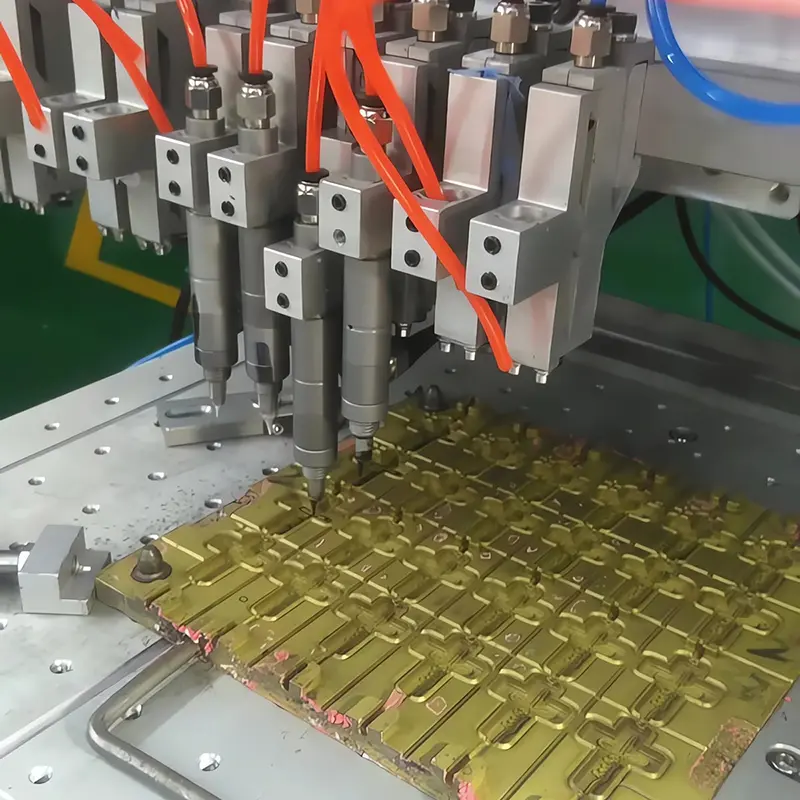
Machining capacity is the most common claim in this industry and the least diagnostic, because almost every factory has a CNC cell somewhere. What matters is whether that cell feeds the mould shop or just repairs tools.
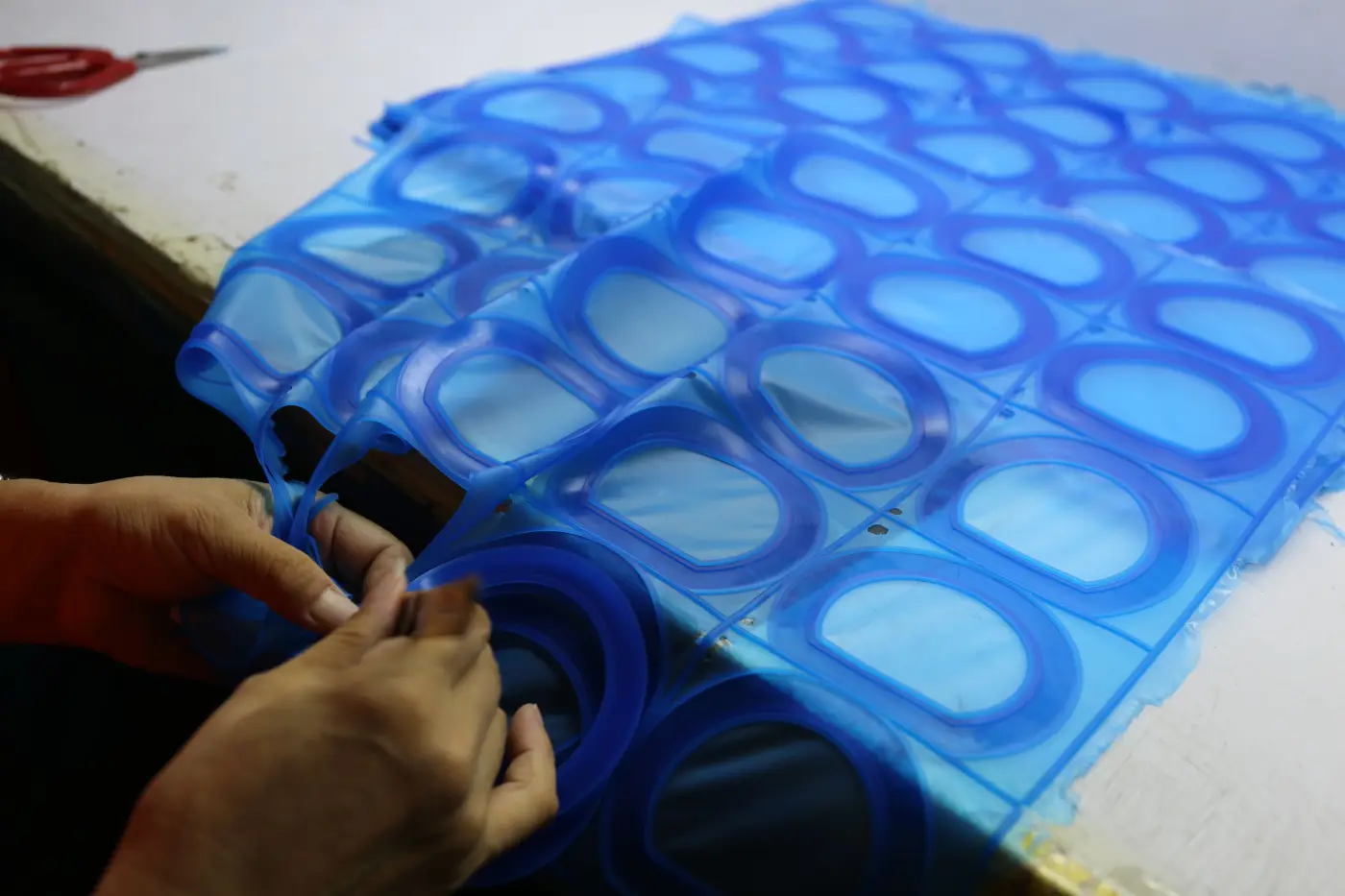
Definitions. A rubber keypad manufacturer converts compound into moulded panels and usually controls the tooling as well. In-house tooling means the mould is designed and machined on the supplier's own site, which shortens change cycles. Capability, as opposed to capacity, is the range of materials, geometries and tests the factory can handle without subcontracting.
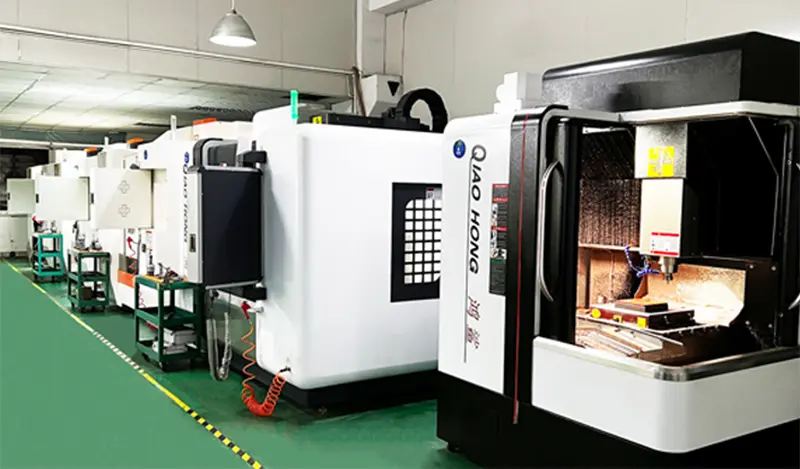
What growth actually looks like in a rubber keypad manufacturer
| Signal | Why it matters to a buyer |
|---|---|
| In-house cavity machining | Shorter tool changes and faster response to a design revision |
| Material range held | Fewer substitutions and faster sampling in the right compound |
| Force and resistance testing on site | First articles that report data rather than appearance |
| Printing and coating in the same building | One handover instead of three, and one party accountable for wear |
| Documented tool register | Repeat orders quoted against the original cavity |
Machines scale output; capability scales the product
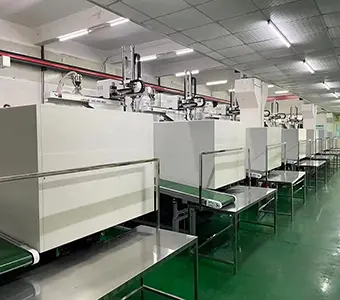
Adding presses increases the number of parts a factory can make of the products it already makes. Adding a testing bench, a print line or a second material family increases the kinds of parts it can make at all. The second is what lets a supplier take on a medical panel, a backlit keypad or a two-shot part without sending work out.
Where a growing factory still fails
Capacity added faster than process control produces shipments that pass inspection and fail in service. The tell is a first-article report that lists dimensions but not force or contact resistance, which suggests the measurement culture has not kept pace with the machine count.
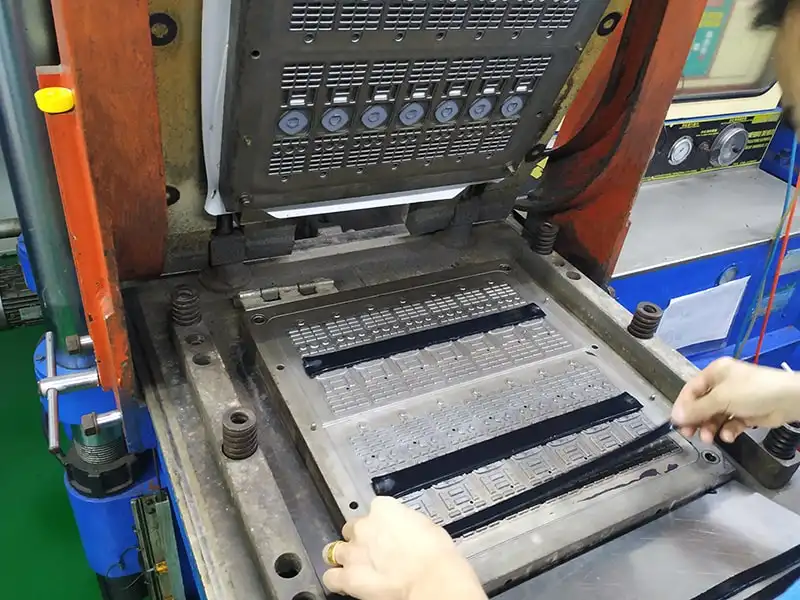
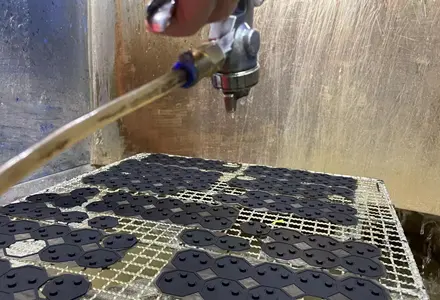
Reading a capability claim
A claim of "full in-house production" should be met with a list: design, tooling, moulding, printing, coating, laser marking, inspection, assembly. Any honest factory will name the one or two steps it sends out, and naming them is a sign of control rather than weakness. A factory that claims all eight without qualification is usually counting a supplier it has worked with for years as part of its own line.
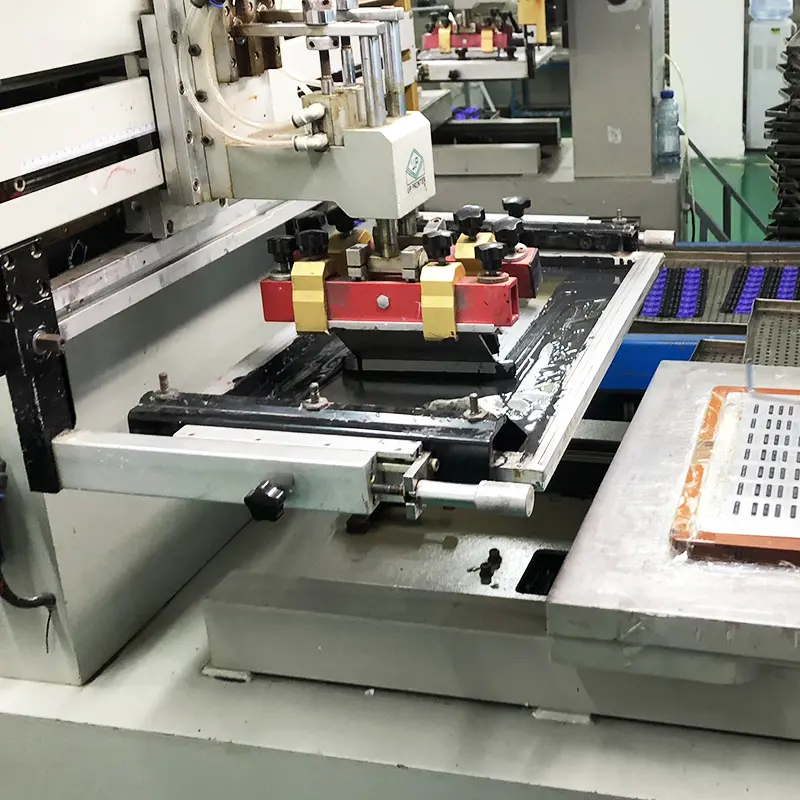
Commissioning with a growing supplier
Ask for the capability list before the price, and match it to the part. The production process overview describes how the steps connect, and the silicone keypad manufacturing section covers the keypad-specific route.
Does more machinery mean better quality?
No. Capacity increases output; quality comes from tool maintenance, process control and inspection. The two grow separately.
Why does in-house tooling matter?
A design revision can be cut and trialled without a handover, which shortens the loop between a sample and a working part.
Capability descriptions here are general to the industry. A specific supplier's claims should be verified through a plant visit, a tool register extract and a first-article report.
For a capability review, send the part drawing through the custom silicone quotation route.