What other silicone products can we make besides keyboards!
- Share
- publisher
- karl
- Issue Time
- May 17,2024
Summary
Silicone products beyond keypads share the same three capabilities: a moulded skin, a graphic and a substrate. Which families transfer with almost no new capability, and which need a two-shot tool or an assembly line.

Product range / capability - reviewed 11 November 2026
A keypad factory is not limited to keypads, but the products it can make well follow from the same three capabilities: a moulded skin, a printed or moulded graphic, and a hard or soft substrate behind it. Everything else is a variation on that stack.
The question worth asking is not "what else can you make", but "which of my products uses the same process chain". That answer decides whether a new item is a small extension or a new programme.
Definitions. Silicone products beyond keypads are parts that use the same compression or liquid silicone moulding route but are not input panels: character keychains, coasters, labels, cases, grips and promotional items. A two-shot part combines a hard substrate with a soft silicone skin in one tool. A moulded graphic is a colour formed by the cavity rather than applied by print.
What transfers directly
Anything that is a moulded silicone skin with a graphic on it transfers with almost no new capability: keychains, tags, coasters, case covers, grips and small promotional items. The tool differs; the compound, the printing line, the deflashing and the inspection are the same.
What needs a new capability
Parts that combine materials, such as a silicone skin over a plastic shell, need a two-shot tool or a bonding step. Parts with metal inserts need insert loading and a different ejection strategy. Parts with electronics inside need an assembly line, not just a moulding line.
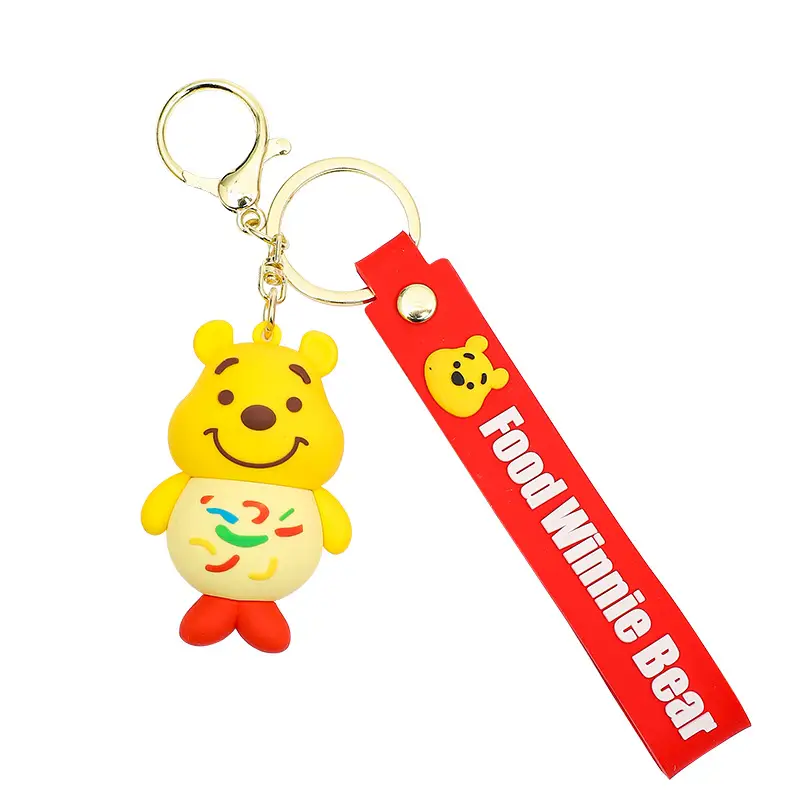
Silicone products beyond keypads that share the process
| Family | Shared capability | New requirement |
|---|---|---|
| Character keychains and tags | Moulding, moulded colour | Hardware attachment, small-part inspection |
| Coasters and mats | Moulding, print | Flatness control on large thin parts |
| Cases and covers | Moulding, texture | Fit tolerance to the device |
| Labels and patches | Moulding, print or laser | Adhesive or sew channel |
| Two-shot grips | Moulding | Second shot tool, bond control |
Why the tool, not the material, sets the price
Two products in the same compound can differ by an order of magnitude in tool cost because of cavity count, undercuts and the number of colours. A character keychain with a two-colour mould and a metal ring is a small, complex tool; a coaster is a large, simple one. Judging them by weight or by material gives the wrong answer every time.
Small parts have their own inspection problem
A keychain is inspected for flash on a face the customer will photograph, and a coaster is inspected for flatness across a large area. Those are different standards, and a supplier with one cosmetic standard for everything will either over-reject the coaster or under-reject the keychain.
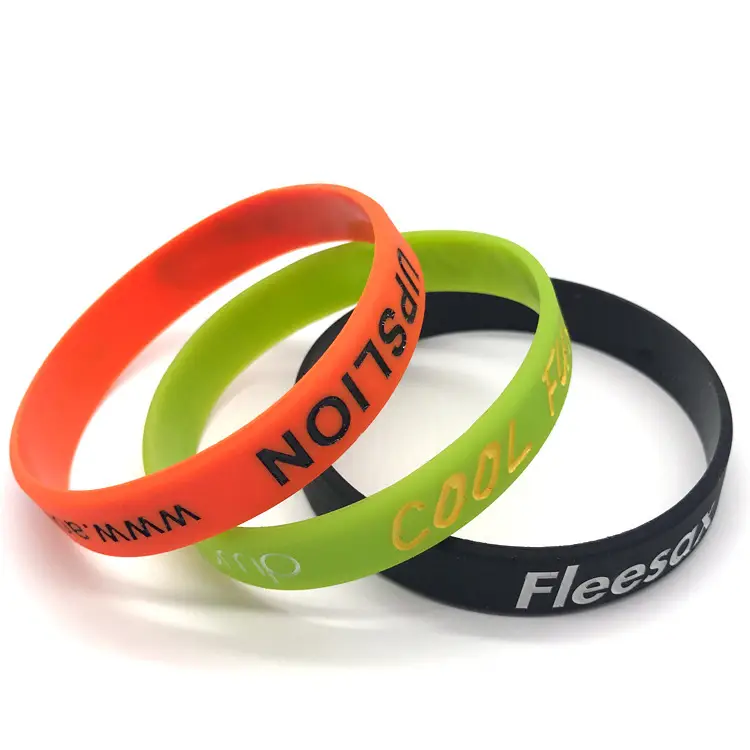
Commissioning an adjacent product
Send the concept, the volume and the cosmetic face; the process route follows from those three. The custom silicone rubber parts range covers the families described here, and the production process overview shows how the steps connect.

Can a keypad factory make a keychain?
Usually yes, because the moulding and printing capability is the same. What changes is the tool, the attachment hardware and the cosmetic standard.
Do all silicone products use the same compound?
No. Hardness, colour and food or skin contact requirements vary, and a compound chosen for a keypad web is rarely the one chosen for a soft grip.
Capability statements describe process fit, not a product catalogue. A specific item should be quoted against its own drawing and volume.
For an adjacent product, send the concept and volume through the custom silicone quotation route.