Silicone Forehead Patches Reusable Application
- Share
- Issue Time
- Aug 20,2024
Summary
Silicone forehead patches live or die at the edge. Sheet thickness, die-cut quality, release liner and the cleaning method decide whether the third use is as good as the first, and reuse claims should carry a number.

Beauty accessories / patch design - reviewed 11 November 2026
Silicone forehead patches are simple products with an unforgiving requirement: they must stay on a moving face for hours and then be washed and reused without curling at the edge. The material is not the difficulty. The adhesion band, the release liner and the die-cut outline are.
Reusable patches sit in an awkward category between skincare and accessories. They are judged on comfort, on how they look in a bathroom mirror, and on whether the third use is as good as the first.
Definitions. A silicone forehead patch is a thin moulded or die-cut silicone sheet applied to the skin for a period and then removed and reused. The adhesion band is the smooth perimeter that contacts the skin; a textured or embossed face elsewhere reduces contact area. A release liner is the film that protects the adhesive-free silicone surface before use and keeps the edges from curling in the pack.
Thin enough to follow the face
A patch that is too thick lifts at the edges when the forehead moves, and a lifted edge is the complaint that ends repeat purchase. The practical range is a sheet thin enough to drape over the brow without memory of its own, with a smooth contact face and a slightly textured outer face so it does not cling to itself in the pack.
The edge is the whole product
Every failure starts at the perimeter: a die-cut that leaves a feathered edge, a liner that pulls the edge when peeled, or a wash that curls it permanently. A clean cut, a radius at every corner and a liner that releases at low peel force are what make a patch reusable rather than disposable in practice.
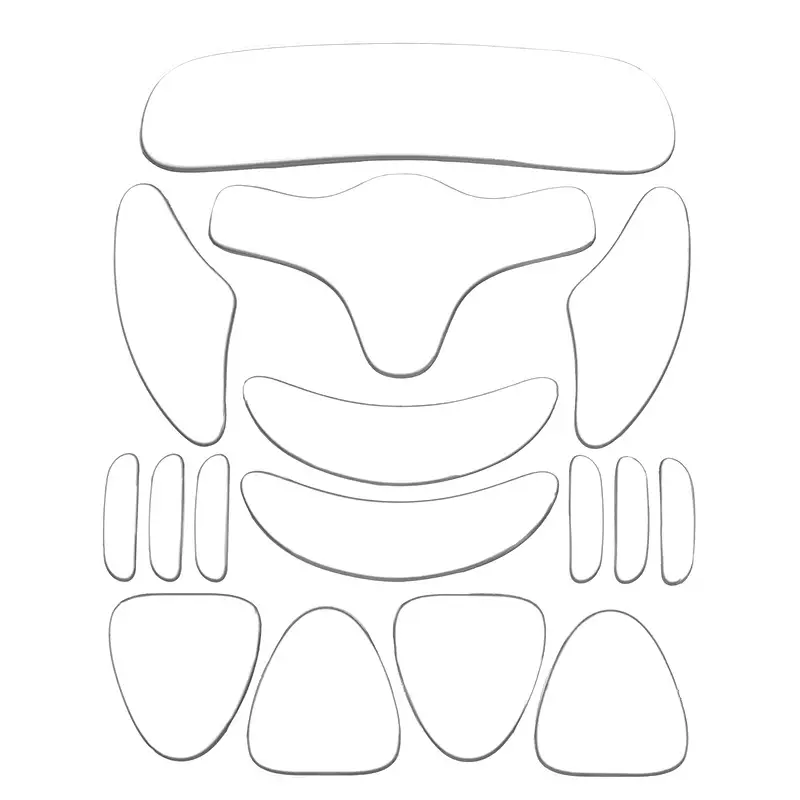
What decides whether a patch is reusable
| Factor | Requirement | Failure if missed |
|---|---|---|
| Sheet thickness | Thin enough to follow the brow | Edge lift within the first hour |
| Contact face | Smooth, with no texture at the band | Patch slides or will not seat |
| Edge cut | Clean die-cut, radiused corners | Feathered edge that curls after washing |
| Release liner | Low peel force, sized beyond the patch | Edge damaged at unpacking |
| Cleaning | Mild soap, air dry, no towel rub | Stretch and permanent wave in the sheet |
Skin contact is a material statement
A patch worn for hours is a skin-contact product, so the compound and the cure matter more than the colour. Platinum-cured silicone with a documented skin-contact reference and a full post-cure is the defensible route; an under-cured sheet smells and can irritate. The declaration should be tied to the production batch, not to a compound family.
Reusability is a claim with a number
"Reusable" is meaningless without a count and a cleaning method. Ten uses with mild soap and air drying is a testable claim; "reusable many times" is not. Brands that publish the count and the cleaning step get fewer complaints, because the customer knows what the product expects.
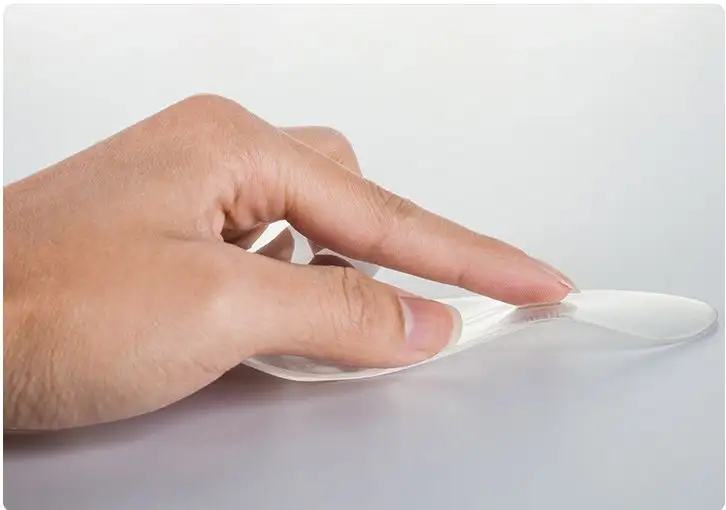
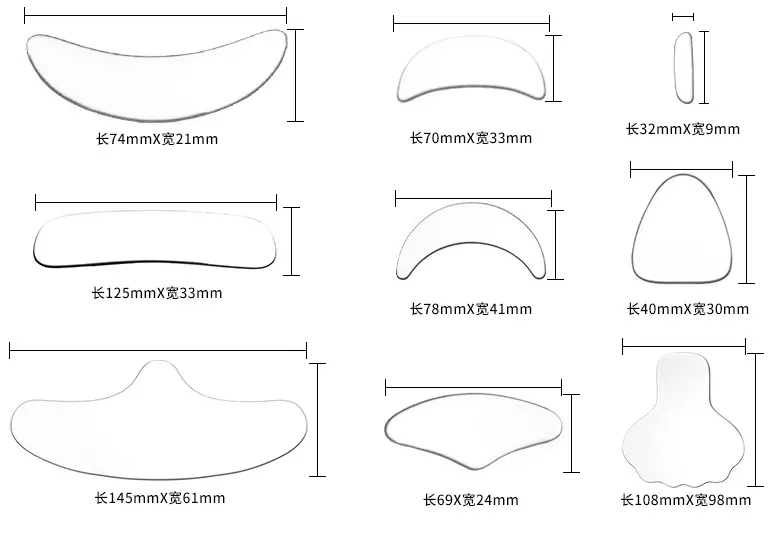
How silicone forehead patches are made
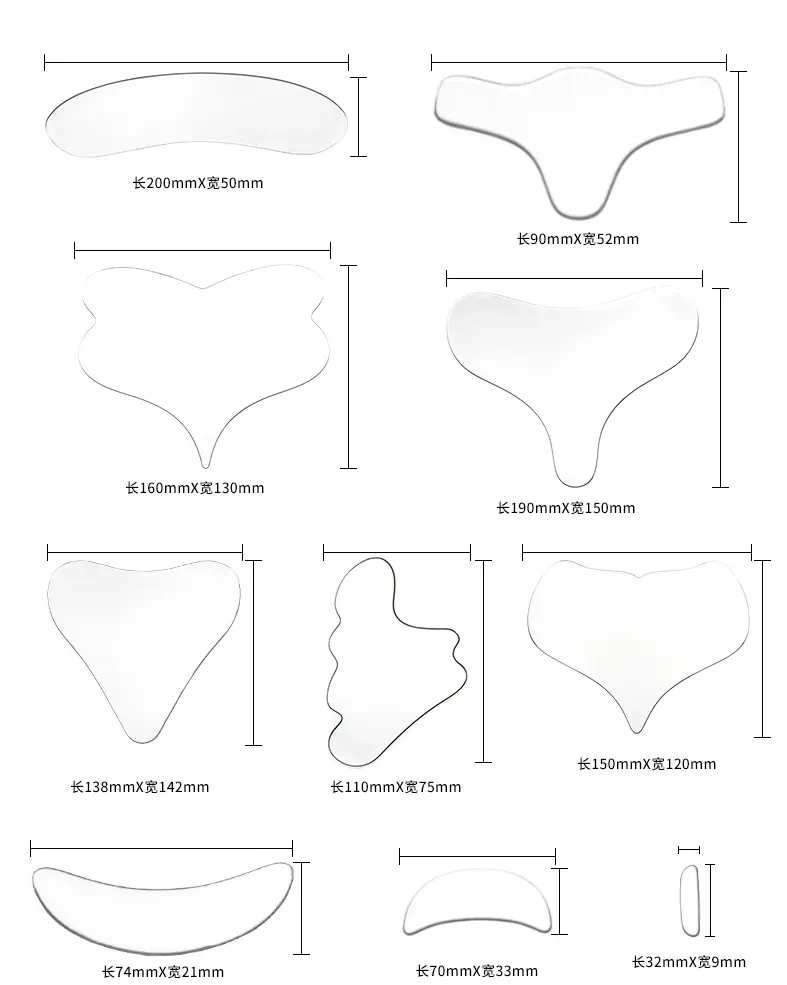
Two routes dominate. Die-cutting from a cured sheet is cheap, fast and suits flat outlines, which is why most forehead shapes are cut rather than moulded. Moulding allows a contoured patch or a moulded texture, at the cost of a tool and a longer sample cycle. A hybrid approach, a moulded contour with a die-cut perimeter, is used where the patch must follow the brow but the edge must stay clean.
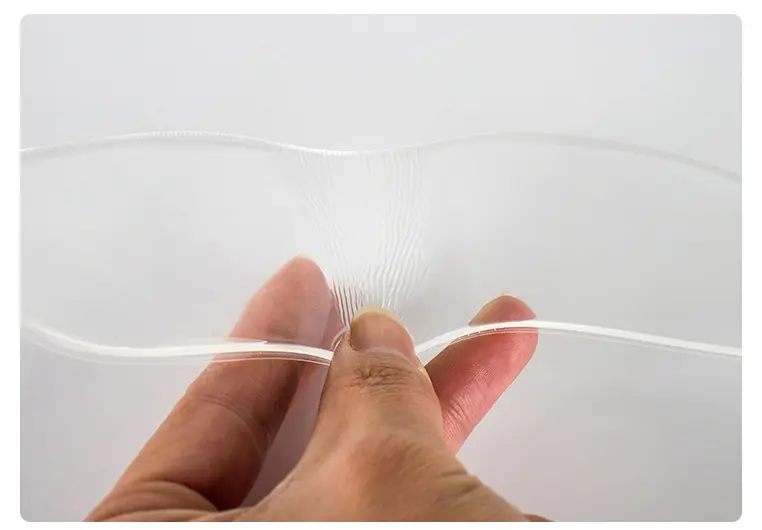
Commissioning a forehead patch
Send the outline, the thickness and the claimed reuse count. The custom silicone rubber parts range covers thin-sheet formats, and the production process overview explains the die-cut and moulded routes.
Are silicone forehead patches reusable?
Yes, if the edge is cleanly cut and the sheet is washed with mild soap and air dried. Reuse count should be stated and tested rather than implied.
Why do the edges curl?
Usually a feathered die-cut, a liner that peels too hard, or washing with hot water and towelling dry. All three damage the same perimeter.
Is the material safe for skin contact?
Platinum-cured silicone with a documented skin-contact reference and full cure is the usual specification. Ask for the declaration tied to the production batch.
Skin-contact declarations and reuse claims depend on the specific compound and the cleaning method. They should be confirmed against the material documents and a use test.
For a patch programme, send the outline and thickness through the custom silicone quotation route.