Airpods 4 Anti-Drop Silicone Cover in stock | Rubber Product Manufacturer
- Share
- publisher
- karl
- Issue Time
- Sep 20,2024
Summary
An anti-drop silicone cover is judged on impact where the case lands and on whether the lid still closes. Corner build-up, hinge relief, port clearance and the difference between opaque and transparent silicone.

Consumer accessories / earbud cases - reviewed 11 November 2026
An anti-drop silicone cover for an earbud charging case is judged on two things that pull against each other: how much impact it absorbs, and whether the case still closes, charges and clips into a pocket. Thick silicone absorbs more and fits worse. The design work is putting material where the case actually lands, and leaving none where it has to seal.
The category is competitive and visually driven, which is why most covers are sold on colour. The ones that get repeat orders are the ones where the hinge still works after a month.
Definitions. An anti-drop silicone cover is a moulded sleeve that wraps an earbud charging case to absorb impact and protect the shell. The split line is the seam between the top and bottom halves of the cover, and it sits over the case hinge. Interference is the amount by which the cover is smaller than the case, and it is what keeps the cover on without adhesive.
Where the impact actually lands
A charging case dropped from pocket height lands on a corner or an edge, not on the face. Material added evenly across the back adds weight and thickness without improving the drop result; material concentrated at the four corners and the rim absorbs the energy where it arrives. That is also where a thin cover splits first, because the moulded wall has the least support there.
The hinge and the charging port decide the fit
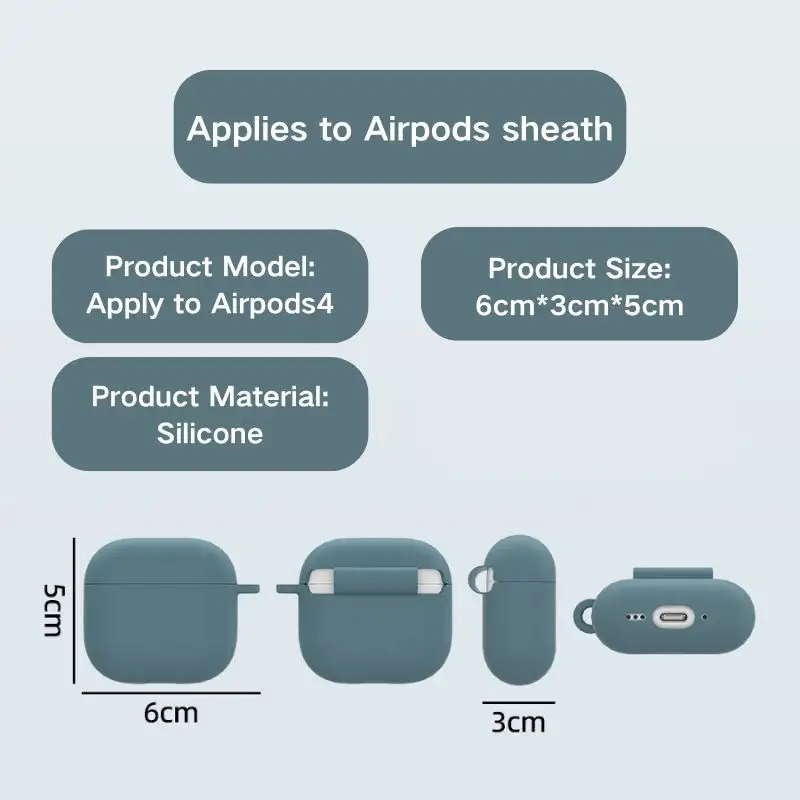
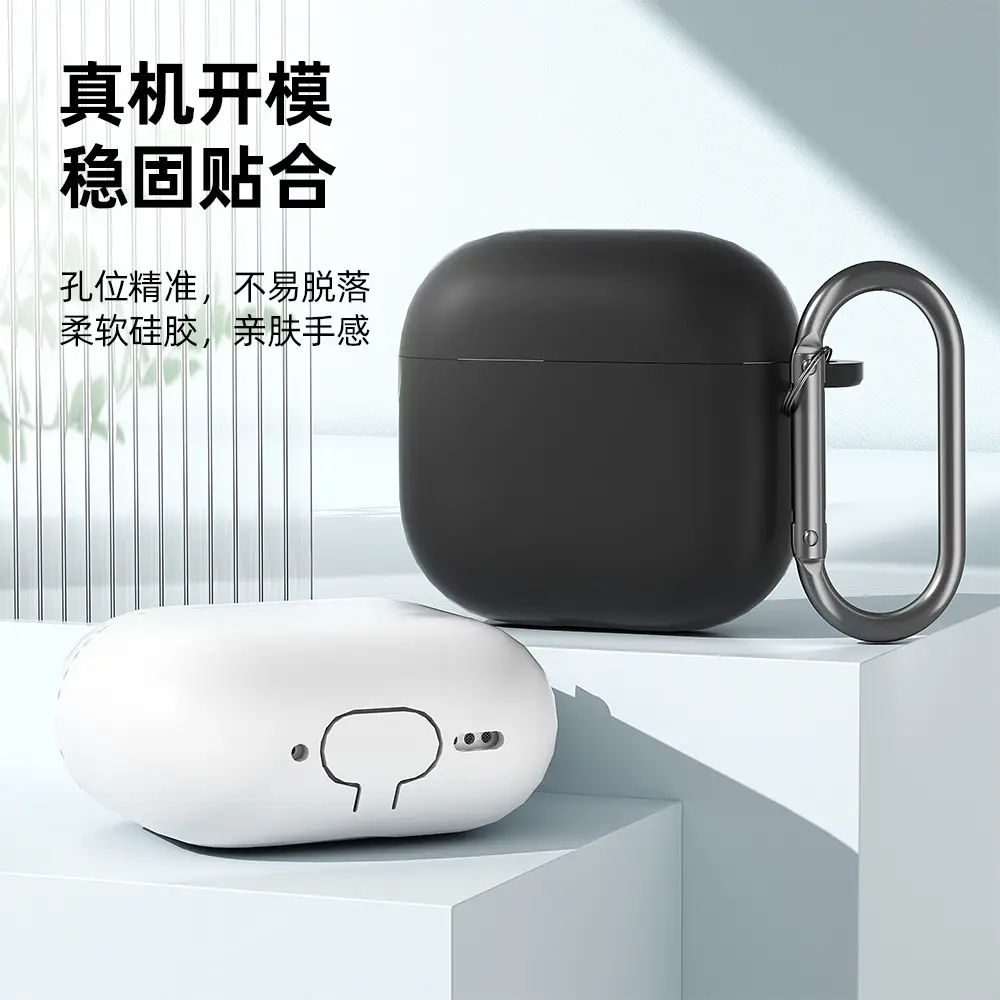
A cover that bridges the hinge will hold the lid slightly open, which stops the case charging cleanly and wears the hinge. A split line that follows the hinge, with a small relief at the pivot, keeps both halves independent. The port opening, in turn, has to clear the plug shell rather than just the socket, because a cable connector is larger than the hole it enters.
What separates a cover that lasts from one that does not
| Feature | Design decision | Symptom when wrong |
|---|---|---|
| Corner wall | Local build-up, radius carrying load into the side | Corner splits or the case shell cracks anyway |
| Hinge relief | Split line at the pivot, no bridging material | Lid sits open, charging fails, hinge wears |
| Port opening | Clearance for the plug shell, not the socket | Cable will not seat, or the cover tears at the edge |
| LED window | Thin wall or a moulded clear window | Status light unreadable |
| Surface | Matte or lightly textured | Gloss shows fingerprints and slips out of a hand |
Transparent is the hardest colour to get right
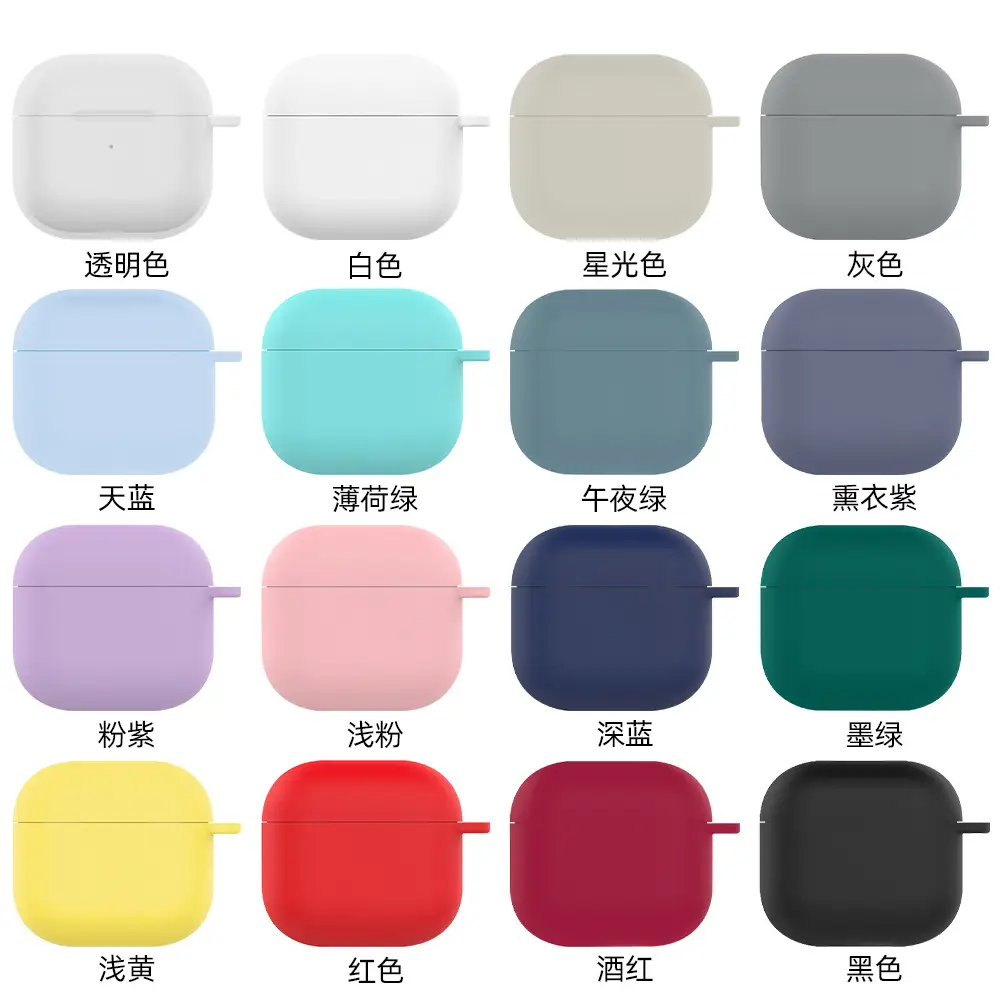
Clear silicone shows every internal mark: the parting line, the flow pattern and any dust trapped during moulding. A transparent cover therefore needs a cleaner tool and a tighter cosmetic standard than an opaque one, and it usually costs more despite looking simpler. Brands often launch opaque and add clear later for exactly this reason.
Colour is a run, not a tool
Because the colour is moulded, a new colourway is a minimum production run against the same tool. That is what makes a sixteen-colour range feasible, and it is also why a brand should launch with a narrow palette and add seasonal colours once sell-through is known.
Keeping it clean
Silicone picks up lint in a pocket, and a matte surface picks up less than a gloss one. A lightly textured exterior wipes clean and hides handling marks, while a smooth interior helps the cover slide on without trapping air. Both are mould decisions, not finishing decisions, so they belong in the tool review.
Commissioning an anti-drop silicone cover
Send the case model or a physical unit, the hinge drawing and the drop target. The custom silicone case family covers the format, and the earphone charging case cover page shows a comparable build.
Does a thicker cover protect better?
Not automatically. Thickness at the corners and the rim helps; uniform thickness mostly adds bulk and can stop the lid closing properly.
Will a cover interfere with wireless charging?
A thin silicone cover generally does not, but a thick one with a metal insert or a magnetic plate can. The charging test should be run with the cover fitted.
Why does a clear cover look scratched quickly?
Clear silicone shows internal marks and surface scuffs that opaque colours hide. A slightly matte finish and a cleaner tool reduce the effect.
Drop performance depends on the case, the cover and the surface struck. Any claim should be based on a test of the assembled product rather than on material data.
For an accessory programme, send the case model and colour plan through the custom silicone quotation route.