8-Year Contract, 80% Supply Share: How FromRubber Won Over a German Heavy Machinery Giant with Its "Three No's Principle"
- Share
- publisher
- Suey
- Issue Time
- Jun 25,2026
Summary
A heavy machinery silicone panel programme has run eight years at more than 80 percent of one customer's silicone spend. This analysis looks at the three terms that hold a relationship like that together: in-house process ownership, written tool exclusivity, and what a supplier does when an enquiry belongs to its customer.
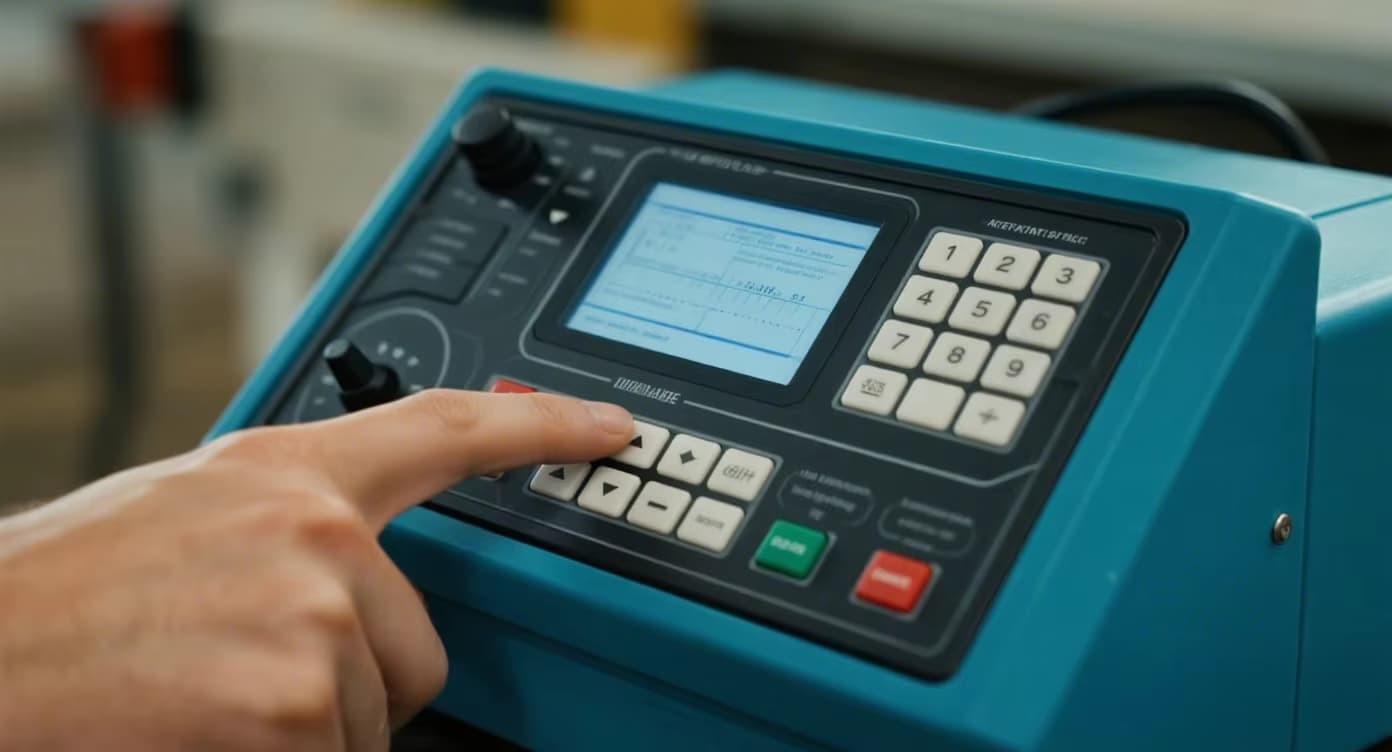
Supply relationships / heavy machinery HMI - reviewed 11 November 2026
A heavy machinery silicone panel programme that runs for eight years at more than 80 percent of a customer's silicone spend is not held together by price. In this case it rests on three things a buyer can check before the first purchase order: who owns the process, who owns the tool, and what the supplier does when an enquiry arrives that belongs to its customer.
FromRubber supplies silicone panel keypads to a German manufacturer of heavy machinery controllers. The account is eight years old. Annual purchases sit in the range of RMB 300,000 to 400,000, and more than 80 percent of that customer's silicone purchasing goes to this one factory. The absolute value is modest. The concentration is the interesting part, because it means the buyer stopped shopping.
Definitions. A heavy machinery silicone panel is a moulded silicone keypad bonded into the control housing of construction, agricultural or material-handling equipment, where legends, tactile response and sealing are produced by the same tool. Process ownership means the supplier performs design support, tooling, moulding, printing, coating and finishing inside its own plant instead of passing work between subcontractors. Tool exclusivity is a written commitment that a customer-funded mould is used for that customer only.
Facts this article is built on
- The relationship has run for eight years, with more than 80 percent of the customer's silicone spend placed with a single supplier.
- Orders run at RMB 300,000 to 400,000 a year, a volume that keeps one tool set busy rather than several.
- Production stays in-house across design, moulding, screen printing, coating, laser engraving and adhesive backing.
- The supplier's stated policy is that a customer's mould is never used for a third party, even when another product looks identical.
- A terminal-user enquiry for finished controllers was referred to the customer rather than quoted, and the offer of a referral fee was declined.
What a heavy machinery silicone panel has to survive
Legends fail before the rubber does
On a machine that runs shifts, the failure that ends a panel's life is rarely a torn key. It is a legend that has worn to a ghost, a key that has gone shiny and slick under a glove, or a backlight that reads unevenly across the row. All three are finishing decisions: ink system, cure, surface texture and the coat that sits over the print. A supplier that prints in-house can change those variables on the same line that moulds the part, which is why process ownership shows up first as legend life rather than as a certificate.
Cleaning chemistry and UV sit inside the duty cycle
Agricultural and construction equipment gets washed with whatever is in the yard, then left in the sun. Silicone tolerates that better than most elastomers, but the printed layer and the adhesive behind the panel do not automatically inherit that tolerance. When a drawing is reviewed, the questions worth asking are what the panel is cleaned with, how often, and whether the machine works outdoors year round. Those answers belong in the specification, not in a complaint eighteen months later.
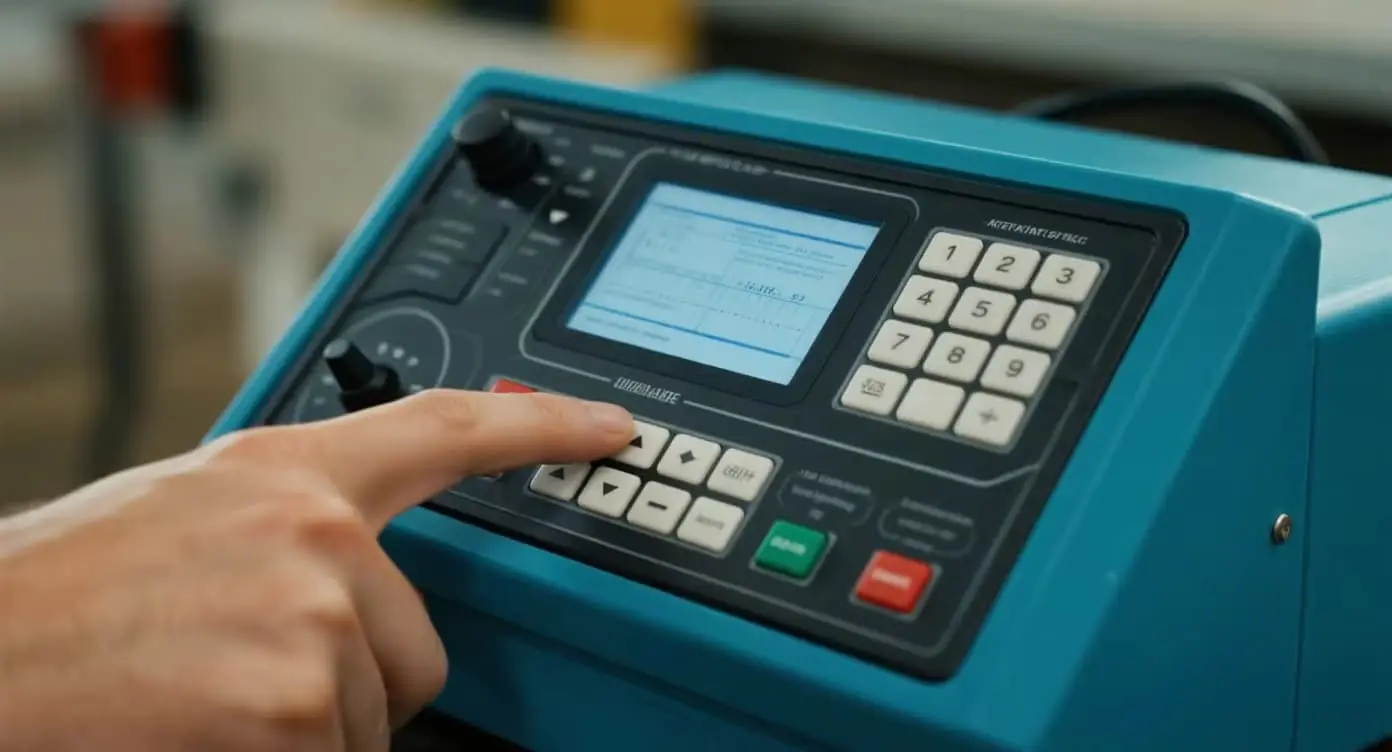
The practical consequence is that a heavy machinery silicone panel is specified as a system, not as a part number. Housing tolerance, panel thickness, adhesive choice and legend cure have to be agreed together, because a panel that seals perfectly in a sample housing can leak once the housing is moulded by a second supplier with a wider tolerance band.
Three contract terms that decide whether the relationship lasts eight years
Longevity in this segment comes from terms that are easy to write and easy to skip. The table below is the version a buyer can put in front of a supplier without needing a legal team.
| Term | What it protects | What to put in writing |
|---|---|---|
| Process ownership | Lead time and the number of freeze points between drawing and shipment | A list of which steps are subcontracted, and a change-notification rule for any new subcontractor |
| Tool custody | Design leakage and the value of the tooling investment | Mould ownership, no third-party use, storage location, and return or destruction on termination |
| Change control | Field failures that appear months after a silent material or ink substitution | Written approval before any change to compound, pigment, adhesive or coating |
Exclusivity is a contract, not a promise
The interview behind this article produced one sentence worth quoting almost verbatim: even if a customer's product looks identical to another, a mould developed with that customer's investment will not be repurposed. That is a strong position, and it is only worth anything if it appears in the tooling agreement rather than in a sales conversation. Buyers should ask where the mould is stored, who can authorize a repair, and what happens to the tool if the relationship ends.
The same logic explains the referral story. A terminal user approached the factory directly for finished controllers. The enquiry was passed to the controller manufacturer, and the referral fee that followed was declined. For a buyer, the signal is not generosity; it is that the supplier has decided which layer of the chain it occupies, and will not compete with the customer inside the customer's own market.
Why 80 percent of a spend concentrates in one factory
Concentration is a yield decision
Scattering a panel programme across three suppliers looks like risk control and behaves like variance. Every additional source adds a tool, a tolerance stack and a legend colour that will not quite match. On a machine that ships with a single controller model, that variance lands in the field as warranty claims that cannot be traced to one batch. Concentrating the work keeps one tool register, one colour standard and one set of inspection records.
It also turns the tool register into the real asset
Eight years of a single customer's panels, moulds and print screens is an archive: the exact compound, the exact cure, the exact adhesive that survived the first thousand units. That archive is what makes the second and third model year cheaper than the first. A buyer who changes suppliers for a five percent price difference usually pays for the archive twice.
Starting a custom heavy machinery silicone panel project
A programme starts with three inputs rather than a price request: the drawing or 3D file, the expected annual volume with a peak month, and the environment the panel will work in. FromRubber reviews those against its in-house process chain, which covers tooling, moulding, screen printing, coating, laser engraving and adhesive backing on one site. Buyers who want to see how the steps connect can read the custom silicone production process, and the panel format itself is described on the custom silicone control panel page. The silicone keypad manufacturing section covers the adjacent keypad geometry that most panels share.
What is a heavy machinery silicone panel made from?
A moulded silicone rubber body, usually with moulded or printed legends, a carbon pill or conductive layer where the panel closes a circuit, and an adhesive or mechanical fixing to the housing. The compound, hardness and coating are chosen against the cleaning chemistry and temperature range of the machine.
Can an existing panel be transferred to a new supplier?
Yes, if the tool exists and is released. The transfer still requires a first-article check, because a different press, a different pigment lot and a different print screen will each move the result slightly. Tool release and artwork ownership should be settled in the original agreement, not at the point of transfer.
What information is needed for a panel quotation?
Drawing or 3D file, annual and peak volumes, housing material and tolerance, legend colours, backlight requirement and the cleaning agents used in service. A complete file set shortens the review, and the list of what a quotation needs is published in the silicone moulding quote guide.
This article is based on an on-site interview with FromRubber and on the figures the company provided for this account. Commercial terms differ by programme, and any specification should be confirmed against the drawing, the housing tolerance and the service environment before tooling is released.
Custom heavy machinery silicone panel enquiries: send the drawing and volume through the custom silicone quotation route.