Exclusive Interview: FromRubber Tackles the Pain Points of Heating Suit Silicone Buttons
- Share
- publisher
- Suey
- Issue Time
- Jul 9,2026
Summary
FromRubber tackles 6 key pain points of heating suit silicone buttons: blackening, stiff feel, poor waterproofing, unstable lead times, inconsistent quality, and uneven lighting. With 16 years of expertise and full in-house control, we deliver one-stop solutions from design to mass production – 99% yield rate and 30% lead-time reduction.
Exclusive Interview: FromRubber Tackles the Pain Points of Heating Suit Silicone Buttons
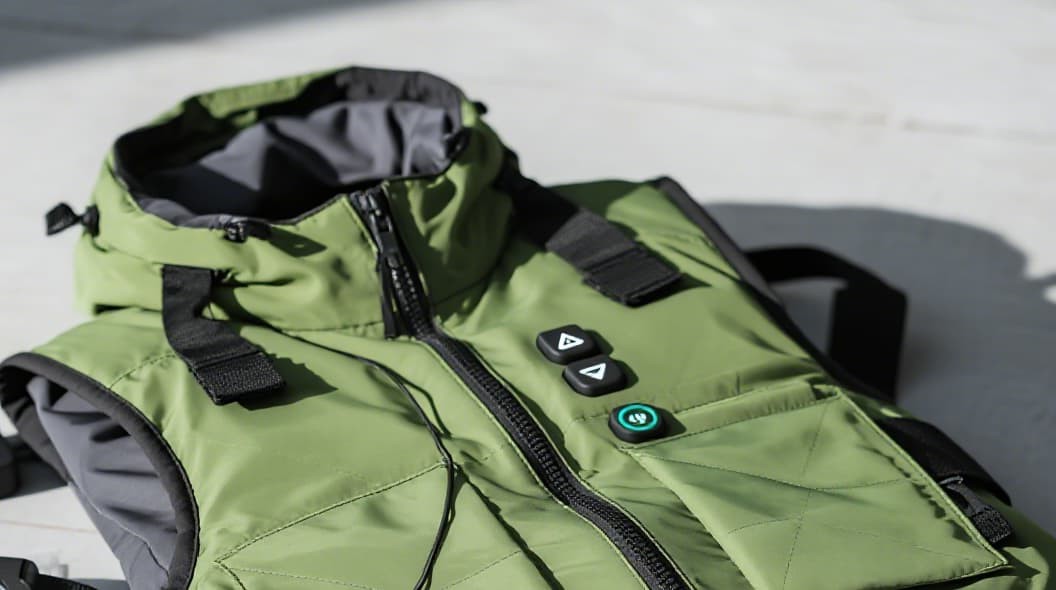
With the rising popularity of smart wearables, heating suit has become a typical winter product combining warmth and technology. The silicone buttons, as the core interface for operation, have placed their quality and craftsmanship in the spotlight. We visited FromRubber (Dongguan Bohao Electronic Technology Co., Ltd.), a company with 16 years of experience in silicone product development. Leveraging its full‑industry‑chain capabilities – from mold design to final assembly – it has set a new quality benchmark in custom silicone buttons for heated garments.
We sat down with the technical team at FromRubber to address the most pressing concerns from both end‑users and procurement professionals.
Pain Point #1 – End‑User: Blackening surfaces, blurred legends
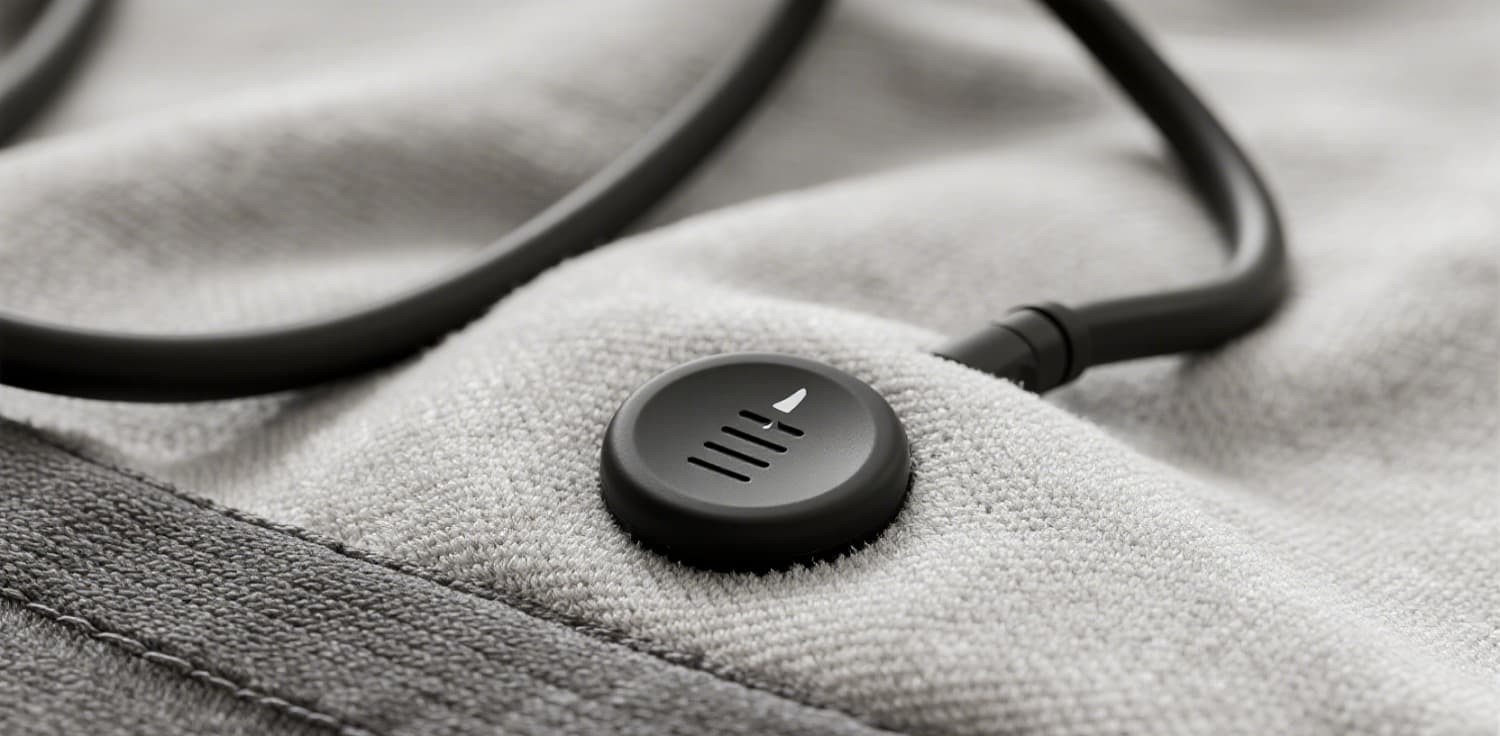
Interviewer: Many heating suit users complain that the buttons turn black, legends become illegible or even peel off after a short time, severely affecting the experience. What causes this?
FromRubber Technical Lead: This is the most typical process challenge for heating suit silicone buttons. The manufacturing chain involves complex steps, especially spray painting and laser engraving. Spray painting is a prerequisite for engraving – a coloured ink layer is applied to the silicone surface, then a laser burns away the ink in the legend areas to create translucent symbols. The painting must be uniform and free of impurities, while engraving demands precise laser penetration to achieve clean, white‑looking characters – which requires high‑precision equipment, strict parameter control and a clean environment.
Interviewer: How exactly does the "blackening" happen?
FromRubber Technical Lead: Take one case – a Changzhou client who previously sourced heating suit silicone buttons from a Zhejiang factory. The samples were far from acceptable: surface particles were visible, and the buttons literally shed black residue. Traditional silicone factories, limited by equipment and process capabilities, often outsource the post‑moulding steps (painting, engraving, etc.). This leads to ink splatter, poor engraving quality, low yield rates, and overall loss of control. Once you outsource, quality becomes a gamble.
Pain Point #2 – End‑User: Stiff feel, poor rebound
Interviewer: Some users also complain about uncomfortable keypad button – either too stiff or too slow to rebound. Where does this problem originate?
FromRubber Technical Lead: The tactile feel is directly related to the load force and return spring design. In real‑world cases, insufficient load and rebound force are major causes of button jamming or dead‑key issues. Additionally, improper clearance between the silicone button and the housing can ruin the feel. These problems are often overlooked during the design phase – by the time they surface in mass production, it's too late to fix without huge costs.
Interviewer: How does FromRubber solve this?
FromRubber Technical Lead: We firmly believe that "80% of the cost is determined at the design stage". FromRubber has a core technical team with 10‑15 years of industry experience. We get involved from the very beginning – assisting clients with button structure design based on their specific needs. Whether they prefer a softer or stiffer touch, desired travel distance, or exact gram‑force – we determine all these parameters through professional calculations and simulations before any mold is cut, eliminating downstream production risks upfront.
Pain Point #3 – End‑User: Not waterproof, not washable
Interviewer: Heating suit need regular washing, so waterproofing is critical. Many users say buttons stop working after a few wash cycles.
FromRubber Technical Lead: Heating suit silicone buttons must not only be waterproof but also withstand repeated washing. In traditional approaches, if the joint between the button and the wires isn't properly sealed, the waterproof resin can peel off after washing, causing failures. Moreover, if the charging port lacks a protective rubber cap, water ingress can short‑circuit the electronics.
Interviewer: What special waterproofing processes does FromRubber employ?
FromRubber Technical Lead: Our strength lies in having all processes in‑house – from mould development, moulding, screen printing, spray painting, laser engraving, to final assembly – all completed within our own factories. Waterproof structure design, resin application, and connector sealing – every step is traceable and controllable. Clients don't need to coordinate between multiple subcontractors, significantly improving consistency and quality.
Pain Point #4 – Purchaser: Outsourced processes, uncontrollable lead times
Interviewer: From a procurement perspective, what are the biggest supply‑chain challenges for heating suit silicone buttons?
FromRubber Business Lead: The main pain point is the long process chain – from moulding to painting, engraving, and assembly – involving many surface‑treatment steps. In the traditional model, the moulding factory sends semi‑finished parts to external shops for painting or engraving, which drives up logistics and communication costs, and makes delivery times unpredictable. One client told us that due to outsourced painting with a yield below 70%, they had to delay product launches multiple times.
Interviewer: How does FromRubber address lead‑time issues?
FromRubber Business Lead: We operate 3 factories, 42 silicone moulding presses, and supporting equipment for screen printing, spraying, laser engraving, and assembly – with a total workforce of about 500. All processes are completed in‑house. Products don't need to be shipped between different plants, drastically shortening delivery cycles. Since partnering with FromRubber, one client saw yield rates rise to 99% and lead times cut by 30%.
Pain Point #5 – Purchaser: Inconsistent quality between batches
Interviewer: Another frequent complaint from purchasers – even for the same heating suit button, quality varies noticeably from batch to batch.
FromRubber Business Lead: This is a typical side‑effect of the outsourcing model. Different subcontractors, different equipment, different operating standards – of course the results differ. FromRubber's approach is "total in‑house control". Starting from incoming material inspection, we test silicone raw materials for tear strength, anti‑yellowing, hardness, and more. Every process stage has IPQC and FQC inspectors, and final QA performs comprehensive outgoing checks. Our raw materials come from top brands like Shin‑Etsu (Japan) and Dow Corning (USA). We are ISO9001 and ISO14001 certified.
Interviewer: So FromRubber keeps full quality ownership in its own hands?
FromRubber Business Lead: Exactly. "No outsourcing" is our bottom line for quality. For heating suit silicone buttons, the painting must be uniform and clean, and laser engraving must produce sharp, white characters – these requirements can only be truly controlled when everything stays under one roof.
Pain Point #6 – End‑User & Purchaser: Uneven backlighting
Interviewer: Another highly reported issue – at night, the button illumination is either too dim or uneven, making it hard to read the current setting.
FromRubber Technical Lead: heating suit silicone buttons often feature a translucent design. When activated, the internal LED shines through the laser‑engraved characters, clearly indicating the operating status. However, if the engraving process is substandard, the light transmission becomes uneven and the characters blurred. FromRubber's heating suit switch buttons use a spray‑paint + laser‑engraving + tactile coating process that ensures excellent light transmission, comfortable feel, and precise, non‑shifted legends. The same button maintains clear backlighting under different LED colours.
Editor's Note
In an era of ever‑increasing manufacturing specialisation, FromRubber stands out by maintaining full process control to counter supply‑chain uncertainty, building its competitive edge through technical depth. Since its founding in 2010, FromRubber has served over 2,336 clients and produced more than 8,000 silicone mould sets. For purchasers seeking a reliable partner for heated‑apparel silicone buttons, choosing FromRubber means choosing peace of mind and professionalism.