Exclusive Interview: FromRubber's Sales Director Wu Xin on the Confidence Behind "Zero‑Outsourcing" for Heated Apparel Silicone Keypads
- Share
- publisher
- Suey
- Issue Time
- Jul 23,2026
Summary
Zero-outsourcing on a heated apparel silicone keypad is a claim about who absorbs process loss, not a slogan. This piece covers where coated keypads actually fail - splatter, laser charring, unsealed legends - what evidence a buyer can request, and how to test whether a one-plant process chain is real.

Heated apparel keypads / process ownership - reviewed 11 November 2026
"Zero-outsourcing" is not a slogan about pride. On a heated-apparel keypad it is a statement about who absorbs the loss when a spray coat picks up a splatter or a laser legend chars at the edge: the moulder, or the brand. That is the only question worth putting to a heated apparel silicone keypad supplier, and it has a checkable answer.
The reason the question matters more here than on a consumer remote is the process order. A backlit heated-garment keypad is not moulded and shipped. It is moulded, printed, sprayed, engraved, sprayed again, assembled and tested, and each of those steps changes the surface the next one works on. When the steps sit in different buildings, the part carries no single quality record, and the first person to see a defect is the customer.
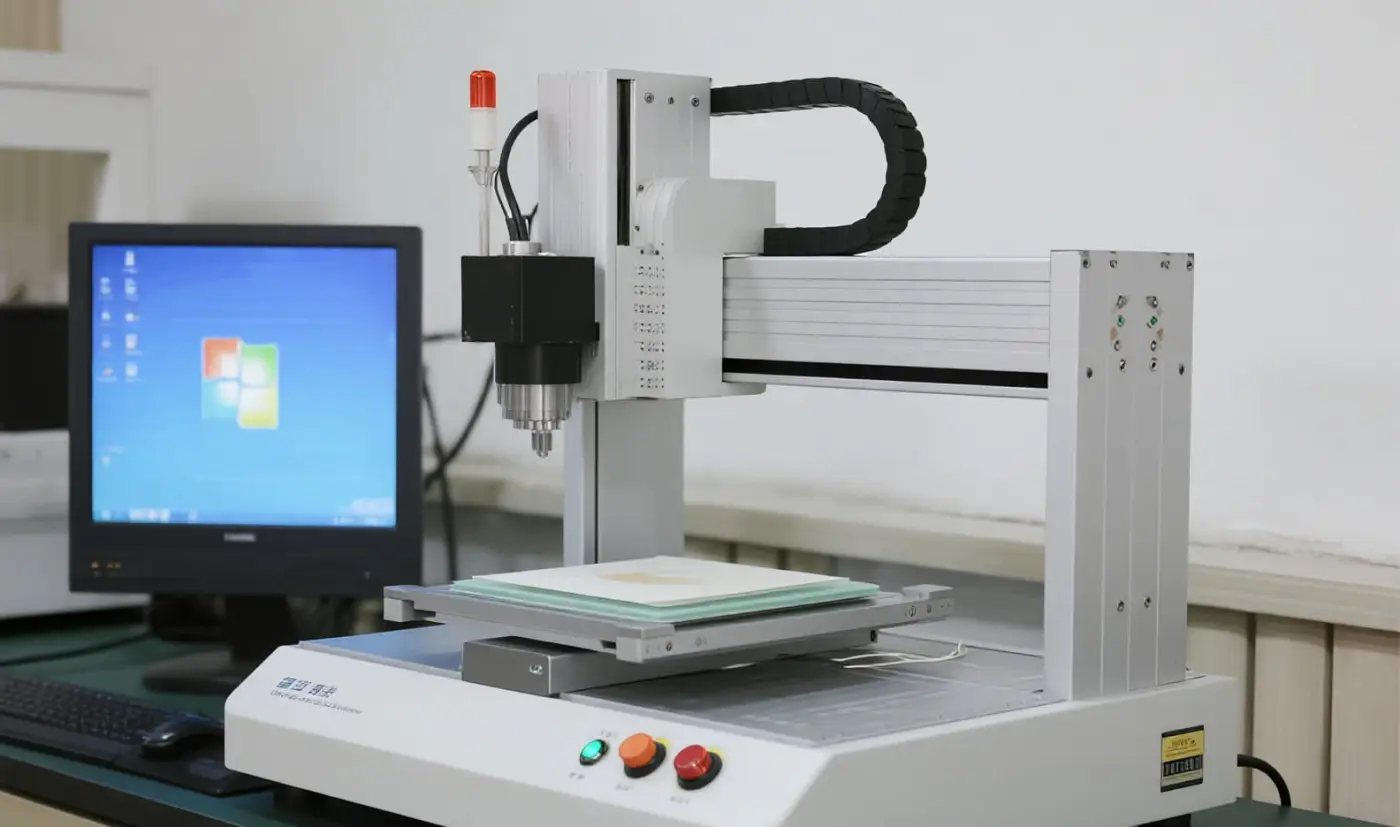
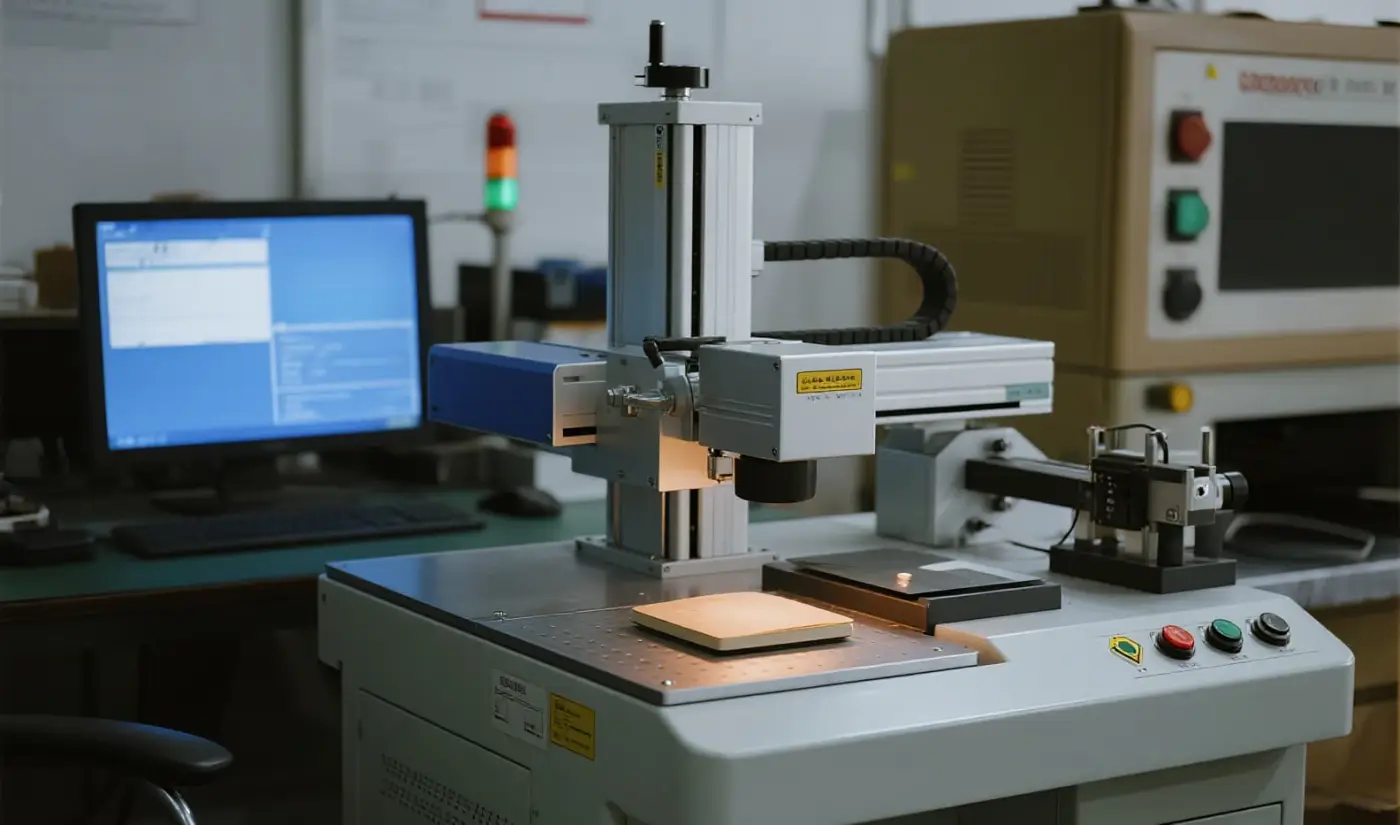
Definitions. Zero-outsourcing means every post-moulding step - screen printing, spray coating, laser engraving, the second coat, adhesive backing and assembly - runs inside the plant that moulds the part, under one lot record. Spray coating is a thin elastomeric or PU film applied over the moulded surface to control gloss, grip and abrasion. White-through engraving removes material from a dark coated skin so the light-coloured substrate reads as the legend. A second spray seals the engraved channel so dust and detergent cannot lodge in it.
Where a heated-garment keypad actually fails
Three failure modes account for most field returns on heated apparel controls, and none of them originate in the moulding cavity. The first is coating splatter: a droplet of coating that lands on the key face and cures into a raised speck. The second is laser charring: insufficient penetration leaves a brown halo around the legend, and excessive penetration burns through the colour layer into the substrate. The third is seal failure at the engraved channel, where an unsealed legend collects detergent in the wash and the contrast collapses after a few dozen cycles.
All three are process-window problems, and process windows are only visible to the party that owns the equipment. A moulder who receives coated sheets cannot tell whether a speck arrived on the sheet or in their own assembly area, and the argument that follows costs more than the part.
Why the process chain decides the outcome, not the moulding
Tooling a keypad is a solved problem for anyone who has cut a few hundred cavities. The variable is what happens after the part leaves the press. Screen printing decides whether the legend survives the first fifty wash cycles. Spray coating decides whether the surface reads as soft-touch or as cheap gloss. Laser engraving decides whether the backlight is uniform or speckled, because the engraved depth controls how much light escapes.
That is why the sensible procurement question is not "how many presses do you have" but "where does the part travel". A part that crosses three buildings picks up three handling risks, three queue times and three sets of opinions about what an acceptable speck looks like. A part that stays in one building picks up one.
| Process step | Failure signature when the step is subcontracted | Evidence worth requesting |
|---|---|---|
| Screen printing | Legend drift and ink build-up at the key edge, discovered only after the spray hides it | Print plate photograph and the first-article legend measurement |
| Spray coating | Splatter specks, orange-peel texture, visible masking lines around the key skirt | Batch record with coating viscosity and cure schedule |
| Laser engraving | Brown halo around the legend, or a legend that goes grey instead of white | Engraved sample at final magnification plus the laser parameter sheet |
| Second spray | Legend filling with coating, so the character reads soft and the backlight dims | Cross-section photograph of the engraved channel |
| Assembly and adhesive | Lifted corners after the first heat cycle, adhesive transfer on the housing | Peel test record and the release-liner specification |
What changes commercially when one plant owns the chain
The immediate change is that the sample round stops being a negotiation about whose fault the defect is. When a speck appears, the plant that sprayed it can identify the cause from its own batch record rather than requesting a return shipment from a third party. In practice that shortens the loop between "the sample is not right" and "here is the revised sample" far more than any capacity claim does.
The second change is traceability. A brand selling heated apparel into the European market increasingly needs to answer questions about the material and the process behind a component. One lot record covering moulding through assembly is a document that can be produced; a chain of three suppliers each holding a fragment is not.
What a heated apparel silicone keypad programme looks like when one plant owns it
A programme that genuinely runs in one plant behaves differently at four moments. It quotes against a routing rather than a part. It sends a sample with the process parameters attached. It reports defects by step. And it can tell you which of its own steps is the current constraint, because it sees the queue.
None of that requires a large factory. It requires the decision to keep the awkward steps in-house, which is a decision about capital and about willingness to be measured. For an apparel brand, the practical test is simple: ask for the routing card for the current production part. If the steps are all on one card with one lot number, the claim holds; if half the card reads "external", the zero-outsourcing claim is marketing.
Where this model does not help
Owning the chain does not make a bad design good. If the key geometry asks for a skirt too thin to survive the wash, or the legend artwork is drawn at a stroke width the laser cannot resolve, in-house processing only delivers the defect faster. The honest version of the zero-outsourcing argument is that it removes a class of coordination failure; it does not remove design failure.
It also does not replace a test protocol. A plant can own every step and still ship a part that fails at the fortieth wash because nobody wrote the wash test into the specification. The process chain establishes who can fix a problem quickly; the specification establishes whether the problem is caught at all.
Questions buyers ask about heated apparel keypad sourcing
Does zero-outsourcing mean the whole keypad is made in one building?
It should mean exactly that for the post-moulding steps: printing, coating, engraving, second coat and assembly. Raw materials and electronic components are still bought in, so the correct reading is "no subcontracted process steps", not "no purchased inputs".
Is an in-house chain always faster?
Not automatically. A plant with a long internal queue can be slower than a well-managed subcontractor. The advantage is in the revision loop and in traceability, and it only becomes a lead-time advantage when the plant schedules the secondary steps as part of the same job rather than as a separate order.
How do I verify a claim like this without visiting?
Ask for the routing card, the first-article report and a photograph of the laser station beside the press line. A plant that subcontracts coating usually cannot produce a routing card with the coating parameters on it, because it never received them.
The process sequence and failure signatures described here reflect the standard route for a coated and laser-engraved silicone keypad. Cycle counts, gloss values and thickness tolerances vary by coating system and must be fixed against the approved sample and the lot record for the specific part; no universal figure is asserted.
To review a heated-apparel control, send the drawing, the wash and detergent regime, the backlight requirement and the annual volume with a peak month through the custom silicone quotation route. The wider silicone rubber keypad manufacturing section covers the moulding side, and the custom silicone production process page shows where the secondary steps sit in the route.