Technical Support
- Share
About Silicone Keypads and Silicone Parts
1. The Conductive Methods of Silicone Keypads
2. Conventional Industry Standard Specifications for Silicone Rubber Keypads
3. Common Button Bottom Designs
4. Travel and Actuation Force of Silicone Keypads
5. Backlight Design of Keypads
6. Material Selection
7. Surface Finishing Technologies
8. Tolerance Standards Reference
1. The Conductive Methods of Silicone Keypads
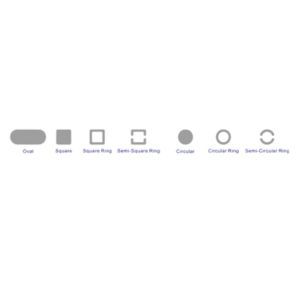
Conductive carbon/gold pill and conductive ink make direct contact with the PCB board
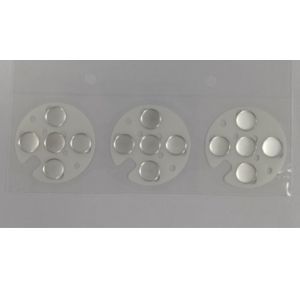
Contact with Membrane Dome
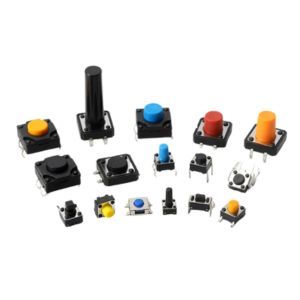
Contact with Tactile Switch
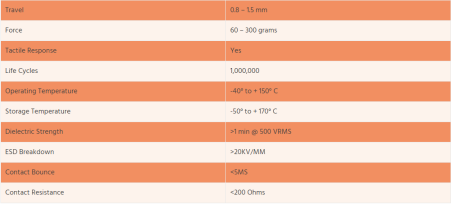
2. Conventional Industry Standard Specifications for Silicone Rubber Keypads
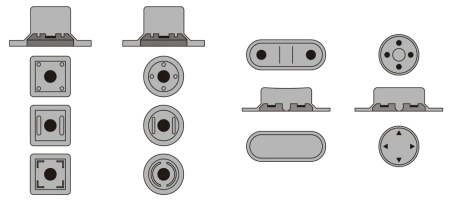
3. Common Button Bottom Designs
Silicone Rubber Keypad Stabilizer (Stop Bar) and Rocker Key
4. Travel and Actuation Force of Silicone Keypads
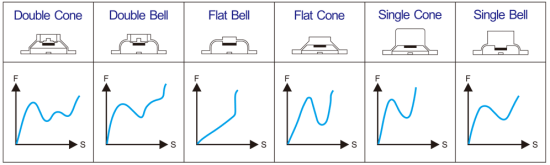
There are generally six types of silicone rubber keypad shapes: Double Cone, Double Bell, Flat Bell, Flat Cone, Single Cone, and Single Bell. The differences lie in key travel, actuation force, and application range.
5. Backlight Design of Keypads
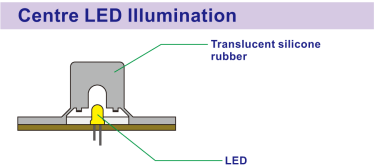
The LEDs Are Placed in the Center of the Button
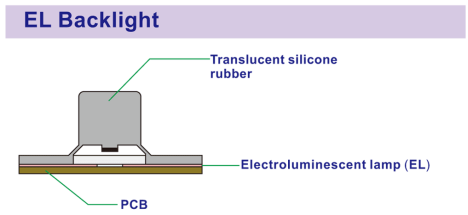
EL Backlight
6. Material Selection
1) Standard Silicone
2) High-Tensile Silicone
3) Conductive Silicone
4) Rubber (NBR, EPDM, etc.)
7. Surface Finishing Technologies
1) Matte Coating
2) PU Coating
3) Color Oil Coating
4) Epoxy Coating
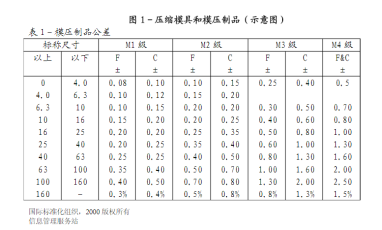
8. Tolerance Standards Reference