A Complete Guide to Customizing Silicone Machine Gasket: How to Choose a Quality Supplier
- Share
- publisher
- karl
- Issue Time
- Apr 11,2025
Summary
How to specify a silicone machine gasket or foot pad by load, hardness and environment, what compression set does to a levelling pad, and the supplier checks that separate a consistent part from a cheap one.
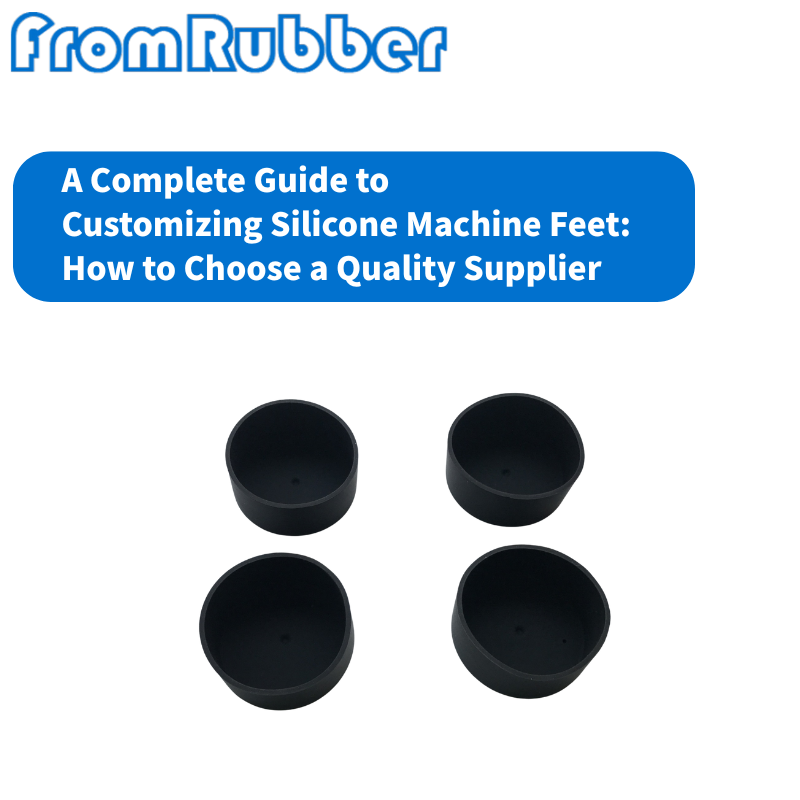
A silicone machine gasket under a machine frame is a load-bearing part, not a rubber washer. It has to keep the machine level, isolate vibration and survive oil, coolant and cleaning without taking a permanent set.
That combination is why the specification has to name load and compression, not just diameter and hardness. Two pads that look identical can behave completely differently after six months under the same machine.
What a Silicone Machine Gasket Has to Do
Four jobs: carry the machine's weight without collapsing, damp vibration before it reaches the floor, resist the fluids around the machine, and stay in place while the machine is moved. Each is a different property, and the pad has to satisfy all four at once.
Most field failures are compression set. The pad flattens, the machine goes out of level, and vibration transmission rises because the pad has lost its elasticity. The part has not broken; it has stopped being a spring.
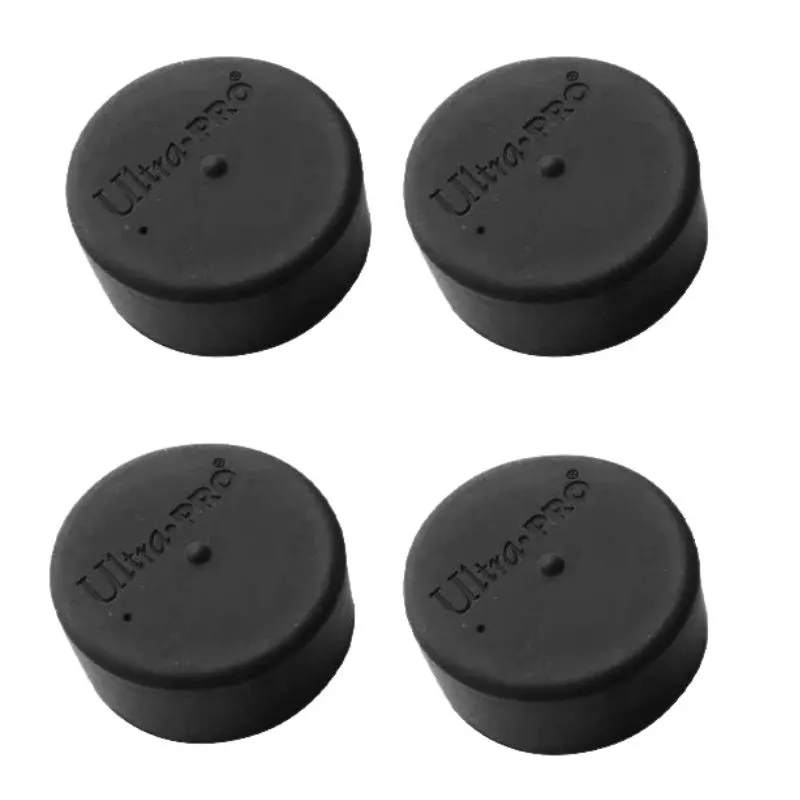
Choosing a Silicone Machine Gasket by Load and Environment
| Condition | Starting point | Watch |
|---|---|---|
| Static load under a frame | 50 – 70 Shore A, thick section | Compression set over time |
| Heavy machine, small pad area | 60 – 70 Shore A or metal insert | Creep and point loading |
| Vibration isolation | 40 – 60 Shore A, larger area | Too hard a pad transmits vibration |
| Oil or coolant exposure | Oil-resistant grade, not standard silicone | Swelling changes dimensions |
| Washdown environment | Sealed surface, closed-cell design | Water trapped under the pad |
| Outdoor installation | UV-stable compound | Surface cracking, colour change |
Vibration and the silicone machine gasket
Vibration isolation depends on the natural frequency of the machine on its mounts, not on softness alone. A pad that is too soft lets the machine rock; a pad that is too hard transmits the vibration it was meant to absorb. The practical approach is to size the pad area from the load, choose the hardness that gives a sensible static deflection, and then check that the machine does not resonate at its running speed. That is a calculation, not a sample comparison.
Supplier Checks for Silicone Machine Gasket Projects
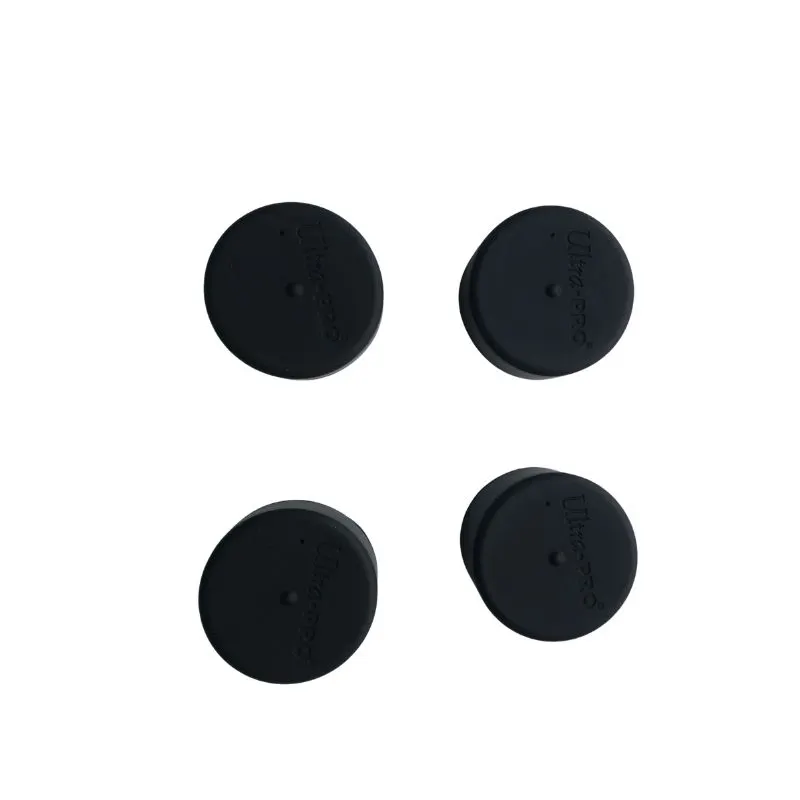
Three things separate a consistent supplier from a cheap one. The first is thickness control, because a pad that varies in thickness puts the machine out of level. The second is compound consistency, so that the compression set of the second batch matches the first. The third is the inspection method: a pad that is only checked visually will pass parts that are dimensionally out of tolerance.
Ask how thickness is measured, on how many points, and at what frequency. A supplier who can answer that question has a process; one who cannot is hoping.
For pads used with precision equipment, ask for the flatness of the mating face as well as the thickness. A convex face concentrates load in the centre and behaves like a harder, smaller pad.
Specification Points for a Silicone Machine Gasket
Put the following on the drawing: hardness with a band, thickness and its tolerance, flatness, the load the pad must carry, the compression it will see at installation, and the fluids it must resist. Add the surface finish, because a glossy pad creeps on a smooth floor while a textured one grips.
State whether the pad is bonded, screwed or located in a recess. A pad that is only compressed between the frame and the floor needs a different hardness from one that is mechanically fixed and cannot move.
If the requirement includes levelling, specify the adjustable range and how the pad behaves after adjustment. A pad that is compressed once to level a machine and then relaxes will undo the levelling within weeks. Our notes on silicone hardness selection explain the compression side of that trade-off.
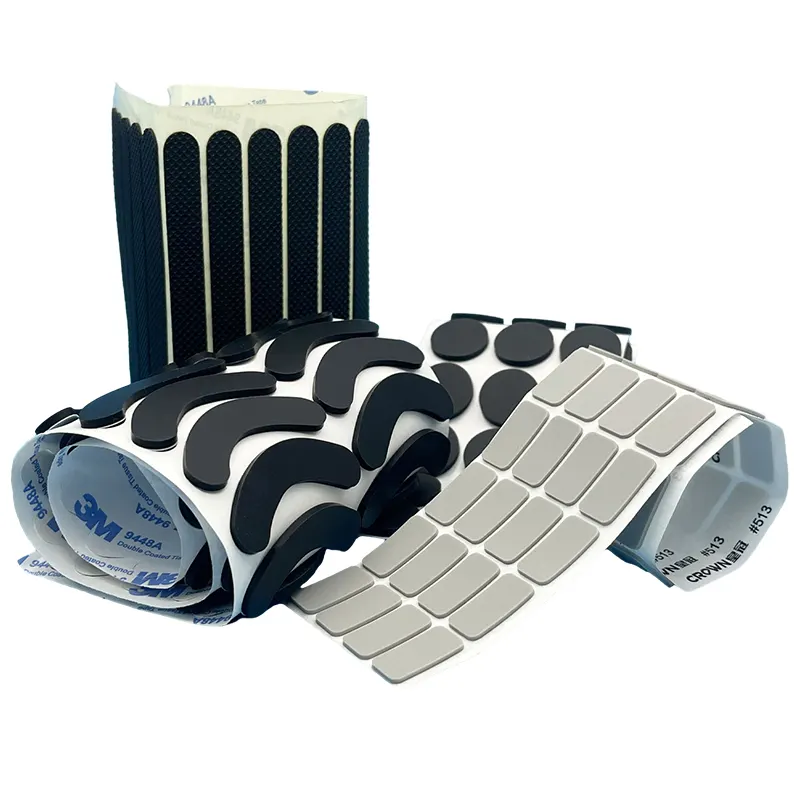
Inspection points for an incoming silicone machine gasket
- Thickness at four or more points, compared with the tolerance band.
- Flatness of the load face, checked on a surface plate.
- Hardness reading with the test condition and sample thickness stated.
- Compression set after the agreed conditioning, if the application is load critical.
- Fluid resistance where coolants or oils are present.
Can a silicone machine gasket be replaced by EPDM?
Often yes for weather and water exposure, and EPDM is usually cheaper. Silicone is chosen where temperature range or compression recovery matters more, or where the pad must stay flexible when cold.
How thick should a machine foot pad be?
Thick enough for the deflection the isolation requires and thin enough that the machine stays stable. Thickness, area and hardness are one calculation: changing one without the others changes the machine's behaviour.
A silicone machine gasket is a spring with a specification. Define the load, the compression, the environment and the flatness, state hardness as a band, and check thickness on several points at incoming inspection. That is how a machine stays level after the first quarter rather than only on the day it was installed.