Custom Silicone Cover for HDD – Durable, Fast Delivery, Factory Direct
- Model
- Silicone HDD Cover
Item specifics
- Product Name
- HDD Silicone Cover
- Material
- FDA Silicone
- Color
- Customise
- Size
- 2.5cm
- Weight
- 30g
- Function
- Anti-drop/anti-static/anti-wear/easy to clean
- Temperature
- -40°-230°
- Hardness
- 60H
- Packing
- Opp bag
Review
Description
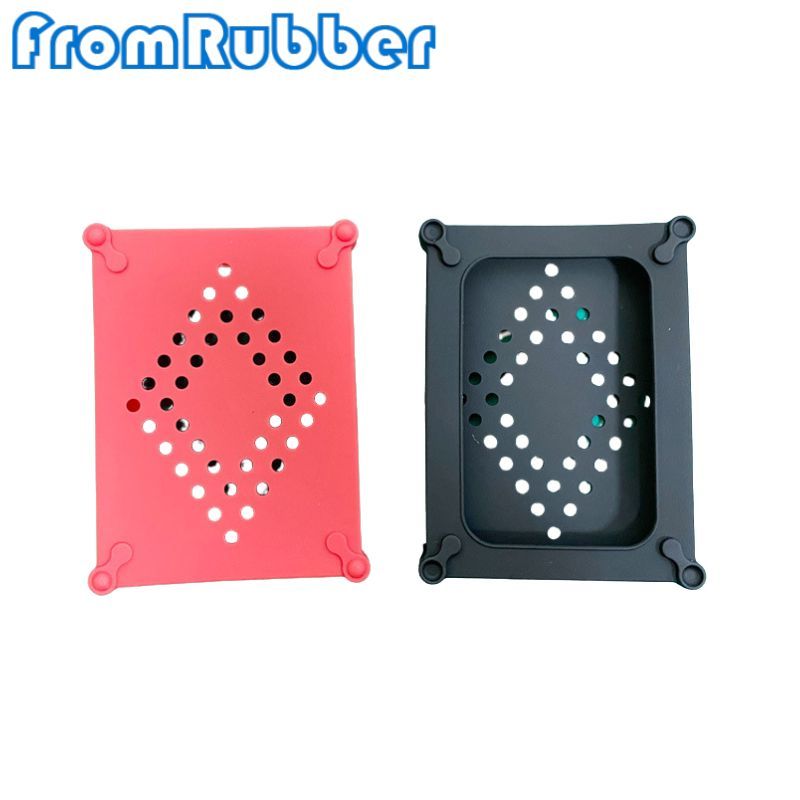
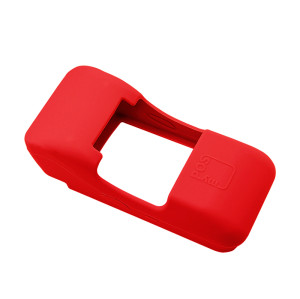
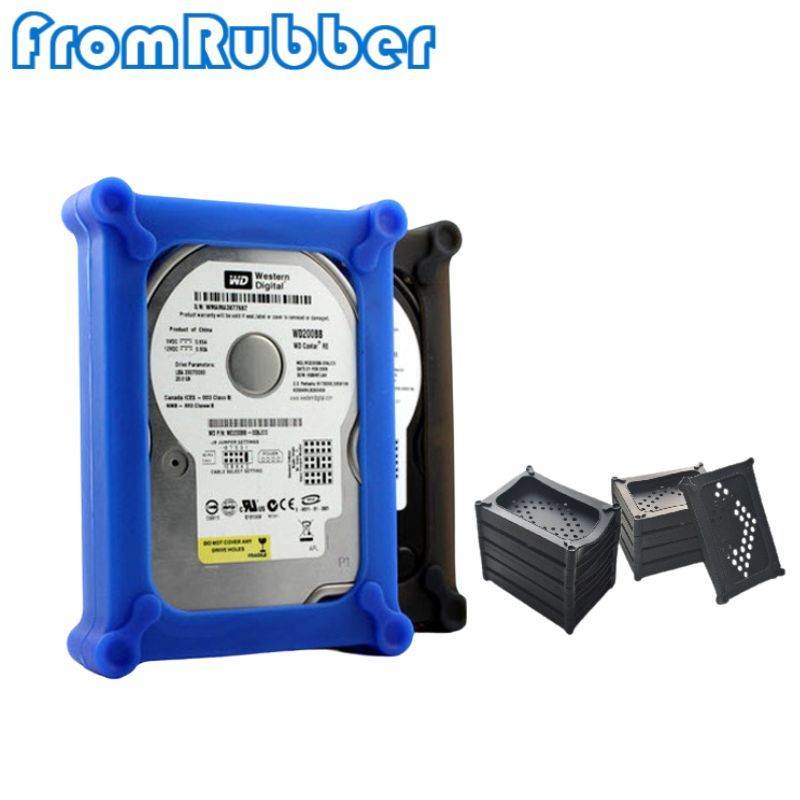
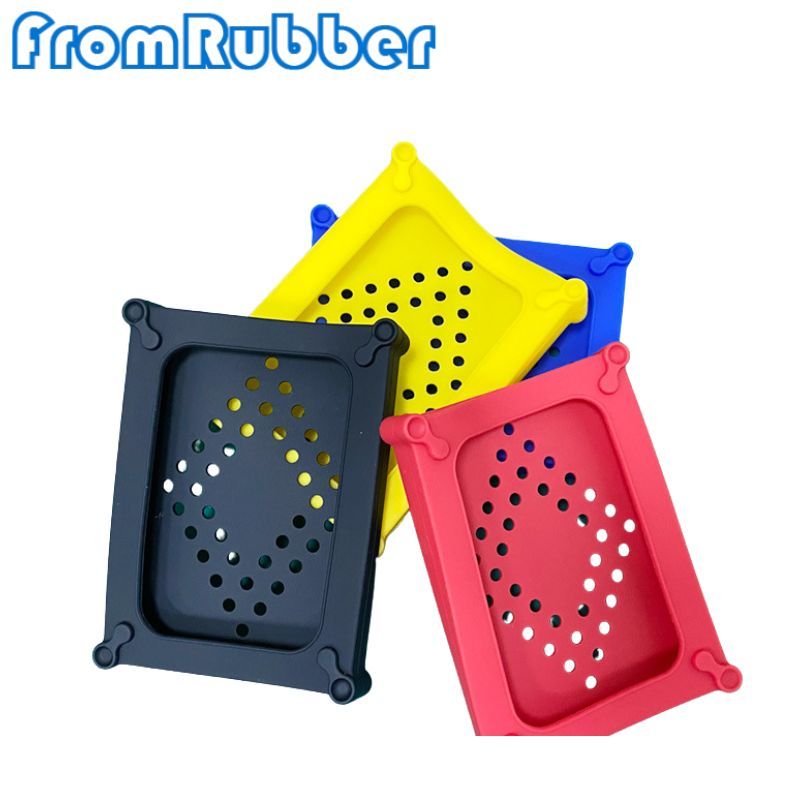
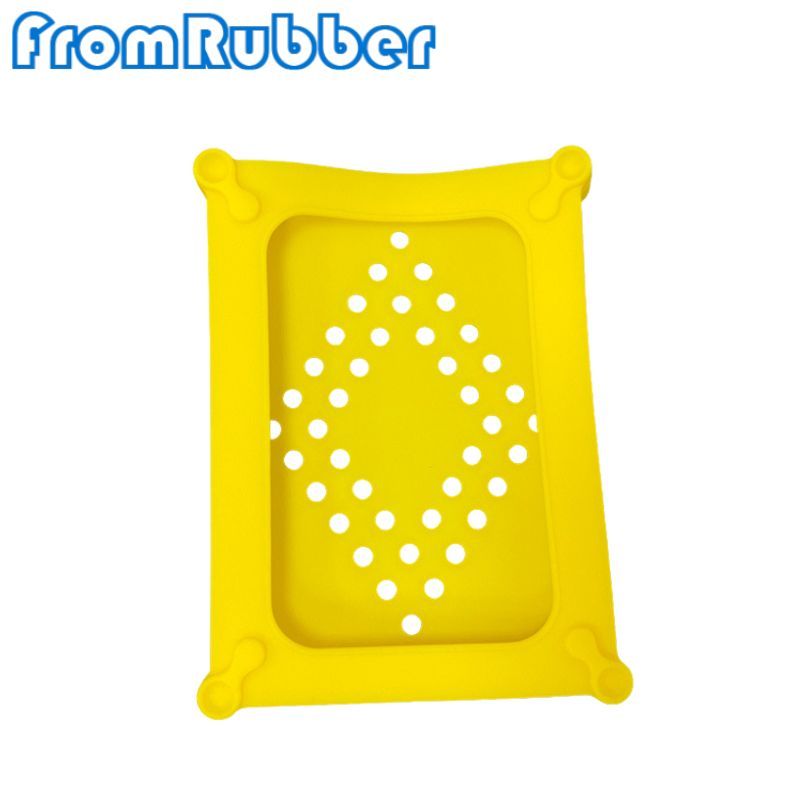
Custom Silicone Parts / Drive Protection A custom silicone cover for HDD is a bumper, not a sealed case. It absorbs the corner impact that kills a bare drive, keeps the label readable, and leaves the connectors accessible, which is what a retailer or an integrator actually needs. That distinction matters: a cover that promises waterproofing but cannot seal the connector end is worse than an honest shock frame. This page sets out the wall, vent and fit windows, plus what the cover does not do. Four jobs, and the first one is the reason the product exists. Drives fail from shock delivered at a corner, not from a flat face. Thicker silicone at the four corners, and a radius that does not focus the load, is what changes the outcome of a one-metre drop. Retailers and integrators read the label. A window or an open area over the label keeps the drive identifiable without removing the cover. Silicone insulates. A vent pattern above the drive body lets heat escape while the frame still protects the edges, which is why the holes are placed rather than decorative. SATA and USB ports must stay clear. Cut-outs aligned to the connector faces, with a tolerance that does not block a plug, are part of the drawing. Windows are a starting point for a drop and fit review. The wall that works is confirmed by dropping a loaded cover on a corner, and the result is reported against the drop height agreed with you. Every vent is also a dust path. The pattern is a compromise to be chosen, not a pattern to be copied. An open frame protects edges and leaves the body exposed; a closed sleeve protects the body and traps heat. Most retail products sit between the two. Small holes reduce dust ingress but also reduce airflow and can fill with lint. Diameter, pitch and open area are quoted together so the trade-off is visible. Never over the label, never over a screw or a port, and never in a line that weakens the rail where it flexes during fitting. A matte, lightly textured surface hides handling marks and gives grip when a drive is pulled from a shelf or a bag. For enclosures that must actually keep water out, the sealing logic belongs to overmolded waterproof and dustproof parts rather than to a vented frame. The compound is chosen for tear and shape retention, because a drive cover is fitted and removed repeatedly. Colour usually identifies capacity, customer or channel, and is matched to a master so a repeat order does not arrive a shade off. We mold under IATF 16949 and ISO 9001 quality systems with ISO 14001 environmental management. Batches are checked for corner wall, rail thickness, cut-out position and colour, and the drive sample used for fit is retained with the tool record. Four steps, and the drop test is part of the design rather than the last item. 2.5 or 3.5 inch, the connector layout, the drop height and the label position. We set corner wall, rail thickness, vent pattern and cut-outs against the drop energy and the heat path. Samples on the real drive for fit and connector access, then a loaded corner drop at the agreed height. Multi-cavity tool, colour master retained, batch checks on wall, cut-outs and appearance. Straight answers, including what the cover will not do. No. A vented frame is a shock and dust bumper, not a sealed enclosure. If the product needs water protection, the correct route is a sealed case with a gasket or an overmolded housing. They will let some in, which is the trade-off for heat. Hole diameter and open area are set with you against the environment the drive lives in. Not from one tool. The two formats need their own cavities because the corner radii and connector positions differ. Yes. Colour is the usual way to mark capacity or channel, and a moulded or printed logo can be added to the frame face. Tell us the format, the connector layout and how the drive will be dropped or shipped. We will propose the wall, vent pattern and cut-outs, and confirm them on a dropped sample.Custom Silicone Cover for HDD: Shock Protection, Venting and Fit
What a Custom Silicone Cover for HDD Has to Protect
Corner impact
The label and the serial
Airflow and heat
Connector access

Silicone Hard Drive Case: Shock, Vent and Fit Window
Parameter Typical design window Why it matters Corner wall 3-5 mm at the four corners The drop lands there; the rails can be thinner Rail thickness 1.5-2.5 mm Enough to hold, thin enough to slide on without force Body clearance 0.5-1.5 mm around the drive A loose cover rattles; a tight one is hard to fit Vent open area Placed over the drive body, clear of the label Heat escapes without hiding identification Hardness 50-70 Shore A Soft absorbs, hard transmits; both are wrong at the extremes Cut-outs Aligned to SATA and USB faces within ±0.3 mm A misaligned opening blocks the cable Hard Disk Protector Sleeve: Vent Pattern and Dust Trade-off
Open frame versus closed sleeve
Hole diameter and pitch
Where the holes must not be
Texture on the outside
Material and Colour for a Silicone HDD Cover
From Drive Sample to Serial Custom Silicone Cover for HDD
Send the drive and the drop target
Wall and vent review
Prototype and drop test
Production with colour control
Custom Silicone Cover for HDD FAQ
Does the cover make the drive waterproof?
Will the vents let dust in?
Does it fit both 2.5 and 3.5 inch drives?
Can the cover carry a brand or a capacity colour?
Send the drive and the drop height