Conductive Silicone: How It Works and Its Role in EMI Shielding
- Share
- Issue Time
- Jul 6,2026
Summary
Discover how conductive silicone works, comparing silver, copper, nickel-graphite, and carbon fillers. Learn about EMI shielding silicone gasket design, 5G applications, and FromRubber's manufacturing capabilities.
As electronic devices become smaller, faster, and more densely packed, electromagnetic interference (EMI) has emerged as one of the most critical engineering challenges of our time. From consumer smartphones to mission-critical 5G base stations and medical implants, unwanted electromagnetic radiation can degrade performance, cause data corruption, and even create safety hazards. Traditional EMI shielding methods—metal cans, copper tape, and conductive coatings—are increasingly inadequate for compact, lightweight designs that require both environmental sealing and electromagnetic protection. This is where conductive silicone enters the picture as a transformative solution. Conductive silicone elastomers combine the flexibility, sealing capability, and environmental resistance of silicone rubber with the electrical conductivity of metal fillers. They serve as EMI shielding gaskets that simultaneously provide electromagnetic protection and environmental sealing, making them indispensable in aerospace, telecommunications, automotive electronics, and medical devices. Conductive silicone offers 100+ dB of EMI shielding effectiveness across a wide frequency range (100 MHz to 40 GHz), combining environmental sealing with electromagnetic protection in a single, molded component. The fundamental principle that enables conductive silicone is percolation theory. Silicone rubber is inherently an electrical insulator with a volume resistivity in the range of 1014 to 1016 ohm-cm. However, when conductive filler particles are uniformly dispersed in the silicone matrix at a sufficient concentration, they form a continuous three-dimensional network of conductive pathways. The critical filler concentration at which this transition from insulator to conductor occurs is known as the percolation threshold. Below this threshold, the filler particles are too far apart to establish continuous electrical contact. Above it, electrons can travel through the material via direct particle-to-particle contact or through quantum tunneling between closely spaced particles. Several factors determine the effectiveness of the conductive network: When conductive particles constitute more than approximately 15-30% of the composite volume (depending on particle shape and size), a continuous network forms. Electrons then travel through this network by direct contact conduction and, at lower filler concentrations near the threshold, by quantum tunneling—a phenomenon where electrons "jump" across nanometer-scale gaps between particles. The choice of conductive filler is the single most important decision in designing a conductive silicone compound. Each filler material offers a distinct balance of conductivity, cost, environmental resistance, and processing characteristics. Nickel-graphite has emerged as the preferred filler for a wide range of commercial and industrial applications because it offers an excellent balance of high shielding effectiveness (>100 dB from 100 MHz to 10 GHz) at a fraction of the cost of silver-based alternatives. Its outstanding environmental resistance to salt spray, UV radiation, and ozone makes it particularly suitable for outdoor and harsh-environment applications. Volume resistivity (measured in ohm-cm) is the primary metric used to characterize the electrical conductivity of conductive elastomers. It is defined as the electrical resistance through a unit cube of material measured from opposite faces. Lower volume resistivity indicates better conductivity. The industry relies on several standardized test methods to ensure consistent and comparable measurements: Engineering Note: Direct measurement of shielding effectiveness (in dB) requires expensive shielded room setups. Volume resistivity is commonly used as an indirect indicator—materials with volume resistivity below 0.01 ohm-cm typically provide 80-120 dB of shielding effectiveness across most frequency ranges. Designing an effective EMI shielding gasket from conductive silicone requires careful attention to several engineering parameters: The gasket must maintain adequate compression over the product's lifetime to ensure continuous electrical contact. Conductive silicone gaskets typically require 15-30% compression for optimal shielding performance. The compression force required depends on the filler type and loading—silver-filled compounds tend to be harder than nickel-graphite or carbon-filled alternatives. Proper enclosure design includes a compression-limiting feature to prevent over-compression, which can damage the gasket or reduce its long-term sealing effectiveness. A well-designed groove should be 20-25% shallower than the gasket's free height to achieve optimal compression. One of the key advantages of conductive silicone is its ability to combine EMI shielding with environmental sealing (dust, water, and chemical resistance). The same gasket can meet both IP67 sealing requirements and MIL-DTL-83528 shielding requirements, reducing part count and assembly complexity. The deployment of 5G networks has created unprecedented demand for high-performance EMI shielding solutions. 5G infrastructure operates at much higher frequencies (sub-6 GHz and millimeter-wave bands up to 40 GHz) than previous generations, and with significantly higher data throughput requirements. Millimeter-wave signals (24-40 GHz) are more susceptible to interference and have poorer penetration through obstacles. Base stations, small cells, and user equipment must maintain signal integrity in increasingly dense electromagnetic environments. Conductive silicone gaskets provide the necessary shielding effectiveness at these frequencies—nickel-graphite compounds, for example, maintain 76.3 dB of shielding at 40 GHz. Independent third-party testing (per MIL-DTL-83528) demonstrates that nickel-graphite filled silicone gaskets achieve exceptional shielding across the 5G frequency spectrum: Long-term reliability of conductive silicone gaskets depends critically on the oxidation resistance of both the filler material and the silicone matrix. Environmental exposure to heat, humidity, salt spray, and atmospheric oxygen can degrade conductivity over time if not properly designed. Metal fillers, particularly silver and nickel, form thin oxide layers on their surfaces when exposed to oxygen. For silver, the oxide layer is still moderately conductive. For nickel, the naturally formed oxide layer can increase contact resistance. Copper, if not properly protected, can oxidize rapidly and lose conductivity entirely. Industry-standard accelerated aging tests per ASTM D573 and MIL-DTL-83528 demonstrate that properly formulated conductive silicone compounds retain more than 80% of their initial conductivity after 1,000 hours of thermal aging at 125°C, and maintain shielding effectiveness within 5 dB of initial values after salt spray exposure per ASTM B117. With over a decade of precision silicone manufacturing experience, FromRubber (Dongguan Bohao Electronics Technology Co., Ltd.) has developed comprehensive capabilities in conductive silicone compounding and molding. Our vertically integrated manufacturing process ensures consistent quality, competitive pricing, and rapid turnaround for custom EMI shielding solutions. Every conductive silicone product from FromRubber undergoes rigorous quality testing, including: FromRubber Advantage: Our engineering team provides free DFM (Design for Manufacturing) analysis for every conductive silicone gasket project, ensuring optimal material selection, compression design, and mold layout before production begins. Contact our engineering team to discuss your specific EMI shielding requirements. Depending on the filler type and loading, volume resistivity ranges from 0.0009 ohm-cm (silver-filled) to 8.0 ohm-cm (carbon black-filled). Nickel-graphite compounds typically achieve 0.01–0.75 ohm-cm. Yes. This is one of the primary advantages of conductive silicone. A single gasket can provide both EMI/RFI shielding and environmental sealing (dust, water, chemical resistance), reducing assembly complexity and cost. Standard conductive silicone compounds perform reliably from -55°C to +200°C, with some specialized formulations extending to +250°C for short durations. Conductive silicone gaskets should be stored in cool, dry conditions away from direct sunlight and ozone-generating equipment. Shelf life is typically 5 years when properly stored. No special handling beyond standard ESD precautions is required. FromRubber offers flexible MOQs depending on part complexity and size. For prototyping, we can accommodate orders as small as 10-50 pieces. For production runs, typical MOQs start at 500-1,000 pieces. Contact us for a project-specific quote. Conductive silicone has established itself as an essential material for modern EMI shielding applications. By combining the electrical conductivity of metal fillers with the flexibility, sealing capability, and environmental resistance of silicone rubber, it provides a uniquely versatile solution for the electronics industry's most demanding challenges. From the physics of percolation networks to the practical engineering of compression gaskets, understanding the science behind conductive silicone enables better design decisions. Whether your application is a 5G base station requiring 120 dB of shielding at 10 GHz or a consumer device needing cost-effective ESD protection, the right conductive silicone formulation exists—and it starts with selecting the appropriate filler system and working with an experienced manufacturing partner. At FromRubber, we combine deep material science knowledge with precision manufacturing to deliver conductive silicone solutions that meet the most stringent performance requirements. Contact our team to start your next EMI shielding project. Get a DFM analysis and quote within 24 hours — no minimum order required for prototypes.Introduction: The EMI Challenge in Modern Electronics
The Conductive Mechanism: How Fillers Create Electrical Pathways
Percolation Theory: The Science Behind Conductivity
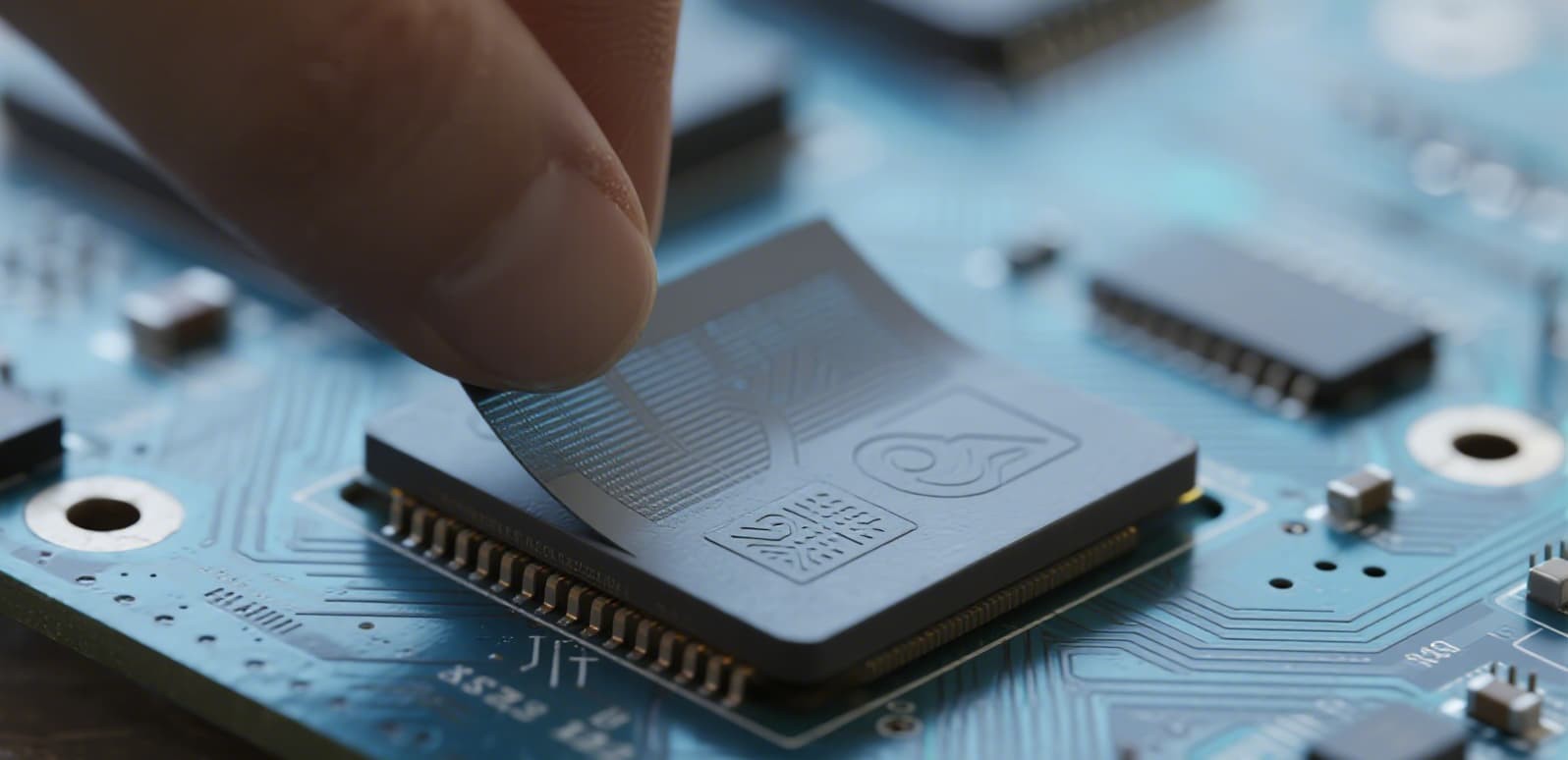
Figure 1: Modern electronic circuit boards require effective EMI shielding for reliable performance.
Key Factors Influencing Conductivity
The Physics at a Glance
Conductive Filler Comparison: Silver, Copper, Nickel-Graphite, and Carbon
Filler Type
Volume Resistivity (ohm-cm)
Shielding Effectiveness
Relative Cost
Corrosion Resistance
Best Application
Pure Silver (Ag)
0.0009
Extremely High
$$$$$ (Highest)
Excellent
Military, aerospace, high-frequency RF
Silver-Plated Copper
0.003
Very High
$$$$
Good
High-performance commercial electronics
Silver-Plated Aluminum
0.003
Very High
$$$$
Moderate
Weight-sensitive applications
Silver-Plated Glass
0.006
High
$$$
Good
Telecom infrastructure
Nickel-Graphite
0.01–0.75
High (100+ dB)
$$ (Cost-Effective)
Excellent (salt spray, UV, ozone)
Commercial electronics, 5G, automotive
Carbon Black
1.0–8.0
Low to Medium
$ (Lowest)
Excellent
ESD protection, non-critical shielding
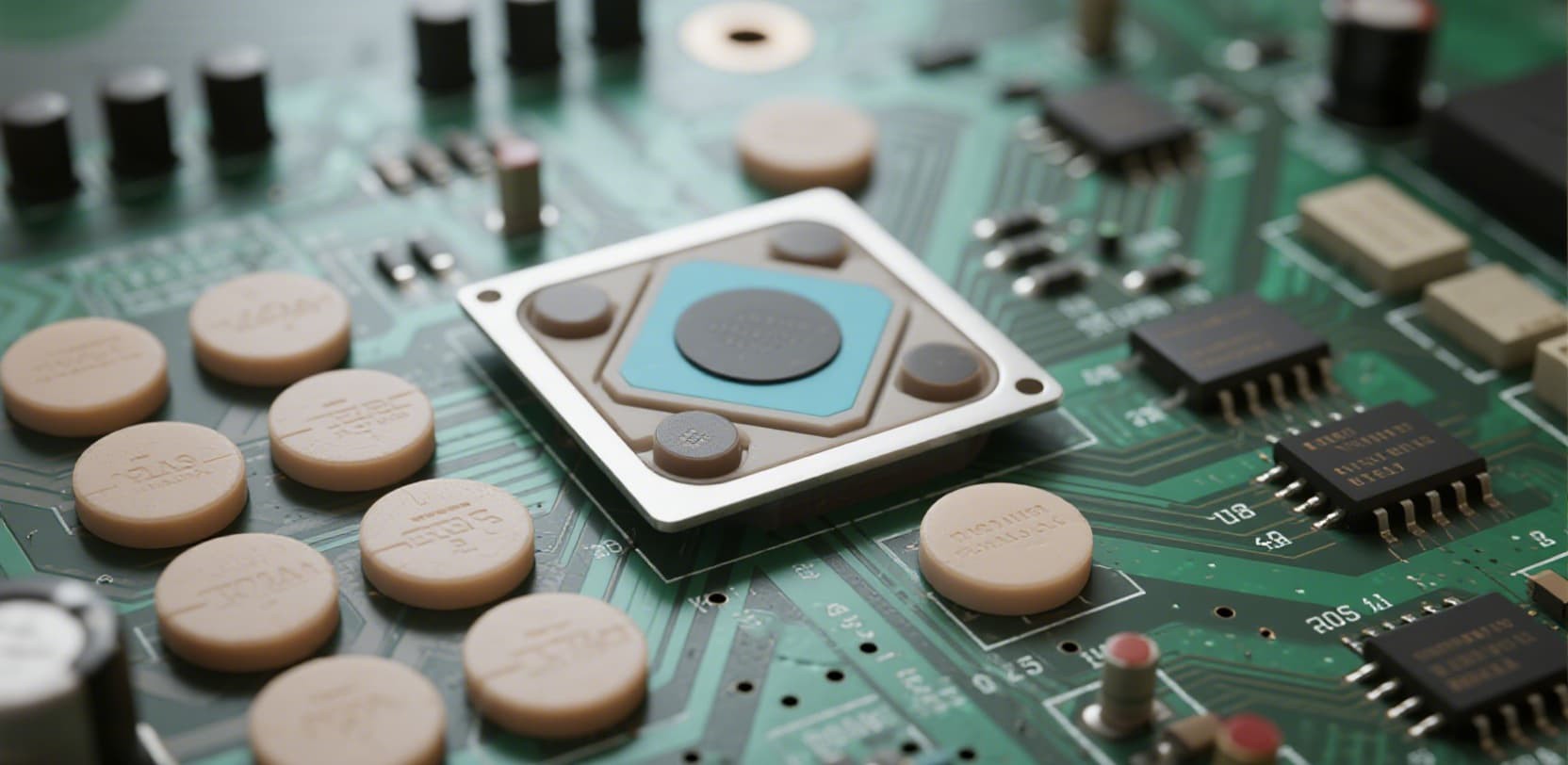 Figure 2: Precision electronic components requiring effective EMI shielding solutions.
Resistivity Range and Testing Methods
Understanding Volume Resistivity
Standard Testing Protocols
EMI Shielding Silicone Gasket Design Considerations
Compression Set and Deflection Force
Groove Design and Compression Stop
Environmental Sealing Integration
 Figure 3: Engineering design process for custom conductive silicone gasket solutions.
Design Checklist for Conductive Silicone Gaskets
Conductive Silicone in 5G Communication Equipment
Why 5G Requires Superior Shielding
Key Applications in 5G Equipment
Shielding Effectiveness in Millimeter-Wave Bands
Oxidation Resistance and Long-Term Reliability
Oxidation Mechanisms
Material Selection for Long-Term Reliability
Accelerated Aging Test Results
FromRubber's Conductive Silicone Manufacturing Capability
Our Manufacturing Capabilities
Quality Assurance
Frequently Asked Questions
What is the typical volume resistivity of conductive silicone?
Can conductive silicone be used for both EMI shielding and environmental sealing?
What is the temperature range for conductive silicone gaskets?
Does conductive silicone require special handling or storage?
What is the minimum order quantity for custom conductive silicone parts?
Conclusion