


FromRubber Custom Injection Molded Plastic Seals for Night Vision Device
Item specifics
- Design
- 3D Drawings or Objects
- Molding
- Injection
- Service
- Free Consult
- MOQ
- 1000pcs
- Application
- Night Vision Device
Review
Description
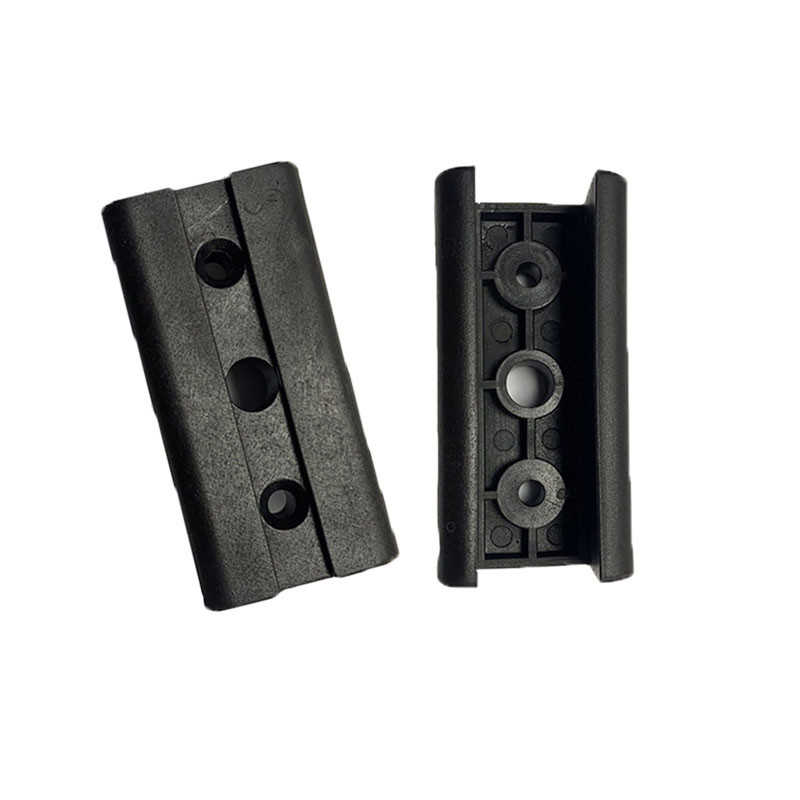
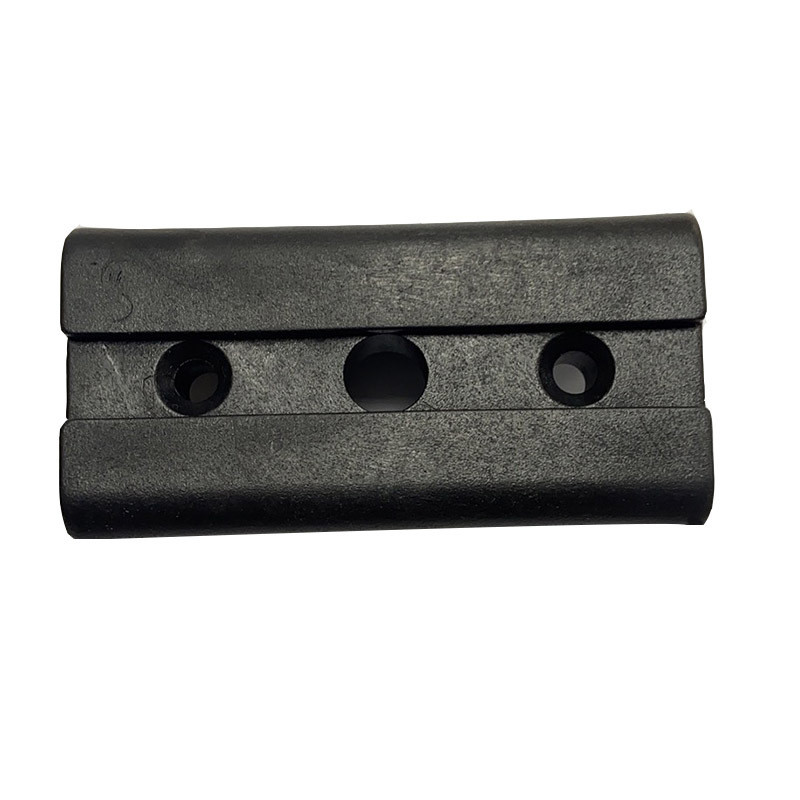
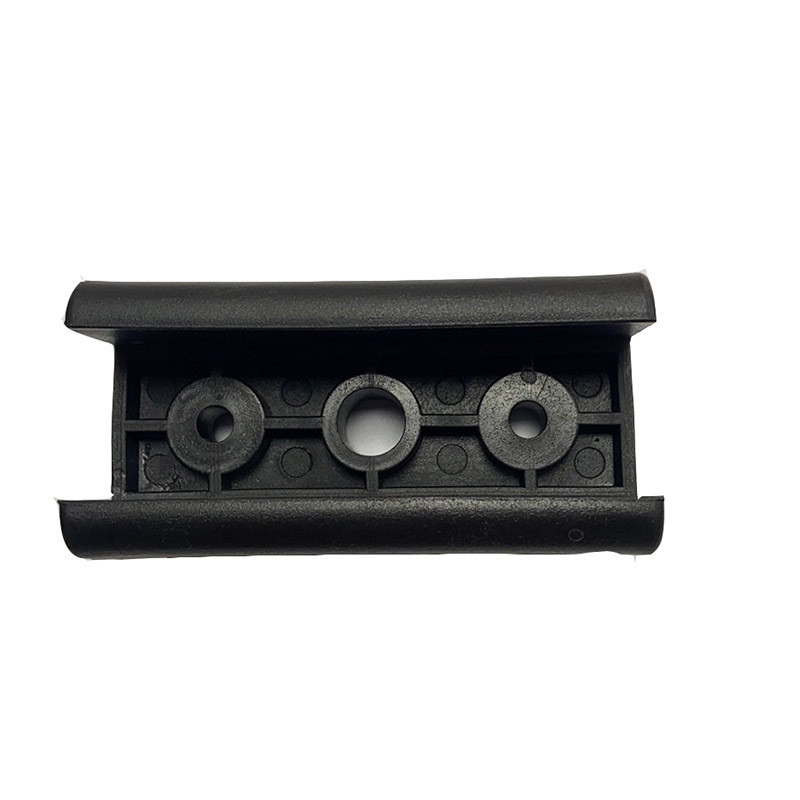
In an optical device, a seal has to stop light before it stops water. A stray reflection at a joint or a thin wall that glows under an illuminator degrades the image more than a small leak would, and a plasticiser that migrates onto a lens ruins it permanently. This page covers how a molded plastic seal for a night vision assembly is specified: opacity, outgassing, dimensional stability and the tooling that holds them. A black part is not automatically light tight. Unfilled or lightly pigmented polymer can transmit near-infrared energy, and a joint that looks closed to the eye can pass enough light to fog the image. Light tightness depends on wall thickness, pigment loading and the geometry of the joint, and it is verified by measuring transmission through the assembled part rather than by inspecting the colour. The second requirement is baffling. Where the seal sits near an optical path, its internal surfaces should be matte and angled so that any light reaching them is absorbed or directed away rather than reflected into the sensor. A gloss moulded surface inside a housing acts as a mirror, and a matte texture on the tool is the cheapest way to prevent it. Volatile compounds released from a polymer can condense on a lens or a sensor window, and the deposit is usually permanent. The risk rises with temperature and with the use of processing aids, so a resin intended for general moulding is not automatically suitable for an assembly that contains optics. Low-outgassing grades exist, and the specification should name the property rather than assume that any black plastic is acceptable. Cleanliness is a process requirement as much as a material one. Mould release agents, machining coolant and packaging dust all introduce contamination, so the part is normally moulded without external release agent, handled with gloves and packed in a clean bag. That sequence is worth confirming at the audit stage, because it is easy to lose between the moulding cell and the packing bench. A device that is carried outdoors sees a wide temperature range, and the seal and the housing expand at different rates. If the interference fit is designed at room temperature only, the fit can become loose when cold and over-stressed when hot. The design should be checked at both ends of the range, with the expansion of both materials included rather than assumed to be similar. Moisture is the other variable, and it is specific to nylon. Nylon absorbs water and grows, which is helpful in some joints and harmful in a precision fit. Where nylon is used, the drawing should state the conditioned dimension rather than the dry-as-moulded dimension, otherwise the part measures correctly on the bench and binds in service. Small precision parts are governed by the mould rather than by the drawing. Parting line position, gate location and ejector placement all leave marks that can matter on a sealing face or in an optical path, and they are fixed at the tooling stage. A parting line across a sealing land creates a leak path that no interference will close. Inspection has to match the requirement. A seal that is checked with callipers on the bench may pass while the feature that matters, such as a lip radius or a flatness over a short span, is out of tolerance. The inspection plan should name the features that control light tightness and fit, and use a method capable of measuring them, whether that is an optical comparator, a vision system or a profilometer. Optical, outgassing and cleanliness requirements are agreed with the device manufacturer at RFQ; dimensional values are fixed on the approved drawing. By measuring transmission through the assembled part rather than by judging the colour. Black pigment reduces transmission but does not eliminate it, and a joint can pass light even when the parts appear to close. Small precision parts can hold tight tolerances on named features, but the tolerance has to be attached to a feature that the tool controls. A general tolerance across the whole part is less useful than a controlled dimension on the sealing land or the locating diameter. Low-outgassing grades can be specified for assemblies that contain optics. The property should be named in the requirement and confirmed with the resin supplier's data, because general-purpose moulding grades are not equivalent. Yes. Moulding without external release agent, glove handling and clean bag packing can be agreed as part of the process specification, and it is confirmed during the process audit rather than assumed. Share the housing section, the optical path and the operating temperature range. The review returns the polymer and outgassing requirement, light-tightness verification method, fit allowance and the controlled features for the inspection plan.Injection Molded Plastic Seals for Night Vision Devices: Light Tightness, Outgassing and Fit
Sealing a Night Vision Device Is a Light-Tightness Problem First
Baffles, pigmentation and gaps
Low Outgassing and Cleanliness Near Optics
Why resin choice matters
Dimensional Stability Across the Operating Temperature
Thermal expansion and interference fit

Tooling for Small Precision Seals
Tolerances, parting lines and inspection
Night Vision Seal Specification Fields
Questions About Seals for Optical Devices
How is light tightness verified?
Can the seal be molded to a tight tolerance?
Is a low-outgassing material available?
Can the parts be packed for clean handling?
Send the Optical Assembly and the Sealing Interface

