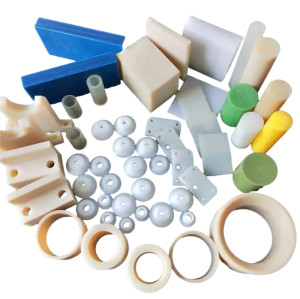
FromRubber Custom Abs/Pp/Pe/Nylon Plastic Seals for Household Appliance
Item specifics
- Design
- 3D Drawings or Objects
- Molding
- Injection
- Service
- Free Consult
- MOQ
- 1000pcs
- Application
- Household Appliance
Review
Description
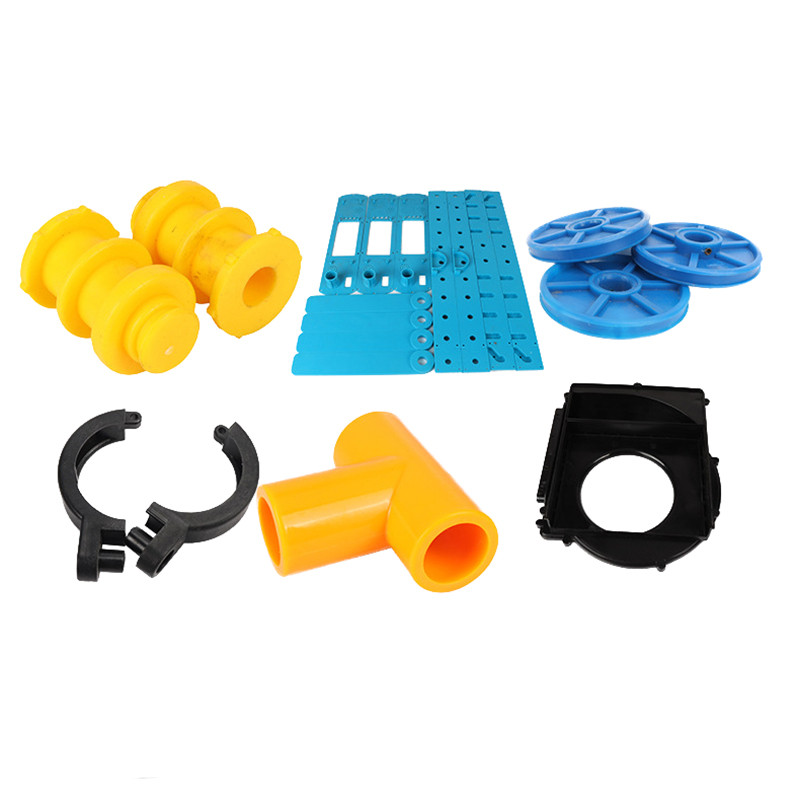
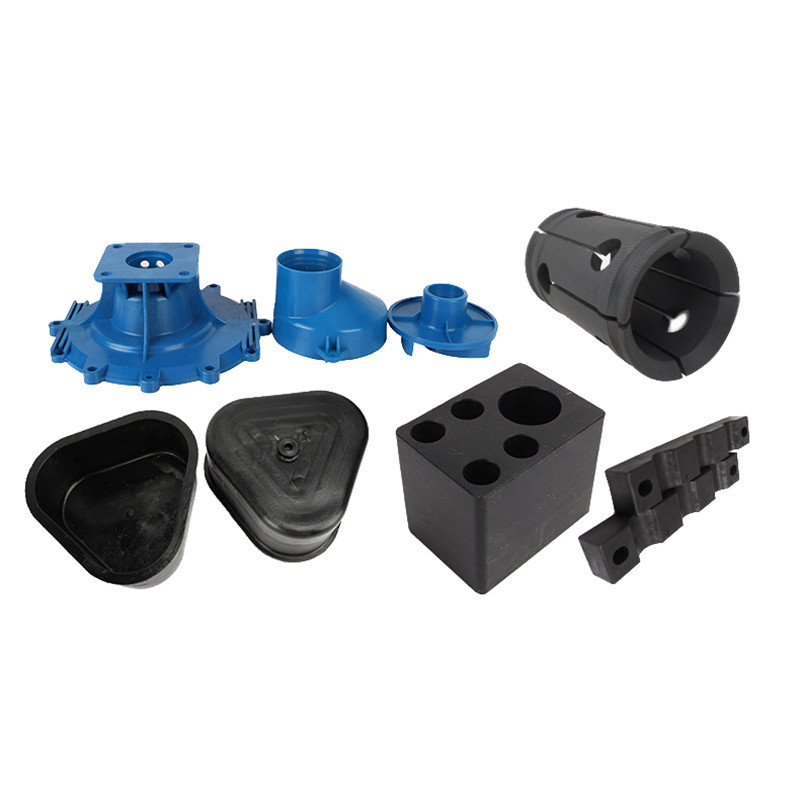
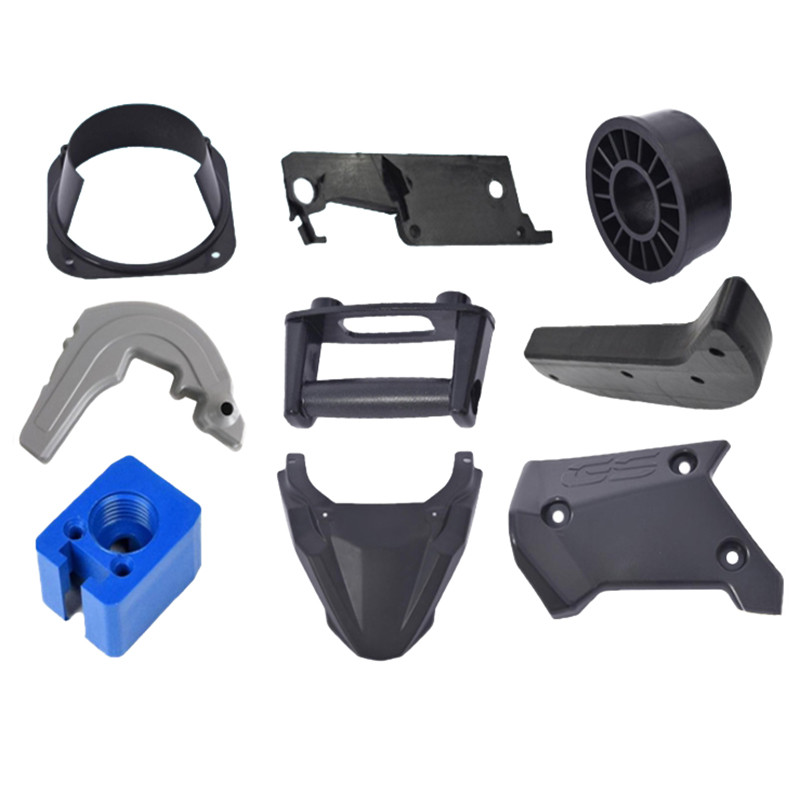
Not every seal is rubber. On an appliance, a seal often has to locate a part, hold a panel flat or close a gap with a rigid edge, and an elastomer cannot do that. This page explains where a thermoplastic seal is the correct answer, how ABS, PP, PE and nylon differ in service, and which design features decide whether a snap-fit seal holds for the life of the appliance. A rubber seal works by deforming. A thermoplastic seal works by fitting: it holds a defined gap, supports a panel, or forms a rigid lip that a door closes against. Where the requirement is dimensional rather than elastic, a rubber part has to be over-designed to stay in place, while a molded plastic part locates itself and keeps its shape. The trade-off is compliance. A rigid seal cannot absorb the tolerance of a warped housing or a distorted door, so the design has to provide the compliance elsewhere, usually with a thin flexible lip molded into the same part or with a small elastomer insert. Understanding which of the two is doing the sealing is the first design decision. ABS gives good dimensional stability and a clean moulded finish, which is why it is used for visible trims and structural seals in dry appliances. PP is the choice for parts that contact water or detergent continuously, and it tolerates repeated flexing through a living hinge. PE is softer and more chemically inert but has lower stiffness and higher creep. Nylon adds strength and temperature resistance at the cost of moisture absorption, which changes dimensions. Creep is the variable most often missed. A plastic seal that is compressed continuously will relax over months, and the relaxation is faster at higher temperature. Where the seal is loaded permanently, nylon or a glass-filled grade holds its clamp load better than unfilled PP, and the design should be checked against the load rather than against the material's short-term stiffness. A snap-fit seal depends on three dimensions: the interference that creates the seal, the lead-in that lets the part assemble, and the undercut that retains it. If the interference is too small the part rattles and leaks; if it is too large the assembly force damages the housing. On small appliance seals the usable window is narrow, and it is set by the molding tolerance of both parts. The material decides how much interference is available. A brittle plastic cannot be snapped over a deep undercut without stress whitening, while a ductile one can. Where the seal has to be removed for service, the retention feature needs a release access, otherwise the part is destroyed on removal and the service becomes a replacement of the whole assembly. A long, thin seal is prone to warpage, and warpage destroys the fit that the seal depends on. The usual causes are uneven cooling, a gate that fills the cavity from one end and a wall that changes thickness abruptly. Moving the gate, balancing the cooling and keeping wall sections uniform are more effective than tightening the tolerance band, because a warped part cannot be measured into compliance. Flatness is best specified as a functional requirement rather than a raw tolerance: the seal has to sit within a stated gap against the mating surface. That lets the toolmaker choose the process window that meets the function, instead of chasing a number that may be tighter than the application needs. Polymer and fit dimensions are fixed per appliance on the approved drawing; food-contact and compliance documentation is agreed at RFQ where relevant. When the part has to locate, support or hold a gap rather than only block a leak. A plastic seal keeps its shape and defines the joint; a rubber seal absorbs variation. Many appliance seals need both, which is why a thin molded lip or an elastomer insert is often combined with a rigid body. PP is the usual choice for continuous water and detergent contact, and it also allows a living hinge. ABS is better for dry, visible trims where finish and dimensional stability matter more than chemical resistance. Because the plastic relaxes under sustained load. Creep is faster at higher temperature, and unfilled PP creeps more than nylon. The retention design should be checked against the load it carries rather than against the material's short-term stiffness. Yes, either as a thin flexible feature in the same polymer or as a two-material part with an elastomer lip. The choice depends on how much compliance the joint needs and whether the lip has to seal against a moving surface. Share the mating parts, the gap to be sealed and the temperature and media in service. The review returns the polymer choice, retention design, creep allowance and the flatness requirement to put on the drawing.ABS, PP, PE and Nylon Seals for Household Appliances: Choosing the Right Thermoplastic
Thermoplastic Seals Solve a Different Problem From Rubber Seals
When rigidity is the requirement
Choosing Between ABS, PP, PE and Nylon
Medium, temperature and creep
Designing a Snap-Fit Seal That Holds
Interference, lead-in and retention

Molding Tolerance and Warpage Control
Gate, cooling and flatness
Thermoplastic Seal Specification Fields
Questions About Plastic Seals
When should a seal be plastic instead of rubber?
Which polymer suits a wet appliance?
Why does a snap-fit seal loosen over time?
Can the seal be moulded with a soft lip?
Send the Joint Section and the Service Conditions