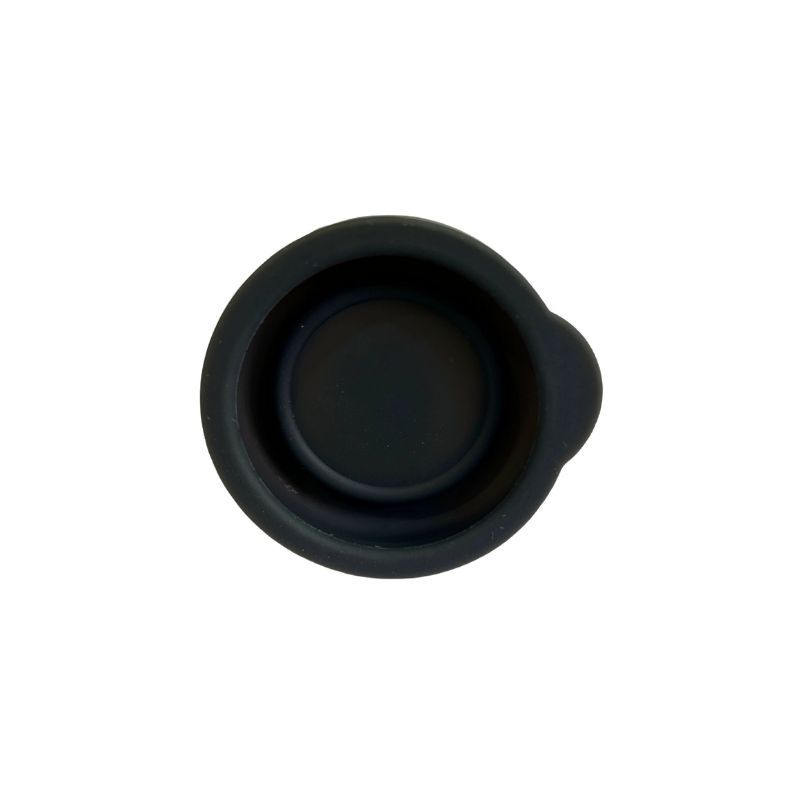
Premium Silicone Bottle Caps for B2B Excellence
- Model
- BH-silicone bottle caps
Item specifics
- Material
- Food-grade Silicone
- Color Options
- Blue, Pink, White, Black
- Heat Resistance
- Up to 200°C
- Compatibility
- Standard Glass Bottles
- Durability
- High Resistance to Wear
- Eco-Friendly
- Reusable and Sustainable
- Certification
- ISO and IATF16949
- Customization
- Available for Bulk Orders
- Lead Time
- Rapid Prototyping to Full Production
Review
Description
Closures and sealing A cap leaks for three reasons: the wrong bore, the wrong interference, or a compound that takes a compression set after the first hot wash. Everything else — colour, branding, the way it feels in the hand — is decided after those three are settled. The bore of the bottle neck, the interference between cap and neck, and how far the cap seats before it bottoms out. Get those right and the cap seals with a push; get them wrong and no amount of extra wall will help, because a cap seals by elastic recovery against the bore, not by friction on the outside. Glass necks vary between suppliers even within a nominal size, so the drawing should reference the bottle the customer actually fills. Where a range of bottles has to be covered, a tapered skirt absorbs the variation better than a straight one — at the cost of a slightly different feel. The compound is rated to 200 °C, which covers hot filling and a dishwasher cycle. The failure that matters commercially is not melting — it is compression set. A cap that recovers after the first wash and not after the fifth will start to weep in a customer's fridge, and the complaint arrives long after the shipment. That is a compound and cure question, and it is why we ask what the cap will be washed in and how many times before quoting a hardness. Blue, pink, white and black exist because buyers use colour as a system: one colour per product line, one per allergen group in a catering kitchen, one per customer in a co-packing operation. It is a cheaper control than labelling and it survives a wash. Where the colour is brand rather than function, it is a Pantone match and a bulk quantity — the tool does not change, only the pigment and the colour master we hold for the run. Bulk beverage and catering operations, baby food and purée lines where a plastic closure is not wanted, and logistics where the cap has to keep contents secure through transport. In each case the specification is the same three numbers plus the cleaning regime — what changes is the bottle. Two bottles with the same nominal neck can need different interference. Send the bottle or its drawing with the fill temperature and wash regime and the reply is a fit and hardness proposal — bulk and private-label programmes from a quoted MOQ. Dongguan Bohao Electronic Technology Co., Ltd. IATF 16949:2016 / ISO 9001:2015 certified. Values are typical for the compound or platform described; the approved drawing and sample govern production.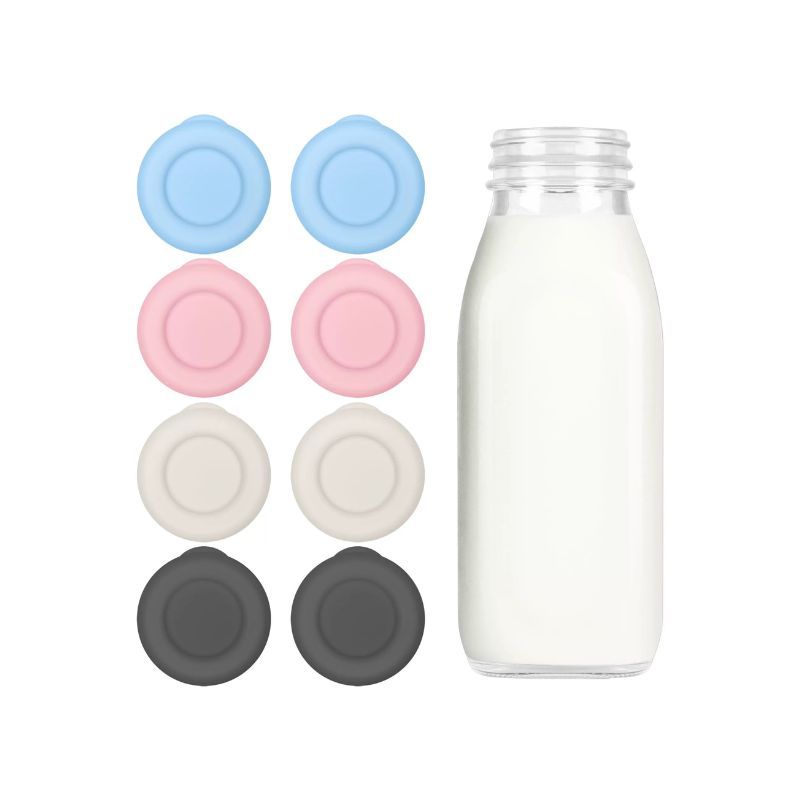
A silicone bottle cap is a seal first and a cap second
Three numbers decide whether it seals
Heat, set and the second wash
Parameter What we hold Why it matters Compound Food-grade silicone Contact, odour and taste Heat resistance Up to 200 °C Hot fill and dishwasher cycles Neck fit Standard glass bottles, size to drawing This is where leaks start Colours Blue, pink, white, black; OEM on request Line identification and branding Reuse Reusable and washable Returnable and refill programmes Process ISO 9001 and IATF 16949 quality system Documentation for a buyer audit 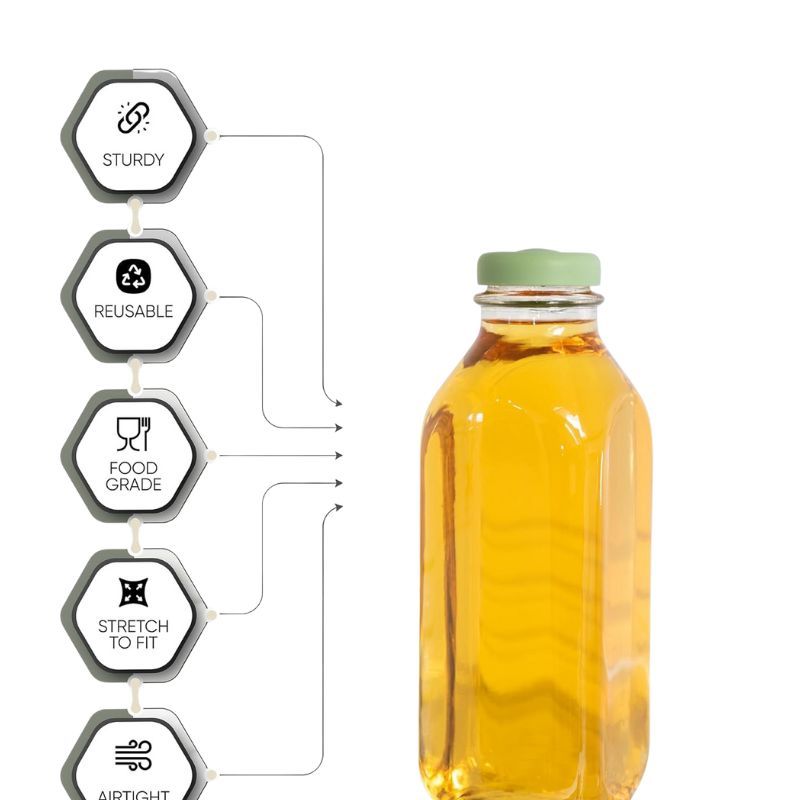
Four stock colours are a working tool
Where these caps run
What we need to quote
What comes back
Send the bottle, not the neck diameter alone
fromrubber.com
+86 18926836960