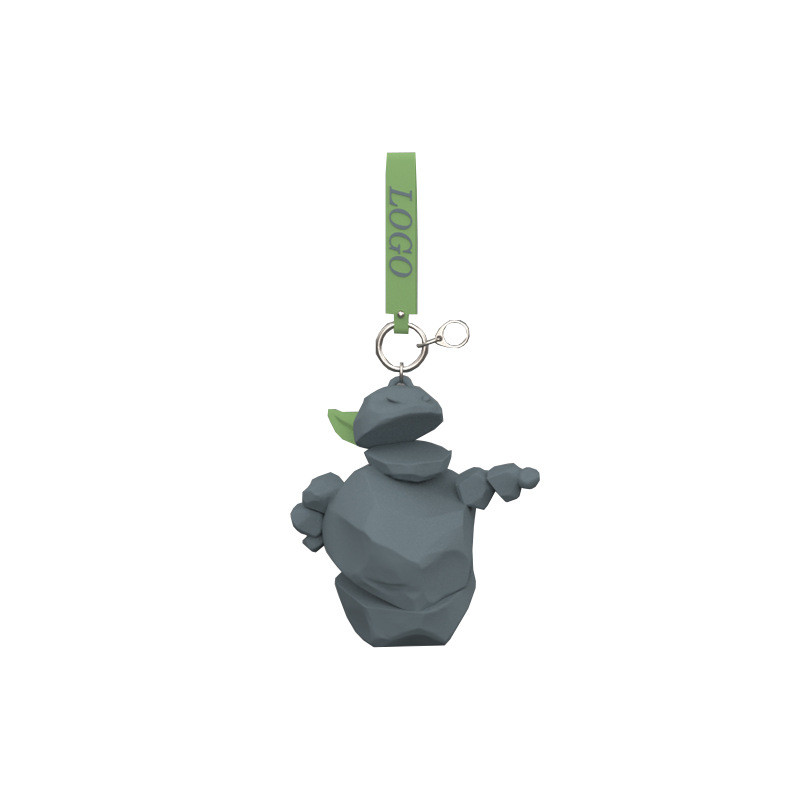
Customized 3d Silicone Pendants For Anime Peripherals And Character Images
- Model
- 3D silicone Pendants
Item specifics
- Product name
- Silicone Nezha figure
- Material
- Silicone
- Color
- Black/red/white/yellow
- Application
- Decorations
- Hardness
- 30-80H
- Packing
- Oppbag
- Size
- Custom
Review
Description
Custom Silicone Parts / Character Merchandise A customized 3D silicone pendant is a small, multi-colour molded object that has to read as the character at arm's length, survive a keyring, and cost little enough to sell as merchandise. Those three requirements fight each other, and the tool decides which one wins. Colour is where most projects go wrong: paint looks right for a month, and moulded colour costs a cavity per colour. This page sets out the detail, colour and hardware limits before the artwork is committed. Four stages from character art to a part that survives a bag. The 3D model is built to moulding rules: draft on every face, radiused edges, no zero-thickness detail. A model that only works as a render becomes a tool that cannot release. Each moulded colour needs its own cavity or shot, so the colour count is the tool cost. Two to four colours covers most merchandise; more usually means assembly or a printed base. Raised and recessed features survive down to roughly 0.3-0.5 mm. Below that the compound fills the detail and the character loses the expression that made it recognisable. The loop is moulded with the figure, with a section thick enough to carry the keyring load. A separate glued loop is the first thing to fail. Windows reflect what moulds reliably. Artwork is checked against them before quotation, because a figure that needs thinner detail needs a bigger charm, not a better mould. Three decisions that determine whether the merchandise is sellable. Paint gives unlimited colour on one cavity but wears at contact points and fails a rub test. For handled merchandise, moulded colour is the durable answer and the tool cost is the price of it. Where the budget allows two cavities, split the figure into a base part and an overmolded colour part. Where it does not, use a printed base with moulded highlights on the areas that get touched. Keyring, ball chain or strap each load the loop differently. The loop is specified with the hardware rather than after it. Reproducing a character requires the rights to that character. We mould to the artwork you are licensed to use and do not verify ownership, so the clearance belongs in your legal review, not in the toolroom. Where the same multi-colour moulding is applied to flat labels rather than figures, see personalized heat transfer silicone labels. A pendant is a small part with a long list of requirements: colour accuracy against the character sheet, edge quality where the figure is handled, loop strength, and a material that satisfies the safety list for the market it sells into. We mold under IATF 16949 and ISO 9001 quality systems with ISO 14001 environmental management. Batches are checked for colour against the approved master, loop section and surface defects, and colour masters are retained with the tool so a repeat order matches the first run. Four steps. Artwork that ignores moulding rules costs a tool to discover. 3D model or character sheet, size, colour count, hardware and the safety requirement for the destination market. We check draft, feature size, undercuts and colour split, and return the changes that make the figure mouldable. Samples in the intended compounds, compared with the character sheet under agreed lighting. Multi-cavity or multi-part tool, colour masters retained, batch checks on colour, loop and edges. Questions from merchandise buyers and brand owners. We can reproduce the model you supply, within moulding limits: 0.3-0.5 mm detail, draft on vertical faces and no zero-thickness elements. Where the art exceeds those limits we say so before tooling. No. Rights clearance is the buyer's responsibility; we mould to the artwork you are authorised to use. That keeps the toolroom out of a legal question it cannot answer. Two to four is the practical range for a charm at this size. Beyond that, the cost is extra cavities or assembly, and a printed base is often the better commercial answer. 30-80 mm tall covers most merchandise. Bigger reads better but weighs more in a pocket; smaller saves material but loses the expression that sells the character. Tell us the size, the number of moulded colours and the hardware. We will return a mouldability note and a colour plan before any tool is cut.Customized 3D Silicone Pendants for Anime Merchandise: Colour, Detail and Licensing

How a Customized 3D Silicone Pendant Is Made
Sculpt, then tool
Cavity per colour
Detail at the mould's limit
Hardware in the same tool

Silicone Anime Peripherals: Detail, Size and Colour Window
Parameter Typical design window Why it matters Overall size 30-80 mm tall for keyring merchandise Detail readability against weight in a pocket Minimum feature 0.3-0.5 mm raised or recessed Smaller detail fills in and disappears Moulded colours 2-4 without paint or assembly Each colour adds a cavity or a shot Body thickness 3-6 mm solid Thin sections warp and lose the silhouette Loop section At least 2 mm, radiused, load-bearing The loop is where every charm breaks Material Phthalate-free compound to the buyer's market requirement Compliance depends on the destination market Silicone Character Images: Paint, Colour and Licensing
Paint versus moulded colour
Colour separation strategy
Hardware and pull strength
Licensing sits with the buyer
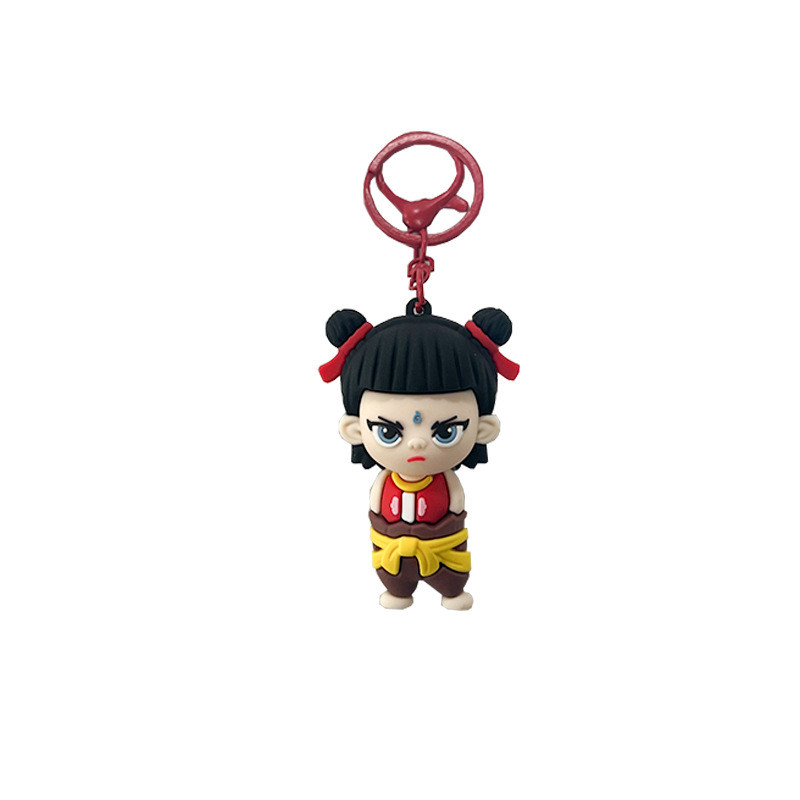
Hardware, Safety and Batch Control for 3D Silicone Pendants
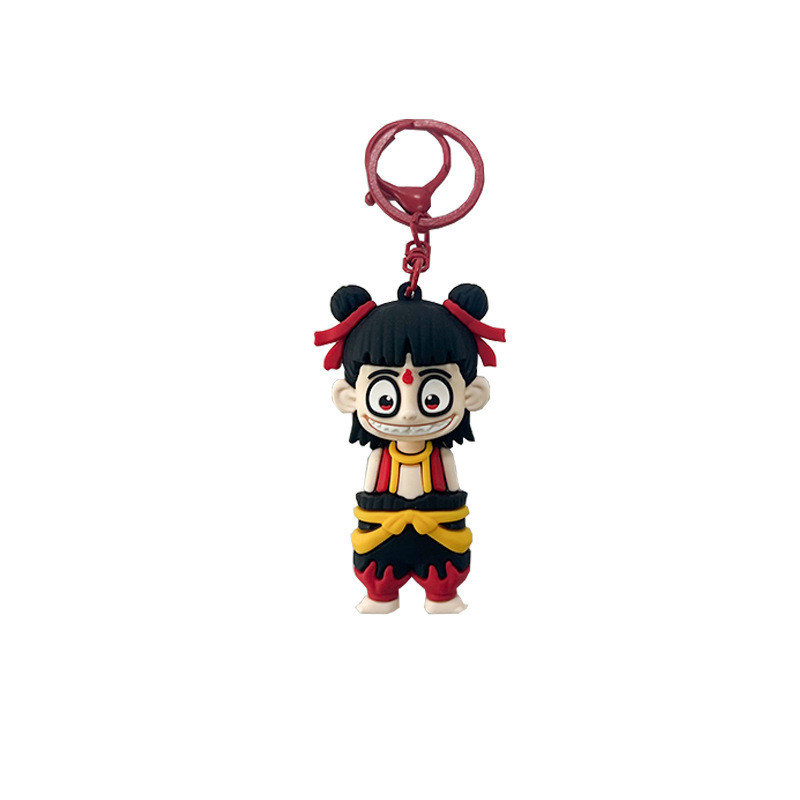
From Character Art to Serial Customized 3D Silicone Pendants
Send the artwork and the market
Mouldability review
Prototype and colour check
Production with colour masters
Customized 3D Silicone Pendants FAQ
Can you reproduce our character exactly?
Do you check whether we have the licence?
How many colours can be moulded without paint?
What size should a keyring charm be?
Send the artwork and the colour count