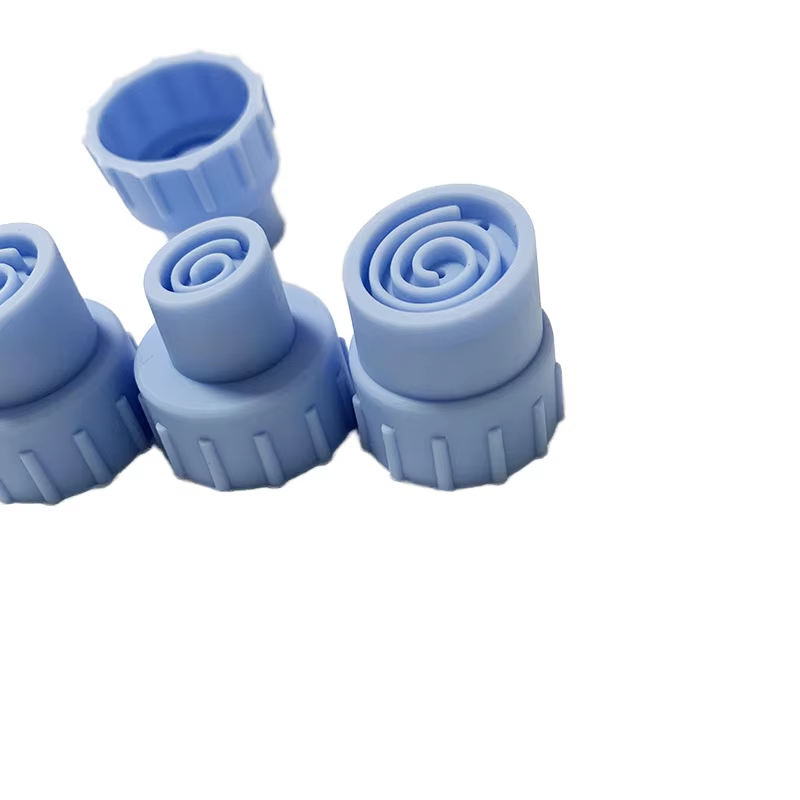
Custom Multiple Sizes Silicone Bubble Head Pore Cleansing Nozzle Silicone Tips
- Model
- silicone Tips
Item specifics
- Product Name
- Silicone Tips
- Material
- FDA Silicone
- Color
- Customise
- Shape
- Customise
- Appliciation
- Blackhead Remove,Pore Cleansing
- Features
- Soft, Reusable, Easy to Clean, Multiple Sizes
- Sales Method
- Product custom
- Consultation Email
- Suey@fromrubber.com
Review
Description
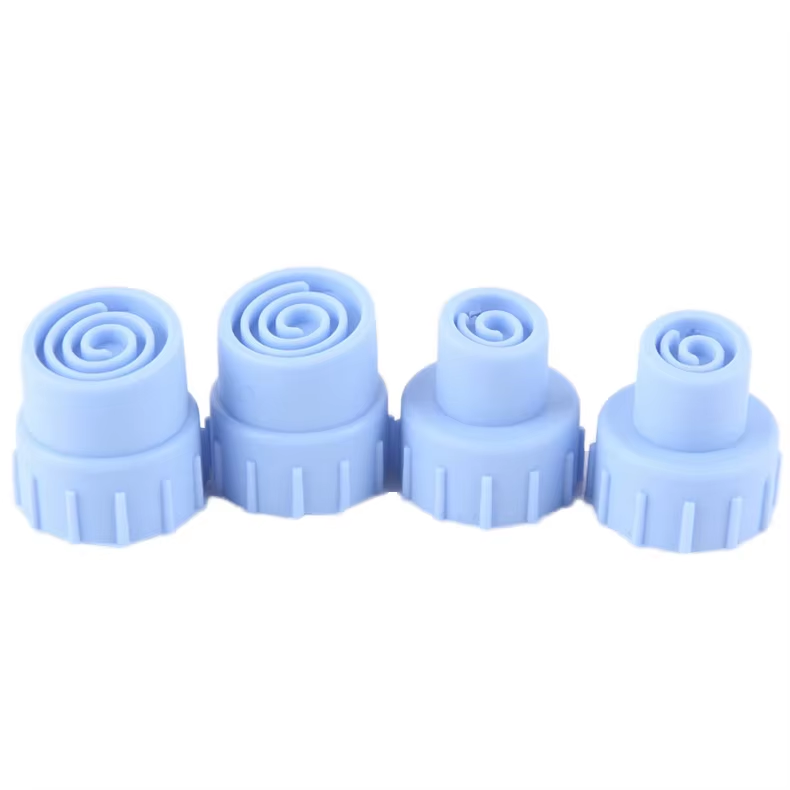
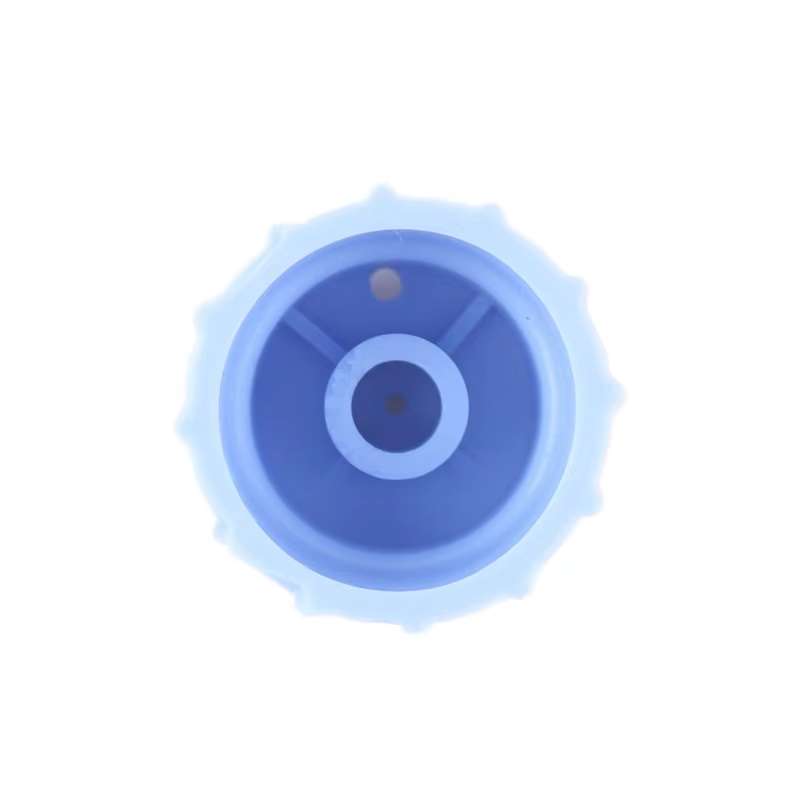
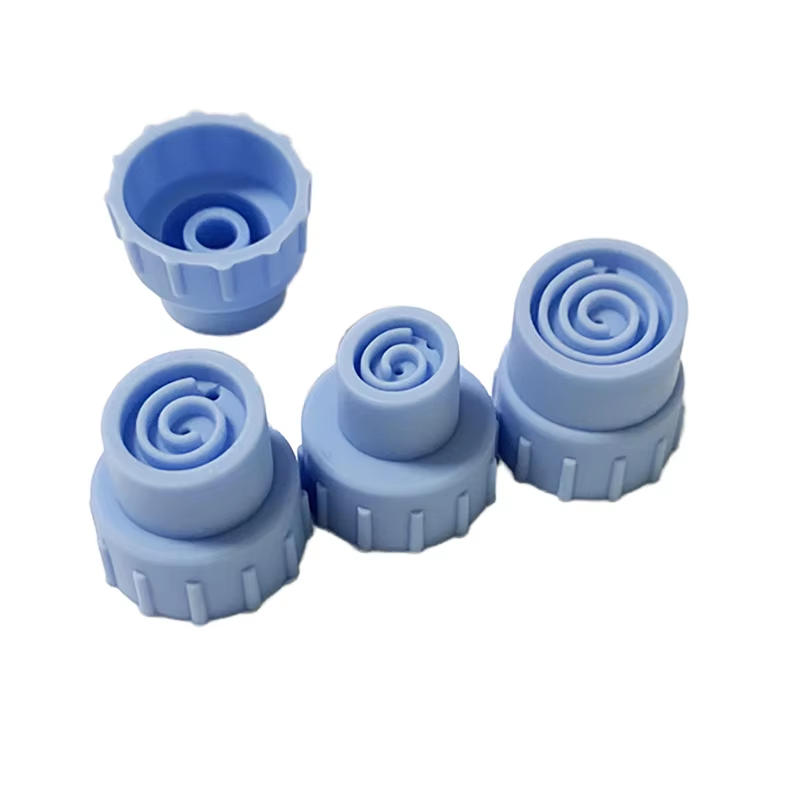
Custom Silicone Parts / Beauty Device Tips A pore cleansing silicone bubble head is a consumable interface between a device and a face. It has to lock onto the device hub without wobble, hold a shape that transmits the motor's movement evenly, and be cleanable enough that the user keeps using it. Most failures are mechanical rather than cosmetic: a tip that runs out of true, a socket that loosens after a few fittings, or a wall too thin to hold its form. This page sets out the fit, geometry and material window we agree before tooling. Four functions, and each one fails in a different way if it is under-designed. The tip is a coupling, not a sponge. Wall thickness and hardness decide how much of the motor's movement reaches the skin and how much is absorbed by the silicone. A press-fit socket with the right interference holds through use; too loose and the tip wobbles, runs out of true and eventually leaves the device at the wrong moment. Grooves and seams trap residue. A face that can be rinsed and dried without a hidden gap is what keeps the tip in use after the first month. Tips are consumables. A consistent socket across production batches means a replacement tip fits the device the customer bought a year ago. Windows are a starting point for a fit review. The socket and run-out that work are confirmed on the actual device hub with a prototype, and dimensional acceptance is written per drawing. The material decision is about what touches skin and what the buyer's compliance file already accepts. Low extractables and no peroxide by-products, which is why skin-contact and beauty accessories usually specify it rather than a general-purpose grade. A 45 Shore A tip and a 55 Shore A tip feel similar in the hand and behave differently against the skin. Specify the number, then confirm on a prototype. The pigment has to be approved for skin contact and must not migrate into the device, the packaging or a white shelf. Ask for the migration result, not just the colour chip. Sizes that differ only in diameter should share a compound, so the customer's experience of the product does not change with the tip they pick. Where the same device family needs a soft-touch housing rather than a tip, the material logic in silicone-coated hardware parts is the adjacent reference. A tip family usually shares one socket and varies the face. That is a tooling decision: a common hub insert with interchangeable cavity details costs far less than one tool per size, and it keeps the fit identical across the range. We mold under IATF 16949 and ISO 9001 quality systems with ISO 14001 environmental management. Batches are checked for socket diameter, run-out, hardness and colour, and the first article records the device hub the part was fitted to, so a later complaint about fit has a reference. Four steps. The device hub arrives before any face geometry is drawn. The mating hub or a device sample, the tip diameters the retail set needs, and the cleaning instructions the customer will follow. We set interference, run-out and wall thickness, then propose face geometry for the movement the device produces. Samples fitted and run on the actual device, with hardness and colour variants for the feel decision. Multi-cavity tool, first article per size, colour master and batch records for socket and run-out. Questions from device brands and OEM buyers before tooling. Yes, if the hubs share a diameter. Where they do not, we design the socket per hub and keep the face geometry common, so the experience stays consistent. A platinum-cured skin-contact grade is the usual starting point. The final choice follows the compliance list your market requires, and we confirm the colour masterbatch against the same list. Press fit, thread or bayonet, depending on the hub. Pull-off force and run-out are agreed as measurable acceptance criteria rather than judged by hand. Yes. Sizes can be colour-coded and packed as a set, with the packaging artwork agreed alongside the part drawing. Tell us the hub diameter, how the tip is fixed and which sizes the set needs. We will propose the socket, wall and face geometry, and confirm them on your device.Pore Cleansing Silicone Bubble Head Tips: Interface Fit, Geometry and Material
What a Pore Cleansing Silicone Bubble Head Has to Do
Transmit the device motion
Stay on the hub
Hold a cleanable surface
Be replaced, not repaired

Pore Cleansing Nozzle Silicone Tips: Fit and Geometry Window
Parameter Typical design window Why it matters Socket fit on the device hub 0.1-0.3 mm interference on the hub diameter Holds the tip without making it hard to fit Run-out at the tip face 0.2-0.3 mm total indicator reading Wobble becomes noise and uneven skin contact Hardness 40-60 Shore A for the skin-contact face Softer conforms; harder transmits more and feels harsher Wall at the cleaning face 1.5-3 mm Thin walls flex and tear; thick walls deaden the motor Face geometry Spiral, dome or ribbed, with groove depth and pitch set per device Controls flex, cleanser retention and feel Colour Masterbatch matched to a device or packaging master Colour migration or batch drift reads as a defect Material Grades for a Silicone Bubble Head Tip
Platinum-cured silicone
Shore A rather than hardness by feel
Colour masterbatch with migration in mind
One compound across the size family
Custom Multiple Sizes Silicone Bubble Head: One Interface, Several Tips
From Device Interface to Serial Pore Cleansing Silicone Bubble Head
Send the device hub
Fit and geometry review
Prototype on the device
Production with masters
Pore Cleansing Silicone Bubble Head FAQ
Can one tip family cover several device models?
Which silicone grade should a skin-contact tip use?
How is the tip fixed to the device?
Can the tips be supplied in retail-ready sets?
Send the device hub and the tip sizes