How Much Does a Custom Mold for MIDI Silicone Button Pads Cost?
- Share
- Issue Time
- Aug 25,2026
Summary
A custom mold for MIDI silicone button pads typically costs $800-$8,000 in one-time tooling, plus $0.08-$0.50 per unit. This guide breaks down every cost driver, compares compression vs LSR injection tooling, and walks through a real 16-pad MIDI controller project - with published sources, internal links, and a quote-checking checklist.
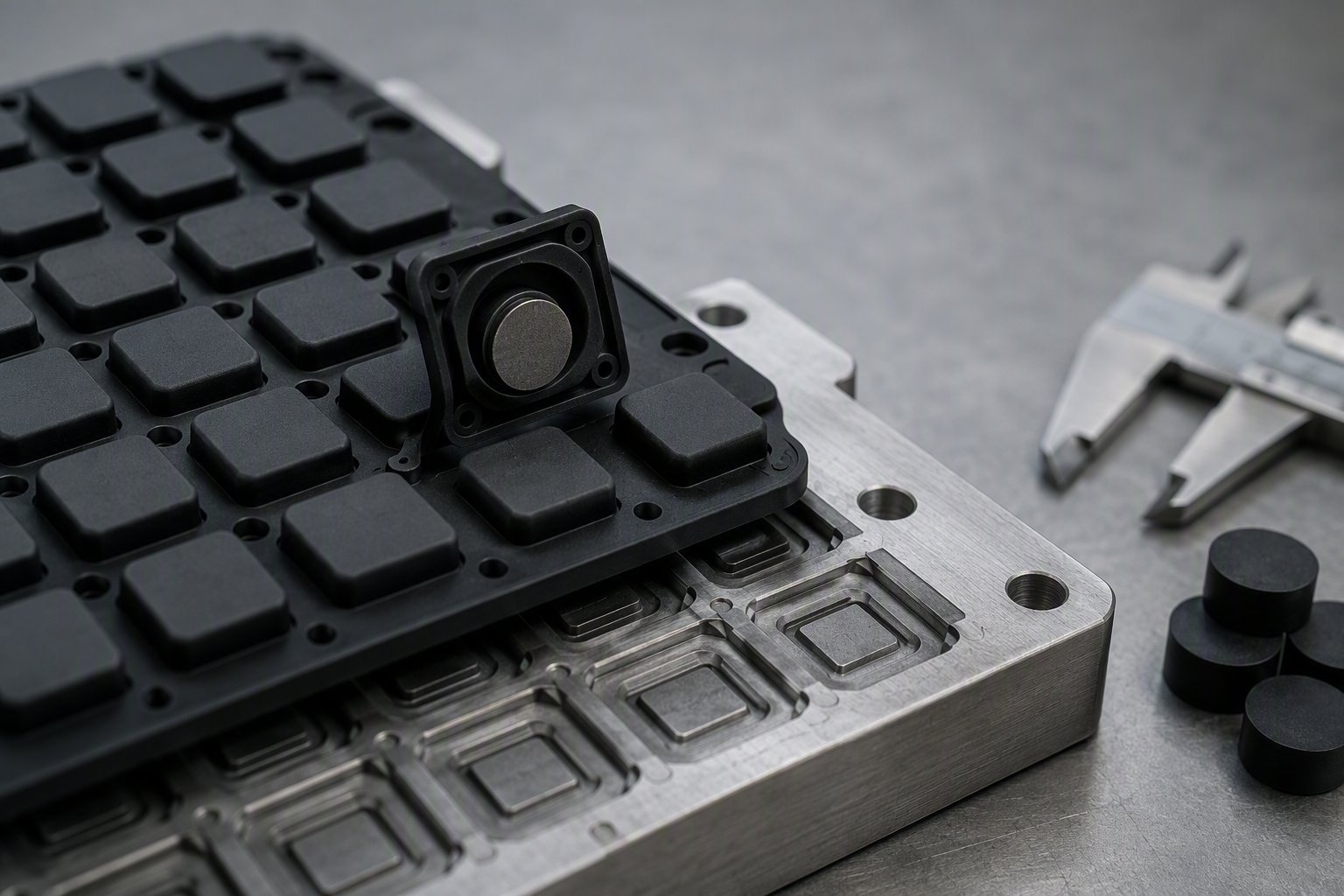
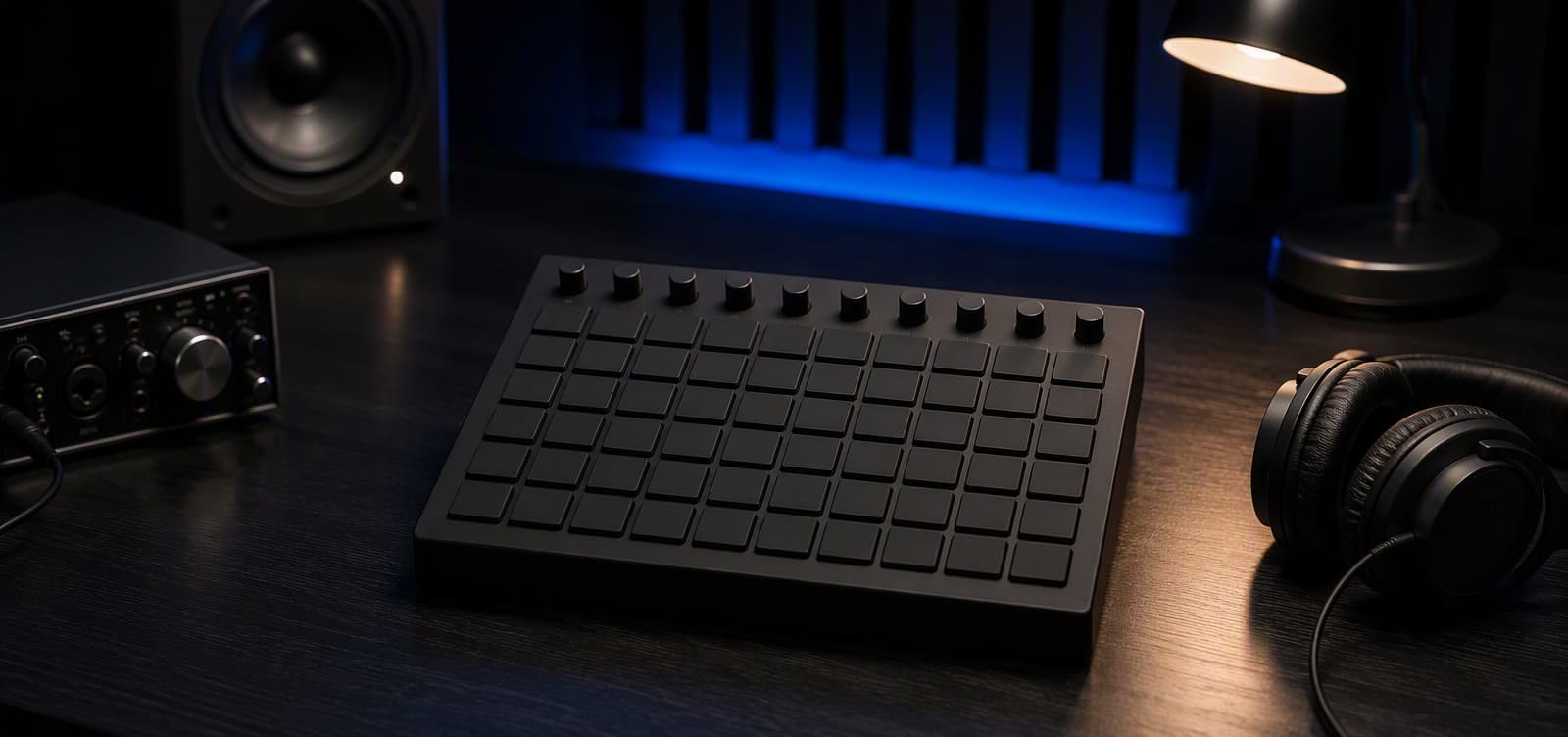
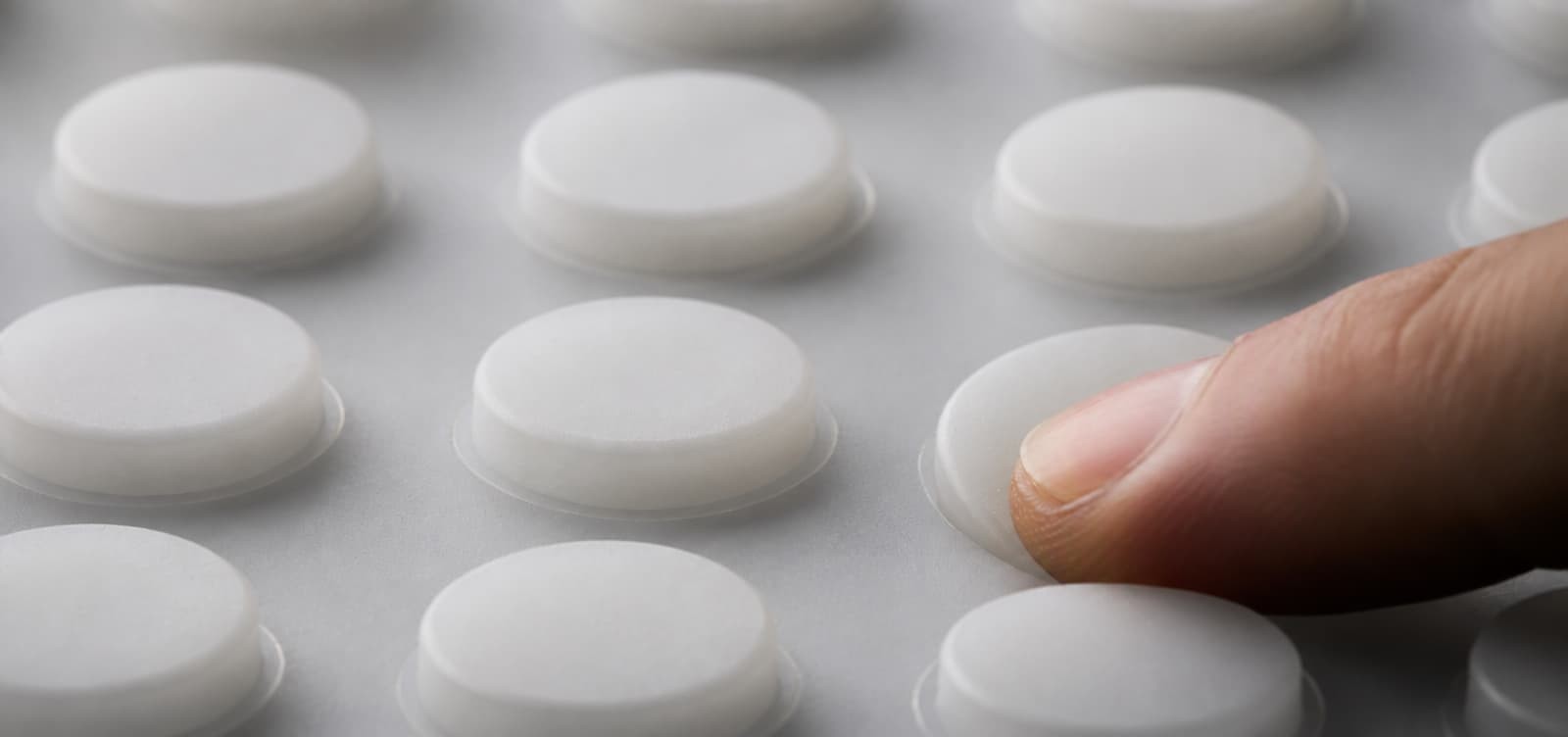
You have the keybed layout drawn, the PCB routed, and a clear picture of the MIDI controller you want to ship. Then the quotation lands, and the mold line alone seems to eat your entire prototype budget. How much does a custom mold for MIDI silicone button pads actually cost — and why do quotes for the "same" keypad vary by 3–5x between suppliers? This guide answers that question with published pricing data from real mold makers and keypad manufacturers, a breakdown of every cost driver, and a worked example from a 16-pad MIDI controller project. No vague ranges — you will leave with a checklist you can use to validate any quote you receive. For a typical MIDI silicone button pad assembly, the one-time tooling cost sits between $800 and $8,000, depending on key count, complexity, and cavity number. Per-unit pricing at production volumes of 1,000–10,000 pieces ranges from $0.08 to $0.50 per keypad before any electrical contact options are added. A standard 12-key design lands around $1,500–$3,000 for tooling and $0.15–$0.30 per unit at 10,000 pieces, based on FromRubber's published project history for 2023–2026. Independent sources bracket these numbers from both sides: Rule of thumb: if a supplier quotes you under $800 for a production silicone keypad mold, ask what is missing — it is usually cavity count, steel grade, or the electrical contact feature your MIDI pads need. A remote-control keypad only needs an electrical short when pressed. A MIDI pad must convert how fast the pad travels into a velocity value from 1 to 127, and it must do that consistently for millions of presses. That requirement changes what the mold has to deliver. The contact interface is the first extra. Most performance MIDI pads use a conductive carbon pill molded into the underside of each pad, which gives a stable dynamic resistance curve and 1M–10M+ cycle life with contact bounce of only 1.5–2.5 ms — the behavior a velocity-sensing microcontroller needs. Carbon-pill tooling requires precise placement pockets in every cavity, and pill positioning tolerance directly affects the consistency of the velocity curve. If you choose screen-printed conductive ink instead, you save the pill-pockets but inherit wear-related resistance drift that commonly shows up first on black keys, as documented in FromRubber's teardown of a failing 49-key MIDI keyboard. The second extra is tolerance. A piano-style keybed demands consistent key pitch, pad height, and actuation force across every cavity — which means tighter machining tolerances, more inspection points, and a more expensive mold frame than a loose-tolerance appliance keypad. Musicians notice 10 g of force difference between keys; the mold has to hold that consistency cavity after cavity, run after run. See our guide on carbon pill vs. conductive ink for MIDI keypads for the full electrical comparison. Once you understand that keypad pricing is driven by engineering choices, not order quantity, you can read any quotation intelligently. These five variables account for almost all of the spread between quotes: The biggest lever is cavity count. Going from a single cavity to a 4-cavity mold typically drops unit price by 25–40% once volume passes roughly 20,000 pieces, because the amortized tooling cost spreads across four times the output per press cycle. Ordering 1-cavity tooling for volumes above 20k is one of the most common ways buyers overpay. There are two mainstream ways to build a silicone button pad, and the mold cost difference between them is significant: Industry sources agree on the direction: Haizol notes that compression molding's lower tooling costs make it the economical choice when production volume is under roughly 5,000 parts, and that silicone processes well in compression. HB Silicone and Xometry reach the same conclusion — compression wins on entry cost; injection wins on automation and complexity at scale. Protolabs, which runs LSR injection, uses aluminum molds to cut cost and lead time for prototyping. For most MIDI controller pads — flat grids, moderate tolerance, volumes in the low thousands — compression molding with a steel tool is the cost-effective default. Reserve LSR for thin-wall, complex-geometry, or very high-volume designs where the premium tooling pays for itself in cycle time. A US IoT device maker brought FromRubber a 16-key keypad drawing for a smart-home controller in 2025 — the same class of part as a 16-pad MIDI drum controller. Their existing quotes ranged from $0.12/unit (a workshop with silkscreen legends and no post-cure documentation) to $0.35/unit (a Tier-1 house with a 100k MOQ). FromRubber's quote: $0.24/unit at 20,000 pieces with a 4-cavity mold at $3,400 tooling. How the decision played out Translate that to a MIDI pad: the lesson is the same one FromRubber documented in its 49-key controller teardown. When a contact or legend choice saves $0.05 per unit but fails at 400k presses against a 5M-cycle target, the warranty cost — shipping, refurbishment, customer service — wipes out the saving many times over. In that MIDI case, a $1,800 tooling modification plus a $0.048 per-keypad BOM increase eliminated an 8.7% return rate and paid for itself within the first 1,200 replacement units. Mold cost is a balance-sheet number; field failure is a P&L number, and it is always bigger. Related reading: conductive ink thickness vs. contact impedance and solving LED diffusion in backlit MIDI keypads. The mold price on the quotation is never the whole cost of getting a working MIDI keypad. Budget for these before you compare suppliers: For a complete cost anatomy of silicone keypads — material share, conductive pill share, legend share, and post-cure share — see FromRubber's silicone rubber keypad cost breakdown. A vague drawing produces a vague price. The difference between a $1,500 quote and a $4,500 quote for the same-looking part is almost always specification clarity. Follow this sequence: 2D or 3D with key pitch, pad height, actuation force target, and material durometer specified. Carbon pill or conductive ink, target contact resistance, and cycle-life target. This single line changes the tooling quote. A real manufacturer returns a design-for-manufacturing review with the quote — draft angles, venting, flash lines, and cavity recommendations. How many sample rounds, what each costs, and how long the first article takes. For keypads, plan roughly 2–7 days to first samples from a prepared mold. Never accept a blended price. You need the one-time tooling line and the per-unit line separate — that is how you amortize correctly across re-orders. Usually yes, but not because of the silicone. The premium comes from velocity-contact features (carbon pill pockets), tighter tolerance on key pitch and force, and any backlight or legend features in the tool. Expect a 20–50% premium over a comparable non-performance keypad. Yes. Aluminum prototype molds or 3D-printed inserts let you validate feel and contact geometry for a few hundred to a couple thousand dollars. Protolabs, for example, builds LSR parts in aluminum molds in as little as 15 days. Prototype tooling is not production-capable, but it de-risks the steel investment. Compare the specification, not the number. Check cavity count, steel grade, whether carbon pill pockets are included, legend process, post-cure documentation, and sample policy. A $1,800 quote for a 4-cavity backlit MIDI pad is either a great deal or a quote that does not include what you think it does. Well-maintained steel compression molds are typically good for 500,000–1,000,000 shots, and can last 20+ years in storage per JCAD USA. The mold itself is rarely the first thing to fail — the conductive contact and legends are. This guide consolidates published pricing data from the following manufacturers and engineering references. Figures cited above link to the original sources: Cost ranges are drawn from the cited sources and FromRubber project history 2023–2026; actual quotes depend on your drawing and specification. Treat published ranges as sanity-check bands, not offers. About the author — FromRubber (FrmRubber, brand of Dongguan Bohao Electronic Technology Co., Ltd.) has manufactured custom silicone rubber keypads and molded parts since 2010, with 15,000 m² of production base, 220 molding machines, and more than 7,500 silicone and injection projects delivered. We engineer the contact interface, not just the rubber: DFM review, carbon-pill and legend process selection, and tooling built for your MIDI product's cycle-life target. Request a quote through the inquiry page or read more in the FromRubber blog.1. The Short Answer: What a MIDI Silicone Keypad Mold Costs in 2026
2. Why MIDI Silicone Button Pads Are Pricier Than a Standard Keypad
3. The Five Cost Drivers That Move the Quote of MIDI Silicone Button Pad
Cost driver Typical impact on tooling Why it matters for MIDI Key count & key pitch Linear to key count; tight pitch adds machining cost 37–88 note keybeds need many cavities and fine pitch control Cavity number (1 → 4 → 8) Higher upfront, cuts unit price 25–40% above ~20k volume Drum-pad grids are often molded 4–8 up Steel grade & process Compression molds cheaper; LSR steel molds pricier LSR suits complex geometry, not always needed for pads Contact feature (pill vs. ink) Pill pockets add per-cavity machining Carbon pills are the performance default for velocity Legends, backlight & finish Laser etching, translucent layer, or two-shot adds $500–$3,000 Backlit pads need light-diffusion features in the tool
4. Compression Mold vs. LSR Injection Mold: Two Paths, Two Price Tags
Factor Compression molding LSR injection molding Typical tooling $800–$8,000 (simpler steel plates) Often higher; precision steel or aluminum with runner systems Best volume Low to mid volume (under ~5,000–20,000) Mid to high volume, thin or complex geometry Keypad fit Workhorse for standard keypads, thick sections Complex 3D shapes, tight tolerances, automated demolding Material flow Pre-weighed silicone slug pressed in a heated cavity Liquid silicone injected at high pressure Tooling payback Lower entry cost; economical at low/medium volumes Higher entry cost that amortizes at scale 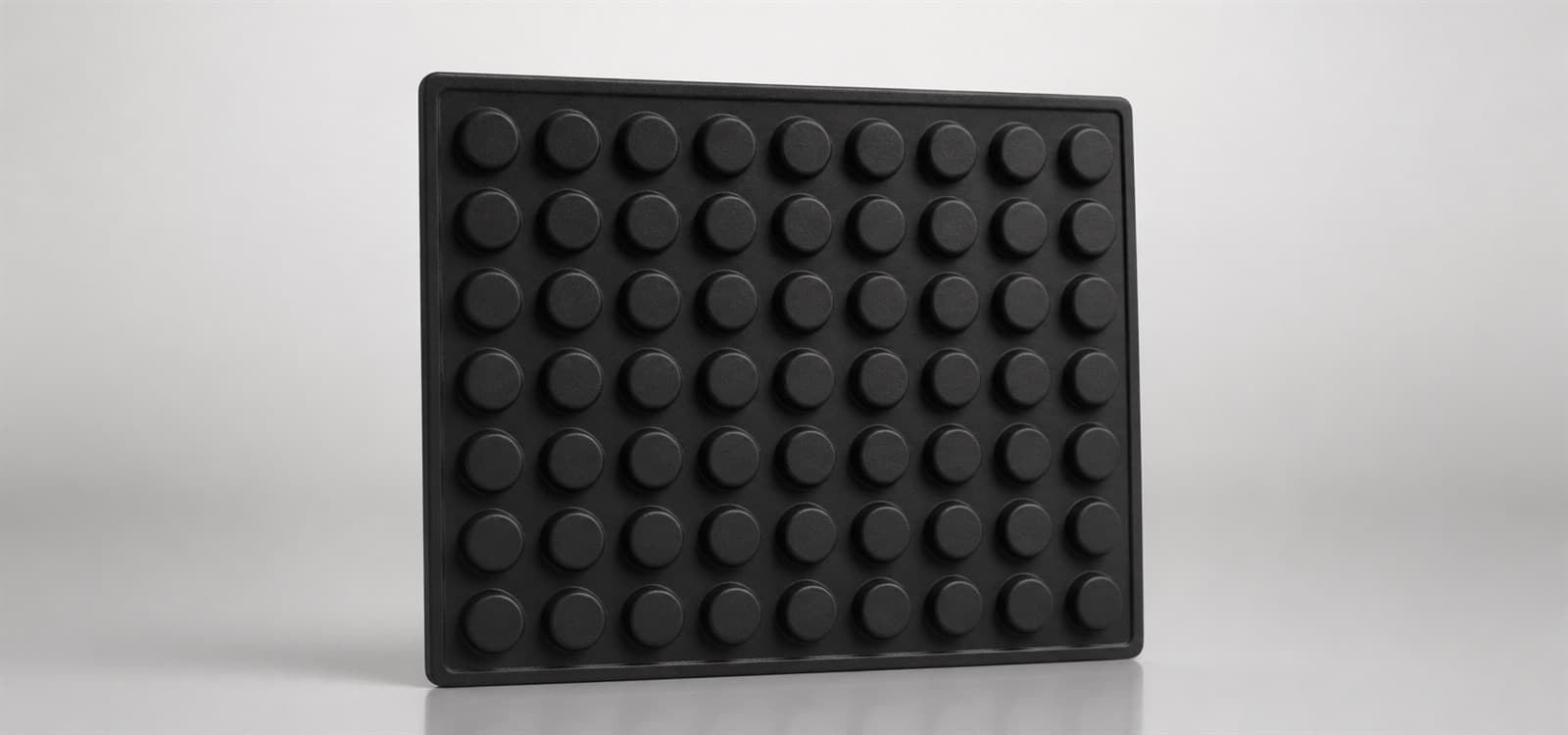
5. Real Project: A 16-Pad MIDI Controller's Tooling Journey
6. The Hidden Costs Buyers Miss
7. How to Get an Accurate Quote in Five Steps
8. Frequently Asked Questions
Is a MIDI silicone keypad mold more expensive than a standard keypad mold?
Can I prototype a MIDI silicone button pad without paying for production tooling?
Why did my supplier quote $5,000 when my previous supplier quoted $1,800?
How long does a silicone keypad mold last?
9. Sources & Technical References