Personalized Heat Transfer Silicone Labels Beautiful And Durable For Clothes, Hats, Bags, Etc.
- Model
- rubber Patches
Item specifics
- Material
- Silicone/PVC
- Shape
- Custom
- Size
- Custom
- Application
- hat clothes bags
- Certification
- FDA/Rohs/ISO9001/ISO14001
- Quote time
- 2 hours
- Cost
- Mold+Product Amount
Review
Description
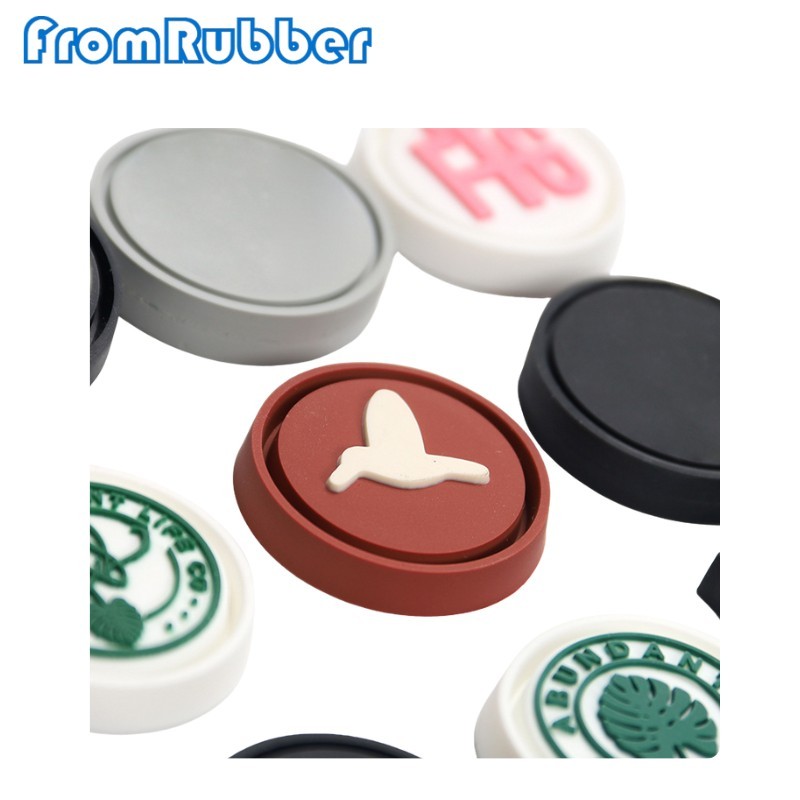
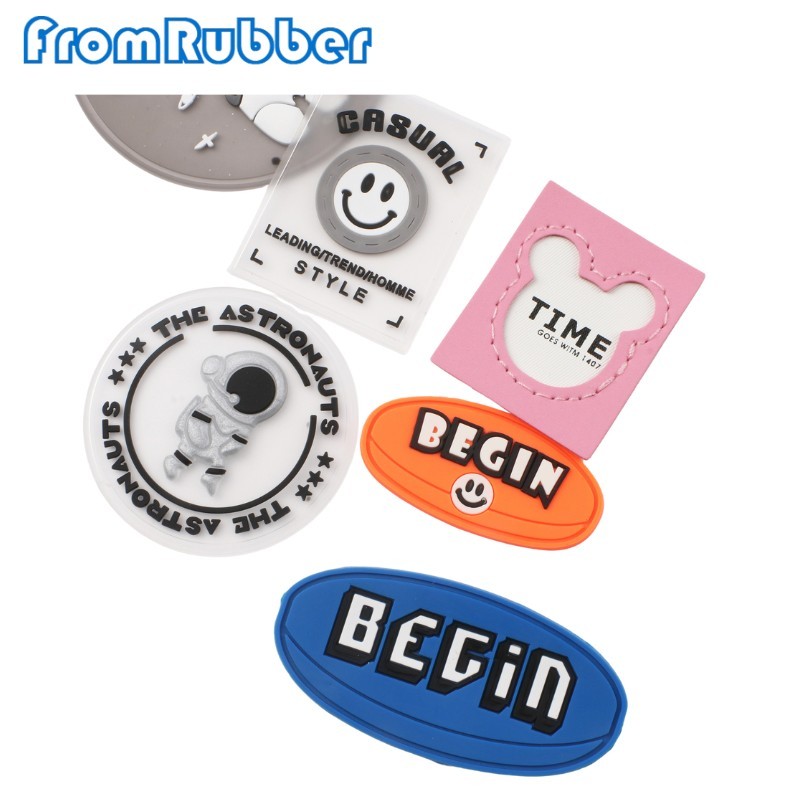
Custom Silicone Parts / Heat Transfer Labels Personalized heat transfer silicone labels are molded or die-cut silicone with a hot-melt adhesive film, applied with a heat press. They give a raised, rubber-feel brand mark on garments, hats and bags without stitching or a woven tag. Three decisions decide whether the label survives: the film and the application window, the thickness against the fabric's stretch, and the edge profile. Get those right and the label outlasts the garment; get one wrong and it lifts at a corner after ten washes. The substrate decides more of the specification than the artwork does. A label on a stretch knit has to move with the fabric. A rigid, thick label on a jersey cracks at the edge; a thin label with a stretch film follows the knit and stays flat. Low stretch and high abrasion: here thickness is an advantage, and a thicker label with a strong film reads as hardware rather than decoration. Curved seams and a small radius mean the label has to conform. Smaller labels with a bevelled edge survive the crown curve better than large flat discs. Repeated flexing at a heel or a strap is a fatigue test. The label section and the film have to be chosen for flex rather than for flat adhesion. Application settings are confirmed on your fabric, because press temperature, dwell and pressure interact with the film and the weave. A label that passes on cotton can fail on a coated polyester. Four choices that separate a premium label from a flat print. A raised label is a separate moulded piece; an embossed design is pressed into a flat label. Raised reads stronger in the hand and costs more to tool. Moulded colour holds through washing and abrasion. Paint or print on a silicone label is a surface layer and behaves like one. Matte hides scratches on bags and reads as rubber; gloss catches light on dark garments but shows handling marks. Labels are supplied on a carrier so the press operator can position them. Carrier choice affects both handling speed and the chance of trapping air. Where the requirement is a moulded 3D figure rather than a flat label, the colour and detail limits are set out in customized 3D silicone pendants. Wash durability is a system property: label thickness, edge radius, film and press settings all contribute. That is why the test is run on the buyer's fabric with the buyer's wash method instead of on a laboratory swatch. We mold under IATF 16949 and ISO 9001 quality systems with ISO 14001 environmental management. Batches are checked for thickness, colour against the master and edge quality, and application settings are documented so a second factory presses the label the same way. Four steps. The fabric sample decides the thickness before the artwork decides the shape. The actual garment or bag material, the artwork at vector quality, the target size and the wash requirement. We match thickness and edge radius to the fabric's stretch and the wear points, and pick the film. Labels pressed on your fabric with documented settings, then washed to the agreed cycle count. Moulded or die-cut labels, colour master retained, application settings issued with the first delivery. Questions from apparel brands and promotional buyers. With the right film, edge profile and press settings, yes, to the cycle count agreed with your wash method. The test is run on your fabric because the same label performs differently on cotton and on coated polyester. Yes. Bags and shoes take a thicker label and a stronger film; hats need a smaller label with a bevelled edge to follow the crown curve. 1.5-2 mm reads clearly as a raised mark. Thinner than about 1 mm it looks like a flat print, and thicker than 2 mm starts to resist drape on garments. Tooling is the fixed cost, so small runs are possible once the tool exists. The quantity that makes sense is quoted with the artwork and the colour count. Tell us the material the label goes on, the size and the wash requirement. We will propose the thickness, edge and film, and press samples on your fabric for a wash test.Personalized Heat Transfer Silicone Labels: Thickness, Application and Wash Life
What Heat Transfer Silicone Labels Are Applied To
Knitted garments
Woven and canvas bags
Hats and caps
Shoes and accessories

Heat Transfer Labels for Bags and Garments: Application Window
Parameter Typical design window Why it matters Label thickness 0.5-2 mm Thin follows fabric; thick gives the 3D look but resists drape Adhesive film Hot-melt film applied by heat press Peel strength depends on film, fabric and press settings together Application temperature and dwell Set per label and confirmed on your fabric Under-cured film lifts at the edge after washing Fabric type Cotton, polyester and blends; stretch knits need a stretch film A rigid label on a stretch knit cracks Edge profile Rounded or bevelled, no square corner Square corners catch and start the peel Wash life Cycle count agreed with the buyer's wash method The method matters more than the number Custom Silicone Label: Thickness, 3D Effect and Colour
Raised 3D against embossed
Colour without paint
Finish: matte or gloss
Backing and handling

Colour, Rubber Feel and Wash Durability of Silicone Labels
From Artwork to Serial Heat Transfer Silicone Labels
Send the fabric and the artwork
Thickness and edge review
Prototype and wash test
Production with masters
Heat Transfer Silicone Labels FAQ
Will the label survive washing?
Can labels go on bags, hats and shoes?
How thick should a label be for a 3D look?
Can you supply small quantities?
Send the fabric and the artwork