


Soft Waterproof Silicone Heat Transfer Patches & Cartoon Badge for Clothing
- Model
- BH-silicone label
Item specifics
- Design
- Follow 3D Drawing Or Physical Object
- Process
- Molding
- Feature
- Safe, colorful, and washable
- MOQ
- 1000pcs
- Application
- kidswear, sports apparel, and promotional clothing
Review
Description
A heat-transfer silicone patch is a moulded part with a heat-activated adhesive layer. It goes on in one press cycle, with no stitching, no thread and no needle holes - which is exactly why it suits sportswear, kidswear and promotional runs where a decorated panel must stay soft and waterproof. The catch is that the same patch can bond perfectly on one fabric and delaminate on another, at the same press setting, because the adhesive interacts with the fibre and its finish. So the useful specification is not "washable patch". It is a three-variable window - temperature, pressure, dwell - plus fabric, plus a peel test at the end. This page sets out that window and the defects that tell you which variable to change. Fabric is the first filter, not the last. The table below is how we qualify a transfer programme; the press numbers that follow are the starting point for a trial, and the trial decides the final setting. A "polyester" from one mill is not the same substrate as a "polyester" from another. The only reliable qualification is a press trial on the production fabric, followed by a wash and a peel. Move up for cotton and heavy fleece, down for polyester and thin shells. On synthetics, lower temperature and longer dwell is safer than the reverse, because overheating damages the fabric before it improves the bond. Enough pressure to bring adhesive and fibre into intimate contact across the whole area. Uneven pressure is the reason a large patch lifts at one corner while the rest holds, and it usually comes from a worn platen pad. Peel cold. A warm peel pulls adhesive away from the fibre while it is still soft, which produces a bond that looks right and fails on the first wash. Three variables, one order of adjustment: fix the fabric first, then find the lowest temperature that passes the peel, and only then shorten the dwell for throughput. Raising temperature to gain speed is how scorch marks and dye migration enter a programme. Lift confined to the perimeter points to low pressure at the edge, a worn pad, or a water-repellent finish. If the whole outline lifts evenly, suspect the adhesive layer rather than the press. Moisture in the fabric turns to steam under the platen. Pre-press the panel for a few seconds, or dry the goods, before the transfer goes down. A glossy ring around the patch, or a visible platen impression in the fabric, means the temperature is above what the fibre will take. Drop temperature and extend dwell. Disperse dyes move into silicone at temperature. It is not reversible, and it is the reason a white patch on a deep-dyed polyester needs a barrier layer or a different fabric. A patch pressed across a seam bridges a step and lifts at the seam line. Move it clear, or use a smaller format that sits within one panel. Knees, elbows and the seat of a garment stretch most. A rigid decoration there cracks or lifts; a thin, small one survives. On a knit, press along the wale rather than across it, so the patch moves with the fabric instead of against it. For the wider picture on patch formats - including when a woven or TPU label is the better answer - see the apparel brand's guide to custom silicone patches. Transfer-specific decoration practice is covered in 3D heat press garment labels. The moulded silicone body does not absorb water, which is why these patches suit outerwear. Whether the assembly stays waterproof depends on the fabric finish and the bond line, so test the decorated panel if the garment carries a waterproof claim. Each colour is a separate cavity fill, so colour count is a tooling and labour decision rather than a print limitation. Send the artwork with spot colours separated and we will confirm what is practical at your quantity. Not reliably. A press needs a flat, supported surface. Move the decoration to a clear panel, or plan the pocket after decoration in the sewing sequence. Production starts at 1,000 pieces for a custom moulded design. Below that, the tooling cost dominates and a stock shape with a printed or laser-marked detail is usually the better commercial answer. The press window depends on the fabric as much as the patch. Send the blank garment or a panel of it with your artwork, and we will return a moulded proposal plus the press setting that passes a wash and peel test on that substrate.Heat-transfer silicone patches: the press setting decides the result, not the moulding
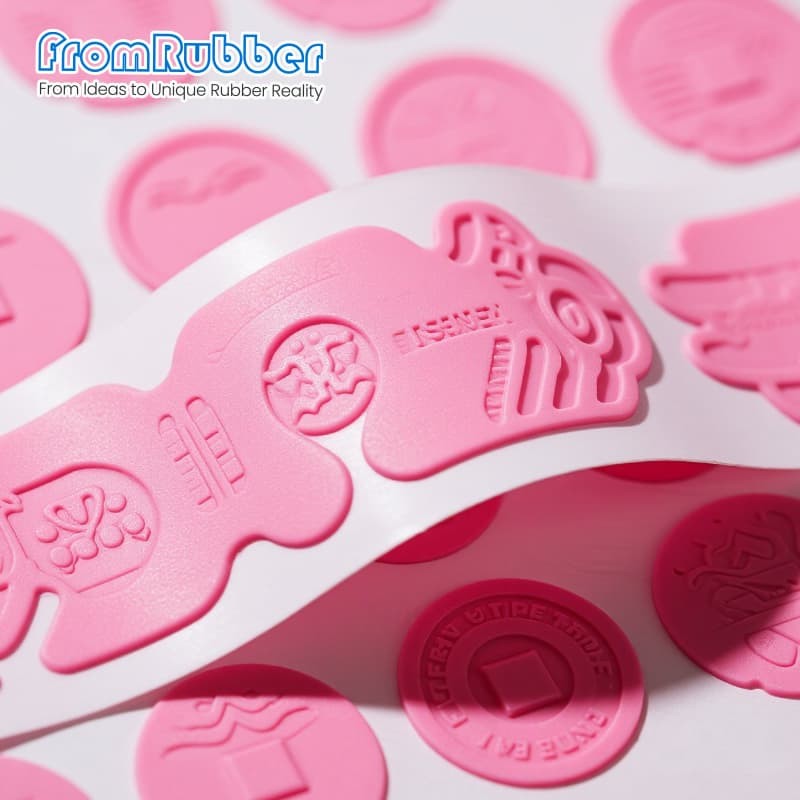
Match the fabric before you match the colour
A starting window, and how to move inside it
Temperature
150 to 170 degrees C
Pressure
Firm and even
Dwell and peel
10 to 20 seconds, then cool
Read the defect, not the specification
Edge lift
Pressure or coating
Bubbles under the patch
Moisture
Gloss or a shiny outline
Too hot
Colour bleeding into a light patch
Dye migration
Kidswear and promotional runs: what to ask for
Kidswear
Promotional and sports runs
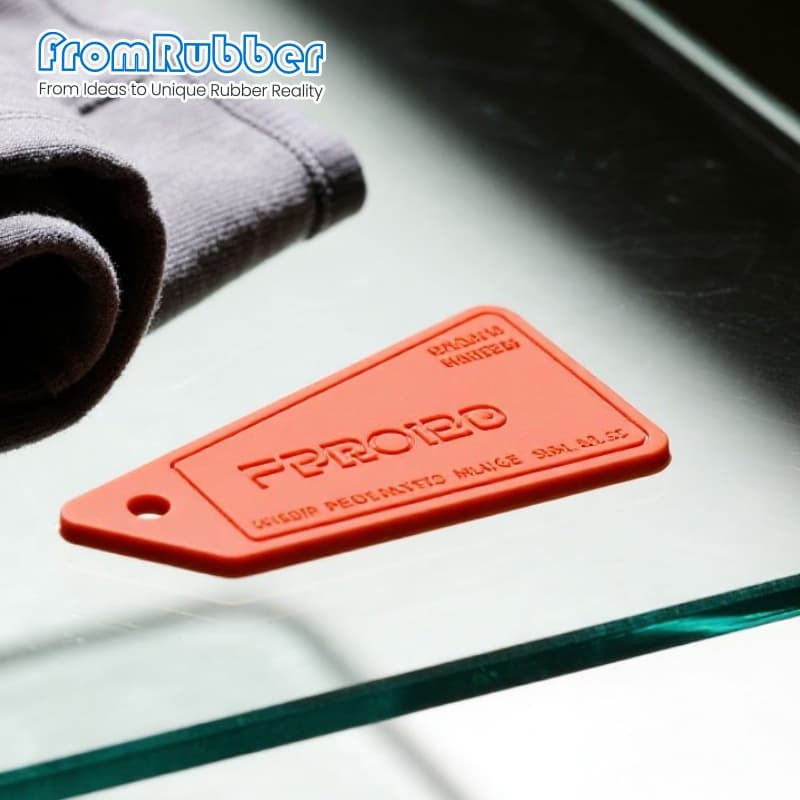
Placement rules that survive wear
Stay off the seam
Avoid the stretch zone
Respect the grain

Questions from apparel and promotional buyers
Is the patch actually waterproof, or water-resistant?
How many colours can a moulded transfer carry?
Can it be applied over a zip or a pocket?
What quantity does a custom transfer need?
Send the garment, not only the artwork


