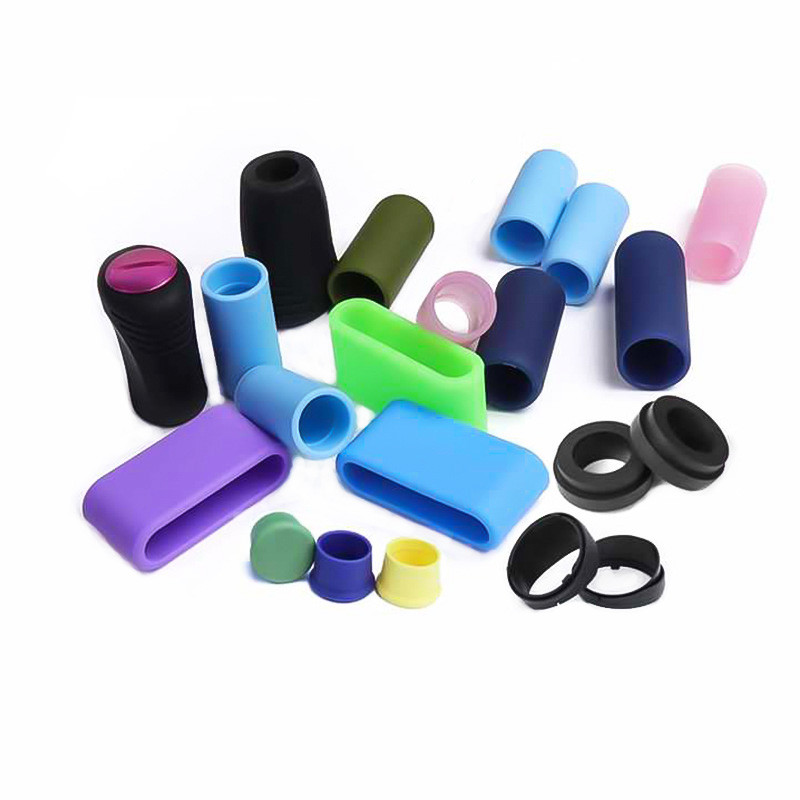
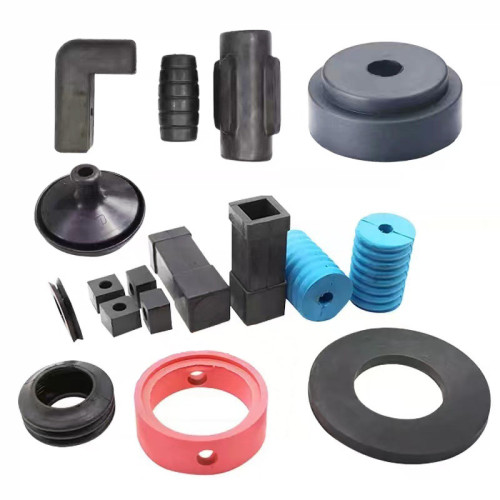
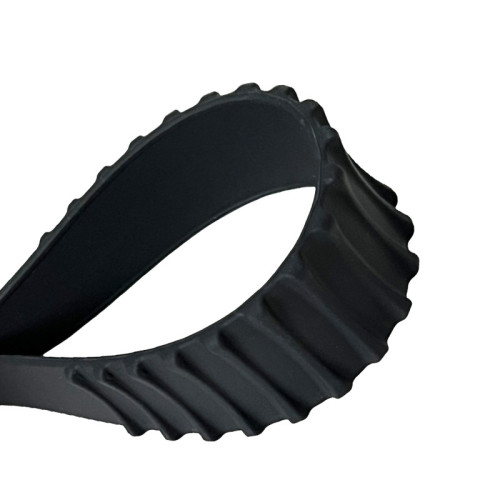
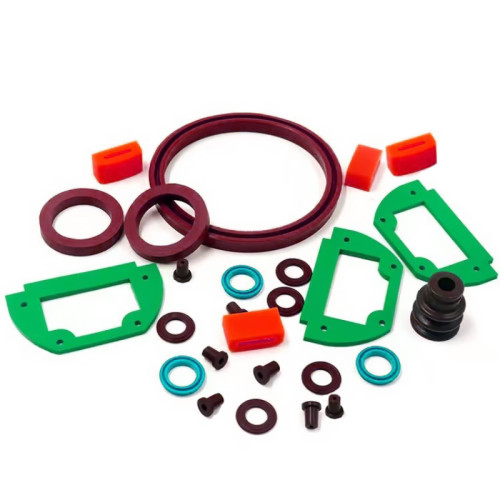
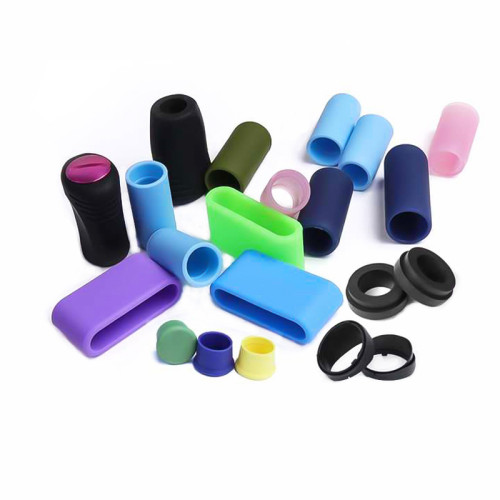
Durable Car Rubber Parts for Long-Lasting Reliability
- Model
- BH-auto1
Item specifics
- Product Name
- Car Rubber Parts
- Material
- Rubber Silicone
- Color
- Black,Custom
- Shape
- Customise
- Appliciation
- Auto
- Features
- Long-Lasting Reliability
- Sales Method
- Product custom
- Consultation Email
- Suey@fromrubber.com
Review
Description
Custom Silicone Seals / Durability Engineering Durable car rubber parts for long-lasting reliability are defined by what the part still does after ageing, fluid contact and cycling, not by how it feels on the bench. A rubber part does not fail because it is soft or hard; it fails because a property that mattered fell below a threshold nobody wrote down. This page sets out the four properties that predict a leak or a crack, the test matrix we agree with you, and the way a durability requirement should be written so that a good part is not rejected and a bad one is not accepted. Four reasons a part that passed its first article still fails in service. A compound can keep its hardness and lose a large share of its elongation. Durability needs the property that tracks the failure: elongation and compression set for seals, tear and crack growth for dynamic parts. Twenty-four hours at a temperature the part never sees proves nothing. Soak temperature, fluid and cycle count have to come from the mounting position, not from a template. The first parts pass and the sixth batch does not, because compound records were not held. Durability is a process claim before it is a material claim. A cut lip or a twisted seal fails within weeks and is reported as a durability problem. Assembly trials belong in qualification, not in the complaint log. The matrix is a starting point for review, not a specification. Acceptance values come from the drawing, the compound TDS and the vehicle program, and the test frequency is agreed before the first batch. Most durability arguments are specification arguments. Four sentences remove most of them. Say the seal must not leak after 500 thermal cycles, rather than citing a test that may not match the duty. A standard is a method; it is not a requirement. Years and cycles in the mounting position. A two-year part and a ten-year part should not share a test plan. Hardness within a stated band and elongation retained above an agreed share after ageing. Those are the numbers that predict a leak. Surface discolouration is not a leak. Agreeing what is cosmetic keeps good parts from being rejected and keeps attention on the parts that matter. Where the durability question is really a compression question, silicone gasket thickness and compression is the relevant reference. Durability that depends on one good batch is not durability. Compound records, cavity identity and retained samples are what make the sixth order behave like the first. We mold under IATF 16949 and ISO 9001 quality systems with ISO 14001 environmental management. Batches are checked for hardness, key dimensions and compression set, ageing and fluid tests run to the agreed plan, and samples are retained so a field question can be answered with a part, not an opinion. Four steps, in this order, because the test matrix should not be invented after the tool is cut. Where the part sits, what it touches, the temperature and fluid it sees, and the service life the program expects. We propose compound, geometry and the ageing, fluid and flex tests that track the failure mode, with acceptance values. Single-cavity samples validated on the agreed plan rather than on a bench check at room temperature. Production tool, first article, batch checks and retained samples for the life of the part. The questions that decide whether a durability claim survives an audit. It is a program target, not a material constant. A chassis seal is written against years and thermal cycles; a heat-shield boot against soak hours. The test plan is built from that target. Assembly damage or the wrong compound for the fluid, more often than ageing. A line trial and a fluid immersion test catch both before serial supply. First article plus batch checks on hardness, dimensions and compression set; ageing and fluid tests follow the agreed plan at the agreed frequency. Yes, to a drawing. Sample-based copies are measured rather than traced, because a used part has already changed shape and hardness. Tell us what the part touches and how long it has to last. We reply with the compound, the test matrix and the retention thresholds we would write into the drawing.Durable Car Rubber Parts for Long-Lasting Reliability: Defined by Tests, Not Adjectives
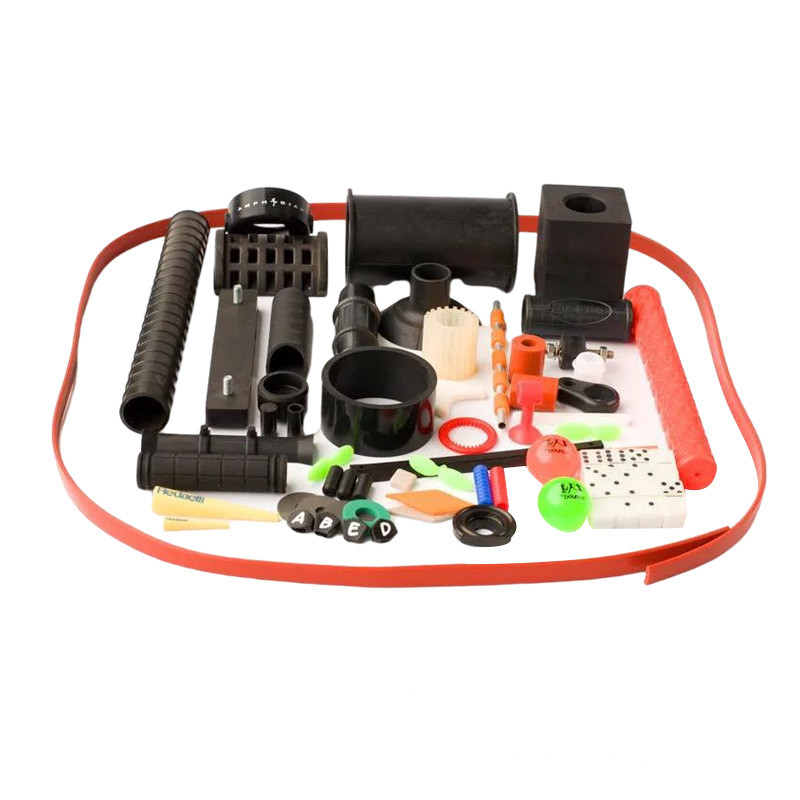
What Long-Lasting Reliability Means for Car Rubber Parts
Ageing measured on the wrong property
Test conditions chosen to pass
Batch drift between first article and serial supply
Assembly damage that looks like ageing
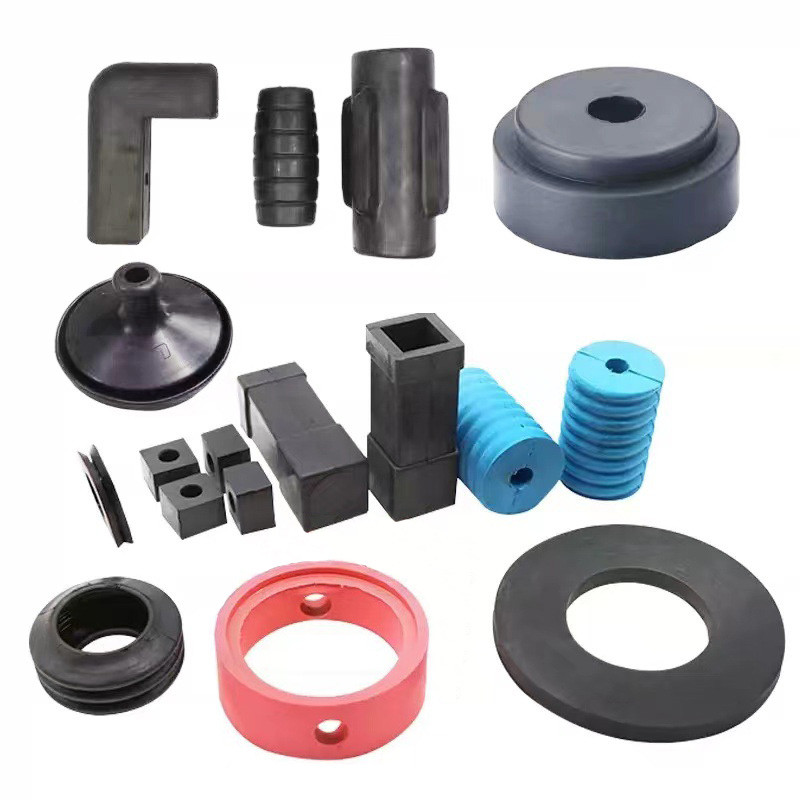
Durable Car Rubber Parts: Durability Test Matrix
Severity factor What it does to the part How durability is verified Continuous heat Hardens the compound, raises compression set Air ageing at service temperature, then hardness and elongation Thermal cycling Fatigues the bond line and the seal interface Soak and cool-down cycling, leak check on cool-down Fluid contact Swells, softens or extracts plasticiser Immersion at service temperature, volume and hardness change Dynamic flex Starts a crack at the tightest radius Flex or pulsation cycling to an agreed cycle count Ozone and UV Surface cracking where the rubber is strained Strained ozone exposure with a visual crack grade Assembly Cuts, twists and over-compression Line trial with the real tooling, lubricant and operator Writing a Durability Requirement for Car Rubber Parts
Name the failure mode, not a standard number
Give a service life target
Set retention thresholds
Separate cosmetic from functional
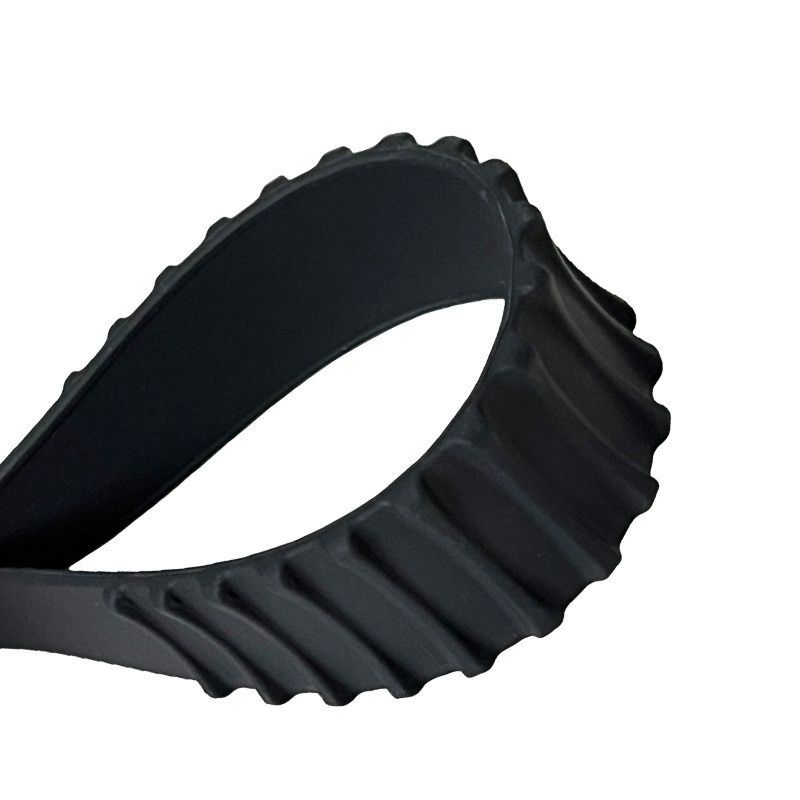
Process Control Behind Durable Car Rubber Parts
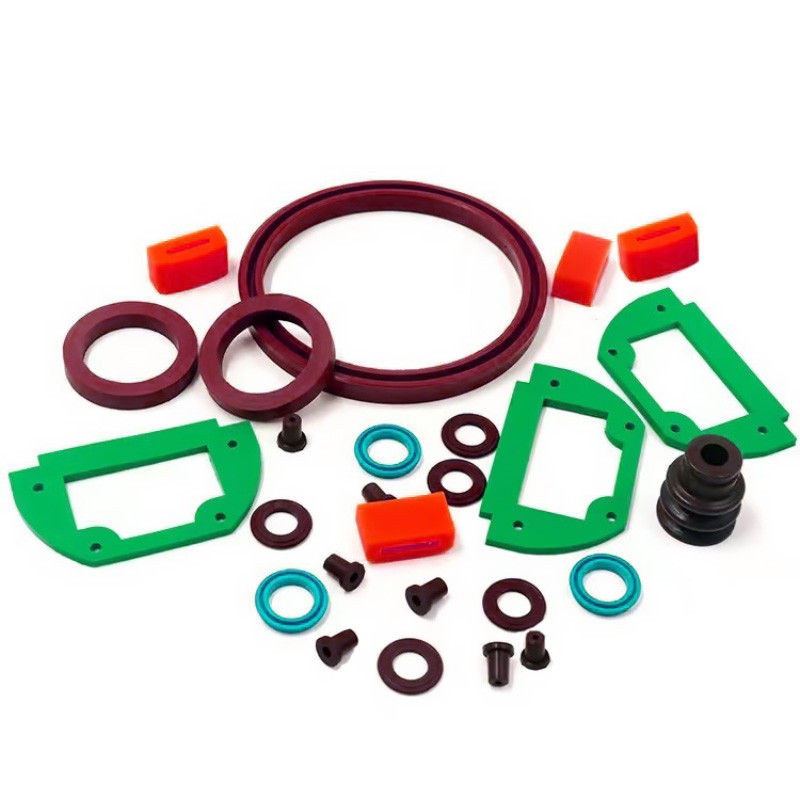
From Requirement to Serial Durable Car Rubber Parts
Send the mounting position
Agree the test matrix
Prototype and validation
Serial supply with records
Durable Car Rubber Parts FAQ
How long should car rubber parts last?
What causes early failure most often?
Do you test every batch or only the first article?
Can you match an existing supplier's part exactly?
Send the mounting position and the service life