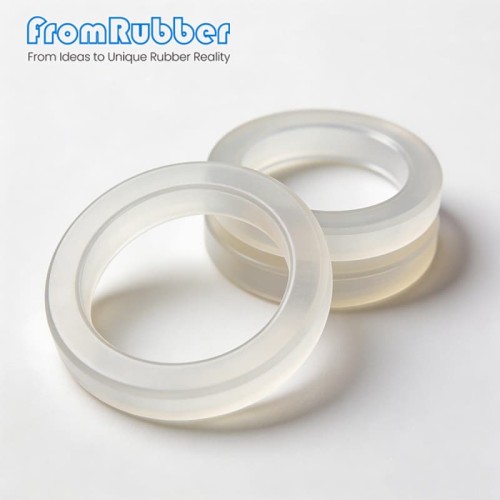
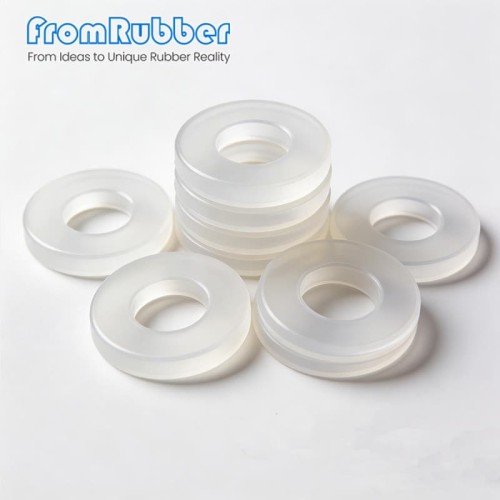
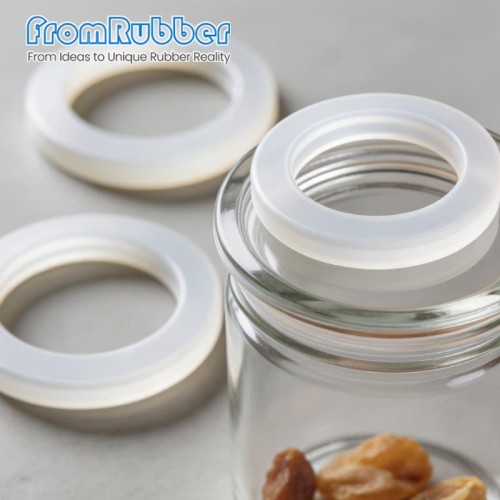
Non-Yellowing Silicone Seals with UV and Ozone Stability
- Model
- BH-seals
Item specifics
- Design
- Follow 3D Drawing Or Physical Object
- Process
- Molding
- Feature
- Non-Yellowing,UV stabl
- MOQ
- 100000pcs
- Application
- Automotive, Marine, and outdoor Industrial
Review
Description
Non-Yellowing Silicone Seals
with exceptional UV and ozone stability for long-term outdoor use
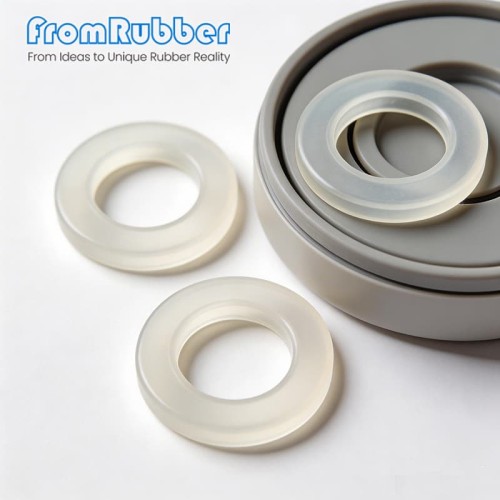
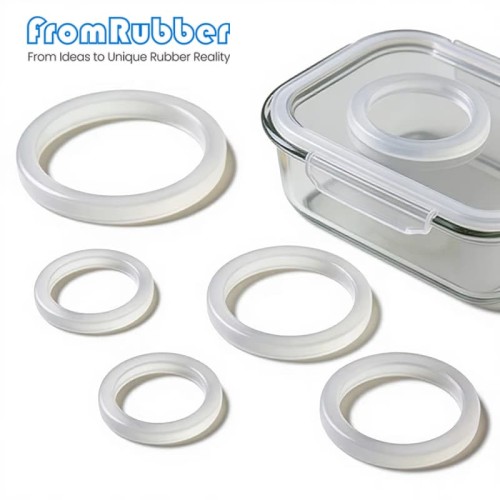
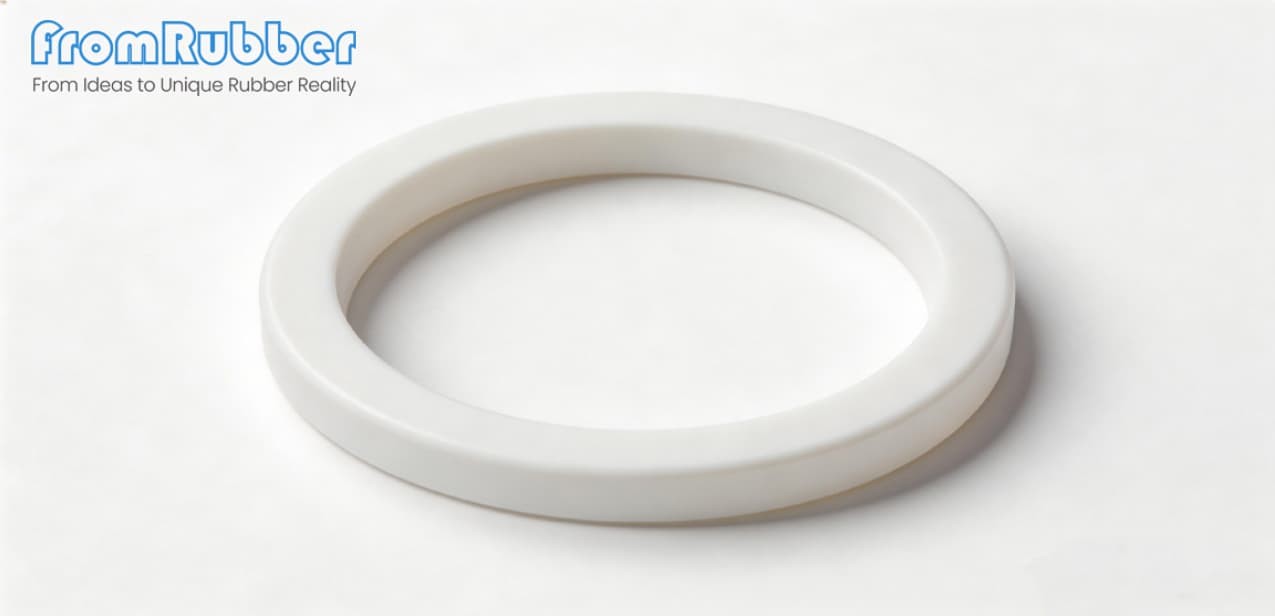
These precision-formulated silicone seals maintain their original appearance and mechanical properties even after years of exposure to intense sunlight, UV radiation, and atmospheric ozone. Unlike conventional elastomers that yellow, crack, and become brittle, our advanced silicone compound resists photodegradation and ozone attack, making it the ideal choice for architectural glazing, solar panel frames, automotive exterior sealing, and any application requiring long-term aesthetic and functional performance.
The Science Behind Non-Yellowing Performance
Yellowing in silicone materials typically occurs due to UV-induced oxidation of polymer chains and the presence of certain mineral fillers or catalyst residues. Our proprietary formulation uses high-purity vinyl-methyl silicone polymers combined with specially treated silica fillers that resist chromophore formation. The addition of UV-stabilizing additives creates a protective mechanism that absorbs harmful radiation and dissipates the energy without degrading the polymer structure.
Ozone resistance is equally critical for outdoor applications. Ozone molecules attack unsaturated carbon bonds, causing surface cracking and eventual seal failure. Our silicone chemistry contains no unsaturated backbones, making it inherently ozone resistant. Extensive testing in accordance with ASTM D1149 confirms no cracking after 1000 hours at 50 pphm ozone concentration.
Key Performance Characteristics
Physical Properties (Typical Values)
Understanding UV and Ozone Degradation
Ultraviolet radiation from sunlight is one of the most destructive forces affecting polymer materials. UV photons carry sufficient energy to break chemical bonds, particularly in materials with unsaturated molecular structures. This bond breakage initiates chain scission and cross-linking reactions that lead to hardening, cracking, and discoloration. The yellowing commonly observed in aged plastics and rubbers results from the formation of chromophoric groups - molecular structures that absorb visible light in the blue spectrum, reflecting yellow wavelengths.
Ozone, present in the atmosphere at concentrations ranging from 10 to 100 parts per hundred million, is highly reactive toward carbon-carbon double bonds. Even at these low concentrations, ozone can cause severe cracking in stressed elastomers through a mechanism known as ozone cracking. Materials with saturated polymer backbones, such as silicone, are inherently resistant to this form of attack.
Weathering Performance Comparison
Primary Applications and Industry Use
Architectural & Construction
Modern building facades rely on high-performance seals to maintain energy efficiency and weather resistance. Our non-yellowing silicone is specified by architects for window glazing, curtain wall systems, and expansion joints where appearance matters. Unlike traditional sealants that discolor within years, these seals maintain their original color for the life of the building.
Solar & Renewable Energy
Photovoltaic module manufacturers require sealing materials that withstand 25+ years of outdoor exposure. Our UV-stabilized silicone has been validated through extensive testing including damp heat, thermal cycling, and UV preconditioning per IEC 61215. Frame seals and junction box gaskets maintain integrity throughout the warranted life.
Recommended Grades by Application
Automotive & Transportation
Exterior automotive seals face constant UV exposure, ozone, temperature extremes, and chemical attack from road salts and cleaning agents. Headlight gaskets made from standard materials often yellow and become brittle within 3-5 years, leading to moisture ingress and headlight failure. Our non-yellowing silicone maintains its properties for the life of the vehicle, with major OEMs specifying it for premium models where longevity and appearance are prioritized.
Technical Advantages Over Alternative Materials
While fluorocarbon (FKM) offers excellent chemical resistance, it is significantly more expensive and difficult to color-stabilize for light shades. Our non-yellowing silicone provides an optimal balance of cost, performance, and aesthetic stability for most outdoor sealing applications, with the added benefit of flexible color options including white, gray, black, and custom colors with verified UV stability.
Real-World Performance Validation
Independent testing at accredited laboratories has validated the exceptional durability of our non-yellowing silicone formulation. Tensile strength retention exceeded 95% after accelerated weathering, and elongation remained above 90% of initial values, demonstrating that aesthetic stability correlates with mechanical integrity.
Certifications & Compliance: ASTM D2000 M2GE 505, SAE J200, ISO 4892-2, UL 50E recognized. REACH, RoHS, and FDA compliant formulations available. Custom colors, durometers, and profiles manufactured to customer specifications. Full traceability and material certificates provided with each order.