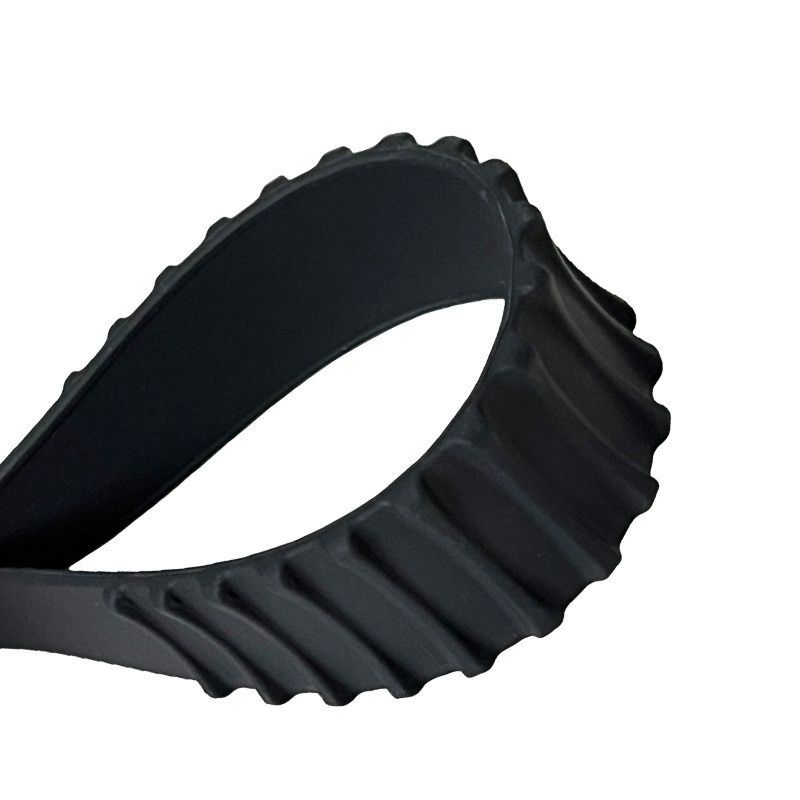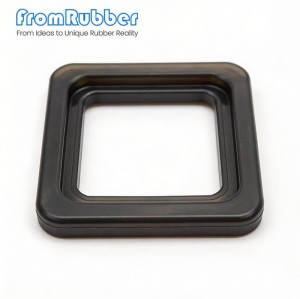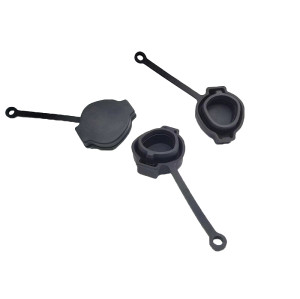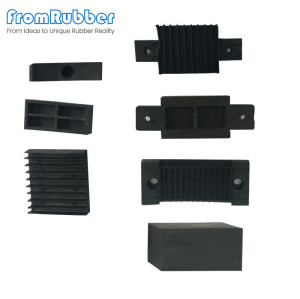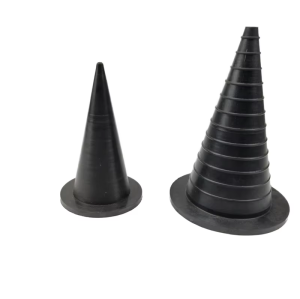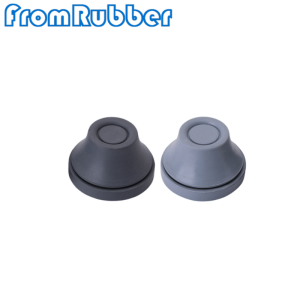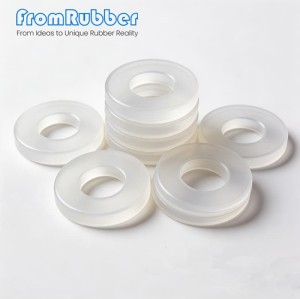
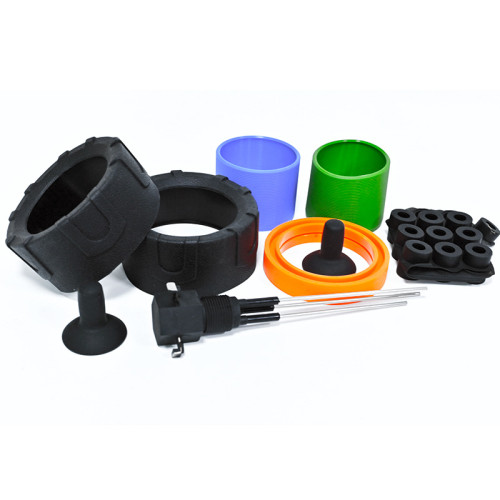
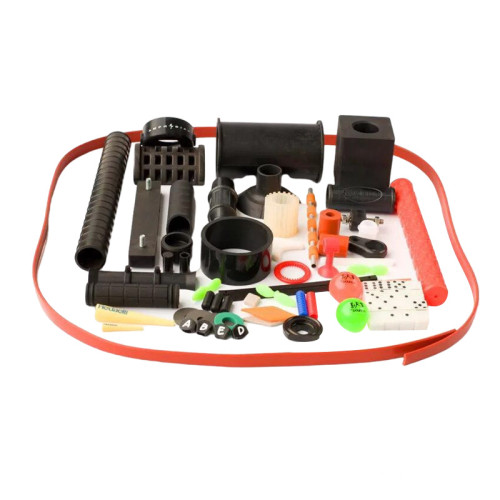
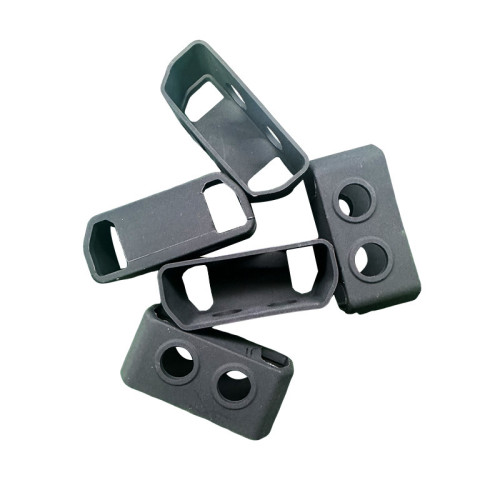
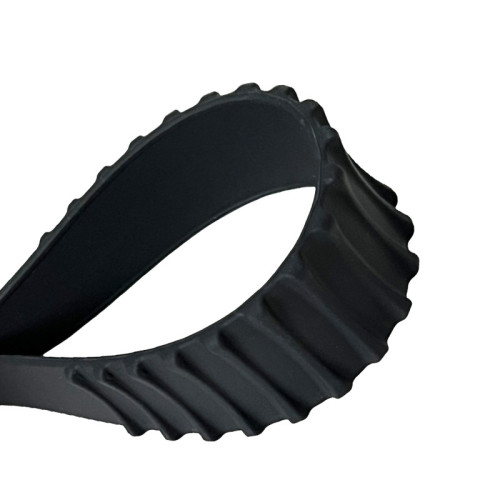
RBI Automotive Rubber Parts for Professional Repairs
- Model
- BH-auto15
Item specifics
- Product Name
- Automotive Rubber Parts
- Material
- Rubber Silicone
- Color
- Black,Custom
- Shape
- Customise
- Service
- OEM
- Application
- Professional Repairs
- Sales Method
- Product custom
- Consultation Email
- Suey@fromrubber.com
Review
Description
Custom Silicone Seals / Repair Channel Parts RBI automotive rubber parts in this range are replacement components for professional repair work: seals, bushings, grommets, mounts and bumpers. For a repair part the acceptance criterion is not looks the same. It is dimensional equivalence at the interface, material equivalence in the medium and temperature it sees, and batch consistency so the second hundred parts fit like the first. That is why reverse engineering a repair part starts with the mating component rather than the worn sample. A part that has run 80,000 km has already lost the dimensions you are trying to copy. Copying a sample by eye produces a part that fits the bench and not the vehicle. These are the four measurements that decide whether a repair part works. Bore, spigot, sleeve and height are measured with the tolerance band in mind. The number that matters is the fit at the mating part, which is why the housing or shaft is often the better reference. Shore A and IRHD are not interchangeable readings on a curved or thin section. Measuring both on a flat witness sample removes most of the disagreement between supplier and workshop. Steel, aluminium or a plastic insert changes the preparation, the primer and the pull strength. A repair part bonded to the wrong substrate fails at the interface, not in the rubber. Oil, coolant, ozone and under-hood heat each rule out compounds. A part that fits perfectly in the wrong compound is a comeback waiting to happen. An aged sample is not a dimension reference. Where the original has swelled, worn or taken a set, the drawing is reconstructed from the mating component and confirmed with you before tooling. A repair part is bought again six months later, from a different batch, by a different fitter. Four things make that work. Cavity identity, retained samples and compound records keep the second order identical to the first, which is what a workshop actually needs. Parts can be bagged and labelled as kits by position or axle set, with the part number on the label rather than printed on the bag. Colour identifies a size family in a workshop drawer, while the compound stays specified on the drawing where it belongs. Position, orientation and torque notes travel with the drawing, so a fitter does not have to guess which way a seal faces. Grommet and pass-through fits follow the same rules as a rubber grommet around an automotive wire harness, where the panel, not the rubber, sets the seal. Repair parts live or die on consistency. Each batch carries a compound record, a cavity record and retained samples, so a workshop report from six months ago can be traced to the exact tool and cure. We work to IATF 16949 and ISO 9001 quality systems with ISO 14001 environmental management. Catalogue parts are quoted from the drawing; sample-based parts start with a measurement report that you approve before any tool is cut. Four steps, in this order, because the measurement report is cheaper to argue with than a tool. The worn part, the mating housing or shaft, and where it sits on the vehicle. Interface dimensions, durometer, weight and bond condition, with the points where the sample has aged out of tolerance marked. A drawing you sign, then a single-cavity prototype for a fit check on the vehicle. Production tool, batch records, retained samples, and re-order against the same drawing. Short answers on copying, tolerances and repeat orders. For most rubber parts, yes, but the sample has to be measured rather than traced. Where it has worn or swollen, the mating component gives the true dimension and your approval confirms it before tooling. Shore A for thick flat sections, IRHD for thin or curved parts where a durometer foot cannot sit flat. State the method on the drawing, because the two readings are not interchangeable. Same tool, same compound record, retained samples and cavity identity. If a compound has to change, you are notified before it ships rather than after. Yes. Parts can be kitted by position or axle set with labels carrying the part number, which suits workshop stock better than loose bags in a bin. Tell us where the part sits, what it seals or isolates, and which order quantity you run. We will send a measurement report and the drawing to approve before any tooling starts.RBI Automotive Rubber Parts for Professional Repairs: Matching the Part, Not Just the Shape
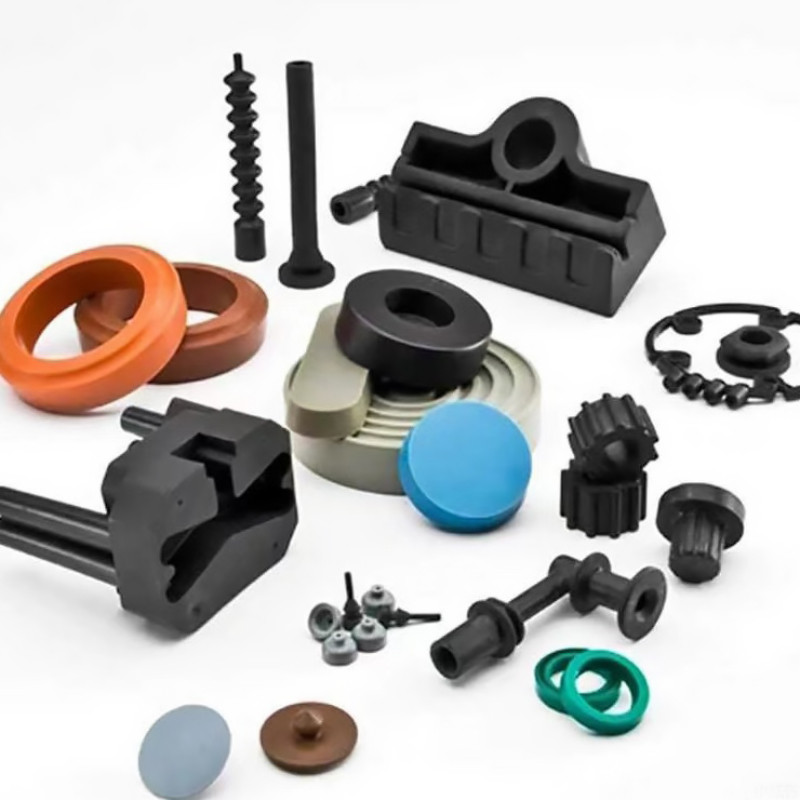
Reverse engineering a repair part: the four measurements that matter
Interface dimensions, not nominal
Durometer and rebound
Substrate and bond
Service medium and temperature
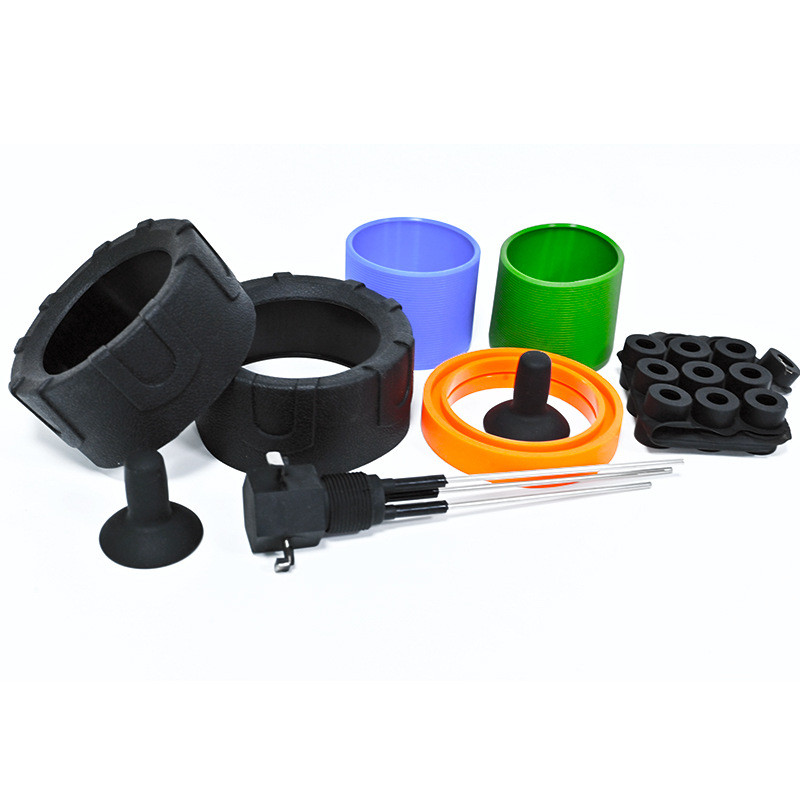
What we measure from a sample, and what it controls
Measured Method What it controls Interface diameter and height Optical measurement or CMM against the mating part Press fit, seating and clearance Durometer Shore A on a flat witness sample, IRHD for thin sections Stiffness and sealing force Specific gravity Immersion, compared with the compound data Confirms the compound family before tooling Tensile and elongation Dumb-bell specimens cut from the sample Shows how far the sample has aged Bond strength Pull or peel to the agreed limit Sleeve or insert retention Compression set Standard set test on the production compound Whether the part keeps sealing after heat cycling Built for the repair channel, not just for the vehicle
Batch consistency
Repair-kit packing
Colour and marking
Fitting information
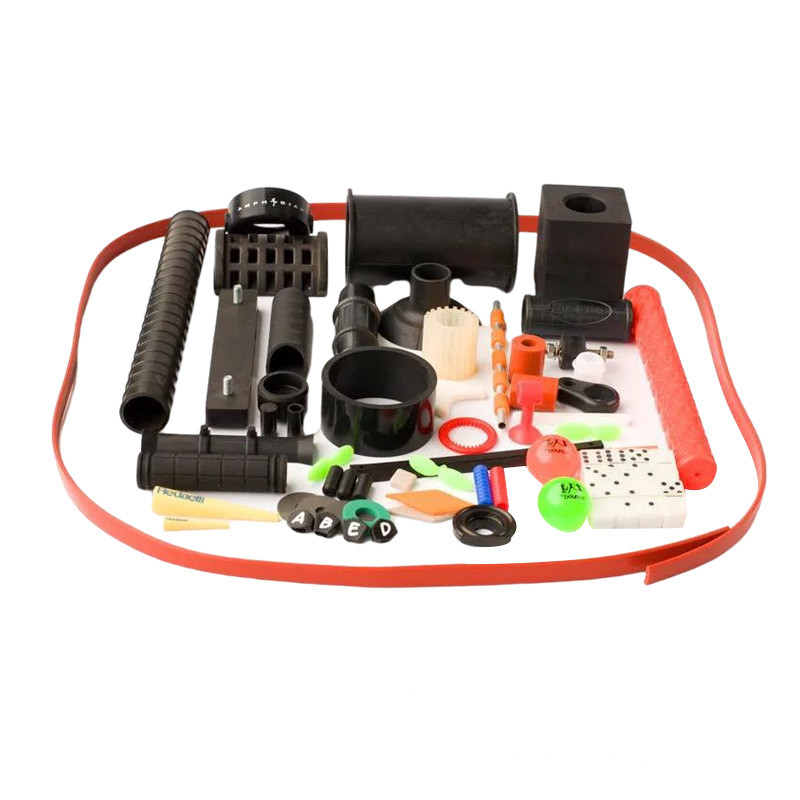
Traceability from sample to serial batch
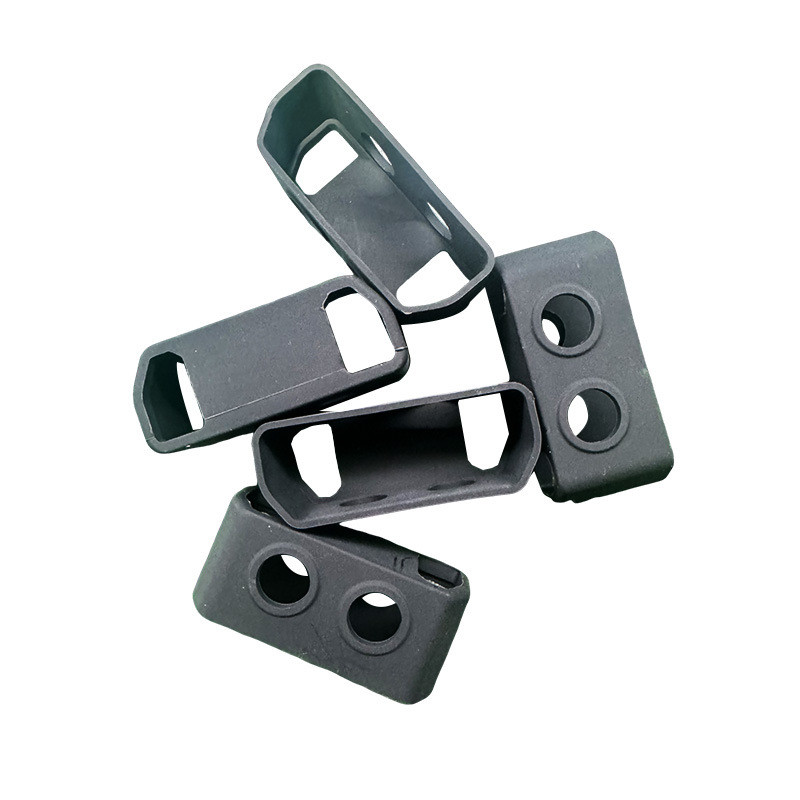
From sample to repeatable repair part
Send the sample and its position
Measurement report
Drawing approval and prototype
Serial supply
Repair part questions from workshops and distributors
Can you copy a part from a sample alone?
Shore A or IRHD: which should the drawing call out?
How do you keep the second order identical?
Do you supply repair kits rather than single parts?
Send the sample with its position