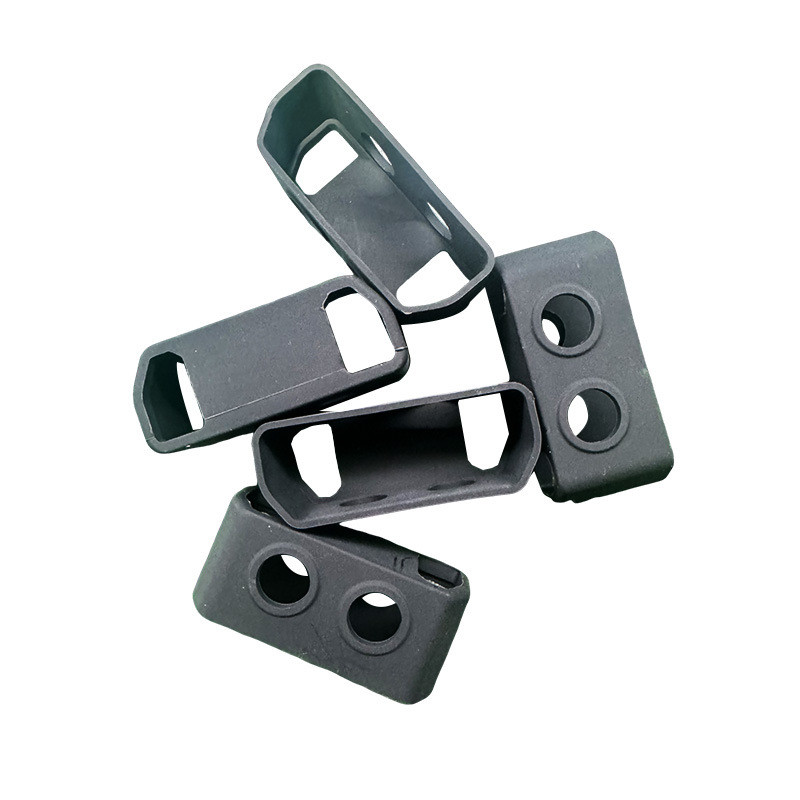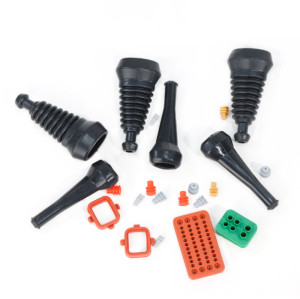
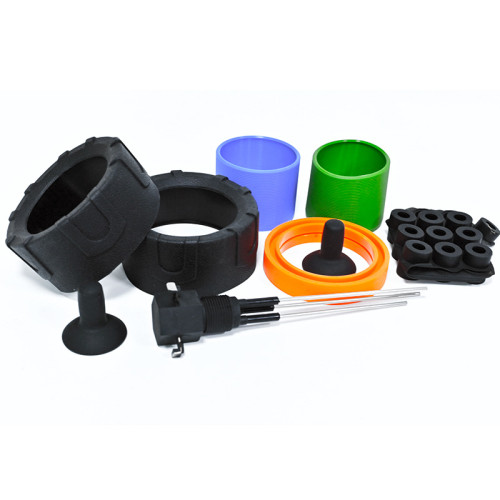
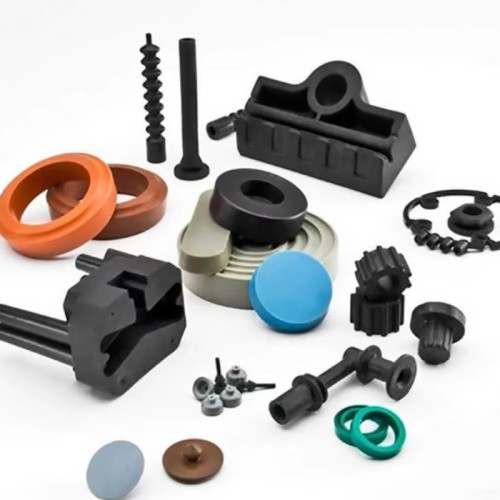
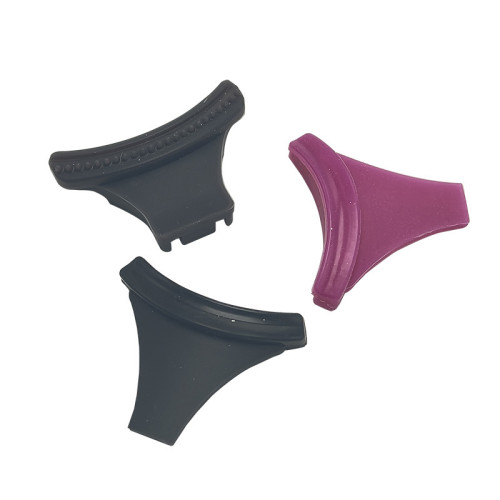
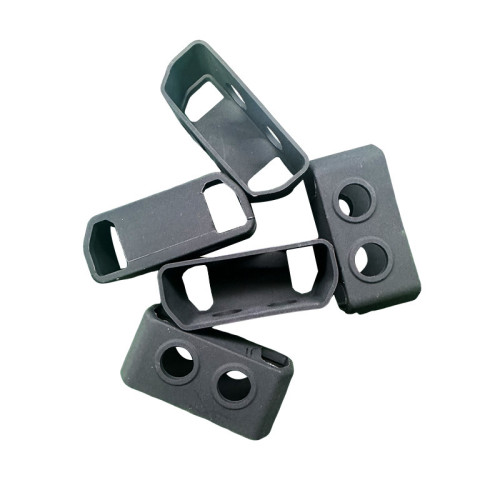
Premium Auto Rubber Parts for Enhanced Vehicle Performance
- Model
- BH-auto1
Item specifics
- Product Name
- Auto Rubber Parts
- Material
- Rubber Silicone
- Color
- According to the material to be plated
- Shape
- Customise
- Appliciation
- Auto
- Features
- Enhanced Vehicle Performance
- Sales Method
- Product custom
- Consultation Email
- Suey@fromrubber.com
Review
Description
Custom Silicone Seals / Vehicle Performance Premium auto rubber parts for enhanced vehicle performance are judged by attributes a driver can feel: ride, steering precision, wind noise and pedal feel. Each of those attributes is set by a measurable rubber property, and each one can be tuned before the first prototype. The word premium is only useful when it translates into a named compound, a tighter dimensional band and a measured after-heat-soak behaviour. This page does that translation, attribute by attribute. Four attributes a buyer notices in the first kilometre, and the rubber property behind each one. Body and subframe mounts decide how much vibration reaches the cabin. Static stiffness and damping at the driving frequency decide whether the car feels solid or harsh. Suspension bushing compliance lets the wheel move under load. Too soft and the car wanders; too stiff and every surface texture arrives through the column. Door and glass seals add closing force and can whistle when the profile is wrong. Compression load deflection is the number to specify, not the seal thickness. A master-cylinder or caliper seal that takes a compression set shows up as a long pedal after a heat soak, which is exactly when a driver judges the brakes. Parameters are agreed per attribute, then measured on the prototype. A target that cannot be measured on a part cannot be tuned in a compound. Four losses that do not appear on a price sheet but do appear in a road test. A similar grade changes rate and set. It fits, it passes a bench check, and the car feels different from the prototype that was signed off. A part from cavity one and a part from cavity twelve should feel identical. Without cavity control, the tenth car off the line is not the car that was validated. Squeezing a seal or mount past its design point raises force and accelerates set, so the part is blamed for a fixture that was never checked. Colour and texture read as quality. A visible trim part that drifts between batches undermines the whole interior impression. Where the part is a bushing and the attribute is steering feel, the rate detail is covered in small molded rubber bushings for auto repair. Premium is a set of decisions, not a price band: a named compound with a TDS, a hardness band that holds across cavities, a low-set grade where the part is judged hot, and an appearance master kept with the tool. We mold under IATF 16949 and ISO 9001 quality systems with ISO 14001 environmental management. Every batch is checked against the same hardness and dimensional record as the first article, and visible parts are matched to the approved master rather than to the previous batch. Four steps. The first is a road-test attribute, not a drawing. Which behaviour is being tuned, at what frequency or load, and how it will be judged in the vehicle. We convert the attribute into stiffness, damping, compression load deflection or compression set, then choose the compound. Single-cavity samples for fit and for the attribute test, in the compound intended for production. Multi-cavity tool, first article per cavity, hardness and dimensional records, appearance master retained. Questions from vehicle engineers and buyers comparing suppliers. A named compound, a narrower hardness band, cavity-level dimensional control and measured behaviour after heat soak. The price follows those, not the other way round. Yes. Stiffness is set by geometry first and compound second, so we tune shape and hardness together and confirm the result on a prototype. Yes, with colour and texture matched to a physical master kept with the tool, so a later run can repeat the approved appearance. Compound records, cavity identity, hardness and dimensional checks per batch, and retained samples that can be compared with a later complaint. Tell us which behaviour is being tuned and how it is judged in the vehicle. We will translate it into rubber parameters and confirm them on a prototype.Premium Auto Rubber Parts for Enhanced Vehicle Performance: What Rubber Controls
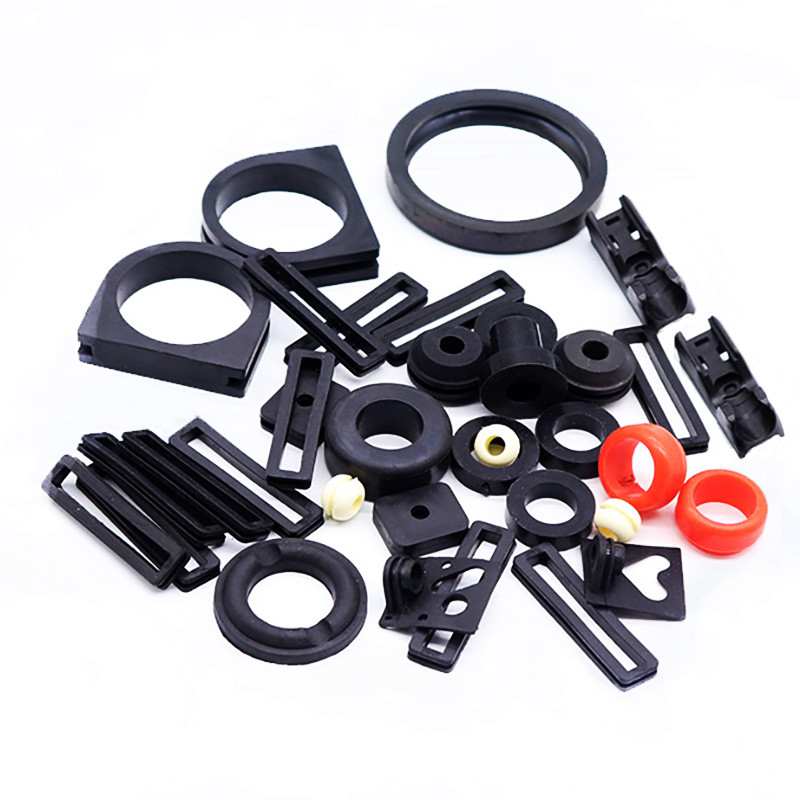
Which Vehicle Attributes Auto Rubber Parts Control
Ride and road noise
Steering precision
Wind noise and door feel
Pedal feel when hot
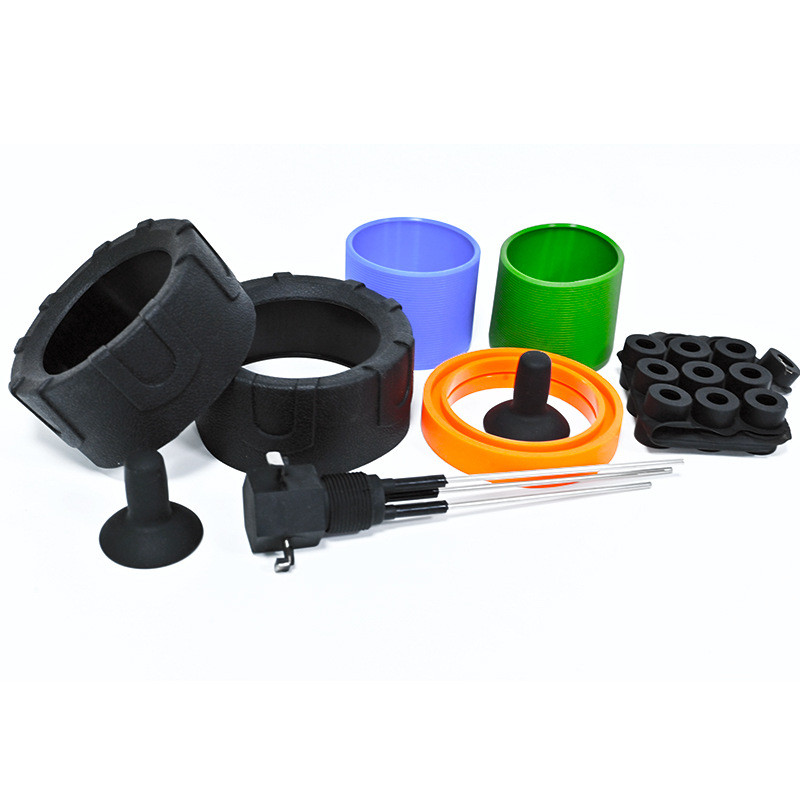
Premium Auto Rubber Parts: Performance Levers
Vehicle attribute Rubber part Measurable parameter How it is tuned Ride comfort Body and subframe mounts Static stiffness and damping ratio Compound and mount geometry Steering precision Control arm and subframe bushings Radial and torsional rate Durometer and rib geometry Wind noise Door and glass seals Compression load deflection Bead height and hardness Brake feel Master cylinder and caliper seals Compression set after heat soak Low-set compound and squeeze Drivetrain smoothness Engine mounts and couplings Dynamic stiffness at idle frequency Compound and void design Interior quietness Grommets and isolators Structure-borne transmission Material and contact area Where Performance Is Lost in Auto Rubber Parts
Compound substitution
Cavity-to-cavity variation
Over-compression at assembly
Cosmetic drift on visible parts
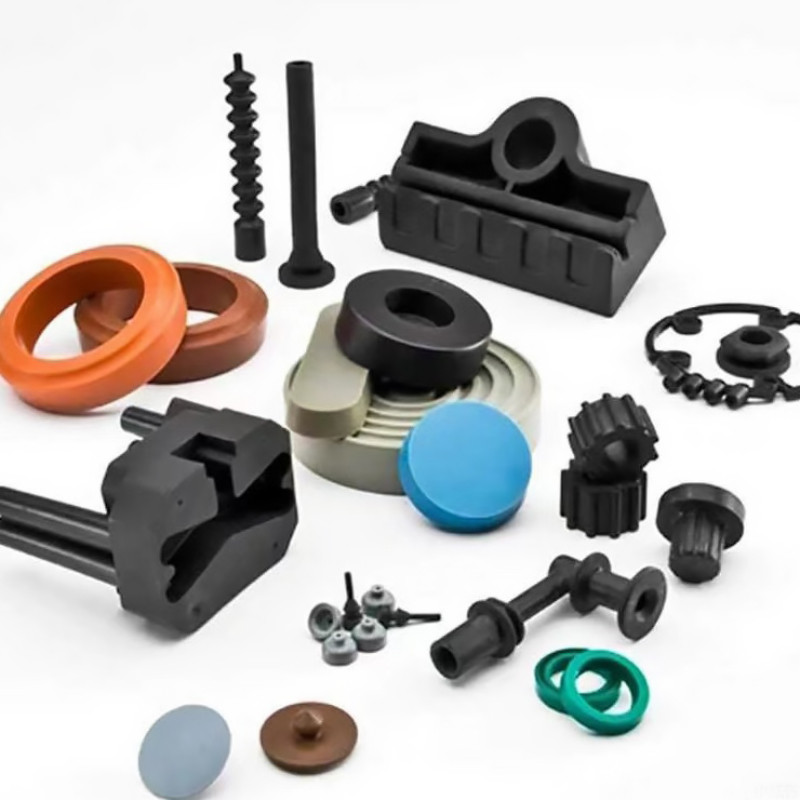
Material Choices Behind Premium Auto Rubber Parts
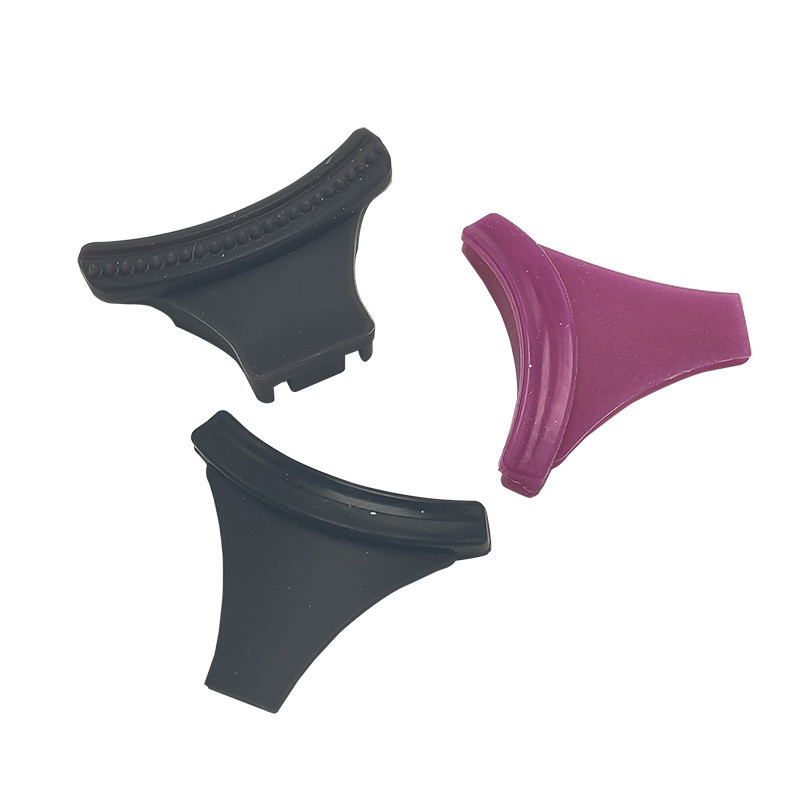
From Attribute Target to Premium Auto Rubber Part
Name the attribute and the target
Translate into rubber parameters
Prototype and vehicle check
Production with cavity control
Premium Auto Rubber Parts FAQ
What makes a rubber part premium rather than standard?
Can you tune a mount to a target stiffness?
Do you supply appearance parts as well as sealing parts?
How do you stop batch-to-batch drift?
Send the attribute target, not just the part drawing