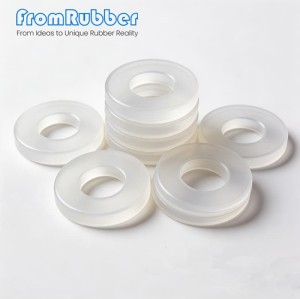
FromRubber Sealing Waterproof Silicone Rubber Plugs for Vehicle Charging Port
Item specifics
- Design
- Follow 3D Drawing Or Physical Object
- Printing
- Silk Screen Printing,Laser Etching
- Feature
- Dustproof
- MOQ
- 1000pcs
- Application
- Dog and Cat Tin Can
Review
Description
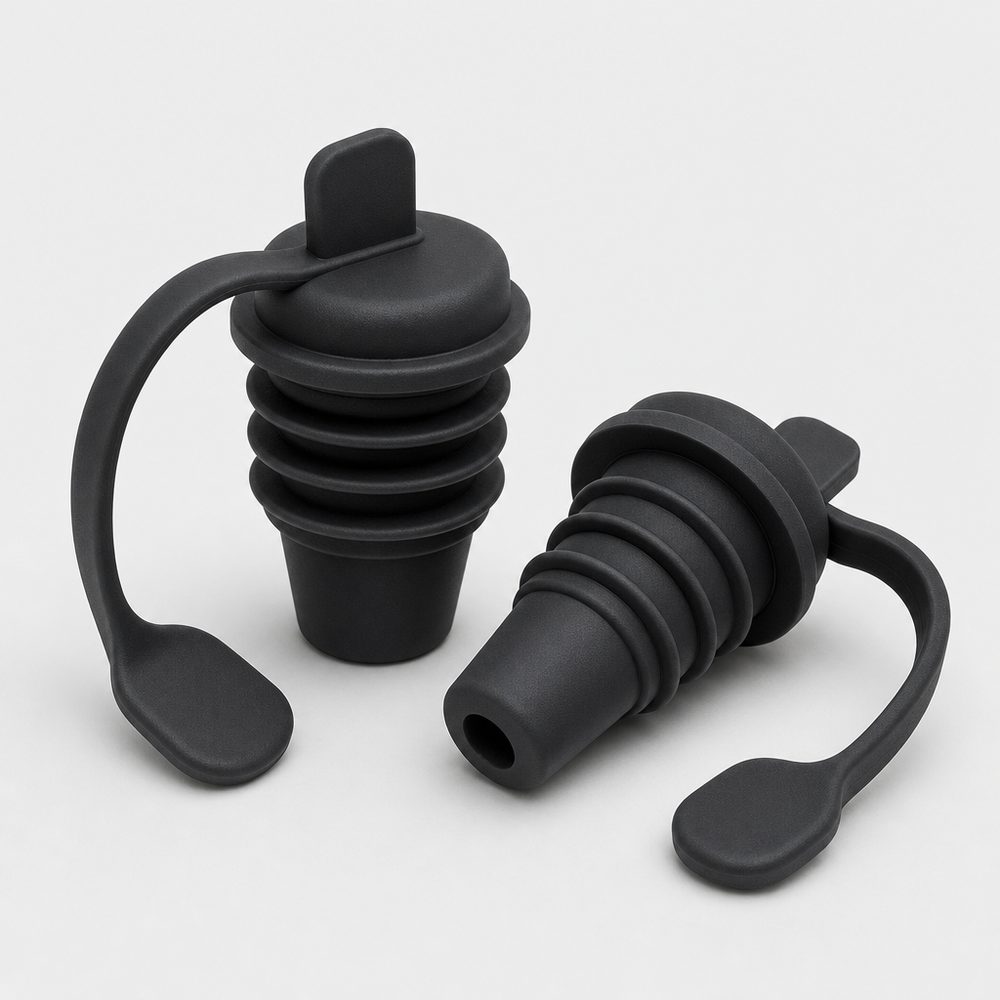
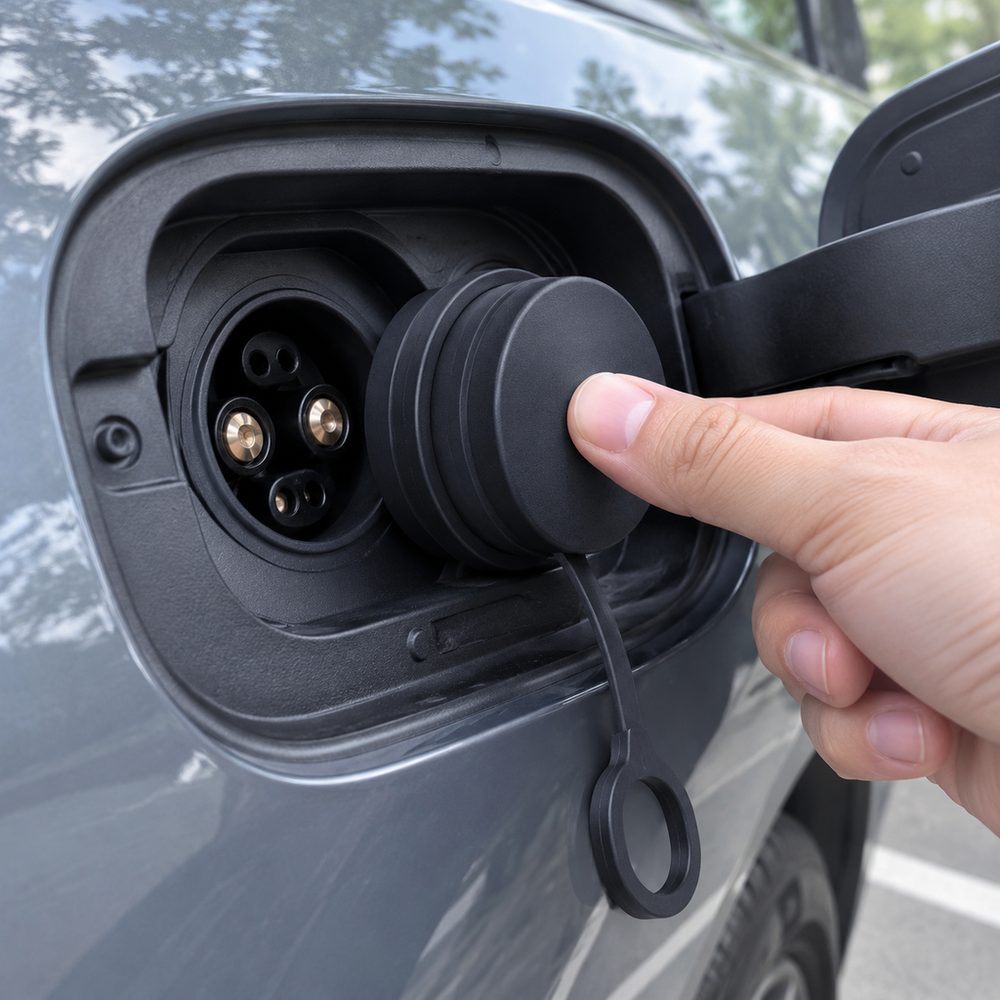
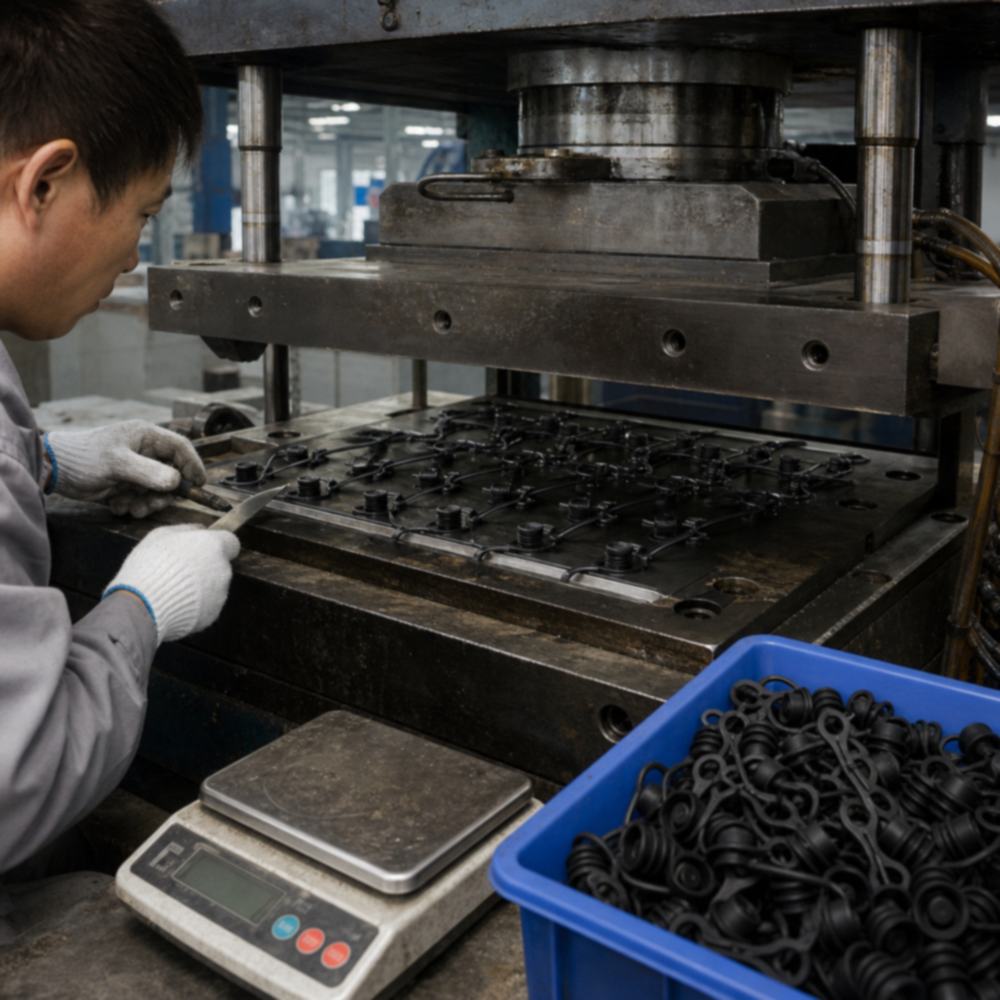
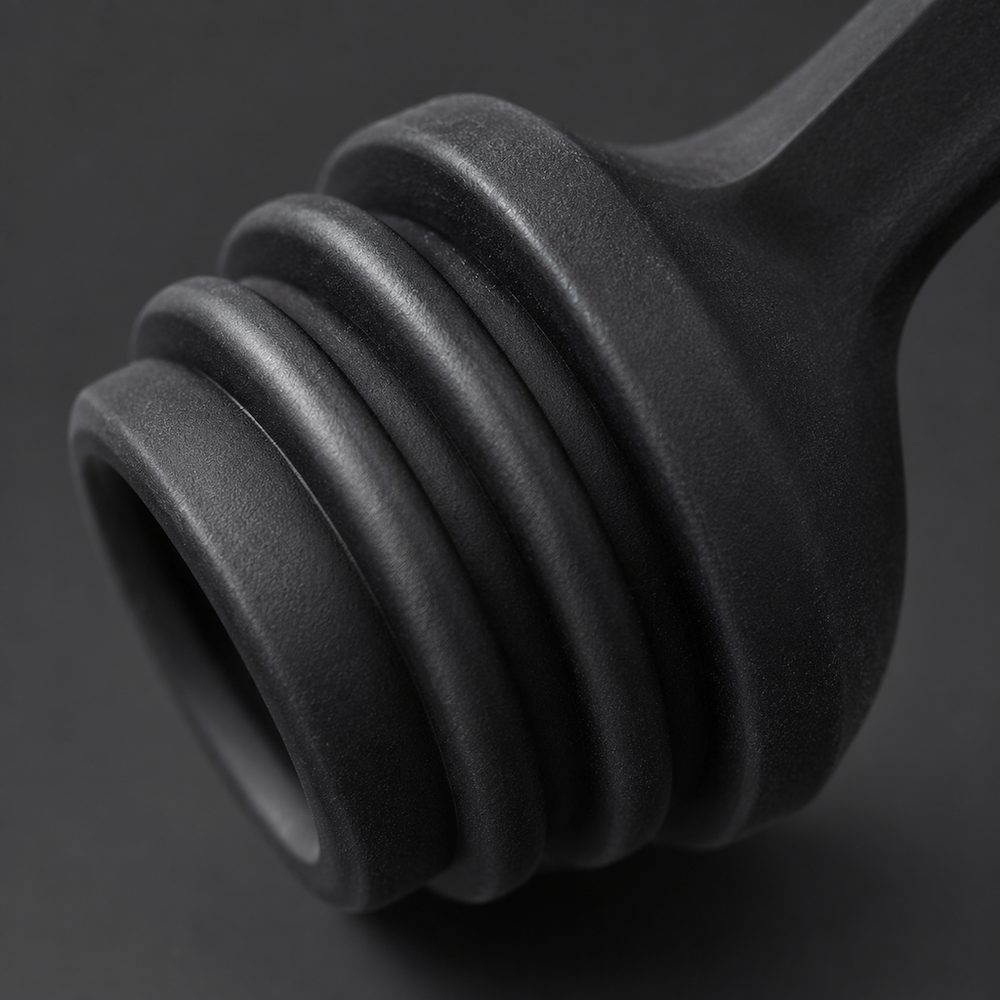
A charging port plug is a removable seal, and the requirement that actually decides whether it works is not the first-hour IP test. It is whether the plug still seals after it has been pulled out, wiped, dropped in grit and pushed back five hundred times. A silicone plug with a defined interference band, a tether that pulls straight and a lip that wipes the port rim as it seats will hold its rating; a plug designed only to fit will pass the lab and leak in a car park. Vehicle charging ports see three things at once: standing water, dust carried on the plug itself, and heat cycling from charging. The seal has to survive all three while remaining easy enough to remove that drivers do not leave it off. Three numbers have to be balanced and they pull against each other: interference (how hard the plug grips), insertion force (how hard the driver pushes) and extraction force (how easily it comes out when wet). A plug with too little interference leaks; too much and the driver leaves it half seated. A face seal relies on a flat land and a compression load, which is fragile on a port rim that collects grit. A radial interference band - a short cylindrical lip that squeezes against the port bore - wipes the surface as it enters and is far more tolerant of a single particle. Most vehicle port plugs work best with a combination: a radial lip for the primary seal and a shallow face shoulder as the secondary. Design targets are usually set as a pull force band rather than a single value, because wet silicone against wet plastic behaves differently from dry. A pull tab made of the same silicone gives a predictable grip point; a rigid pull ring gives a stronger grip but becomes a snag risk and a stress raiser at the root. The band should be confirmed by a pull test on production parts, dry and wet. The tether is the part that fails first, not the seal. A tether that leaves the plug at an angle loads one side of the lip and rolls the seal out of its groove. Route the tether in line with the pull direction, thicken the root, and design a deliberate flex section so bending happens in the tether rather than at the plug body. These are the working ranges we start from when a customer supplies the port drawing and the target IP rating. The port geometry and the required pull force set the final numbers. Values are a design starting envelope for this part class, not a published product specification. Final dimensions, material grade and test criteria are fixed on the approved drawing. Ingress almost never happens on the first fit. It happens after the seal has been deformed, contaminated or aged, and the mechanism is usually visible on the part if you know where to look. Dust carried in on the plug is pressed into the lip on insertion. Over time the particle embeds and creates a capillary path. A lip with a slightly softer leading edge and a harder sealing band wipes better than a uniform section, and a smooth mold finish on the lip matters more than the finish on the visible body. Under-bonnet-adjacent ports reach high soak temperatures. Silicone handles the temperature, but a highly filled, low-cost compound hardens and loses recovery. Compression set measured at the soak temperature, not at room temperature, is the number that predicts whether the plug still seals in year three. The lab-versus-field gap is discussed in You Submitted the IP67 Report, but It Leaks on Site. Washing chemicals and coolant splash leave a residue film that lets water creep under the lip. Silicone is generally good here, but the compound and post-cure matter. Where the port sits close to a coolant circuit, confirm the actual fluid chemistry before fixing the material. A port plug is a small part with a thin sealing lip, which makes it a tooling problem as much as a material problem. The lip needs clean release and no flash line across the sealing band. For fit checks we machine or cast prototypes from the production compound so interference and pull force can be measured on the real port geometry. This is cheaper than discovering a lip problem after a multi-cavity tool is cut. General principles for custom seal geometry are in Waterproof Silicone Seals. The parting line is placed away from the radial lip and the face shoulder. Flash on a sealing band is not a cosmetic issue: it becomes a leak path and a tear initiation point. The visual standard is written around the sealing surfaces, with the visible body held to a separate cosmetic class. Where the plug is supplied with a tether, housing or cap sub-assembly, validation covers the assembly and not only the moulded part. Test sequence typically runs pull force dry and wet, grit contamination, thermal cycling and a final IP check - the same order in which the failures appear in service. Enclosure-level practice is covered in Silicone Gaskets for Electrical Enclosures. The plug contributes to the seal but does not create the rating on its own. The port housing, the interface geometry and the retention method all take part. We size the plug against the customer's port drawing and validate it as an assembly, not as a standalone part. Silicone is the better default for heat soak, ozone and repeated compression. TPE is sometimes chosen for a harder, more plastic feel or for over-moulding onto a rigid carrier. If the plug must clip into a hard plastic housing, a two-material approach is often cleaner than forcing one material to do both jobs. A port drawing or a physical port sample, the target IP rating, the pull force range the vehicle team wants, and the tether or cap arrangement. Prototype tooling is quoted separately so fit can be checked before production steel. Port geometry varies more than it looks. Send the port drawing or a sample plus the pull force target, and we will return a DFM note on lip interference, tether routing and parting-line placement. Related: waterproof seal design and why a lab IP pass does not guarantee field performance. FromRubber supplies moulded silicone components to OEM and ODM vehicle and equipment programmes. We do not sell retail.Waterproof Silicone Rubber Plugs for Vehicle Charging Ports: Retention Before Rating
Interference, Insertion Force and Tether Design
Interference Band Versus Face Seal
Insertion and Extraction Force
Tether and Strain Relief
Specification Envelope for a Charging Port Plug
Parameter Typical envelope Why it drives the result Material VMQ silicone, 40-60 Shore A Soft enough to conform, firm enough not to roll out of the groove Radial interference 0.3-0.8 mm on the sealing lip Under-interference leaks, over-interference makes the plug hard to seat Pull force Set as a band, verified dry and wet The driver decides the seal's fate at the port Compression set Target under 25% at soak temperature Predicts sealing after years of heat cycling Wall thickness 1.0-2.5 mm on the body, thinner lip Thin lip conforms, thick body keeps shape Tether Same compound, thickened root, flex section Tether failure removes the plug from the vehicle Finish Smooth mold finish on all sealing surfaces Rough surfaces trap grit and start leak paths How Water Actually Gets Past a Port Plug
Grit Trapped on the Sealing Lip
Heat and Ozone Ageing
Coolant, Detergent and Salt
From Prototype Plug to Production Tool
Prototype Before Steel
Parting Line and Flash
Assembly and Validation
Charging Port Plug Questions From Buyers
Can a silicone plug reach IP67 on a charging port?
Should the plug be silicone or TPE?
What do you need to quote a custom plug?
Send the Port Drawing, Not a Similar Plug