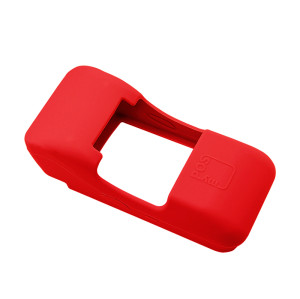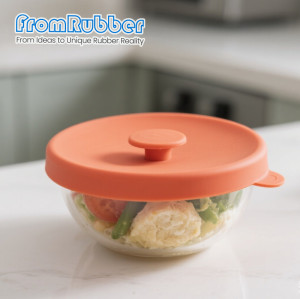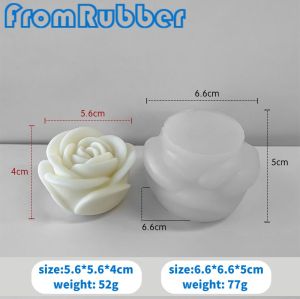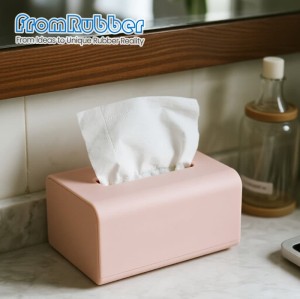
Silicone Overmolding Parts | Waterproof Dustproof
- Model
- Silicone Overmolding
Item specifics
- Product Name
- silicone overmolding parts
- Material
- Metal/silicone
- Color
- Any Pantone color
- Hardness
- 60H
- Function
- Protect metal parts
- Feature
- Waterproof Dustproof
- Packing
- Opp bag
- Certification
- ROHS/REACH/FDA
Review
Description
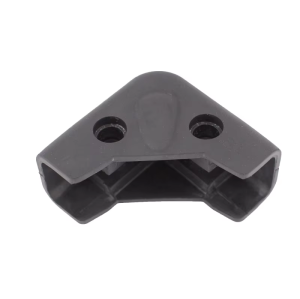
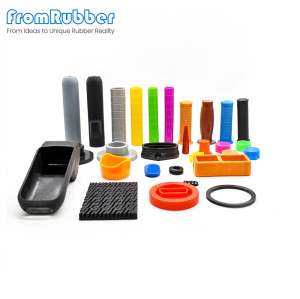
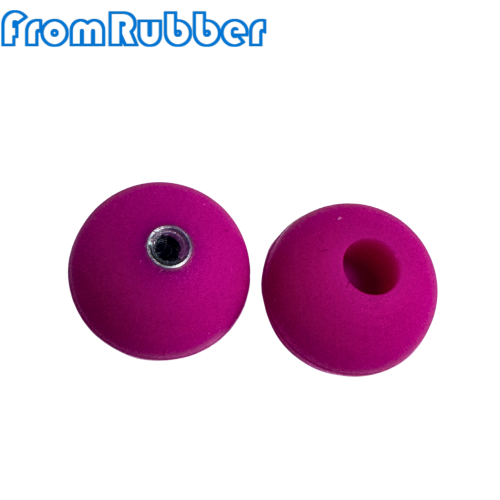
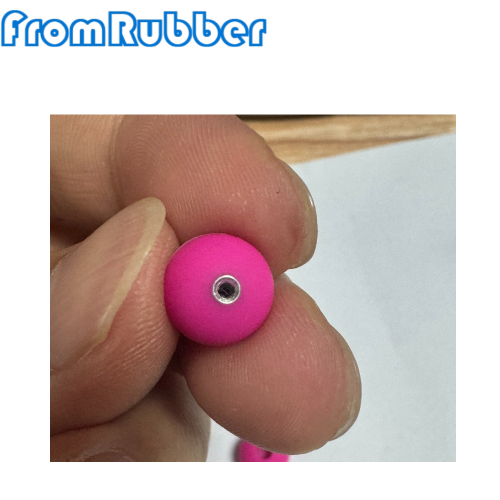
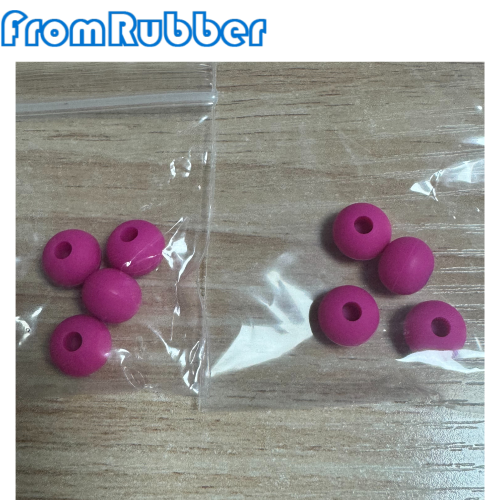
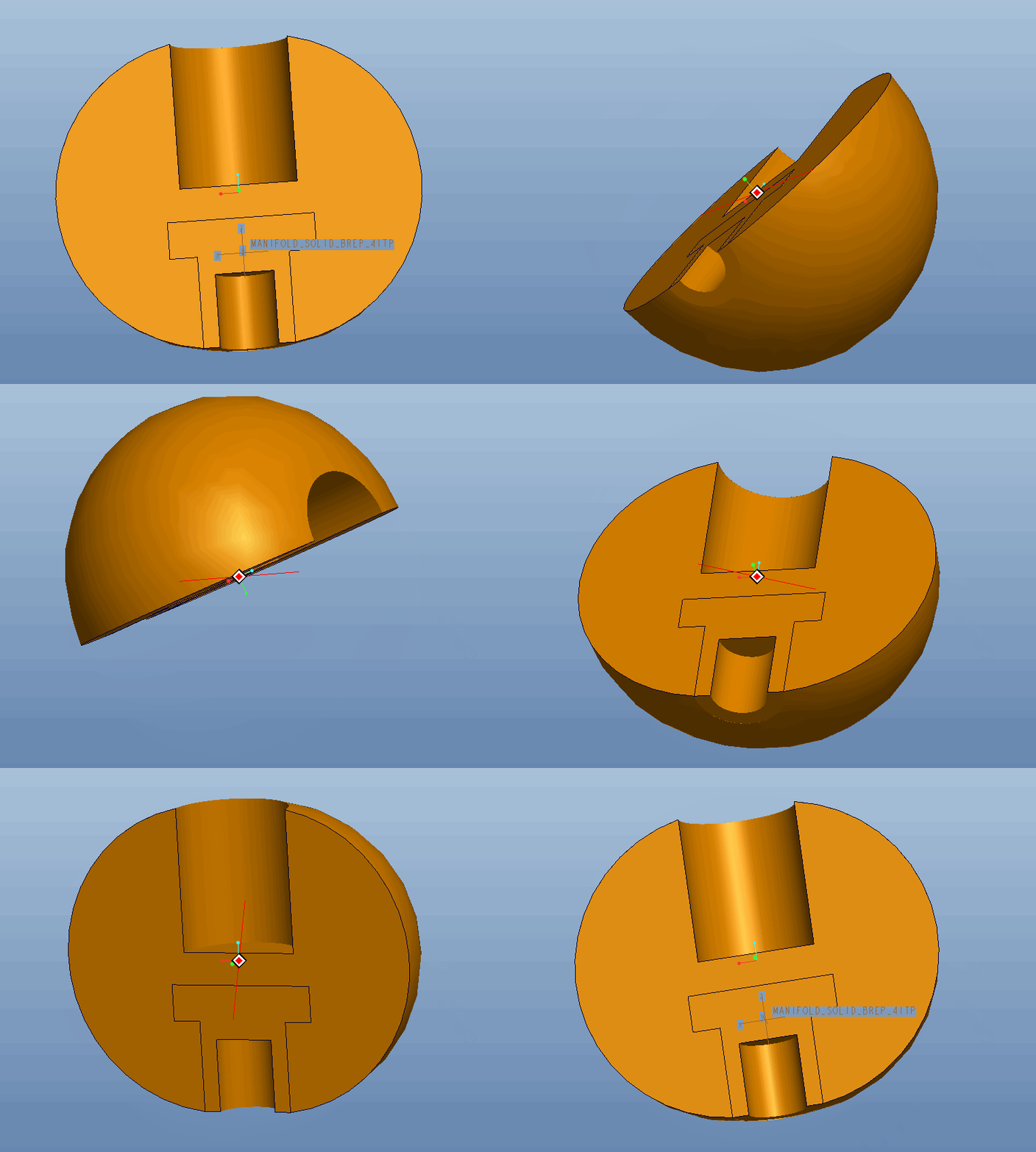
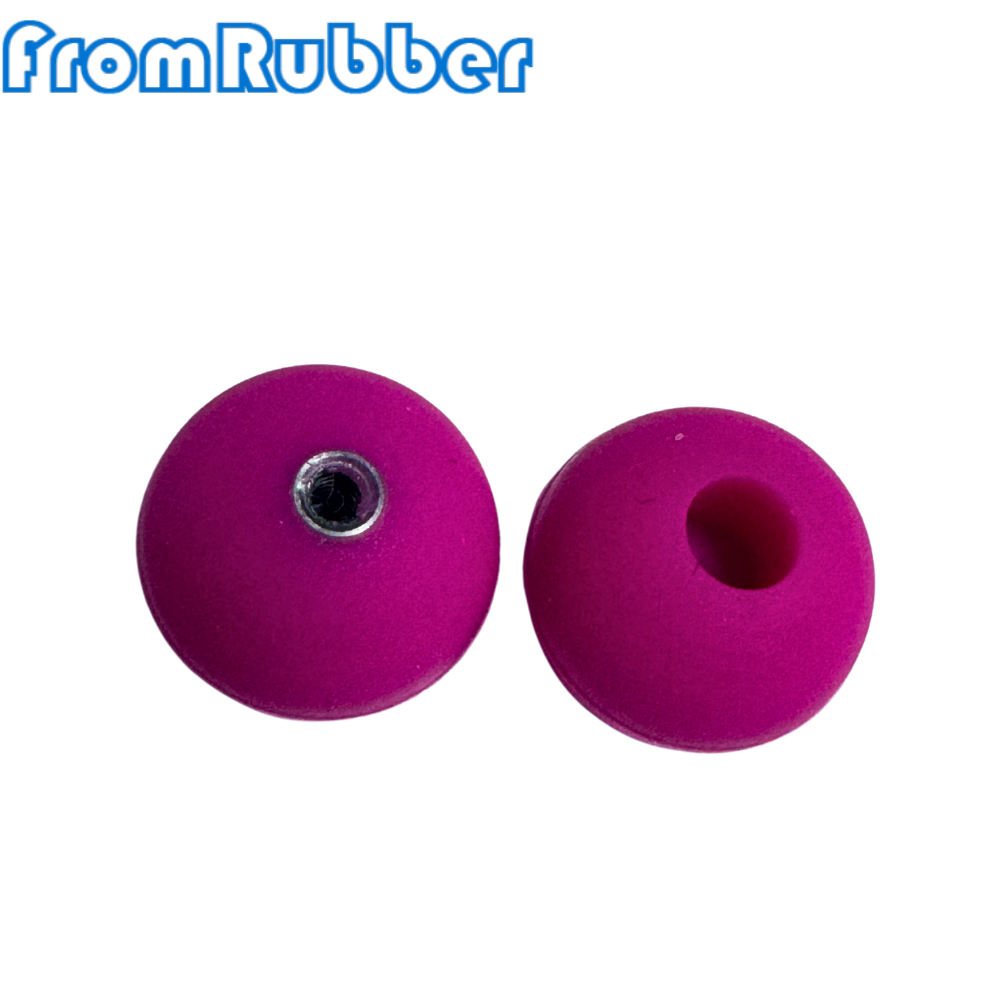
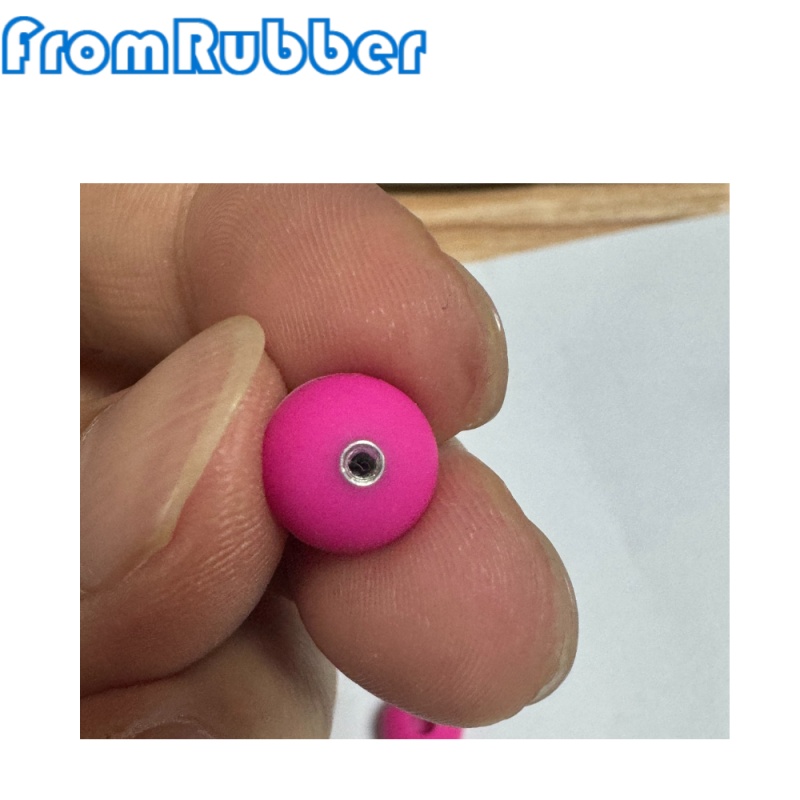
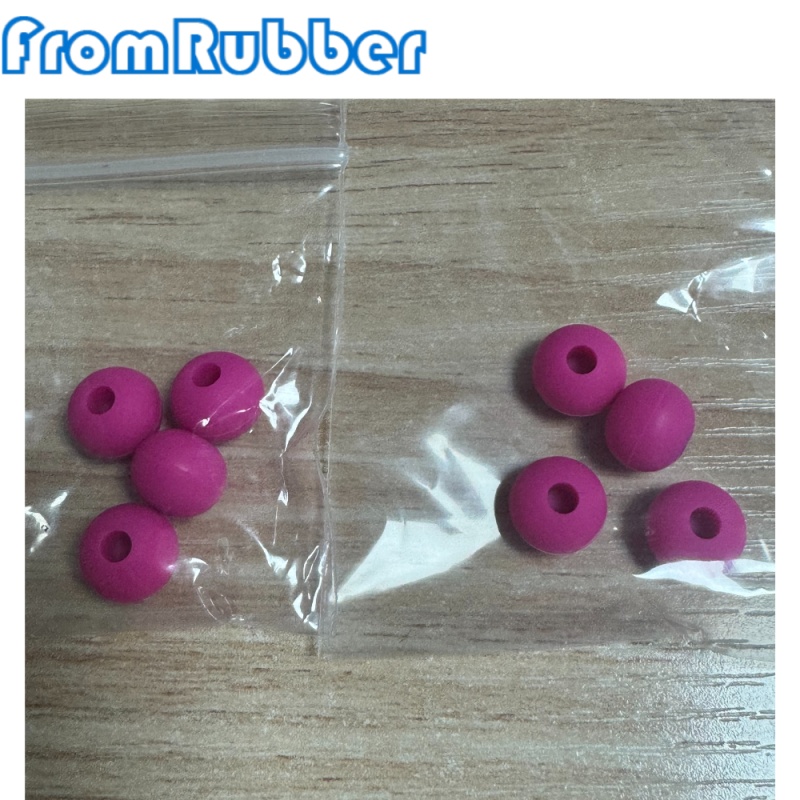
Custom Silicone Parts / Overmolding Silicone overmolding parts are molded directly onto a rigid substrate, so the seal becomes part of the component instead of a loose gasket fitted at assembly. The waterproof and dustproof performance comes from the molded lip and the bond, not from the silicone alone. That distinction decides most projects. A part with a perfect lip and a failed bond leaks at the interface; a part with a perfect bond and a badly compressed lip leaks past the seal. Overmolding is often sold as a material, when it is really a joint. Four things it does, and one it does not. A molded seal on the housing replaces a loose gasket, its placement and the chance that it is forgotten or twisted on the line. Because the silicone is bonded, water cannot track between the seal and the housing, which is the path a compressed gasket cannot close. Buttons, ribs, strain relief and cable exits can be molded into the same shot, which is why overmolded parts often replace three components. If the housing flexes, has a sharp edge or a warped face, the silicone will follow it and leak. Overmolding cannot correct a substrate that is out of tolerance. The bond route is chosen per substrate and confirmed by a pull or peel test on the production tool, not on a laboratory coupon alone. Four limits that decide whether a design is moldable before it is quoted. A sealing lip needs roughly 0.8-1.5 mm of section in LSR to compress predictably. Below that, flash and tolerance consume the sealing force. Flash where silicone meets the substrate is a leak path and a visible defect. Tool shut-off at that line is a design decision, not a finishing one. Silicone expands more than the substrate. Long, thin overmolded sections can shear at the bond during cycling if the geometry gives them nowhere to move. Soft grades tear at undercuts. If the part needs a hard undercut for mechanical retention, the hardness and the ejection method have to be designed together. The same bonding logic on a coated hardware part is described in rubber coating hardware for luggage, where the insert carries the load. An overmolded part is only waterproof if every shot bonds. That makes substrate preparation part of the process record: drying, cleaning, primer batch and open time all appear next to the cure parameters. We mold under IATF 16949 and ISO 9001 quality systems with ISO 14001 environmental management. Batches are checked for bond condition, lip dimensions and flash, and leak or IP testing is agreed on the assembled housing, because that is the only place the seal actually has to work. Four steps. The substrate drawing and its surface condition matter as much as the silicone. Housing material, the IP or leak target, the compression available and the assembly method. We choose self-bond or primer, set the lip section and place the shut-off so flash cannot land on a sealing face. Samples molded on your substrate, then leak or IP tested on the assembled housing rather than on a flat plate. Multi-cavity tool, first article, bond and dimensional checks per batch, substrate preparation in the process record. Questions that decide whether overmolding is the right route. It removes the assembly step and closes the path between seal and housing. Where the housing can take a compressed gasket reliably, a gasket is cheaper; where it cannot, overmolding earns its tooling. Yes, with a prepared surface, a primer and usually a mechanical undercut. Anodised surfaces need their own review, because the anodic layer can delaminate under load. Only as an assembly. The lip compression, the housing stiffness and the screw layout decide the result, so the test is run on the real housing and the number belongs to the assembly, not to the silicone. About 0.8 mm in LSR with a well-supported geometry. Thinner lips are possible but the tolerance and flash become a larger share of the sealing force. Tell us the housing material, the IP or leak requirement and the compression available. We will propose the bond route and lip section, and test the prototype on your housing.Silicone Overmolding Parts: Waterproof and Dustproof Seals Bonded to Your Housing
What Silicone Overmolding Parts Are, and What They Are Not
It removes an assembly step
It seals the interface, not just the gap
It carries mechanical features
It is not a repair for a bad housing
Silicone Overmolding Process: Substrate, Bond and Watch-Outs
Substrate Bond route What to watch PA6 / PA66 Self-bonding LSR or primer-assisted Moisture absorption; dry the part before molding PC and PC-ABS Primer-assisted Solvent stress cracking; anneal and check the primer PBT / PPS Self-bonding grades High melt temperature; tool thermal balance Aluminium, anodised Primer plus a mechanical undercut Anodised layer can delaminate and take the seal with it Stainless steel, brass Primer on a blasted surface Bond only where the surface is bare and clean TPE / TPU Not recommended Bond is unreliable; design a mechanical interlock instead Overmolding Silicone: Where the Process Limits Are
Lip section and compression
Flash at the interface
Thermal expansion mismatch
Demoulding strain
Custom Silicone Overmolding: Batch Control and Leak Testing
From Substrate to Serial Silicone Overmolding Parts
Send the substrate and the seal requirement
Bond and tool review
Prototype and leak test
Production with records
Silicone Overmolding Parts FAQ
What does overmolding give me that a gasket does not?
Can silicone be bonded to aluminium?
Will the part pass IP67?
How thin can an overmolded sealing lip be?
Send the substrate and the leak target