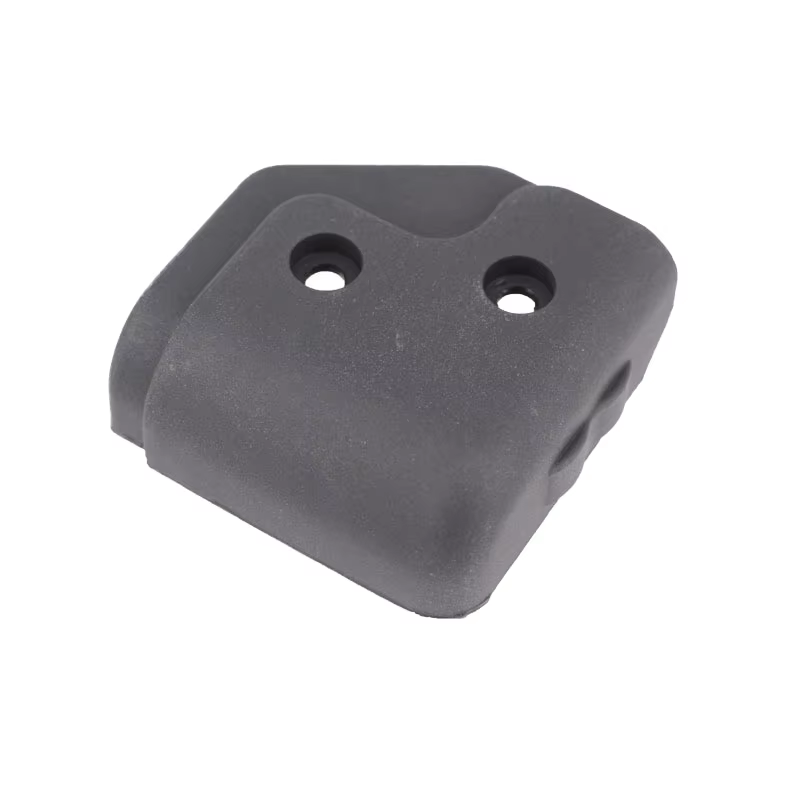
Shockproof Silicone Corner Protectors for Luggage Rubber Coating Hardware
- Model
- Silicone Coating Hardware
Item specifics
- Product Name
- Silicone Corner Protectors
- Material
- Silicone Coating Hardware
- Color
- Black
- Shape
- Customise
- Appliciation
- Hospital and Laboratory
- Features
- Easy to Clean, Shockproof
- Sales Method
- Product custom
- Consultation Email
- Suey@fromrubber.com
Review
Description
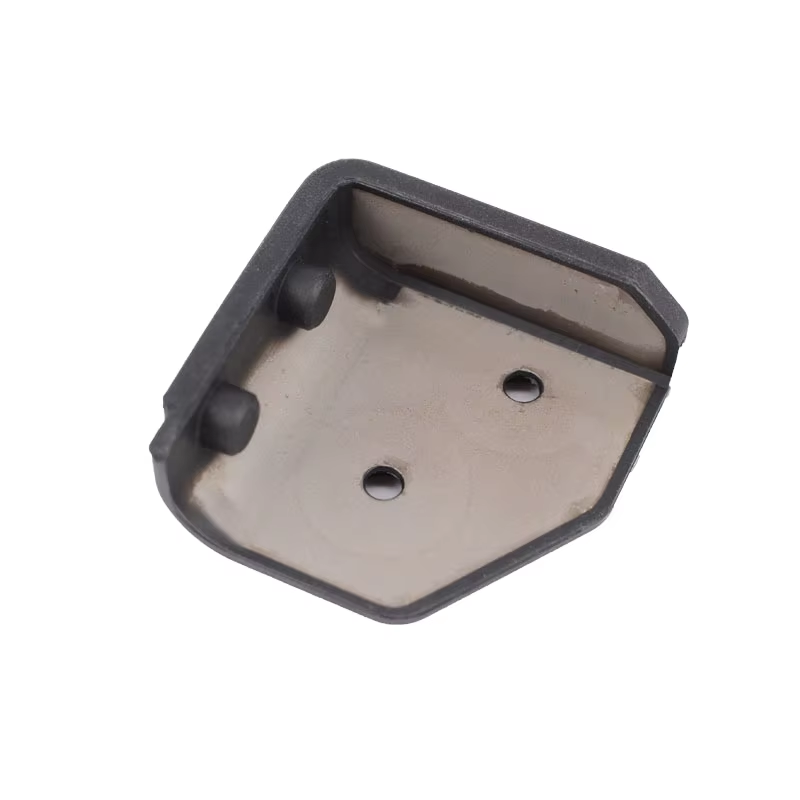
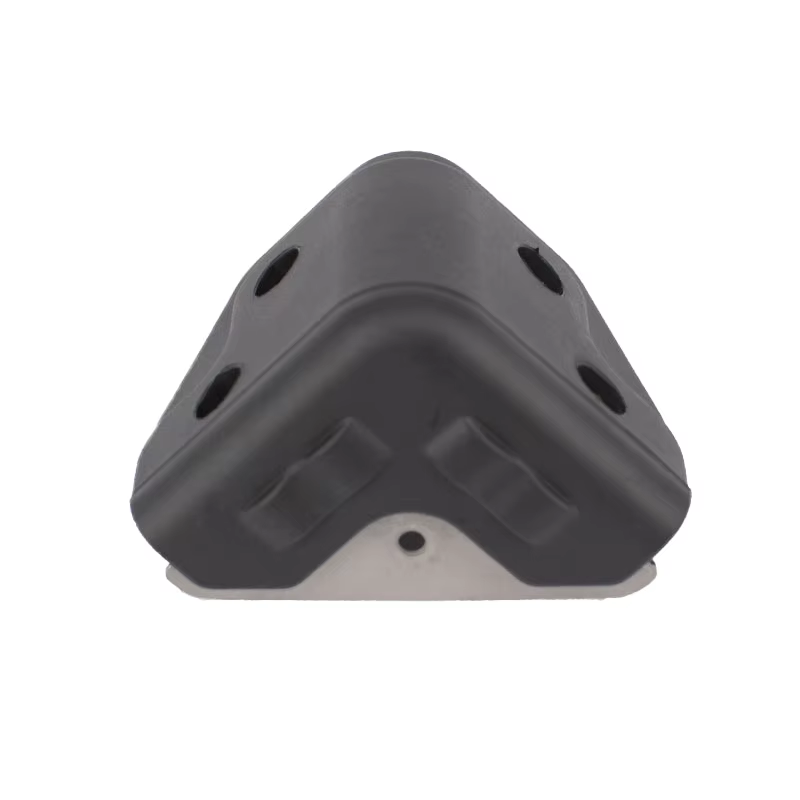
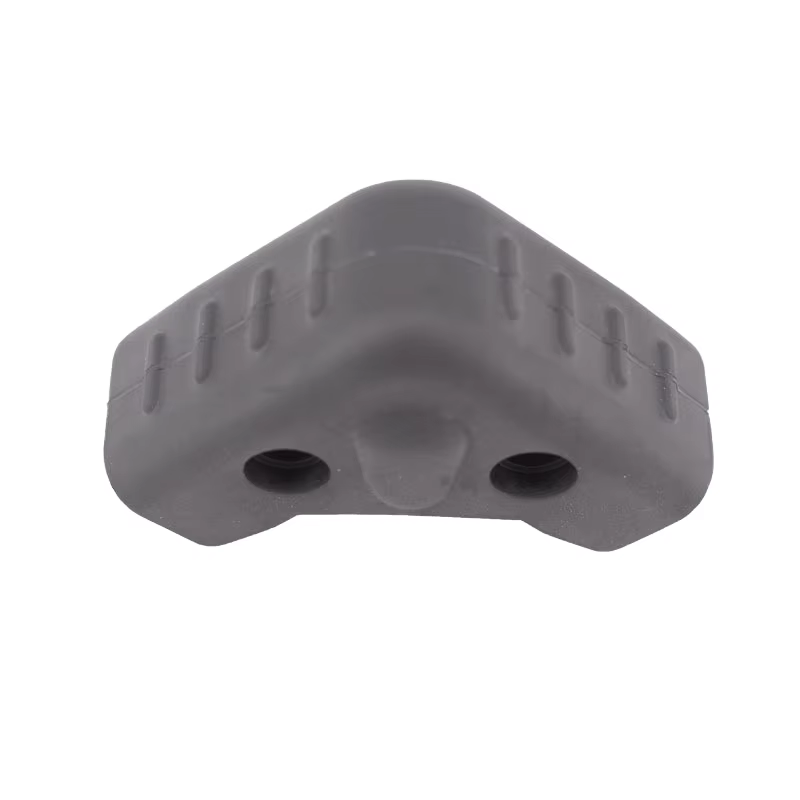
Rubber Coated Hardware / Luggage Components Shockproof silicone corner protectors are overmolded parts: a silicone body bonded onto a metal or plastics insert that carries the screw or rivet. The silicone absorbs the impact, the insert carries the load into the shell, and both have to survive the same drop. That is why a corner protector cannot be designed as a rubber shape alone. Wall thickness over the insert, tear grade, bond quality and fixing position decide whether the coating stays on after the first baggage handling. Four functions, and each one constrains a different dimension. A 2-4 mm silicone wall turns a hard corner strike into a longer, lower force pulse. That is what stops the shell cracking at the corner radius. The coating covers the metal bracket, so rivet heads and edges do not scratch the next case on the carousel. Scuffed corners are the first thing a buyer notices on a used case, and a replaceable protector is far cheaper than a shell repair. The insert stops the silicone creeping off the corner when a loaded case is dropped, which a purely adhesive pad cannot guarantee. Windows are a starting point for the drop test. The wall and hardness that work are confirmed against the case weight and the drop height the program specifies. The coating is only as good as the interface under it. Blasting, cleaning and a primer are what make silicone stay on steel. A shiny, untouched insert is the usual reason a coating peels. The insert is located in the mould so silicone flows around it without flashing into the fixing holes, which would mean rework on every part. Rounded edges and a slightly thicker rim at the opening resist the peeling load that starts every failure. Texture and colour are part of the product on a visible corner. They are decided at tooling and held to a master, not matched by eye per batch. Where the same coating approach is used on a tool or appliance rather than luggage, the rules are the same as in what over-molding means in silicone production. A corner protector is a small part with three interfaces: the silicone to the insert, the insert to the shell, and the coating to the environment. Each one is a specifiable joint rather than a matter of feel. We mold under IATF 16949 and ISO 9001 quality systems with ISO 14001 environmental management. Batches are checked for wall thickness, hardness, bond condition and colour against the master, and the insert preparation is part of the process record. Four steps, starting with the drop the case has to survive. Shell geometry, insert fixing, case weight, drop height and the appearance requirement. We set wall over the insert, edge radii, hardness and tear grade against the impact energy. Single-cavity samples bonded to the real insert, then dropped on the corner in the loaded case. Multi-cavity tool, first article, colour master and bond checks per batch. Questions from luggage brands and hardware suppliers. Not if the insert is prepared and bonded in the mould. Peeling starts at an unblasted edge or a contaminated insert, which is why substrate preparation is specified with the part. 2-4 mm over the insert covers most luggage drops. The number follows the case weight and the drop height agreed in the test. Yes, to a physical master. Colour is matched per batch and the master stays with the tool, so a later run can repeat it. Either. The insert is designed around the fixing the shell already uses, so the protector fits an existing case rather than forcing a new assembly method. Tell us the case weight, the drop height and how the protector is fixed. We will propose the insert, the wall and the compound, and confirm them on a dropped sample.Shockproof Silicone Corner Protectors for Luggage: Coating Hardware That Survives the Drop
What Shockproof Silicone Corner Protectors Do on a Case
They spread the impact over time
They protect the hardware as well as the shell
They keep the corner looking intact
They hold position under load
Silicone Corner Protectors for Luggage: Impact and Wall Window
Parameter Typical window Why it matters Wall over insert 2-4 mm Thin walls transmit impact; thick walls add weight and bulk Hardness 50-70 Shore A Soft enough to absorb, firm enough not to tear at the edge Tear strength High-tear grade Corner edges take repeated tearing load in handling Bond to insert Silicone bonded to a blasted and primed insert A loose coating moves, abrades and peels from an edge Insert Steel or engineering plastics with screw or rivet fixing Carries the load path into the shell Colour and texture Matched to a case master A visible part; colour drift reads as a defect Rubber Coating Hardware: Bonding Silicone to Metal
Substrate preparation decides the bond
Tool design around the insert
Tear-resistant edges
Appearance as a specification
From Case Corner to Serial Shockproof Silicone Corner Protectors

Four Steps From Case Corner to Finished Protector
Send the corner and the drop test
Geometry and coating review
Prototype and drop check
Production with masters
Shockproof Silicone Corner Protectors FAQ
Will the silicone coating peel off?
How thick should a corner protector be?
Can you match our case colour and texture?
Screw or rivet fixing?
Send the corner geometry and the drop test