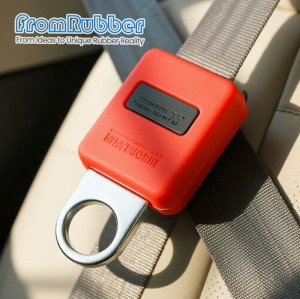
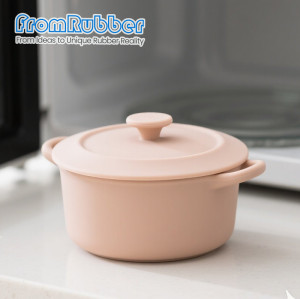
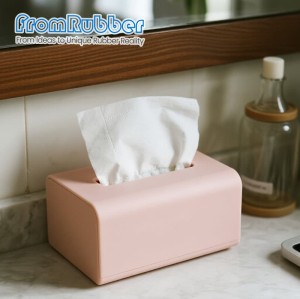
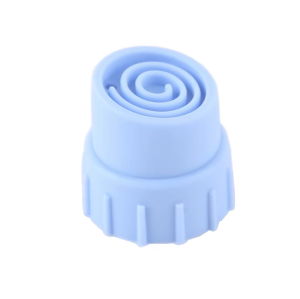
Custom Silicone Sleeve Manufacturer for Equipment Protection
Custom Silicone Sleeve Manufacturer for Equipment Protection
Model
BH-sleeve
Item specifics
Product Name
Custom Silicone Sleeve
Material
Solid silicone rubber
Hardness
30-80 Shore A
Tolerance
ISO 3302-1 M2
Color
Any Pantone shade
Temperature
-40 C to +220 C
Surface
Matte or soft-touch
Logo
Silk-screen or laser etched
Molding
Compression, LSR, overmold
MOQ
1,000 pcs (trial from 100)
Lead Time
Quote 3 h; sample 3-5 days
Certification
IATF 16949 / ISO 9001
Review
Description
Custom Silicone Sleeve: What It Is and What We Build
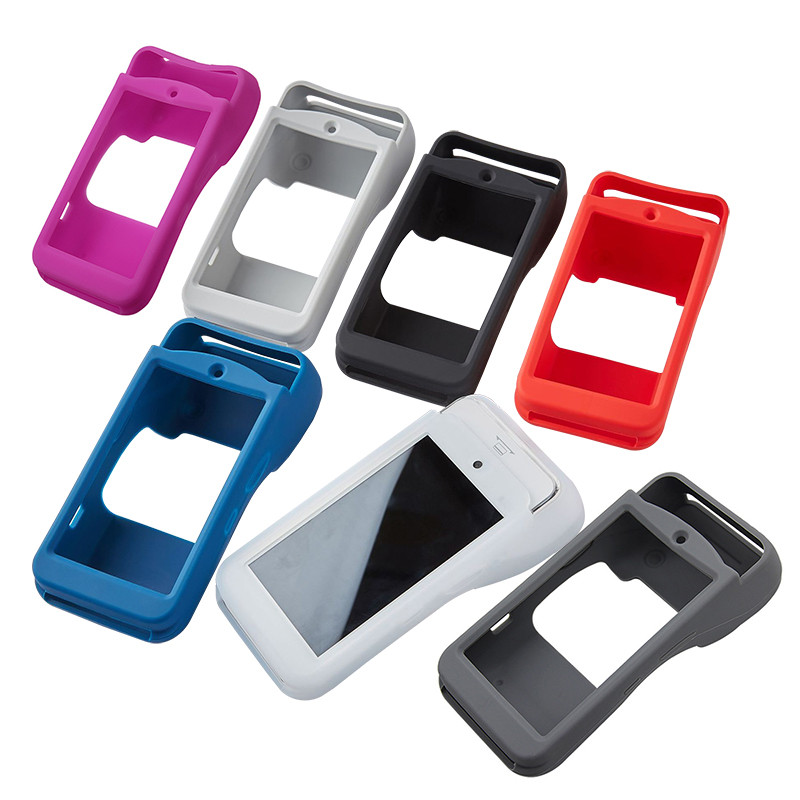
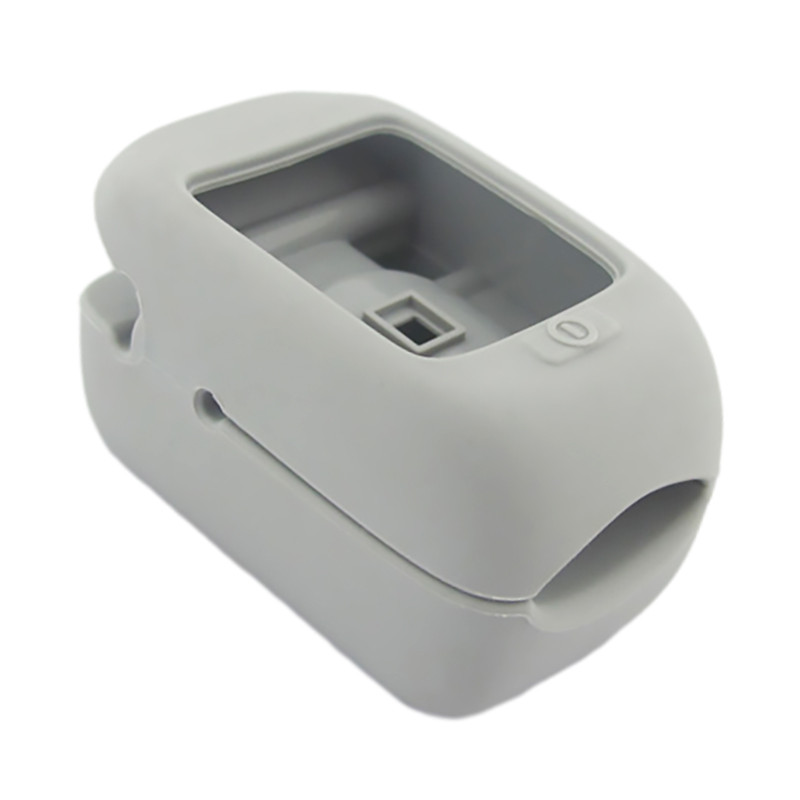
A custom silicone sleeve is a molded rubber cover that wraps around a device, tool, or component. It protects the part underneath and changes how the product feels in the hand. We do not sell stock sizes. Every sleeve starts from your own drawing or sample, so the inner cavity, the wall thickness, and every opening match your product.
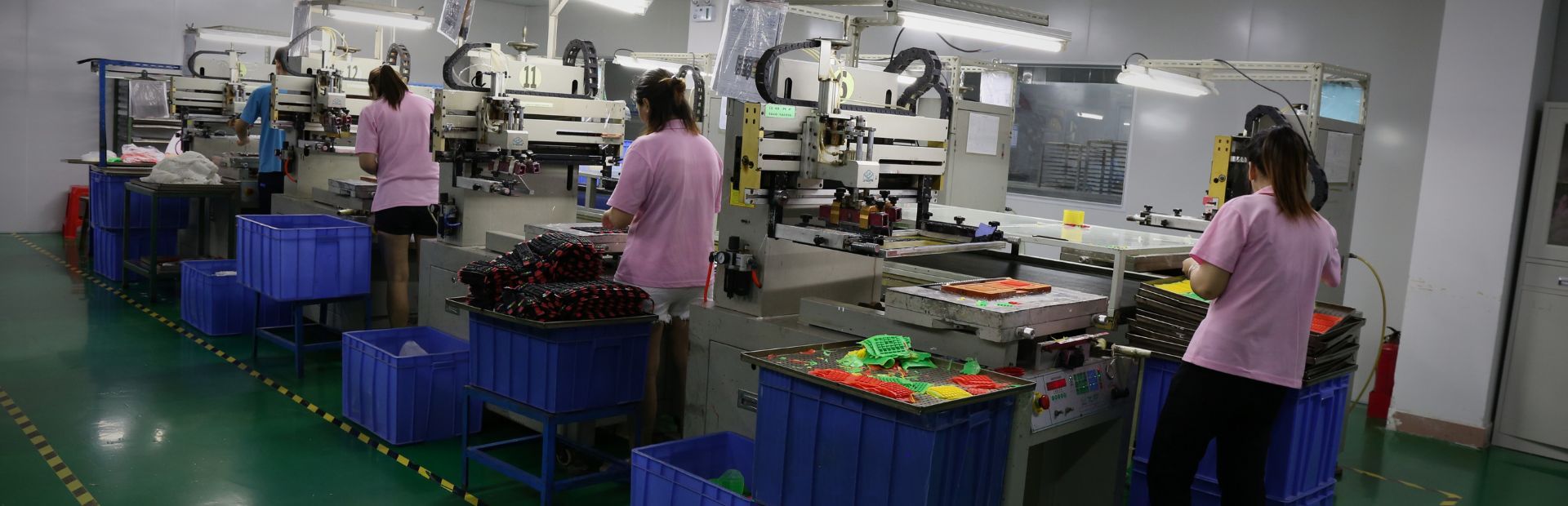
We are a silicone and plastic molding factory in Dongguan, China. Since 2010 we have produced silicone rubber protective sleeves, covers, and cases for electronics, medical devices, automotive parts, and industrial equipment.
15+Years of OEM and ODM molding
2Factories, 12,000 m² of floor space
M2ISO 3302-1 dimensional tolerance class
92%First-pass yield, or higher
What You Can Customize
Six things you decide. We mold to your numbers, not to a catalog.
Color, hardness, and openings are set per order, not per catalog.
Hardness
30 to 80 Shore A, held to a ±2.5° tolerance.
Shape and wall thickness
Molded to the outline of your device, with wall thickness set where you need stiffness or flex.
Color
Matched to any Pantone shade.
Surface finish
Matte, textured, or soft-touch with an anti-static top coat.
Logo and markings
Silk-screen printed or laser etched into the surface.
Assembly
Self-adhesive backing, or molded directly over a metal or plastic insert.
Specifications
Property
Value
Base material
Solid silicone rubber
Hardness
30–80 Shore A, ±2.5°
Dimensional tolerance
ISO 3302-1 class M2
Elongation at break
350–650%
Tear strength
≥25 kN/m
Operating temperature
−40 °C to +220 °C (250 °C short term)
Dielectric strength
≥20 kV/mm
Volume resistivity
≥10¹⁴ Ω·cm
Color
Transparent or white base; any Pantone shade
First-pass yield
≥92%
Material Options for Different Environments
Material
Key property
Choose it when
Solid silicone rubber
30–80 Shore A, −40 to +220 °C
Standard protective sleeves and covers
Food-grade silicone (fume-cured)
Meets FDA 21 CFR 177.2600 and LFGB
The sleeve touches food, or is used by children
NBR
40–90 Shore A, −30 to +120 °C
The sleeve sees oil, grease, or fuel
FKM (Viton)
60–90 Shore A, −20 to +250 °C
Strong solvents, acids, or high heat
Most protective sleeves are made from general solid silicone. Step up to FKM only when the sleeve has to survive fuel, oil, or strong solvents, and remember that FKM stiffens at low temperature, so it is a poor choice for parts that must stay flexible in the cold. General silicone, in turn, is not the right material for high-aromatic mineral oils or strong solvents.
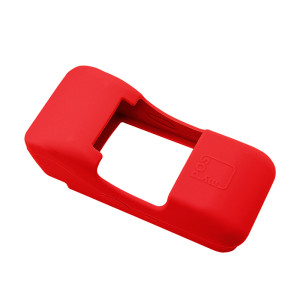
A sleeve molded to the exact outline of the part it protects.
Compression molding
Cure temperature 150–190 °C at 150–300 T. Best for large parts, multiple cavities, and multi-color work.
Vacuum compression
The press pulls a vacuum of −0.095 MPa as it closes, which removes trapped air and prevents short shots on thick walls.
Liquid silicone rubber injection
Holds ±0.02 mm and covers 10–70 Shore A, for small, thin, or ultra-soft sleeves.
Overmolding and insert molding
Silicone bonded over metal or plastic using primer systems and plasma treatment.
Finishing
Silk-screen printing at ±0.05 mm, spray coating at 10–25 µm, and laser etching with a 0.015 mm spot.
Which process fits your sleeve?
If the part is small, thin-walled, or softer than 30 Shore A, LSR is usually the answer. If you need several colors, a large part, or the lowest tooling cost, compression molding is the better route.
Quality and Testing
Check
What we hold
Dimensional
ISO 3302-1 class M2, verified on a 2.5D optical measuring instrument
Tear strength
≥35 kN/m on fume-cured silicone
Compression set
≤20% at 25% deflection, 100 °C × 22 h
Abrasion
RCA tape, 175 g load, 300+ cycles with no print breakthrough
Compliance
RoHS 2.0 and REACH SVHC, tested by SGS
First-pass yield
≥92%, tracked in production
We run IATF 16949:2016, ISO 9001:2015, and ISO 14001:2015. Every batch of raw compound is checked against the supplier certificate of analysis before it enters production, and molded parts are inspected again after trimming.
Where Silicone Sleeves Are Used
Dust and water protection — covers for ports, connectors, and handheld terminals
Grip and anti-slip — sleeves that give tools and devices a secure hold
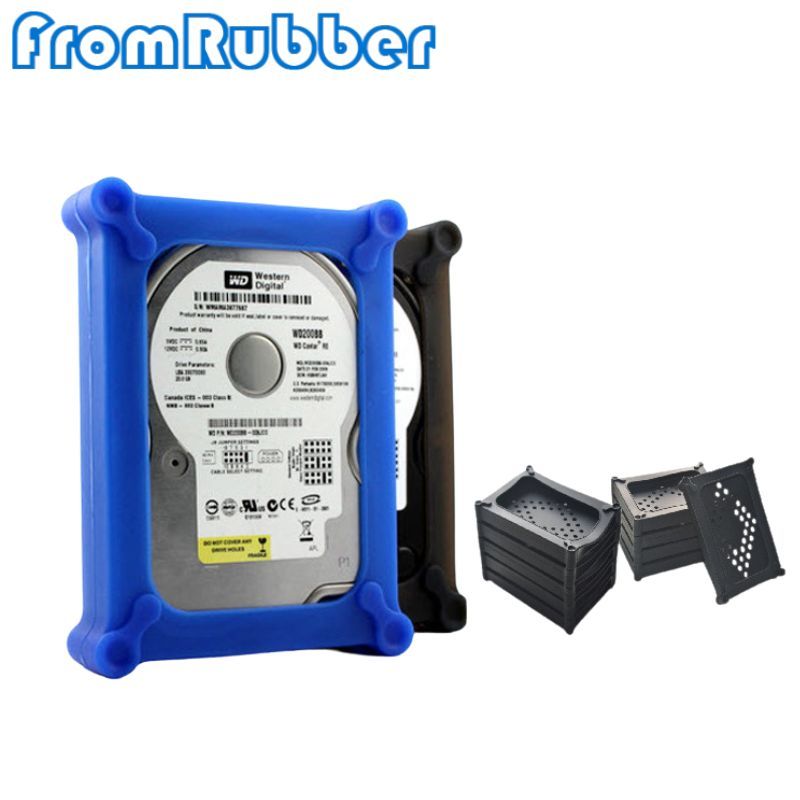
Shock absorption — corner and edge sleeves that take impact away from the part
Electrical insulation — covers over live or conductive surfaces
Heat and contact protection — sleeves that keep a hot surface away from hands
Branding and feel — multi-color sleeves that carry your logo and color scheme
A 3D file (STEP or IGES), or a 2D drawing (DWG, DXF, PDF) with tolerances marked
No drawing? Send a physical sample and we reverse-engineer it
The material and hardness you need
Color (Pantone code) and surface finish
Estimated order quantity
Lead time
Stage
Time
Quotation
Within 3 hours
Sample tooling and samples
3–5 working days
Production tooling
10–12 working days
Mass production
7–10 working days after order confirmation
Minimum order
1,000 pcs (trial runs from 100 pcs by arrangement)
We quote in English, and the tool is yours. Once you have paid for it, you can move it, store it, or take it to another molder. Your drawings are covered by an NDA on request.
Frequently Asked Questions
What is a custom silicone sleeve used for?
It wraps and protects a device, tool, or component. Typical uses are dust and water covers for connectors, grip sleeves for handheld devices, edge protection for equipment, and insulation over live parts.
What do I need to send to get a quote?
A 3D file (STEP or IGES) or a 2D drawing (DWG, DXF, PDF) with tolerances. If you have no drawing, send a physical sample. Add the material, hardness, color, finish, and estimated quantity, and we will come back with a price and a tooling plan.
What is the difference between general silicone and food-grade silicone?
General solid silicone is the standard choice for protective sleeves. Food-grade silicone is made from fume-cured compound and meets FDA 21 CFR 177.2600 and LFGB, so it is used where the sleeve touches food or is handled by children.
When should I use FKM instead of silicone?
FKM is for fuel, oil, strong solvents, and high heat. It holds up to 250 °C and resists chemicals that attack standard silicone. It does stiffen at low temperature, so it is not the right choice for parts that must flex in the cold.
What are the limits of silicone sleeves?
General silicone has poor resistance to high-aromatic mineral oils and strong solvents, and it is not the stiffest material available. If a sleeve has to hold a rigid shape or carry a structural load, plastic or metal parts are a better fit.
What is the minimum order quantity?
1,000 pcs for standard production. Trial orders from 100 pcs can be arranged.
Get your silicone sleeve quoted within 3 hours
Send your drawing, or a photo of the part you need covered
An engineer replies with a price and a tooling plan
Ask for an NDA before you share files; your design stays yours