FromRubber Free Provide Silicone Keyboard Professional Consulting Services
Item specifics
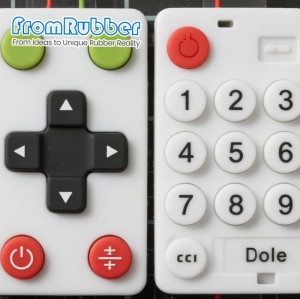
- Design
- Follow 3D Drawing Or Physical Object
- Printing
- Silk Screen Printing
- Feature
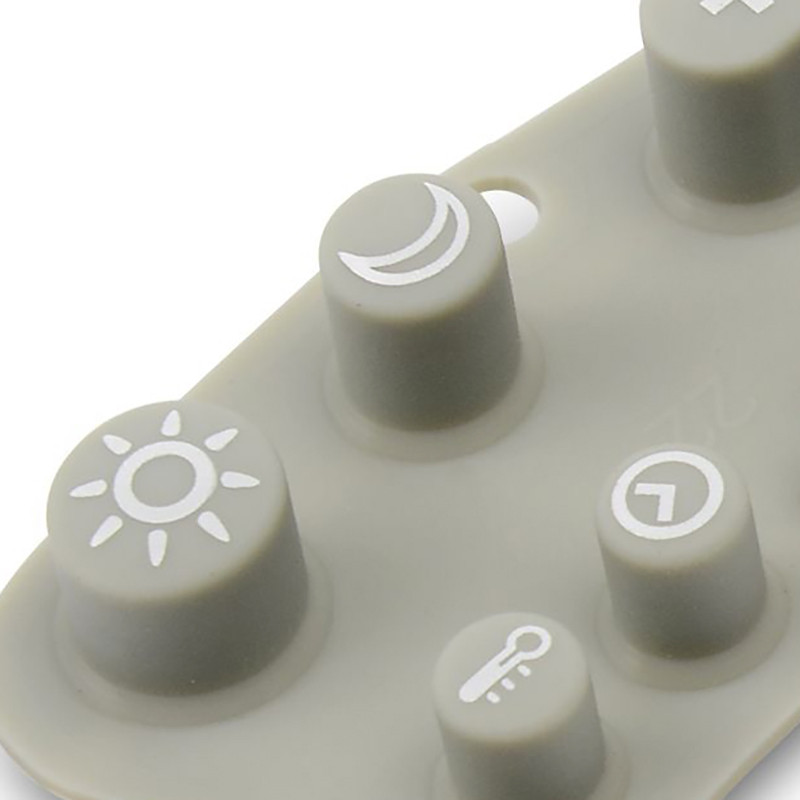
- Clear and Bright Characters
- MOQ
- 1000pcs
- Application
- According to Your Need
Review
Description
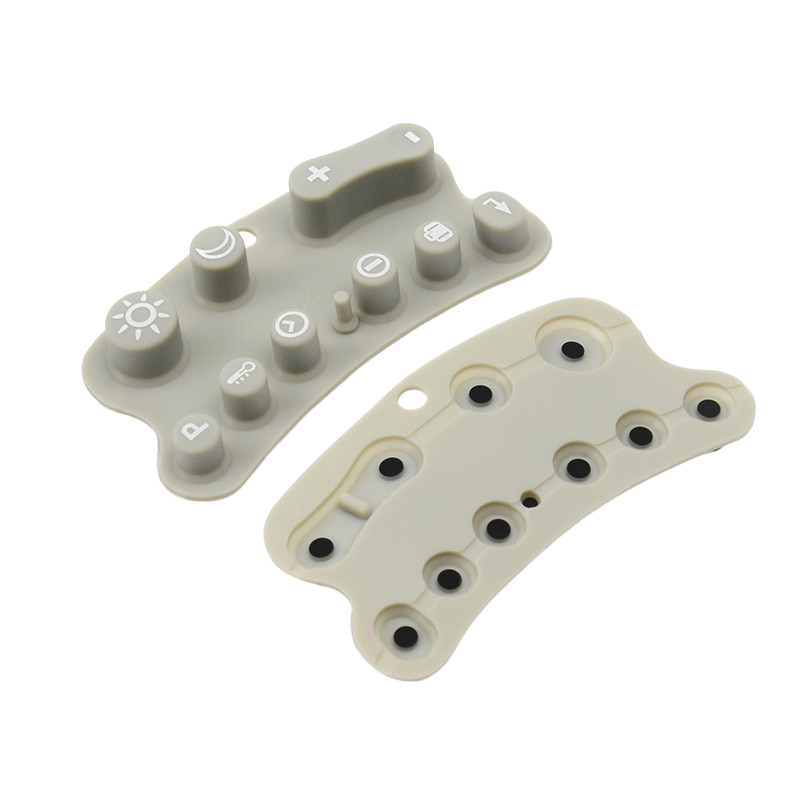
Most keypad problems are decided before the first mould is cut, and most of them are visible on the drawing. This page describes the engineering review offered to project teams at no cost: what is checked, what comes back, and where the review changes a design before it becomes an expensive tool modification. The review starts from failure modes rather than from a checklist of features. The first is sealing: whether the keypad has a defined compression land and whether the housing interface is drawn with the same tolerance chain. The second is the key web and dome geometry, which decide both feel and life. The third is the contact method against the PCB finish. The fourth is legend durability against the cleaning agents. The fifth is assembly: whether the keypad can be fitted the wrong way round, and whether it can be removed for service. Each finding is written with the drawing reference and the consequence, not as a general recommendation. A note that says the web is thin is not useful; a note that says the web at the function key row will collapse under a gloved press, and what the alternative geometry is, can be acted on immediately. The output is a short written review with three parts: findings ranked by cost to fix, a marked-up drawing or model where the geometry is in question, and a list of open points that need a decision from the customer before tooling. Where a material or contact method is being reconsidered, the alternative is named with the trade-off rather than presented as a single answer. The review deliberately does not produce a quotation as its main output. A quotation without a resolved interface is a number that will change. The sequence is review, agreement on the open points, then tooling and price, which is why projects that start with a drawing review usually reach a stable quotation faster. A review pays for itself when the design is still open: a new keypad, a housing interface under development, or a transferred product where the original drawings are incomplete. It pays less when the design is already proven and the question is purely commercial, because there is little left to change. It also does not replace testing. The review predicts where a design is likely to fail; it cannot certify that it will not. Ingress, life cycle and chemical resistance are established by testing the moulded part, and the review's job is to make sure the first moulded part is worth testing. The input package is a 3D model in STEP or IGS, a 2D drawing with critical dimensions, the housing section around the keypad, the PCB contact layout and the cleaning agents. Where no CAD exists, a physical sample can be measured and modelled first, which is a separate step but usually still faster than tooling against a verbal description. The review is returned in writing and can be discussed on a call, with the customer's mechanical engineer in the room. That conversation is where most of the value appears, because the trade-offs between feel, sealing and cost are decided jointly rather than by one side guessing at the other's priorities. The review covers design and manufacturability findings. Validation of the moulded part is a separate activity and is scoped per project. The design review itself carries no charge. It is offered because a keypad that reaches tooling with an unresolved interface costs both sides more than the review does, and because a resolved drawing produces a quotation that does not move later. No. The findings belong to the customer and can be taken to another supplier. In practice most projects continue, because the review resolves questions that would otherwise have been discovered during tooling. A sample can be measured and modelled first, with the sealing land and key web treated as controlled geometry. That modelling step is the only part of the process that differs from a CAD-based review. Yes. Drawings and models are handled under an NDA where the customer requires one, and the review documents are returned to the customer rather than retained for other projects. Share the 3D model, the 2D drawing and the housing section. The response is a written set of findings ranked by cost to fix, with the open points that need a decision before tooling starts.Silicone Keyboard Engineering Review: What Gets Checked Before a Drawing Goes to Tooling
What a Keypad Design Review Actually Checks
Five failure modes found before tooling

The Deliverables You Get Back
A document that can be acted on
When a Review Saves Money, and When It Does Not
Honest scoping

How the Review Runs From Drawing to Response
Input, review, response
Review Scope and Input Requirements
Questions About the Engineering Review
Is the review really free?
Do I have to commit to production afterwards?
What if we only have a physical sample?
Can the review be covered by an NDA?
Send the Drawing for a Review