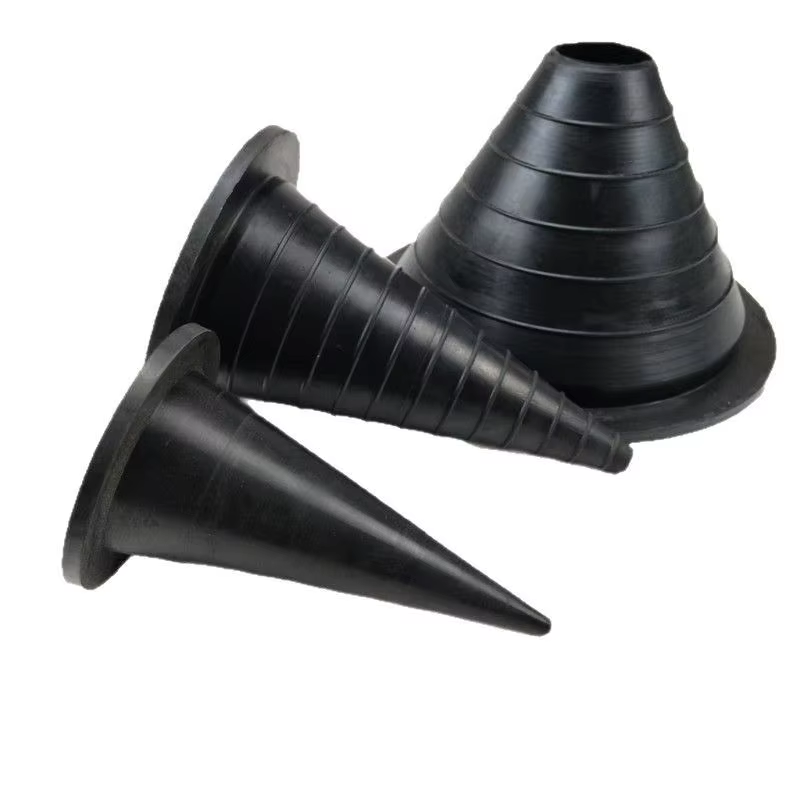
Dust-proof EPDM Rubber Conical Thread Protective Cap Tower Type Sealing
- Model
- Protective Cap
Item specifics
- Product Name
- Rubber Conical Thread Protective Cap
- Material
- EPDM Rubber
- Color
- Black
- Shape
- Customise
- Appliciation
- Factory assembly, mechanical tools,auto repair
- Features
- Dust-proof, Shockproof
- Sales Method
- Product custom
- Consultation Email
- Suey@fromrubber.com
Review
Description
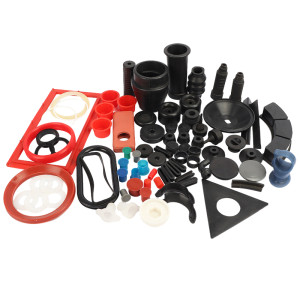
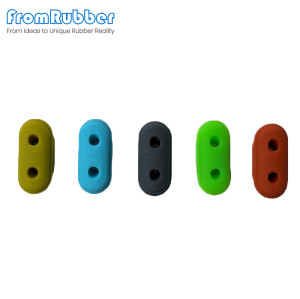
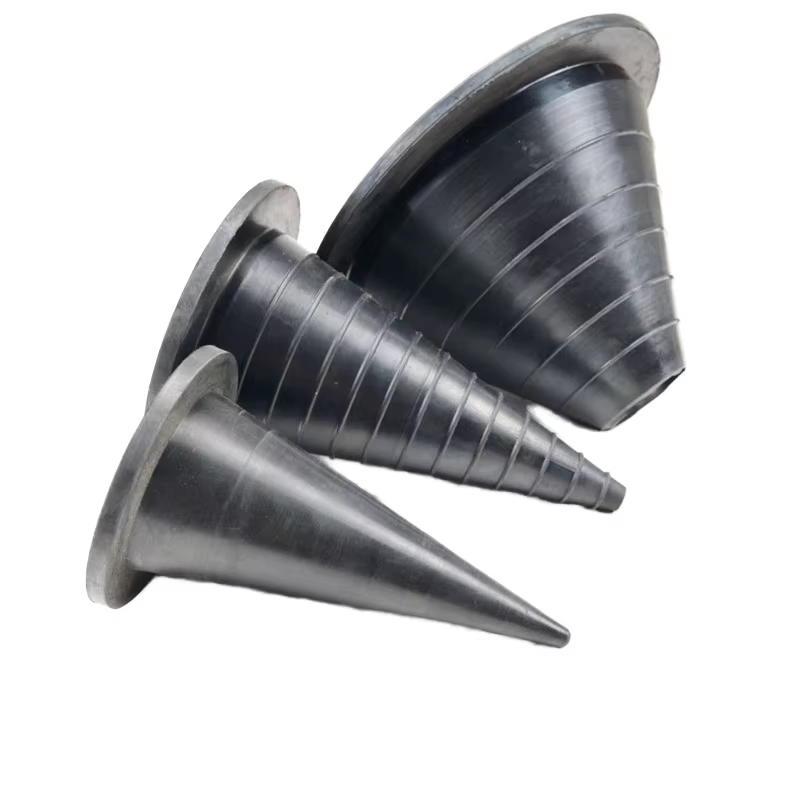
Custom Silicone Seals / Masking Caps Dust-proof EPDM rubber conical thread protective caps are masking parts. They keep paint, powder, blasting grit and swarf out of threaded ports and bores during processing, storage and transport, and they are removed before assembly. The stepped conical profile is the useful part of the design: one cap covers a span of thread sizes, which removes part numbers and wrong-cap errors from the line. The material choice is the second decision, and on a paint line it is EPDM rather than silicone. Four jobs a masking cap does, and what goes wrong when it does not do them. A cap that stays seated through the bake keeps the thread clean. One that softens or creeps lets cured powder into the thread roots, and the port is scrapped at assembly. Dust and water ingress during shipping is a common cause of a returned assembly. A flanged cap seals the port face as well as the bore. Swarf in a hydraulic or pneumatic port ruins the component. Caps go on before the operation, not after. Colour-coded caps mark thread size or masking stage, which removes a decision from the operator and a class of errors from the build. The window is a design starting point. Masking performance is confirmed against your actual oven profile and dwell time, because that combination decides whether a cap survives. Silicone tolerates more heat. On a coating line that is not the deciding property. Silicone residue causes craters and adhesion failures in paint and powder lines. EPDM removes the risk that makes silicone unwelcome in a paint shop. EPDM resists ozone and UV, which suits caps that are stored or used outdoors between jobs. EPDM handles hot water and steam cleaning better than most general-purpose rubber, which matters for caps reused across wash stages. A masking cap is a consumable. EPDM is economical in volume, which is why it dominates this application rather than a higher-temperature compound. Where the cap is used on a machined port rather than a coated one, the sealing logic is the same as in rubber washers for fluid sealing and leak prevention. A tower-type cap stands on its flange, which is what lets it be fed and picked in volume without a bowl full of tangled cones. That shape is a moulding decision as much as a functional one. We mold under IATF 16949 and ISO 9001 quality systems with ISO 14001 environmental management. Batches are checked for flange diameter, step dimensions, hardness and colour, because a cap that seats differently changes what the line operator has to do. Four steps. The thread range and the oven profile both arrive with the drawing. Which ports are masked, the thread standard, the oven profile or wash stages, and whether caps are reused. We size the steps across the range, set hardness and flange, and choose the EPDM grade against the bake. Samples fitted on the smallest and largest thread in the range, then through the actual bake cycle. Multi-cavity tool, colour master, batch checks on flange, steps and hardness. Questions from process engineers and purchasing teams. EPDM tolerates short bake excursions; what decides is the dwell time and whether the cap is reused afterwards. Give us the oven profile and we match the compound to it. A stepped conical profile covers several thread sizes with one part, which cuts part numbers and mis-fitting on the line. Not on a paint line. Silicone residue causes craters and adhesion failures, so EPDM is the safer choice for masking even where silicone has the higher temperature rating. After a bake they have taken some set. Reuse is acceptable where the seal is not critical; on a masked thread a fresh cap is usually cheaper than a rework. Tell us which ports are masked, the thread standard and the bake or wash cycle. We will size the steps, choose the compound and check the cap through your actual process.Dust-proof EPDM Rubber Conical Thread Protective Caps: Masking, Sealing and Reuse
What Dust-Proof EPDM Rubber Caps Protect
Threads during coating
Ports in transit
Bores during machining
Identification on the line
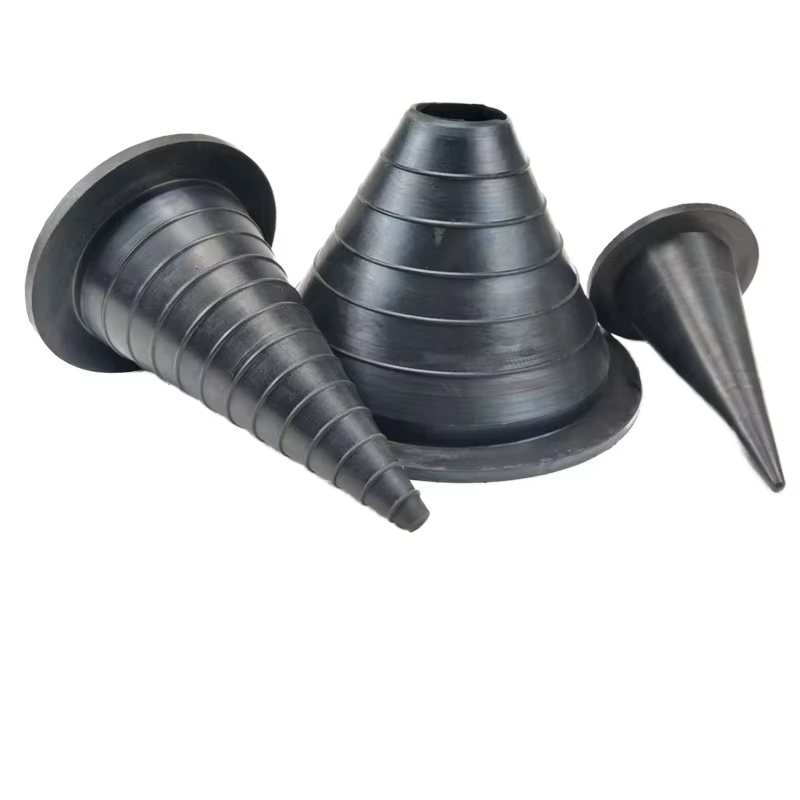
EPDM Rubber Conical Thread Protective Cap: Size and Temperature Window
Parameter Typical window Why it matters Service temperature EPDM suited to short paint and powder-bake excursions; dwell time matters more than peak A cap that creeps in the oven releases the thread Thread coverage One stepped cap spans several metric or imperial sizes Fewer part numbers, fewer mis-fits Hardness 50-70 Shore A typical Soft enough to seat by hand, firm enough to stay put Flange Seals the port face as well as the bore Stops paint creeping behind the cap Step profile Step count and rib depth set grip and pull-off force Too little grip falls out; too much splits on removal Colour Any, used for identification Removes wrong-cap errors from the line Why EPDM and Not Silicone for Masking Caps
Silicone contamination
Ozone and weather
Water and steam
Cost at volume
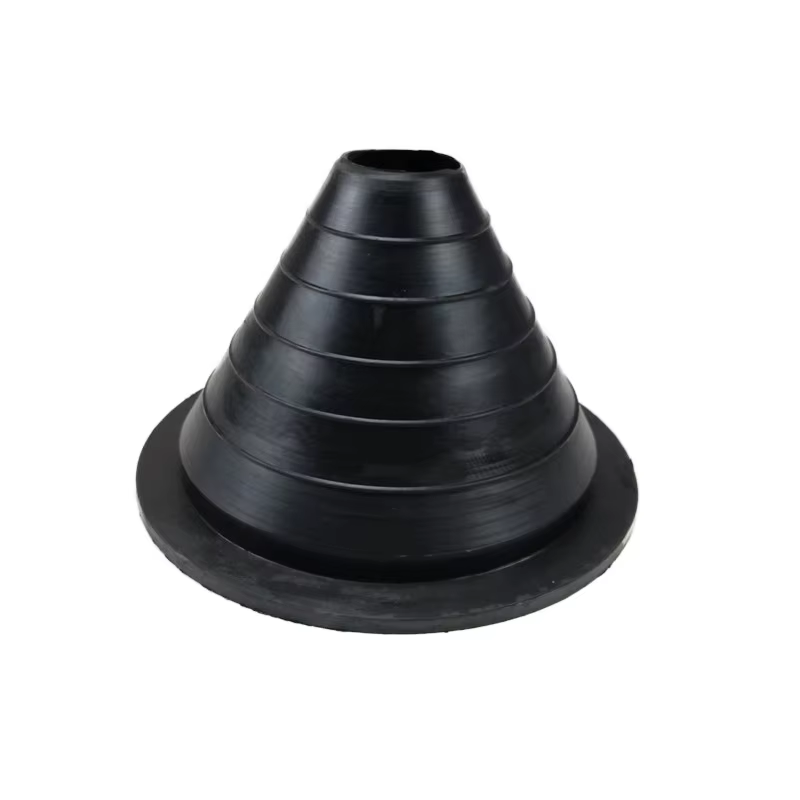
Rubber Tower Type Sealing Caps in Volume Production

From Thread Range to Serial Dust-Proof EPDM Rubber Caps
Send the thread range and the process
Profile and compound proposal
Prototype across the range
Production with colour coding
Dust-Proof EPDM Rubber Caps FAQ
Can the caps survive a powder-coating oven?
Why conical rather than a straight cap?
Is silicone better because it takes more heat?
Can the caps be reused?
Send the thread range and the oven profile