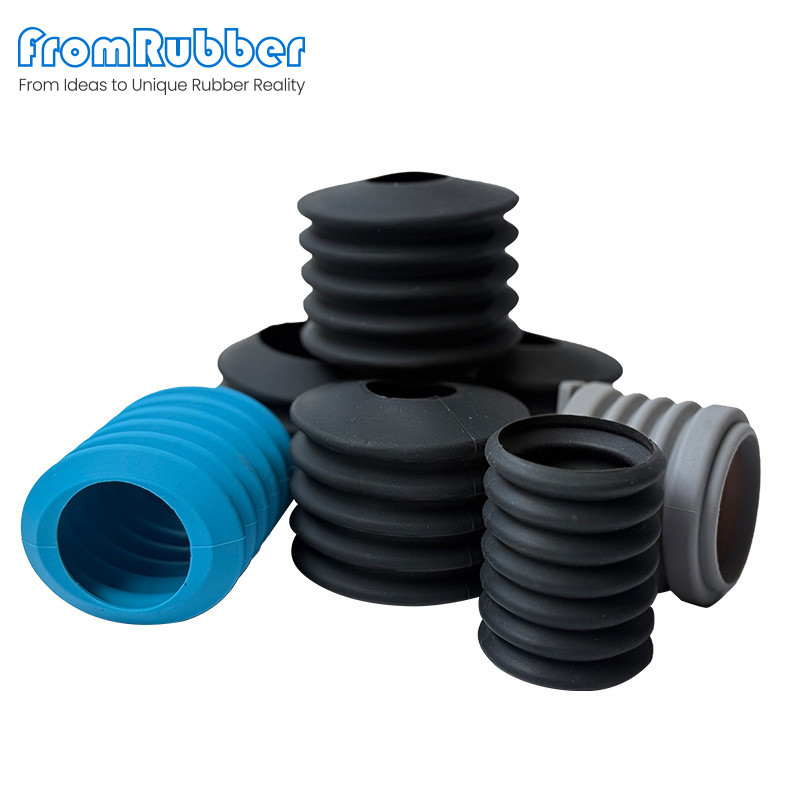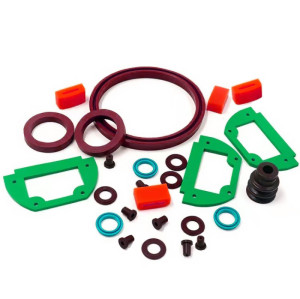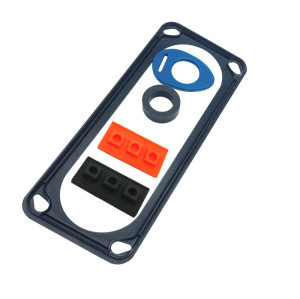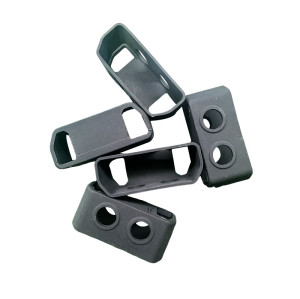
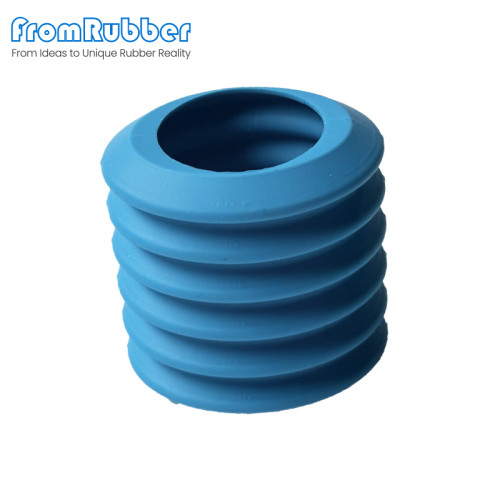
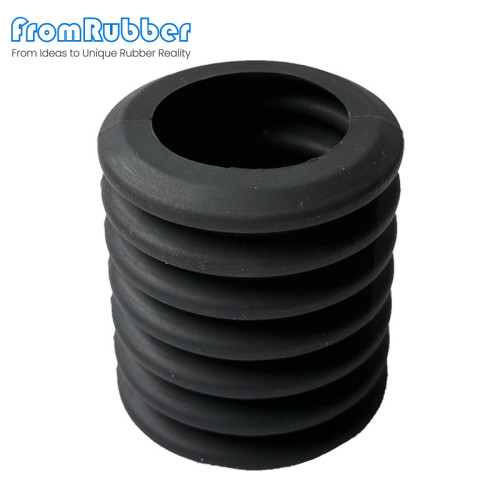
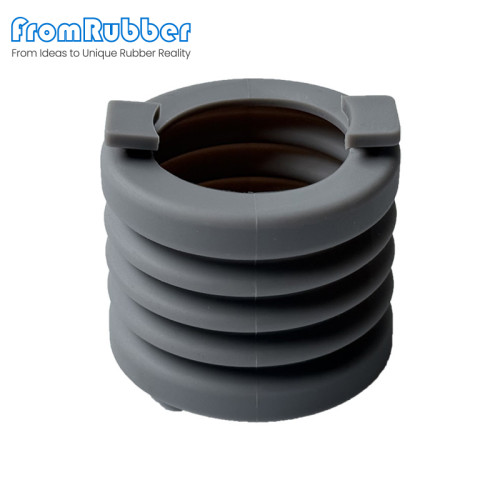
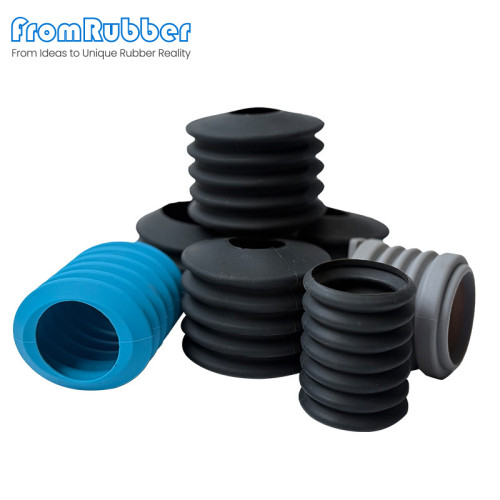
Small Molded Rubber Bushings for Auto Repair
- Model
- BH-auto15
Item specifics
- Product Name
- Rubber Bushings
- Material
- Rubber Silicone
- Color
- Black,Custom
- Shape
- Customise
- Stype
- Small
- Application
- Auto Repair
- Sales Method
- Molded Custom
- Consultation Email
- Suey@fromrubber.com
Review
Description
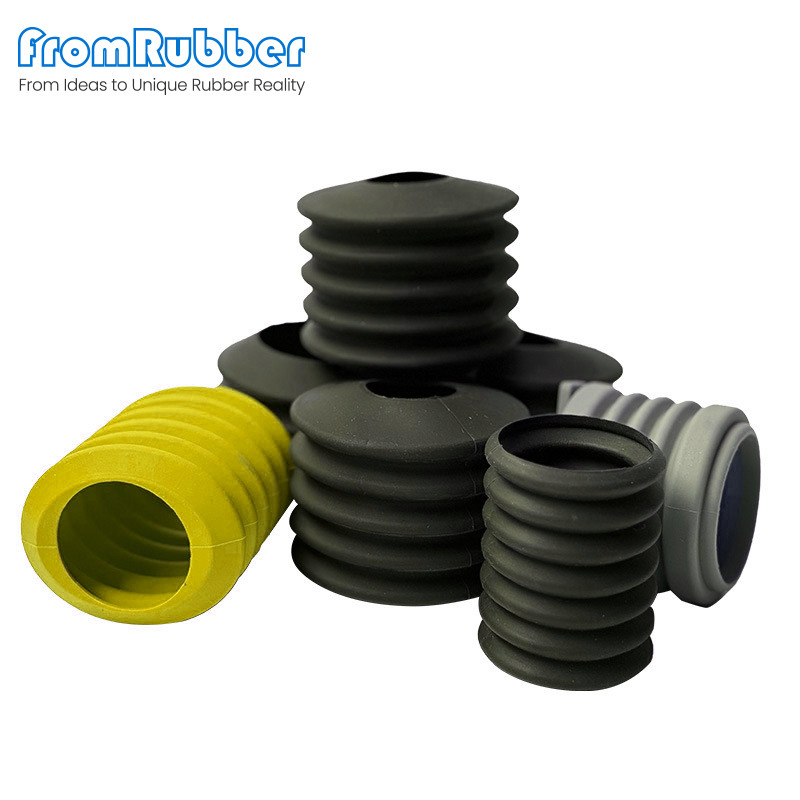
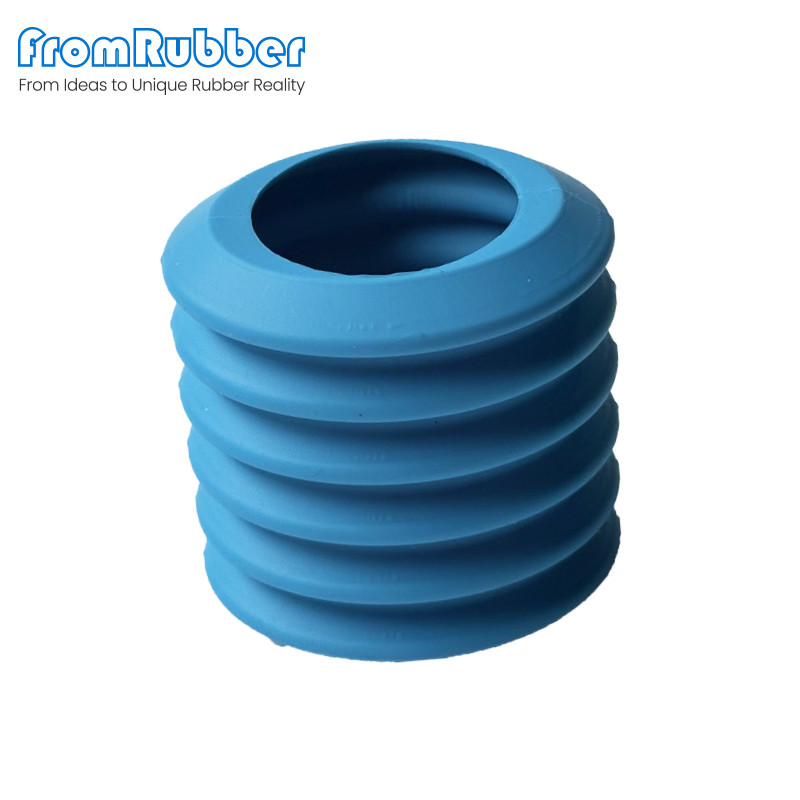
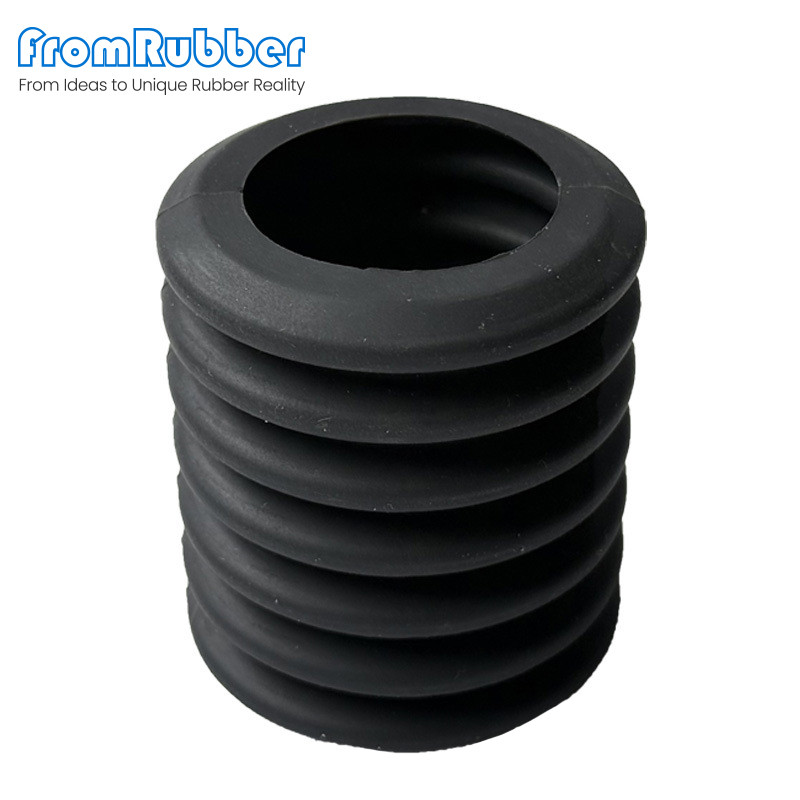
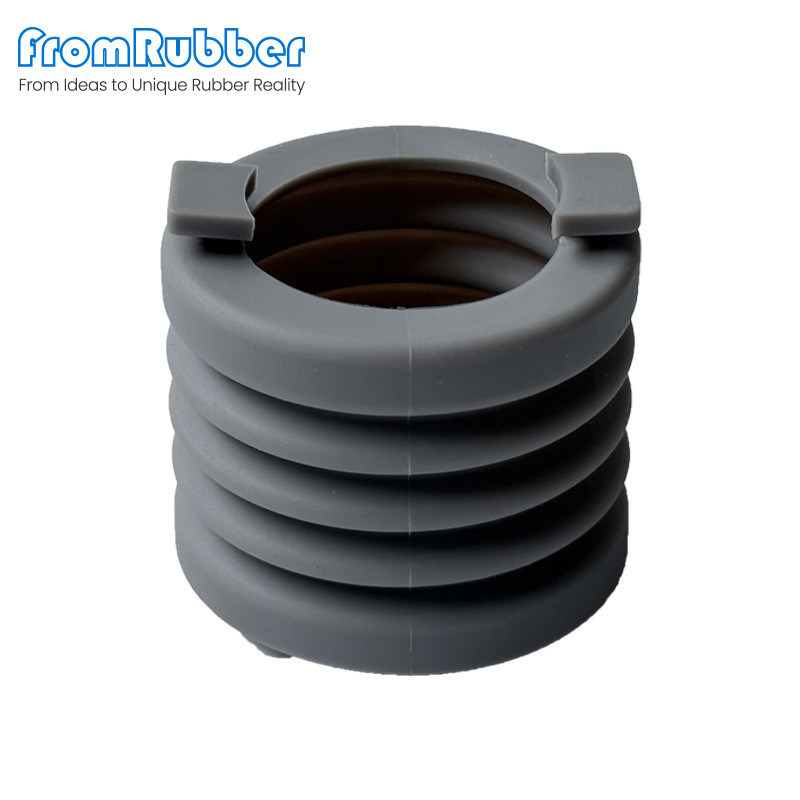
Custom Silicone Seals / Automotive Repair Parts A small molded rubber bushing is a vulcanised elastomer sleeve, normally molded onto an inner and an outer metal sleeve, that holds a defined stiffness in the radial and axial directions while isolating road and driveline vibration. It is a tuned spring, not a rubber block. That is why two bushings that look identical can behave completely differently. A 5 Shore A hardness difference, 0.2 mm of interference, or a bond line that was never primed will each change the rate and the service life. This page sets out the parameters we fix with you before a tool is cut, so a replacement bushing behaves like the part it replaces. In repair work the failure is rarely the compound itself. It is one of three mismatches between the replacement part and the way the arm loads it. Static stiffness tracks hardness closely: moving 5 Shore A typically shifts radial rate by roughly 10-15%. On a sway bar or control arm that is enough to move road-input frequencies, so the car either feels harsh or starts to wander. The outer sleeve is a press fit. Too loose and the bushing rotates in the housing, frets the bore and wears oval. Too tight and the rubber sits pre-stressed before the car moves, which tears the bond line at the sleeve edge. A plain bore and a ribbed bore of the same outside diameter do not have the same torsional rate. Rib pitch, rib depth and the flexible web between them decide how the bushing takes wind-up, which is what the driver feels as steering precision. Windows above are starting points for a design review, not acceptance limits. Final values are fixed by the drawing, the compound TDS and first-article measurement, and any critical value is tested and reported per batch. Four compounds cover most bushing work. The choice follows the environment and the load type, then hardness is tuned inside it. Best fatigue life and lowest hysteresis for suspension rates. Poor in oil and ozone, so it belongs behind a boot or away from exhaust heat. Weather and ozone resistance with good compression set; the default for chassis and body mounts that see splash and sunlight. Oil and fuel mist resistance for engine-bay bushings and mounts near breathers or power steering lines. The widest temperature window, but lower tear and tensile strength than NR or EPDM. Choose it where heat is the killer, not where load is. If the same part also has to seal against oil or fuel, the mating rules are covered in leak-proof silicone gaskets for oil and fuel resistance. Bushings are molded in steel tools, so the rate you approve in a sample is the rate you get in production only if cavity dimensions and bond conditions are held the same way on every cycle. FromRubber works to an IATF 16949 and ISO 9001 quality system with ISO 14001 environmental management. Each batch is checked for hardness, key dimensions and bond-line condition, and a first-article report is issued before mass production starts. Where a part replaces an existing OEM number, we reverse the durometer and the sleeve preparation from your sample instead of copying a worn outside diameter. Send a drawing, a 3D model or a worn part. The four steps are the same for a first prototype and for a repeat order. STEP or IGES, a 2D PDF, or the failed part together with the vehicle position it came from. We return the durometer, interference, bond and rib geometry that suit your housing, and mark the points where the drawing is ambiguous. Single-cavity tool and samples for fit and rate check, before any production steel is committed. Multi-cavity tool, dimensional report, hardness and bond check, then serial supply with batch traceability. Short answers for engineers writing a bushing specification or comparing a replacement part. For road-car suspension bushings, 55-75 Shore A covers most sway bar, control arm and shock applications. The number matters less than the rate: specify the load-deflection target and let hardness follow from it. Yes. Send the sleeve drawing or a sample with its surface condition. Bond strength depends on substrate preparation and primer, so we check the sleeve before quoting rather than after tooling. A squeak usually means the bushing is rotating in its housing, from loose interference or a dry bore. A clunk usually means the rate is too low, or that the rubber has separated from the sleeve. Custom molded bushings start from 100 pieces per size. Tooling is quoted separately and belongs to the part, so repeat orders do not carry a second tooling charge. Tell us the vehicle position, the housing bore and the rate you need. We reply with the durometer, interference and bond specification that fit, and flag anything in the drawing that will cost money in tooling.Small Molded Rubber Bushings for Auto Repair: Stiffness, Interference and Bond
Why a new bushing fails inside a year
Hardness drift changes the rate
Wrong interference, wrong load path
Bore and rib geometry copied by eye
Parameters we fix with you before tooling
Parameter Typical design window What we need from you Hardness 45-75 Shore A, tolerance ±5 Target durometer and the band you can accept Radial static rate Set by load-deflection target, not by hardness alone Load-deflection curve, or a target in N/mm at rated load Interference fit, outer sleeve 0.1-0.3 mm on the housing bore Housing bore diameter and its tolerance Rubber-to-metal bond No separation at the bond line after heat ageing and salt spray Sleeve material, surface treatment and pull-test limit Rib and web geometry Rib depth and pitch derived from the torsional wind-up angle 3D model, 2D drawing, or the worn original part Service temperature EPDM and NR to about 120 °C; VMQ higher, with lower tear strength Chassis, engine-bay or exhaust-adjacent position Which compound, and why hardness is not the whole spec
NR, natural rubber
EPDM
NBR
VMQ silicone
How we hold the geometry that sets the rate
How a custom bushing run starts
Drawing or sample in
DFM review
Prototype tool and bench samples
Production and first article
Bushing specification questions we answer most often
What durometer should a suspension bushing be?
Can you mold rubber onto my existing steel sleeve?
Why does a replacement bushing squeak or clunk?
What is the minimum order for a custom bushing?
Send the drawing, get a DFM note back