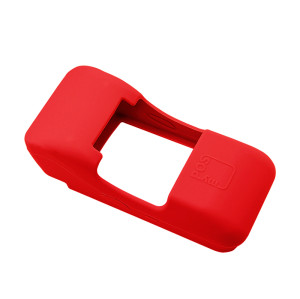
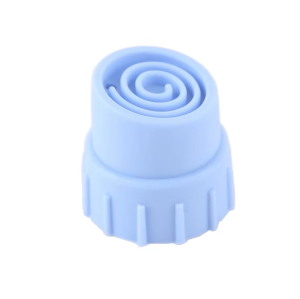
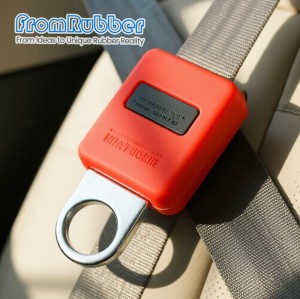
Anti-Collision Anti-Scratch Silicone Protective Cover for Car Seat Belts Buckle
- Model
- BH-silicone case
Item specifics
- Design
- Follow 3D Drawing Or Physical Object
- Process
- Molding
- Feature
- Anti-Collision Anti-Scratch
- MOQ
- 1000pcs
- Application
- Car Seat Belts Buckle
- Color
- Pantone No.
- Packing
- Common/Custom
Review
Description
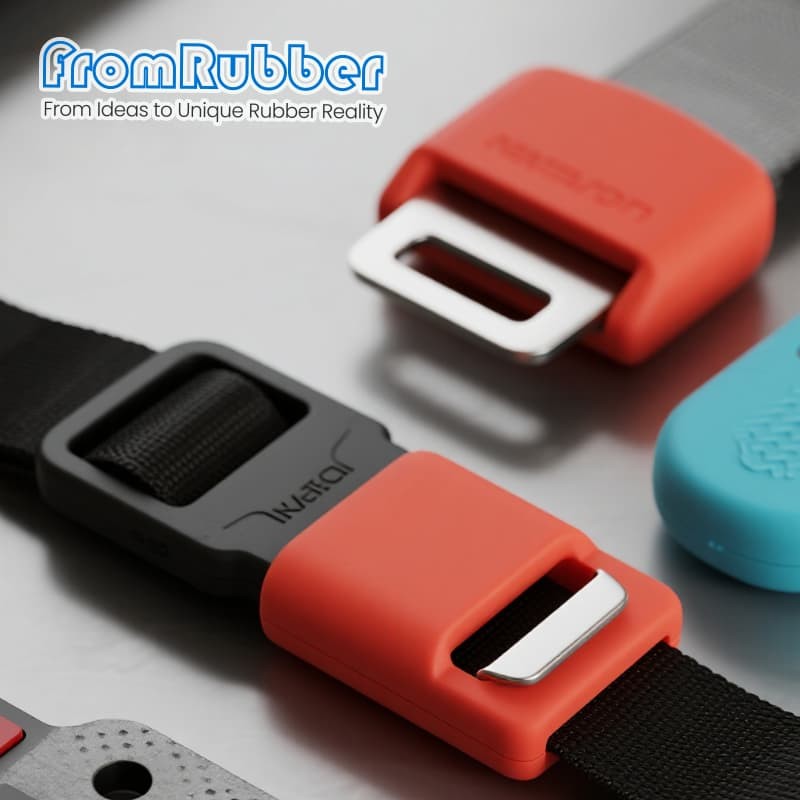
Impact and scuff protection
Anti-collision covers work only where the buckle actually strikes
A scuffed console lid is not caused by the buckle sitting still — it is caused by the buckle swinging when the belt is released. That is why a silicone protective cover that looks right but sits a few millimetres off the contact point does nothing: the protection has to be at the strike face, and it has to stay there after a hundred belt cycles.
Find the contact point before designing anything
Two minutes with a marker answers what a week of drawing cannot. Release the belt and let the buckle swing into the trim; the witness mark is the contact point. Repeat it at the seat positions the vehicle actually uses, because the strike face differs between a front seat retracted against a B-pillar and a rear seat folded onto a bench.
Only then does it make sense to choose between the two parts in this family: a sleeve over the buckle body, a pad on the webbing, or both. The sleeve protects the trim from the buckle; the pad protects the passenger and the trim from the strap edge, which is the part that scuffs a door card on a high seat position.
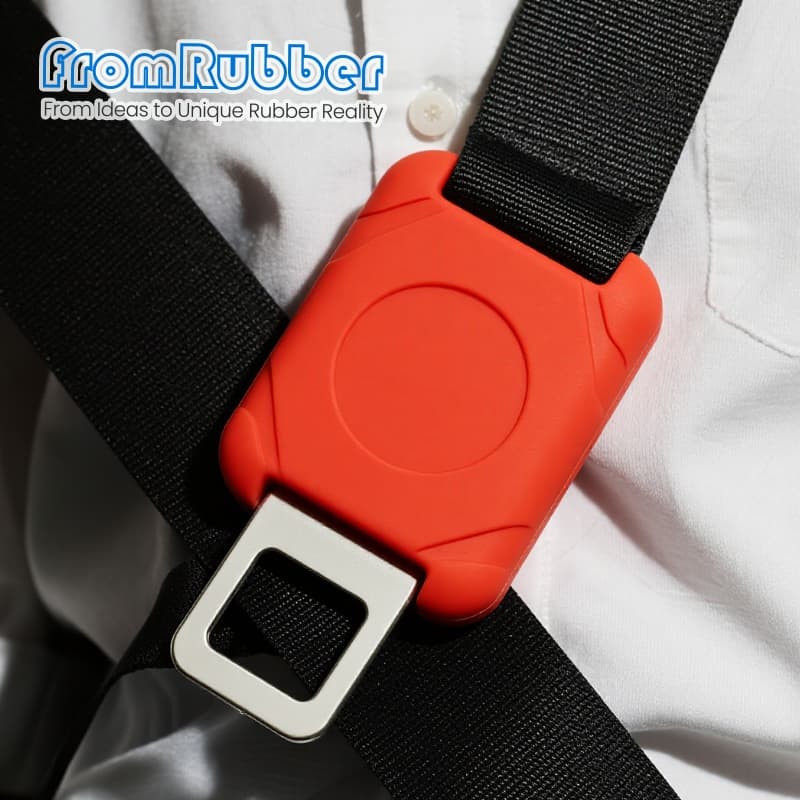
Thick where it hits, thin where it holds
A uniform wall is the cheap way to design a cover and the reason most of them fall off. The version that survives has a thicker section on the strike face to absorb the knock, and a thinner, more compliant lip where it grips. That is a two-section moulding, and it costs nothing extra once it is in the tool — it only costs money if it is added as a revision.
Why the trim gets marked at all
The load path from buckle to panel, and why the noise and the scuff come from the same contact event, is set out in this explanation of what a buckle sleeve protects.
What follows here is the specification side: which part type, how it is retained, and how to run it across a fleet or a product line.
Fleet and rental change the spec
A private car sees a few thousand buckle cycles in its life. A rental or ride-hail vehicle can see that in a year, cleaned between every driver with whatever the wash bay uses. Two consequences: retention has to be mechanical rather than adhesive, and the compound has to survive repeated wiping with interior cleaners without going tacky or losing colour. Where the same part goes into a mixed fleet, a dark neutral colour hides scuffs that a light trim would show.
| Configuration | Protects | Choose it when |
|---|---|---|
| Buckle sleeve only | Console lid, B-pillar trim, buckle housing | The buckle is the part that swings into trim |
| Webbing pad only | Door card, shoulder contact, strap edge scuffing | Seat height puts the strap against a panel |
| Sleeve and pad | Both contact points, plus passenger comfort | Fleet or rental, where the vehicle is used by many drivers |
| Colour-coded set | Same as above, plus brand or fleet identification | Rental groups, taxi fleets, dealer accessory packs |
Running it as a product line
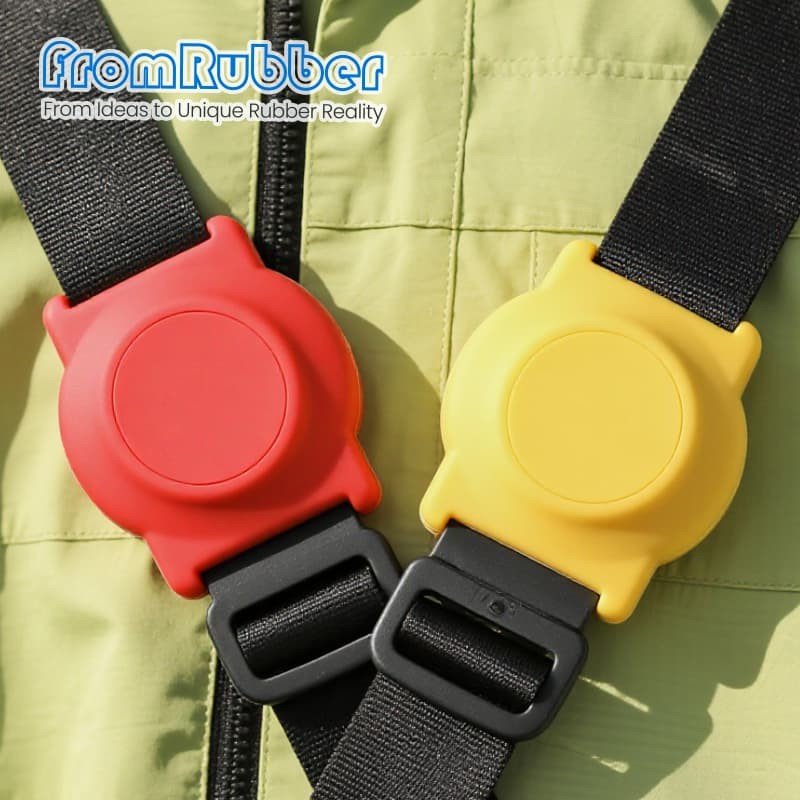
These parts are sold in three ways, and the drawing changes for each: as a single SKU on a header card, as a multi-colour set in a retail box, and as an unbranded bulk item for fleet procurement. The moulding is the same; the packaging, the colour count and the logo route are not. We quote them as one programme so the tooling is amortised across the range instead of per SKU.
What we need to quote
- Vehicle model or trim reference
- Photos or a sketch of the contact point
- Sleeve, pad or both
- Colour range and logo route
- Channel: retail, fleet or distributor bulk
- Annual volume per SKU
What comes back
- Part recommendation from the contact survey
- Retention design with lip detail
- T1 samples fitted on the vehicle
- Cleaning-resistance compound option
- Packaging and set configuration
- Material declaration for RoHS and REACH
Show us where it scuffs
A photo of the witness mark is more useful than a description. Send it with the vehicle model and the channel you sell into, and the reply is a part recommendation with the retention detail drawn — OEM, fleet and distributor programmes only.
Request a part reviewSoft buckle sleevefromrubber.com
+86 18926836960
Dongguan Bohao Electronic Technology Co., Ltd. IATF 16949:2016 / ISO 9001:2015 certified. Values shown are typical for the listed compound or platform; the drawing and the approved sample govern production.