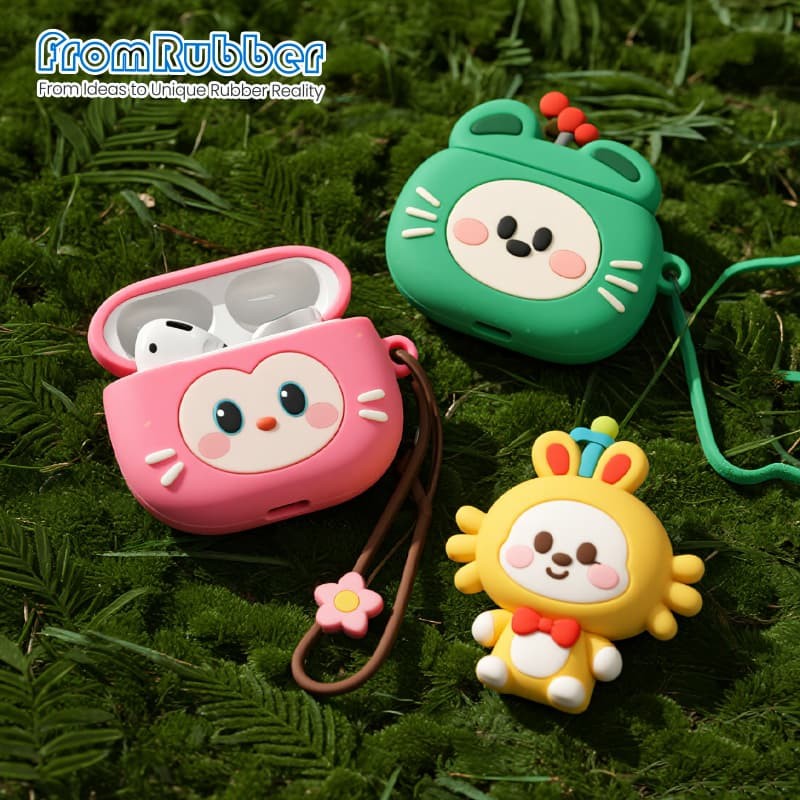
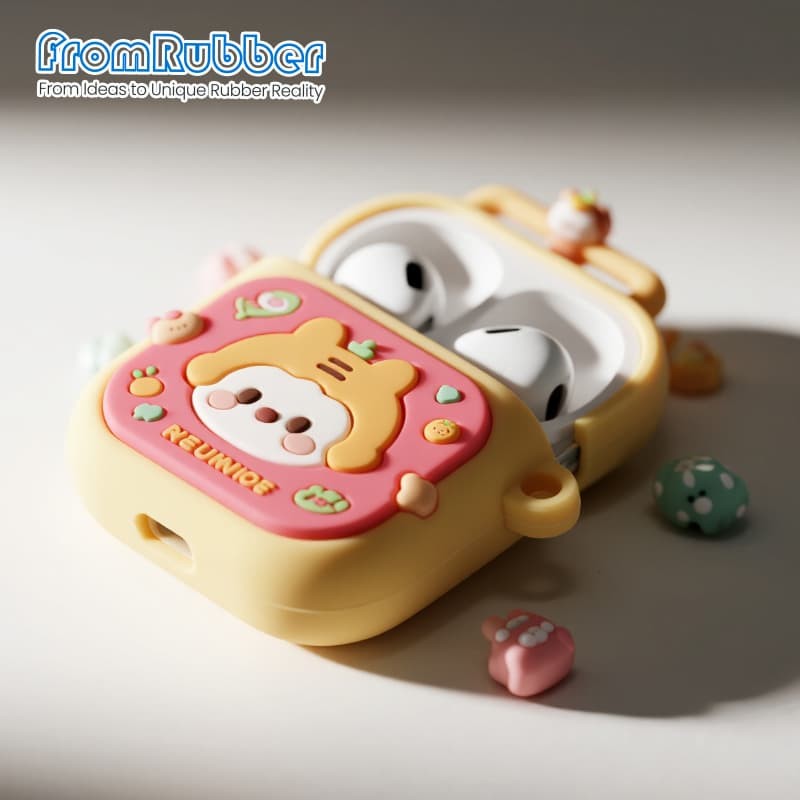
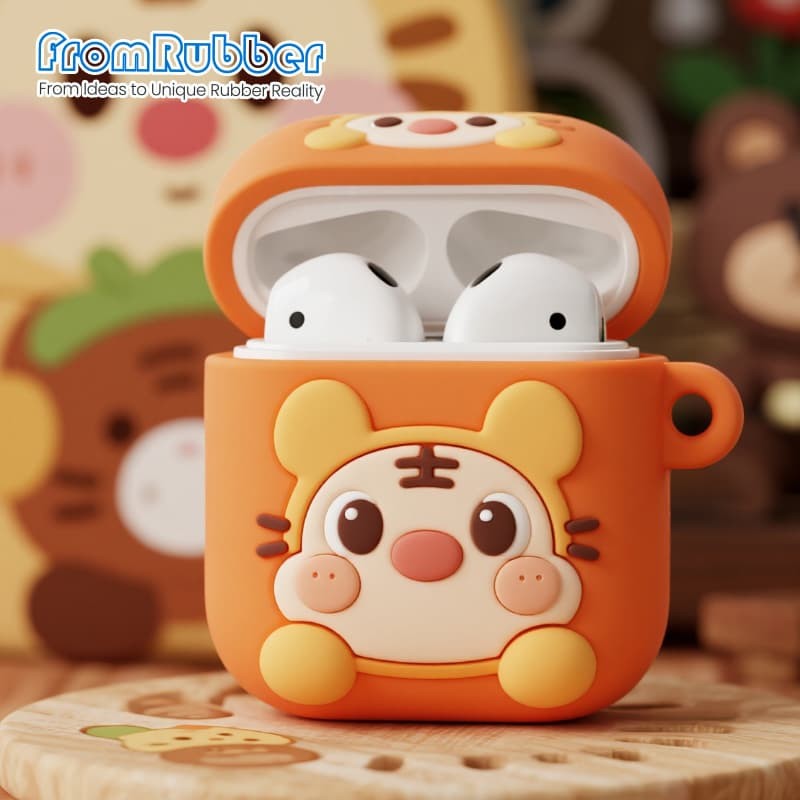
Stylish Colorful Silicone Earphone Cover for Charging Case
Stylish Colorful Silicone Earphone Cover for Charging Case
Model
BH-silicone case
Item specifics
Design
Follow 3D Drawing Or Physical Object
Process
Molding
Feature
Stylish Colorful
MOQ
1000pcs
Application
Earphone Charging Case
Review
Description
Custom silicone earphone cover · colour strategy
Colour is a process decision, not a colour card
Two earphone covers can look identical in a photo and behave completely differently after three months in a pocket. The difference is not the shade. It is where the colour sits: inside the silicone, in a separate moulded piece, or on top of the surface as ink or a printed panel.
This page is about that choice. We mould covers to your device model and your colourway, and we quote the colour route as part of the tooling decision, because the route sets both the look and the wear pattern.
Four colour routes, chosen per artwork element
Pantone matching against an approved master sample
Cutouts and openings formed in the tool
MOQ 1,000 pcs per design
Where the colour sits decides how it ages
Read this as a depth question: colour in the material wears slowest, colour on the surface wears fastest.
01
Through-colour in the compound
Pigment is mixed into the silicone before cure, so the colour runs through the full wall. A scuff exposes the same colour underneath. This is the most forgiving route for a product that lives in a bag.
Constraint: one colour per shot. Every extra colour is either a separate moulded piece or a post-cure operation.
02
Separate moulded colour pieces
Eyes, cheeks, bows and small characters are moulded in their own colour and placed in the tool so they bond during cure. The colour is a solid part, not a coating, so edges stay crisp as the shell flexes.
Constraint: each colour piece needs its own cavity and placement step, which is where tooling cost and cycle time go.
03
Surface print
Screen print or pad print puts fine detail, small type and gradients on a flat or gently curved face. It is the only practical route for very small lettering.
Constraint: ink sits above the substrate. Abrasion shows first at raised edges and at the hinge line where the two halves rub.
04
Printed panel under a moulded rim
A printed insert is trapped by a moulded silicone rim, so the graphic is protected by the rim rather than sitting proud of it. Common on licensed-style art with many small elements.
Constraint: the rim has to be designed as part of the shell. Adding it later means a second tool.
Mixed routes are normal
Most production covers use two or three routes at once: a tinted compound body, moulded colour pieces for the large shapes, and print only for the smallest type.
The reason is wear, not cost. Large areas in through-colour survive handling; small typography has to be printed because a moulded stroke has a minimum section below which it will not fill. Splitting the artwork by element size is how a cover keeps its look after a year.
Send the artwork as vector with the colour breaks marked. We will come back with which element should be moulded, which should be printed, and which should be dropped because it cannot be reproduced at the size you want.
Colour control across batches
Colour drift between the first run and the reorder is the most common complaint on this product. It is preventable, but only if it is agreed before tooling.
Control point
What we set
Why it matters on silicone
Reference
Pantone number plus a physical master sample we both keep
Pigment loads read differently on flexible silicone than on paper
Light condition
Standard light box for approval, agreed viewing angle
Pastels and light greys shift most under warm shop lighting
Tolerance
A stated colour difference limit in the approval document
Turns “looks off” into an inspectable pass or fail
Batch record
Compound lot, pigment lot and cure parameters logged per run
Lets a reorder repeat a batch instead of re-matching by eye
Surface
Matte, soft-touch or gloss agreed as a separate spec
Same colour reads lighter or darker depending on surface sheen
Fit details buyers notice before they notice the colour
Port and speaker openings
Cut from the device model, not copied from a lookalike shell. A plug that fits the socket but not the shell opening is the most common return reason on charging cases.
LED visibility
A clear or thin window over the indicator, positioned so it does not sit under the printed panel. If the panel covers the LED, the panel design has to change.
Hinge gap
The gap at the lid line is a design feature, not a tolerance accident. Too tight and the halves rub the print; too loose and the lid looks unfinished.
Colourways and fit, side by side
Each of these covers uses a different mix of the four routes above. The openings and the lid line stay the same.
Buyer questions on colour and fit
Will the printed detail rub off at the edges?
Ink wears at raised edges and at contact points, so we route fine detail away from the hinge line and the shell rim. Where the artwork cannot move, we switch that element to a moulded colour piece. Tell us the expected service life and we will propose the mix.
Can you match a Pantone across a reorder six months later?
Yes, if a master sample and a batch record exist. We keep both sides of the reference: the approved physical sample and the compound and pigment lots used for it. Without a master sample, matching becomes a visual judgement and drift is likely.
Do we have to accept one colour per shell?
No. A single shell can carry a tinted body plus several moulded colour pieces. What it cannot do is reproduce a multi-colour gradient in moulded silicone without print. We will tell you which parts of the artwork fall on the wrong side of that line.
Can the cover be moulded around our own decoration?
If you supply a printed insert that can survive cure temperatures, we can design a rim to trap it. Send the material spec first. Paper and standard vinyl will not survive the process, and finding that out at sampling wastes a tool.
Send the artwork with the colour breaks marked
You get a route proposal per element: moulded, co-moulded or printed, with the tooling implication of each, plus a colour approval sheet for the first sample.