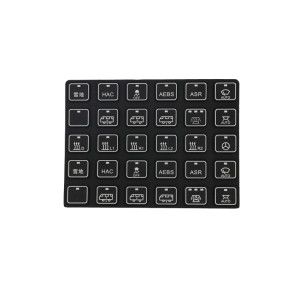
Irrigation Machinery Rubber Control Panel for Agricultural Machinery
Item specifics
- Design
- Follow 3D Drawing Or Physical Object
- Printing
- Silk Screen Printing,Laser Etching
- Feature
- Backlight,Clear Character
- MOQ
- 1000pcs
- Application
- Diesel Generator
- Assemble
- 3M Adhesive
Review
Description
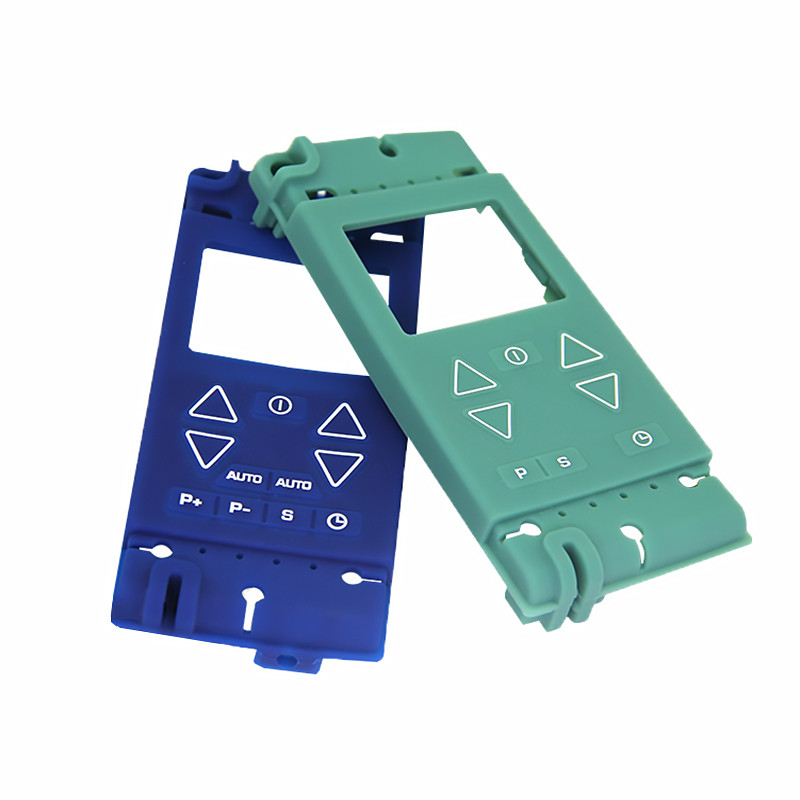
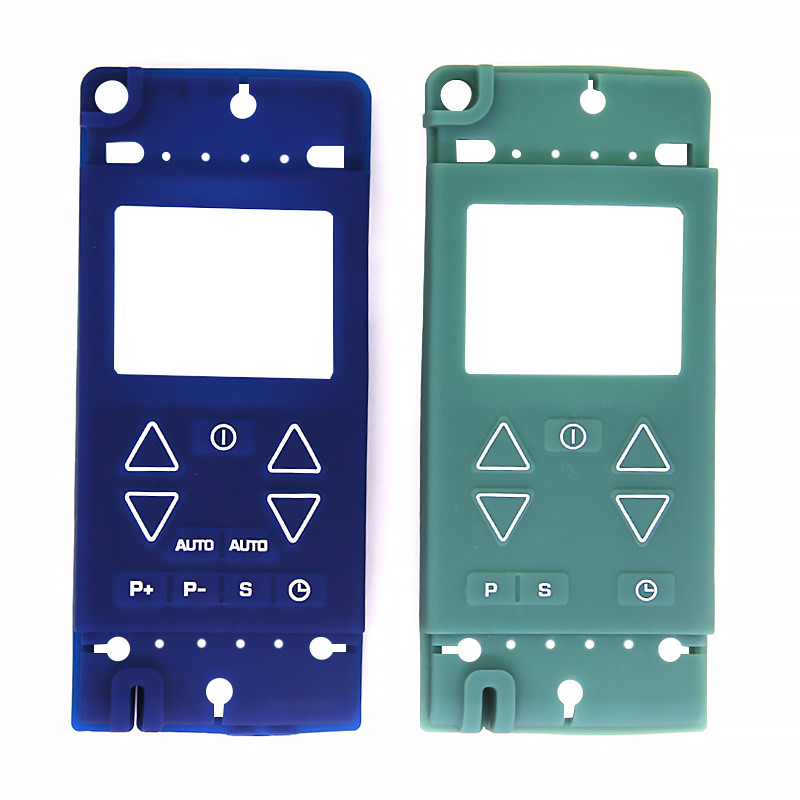
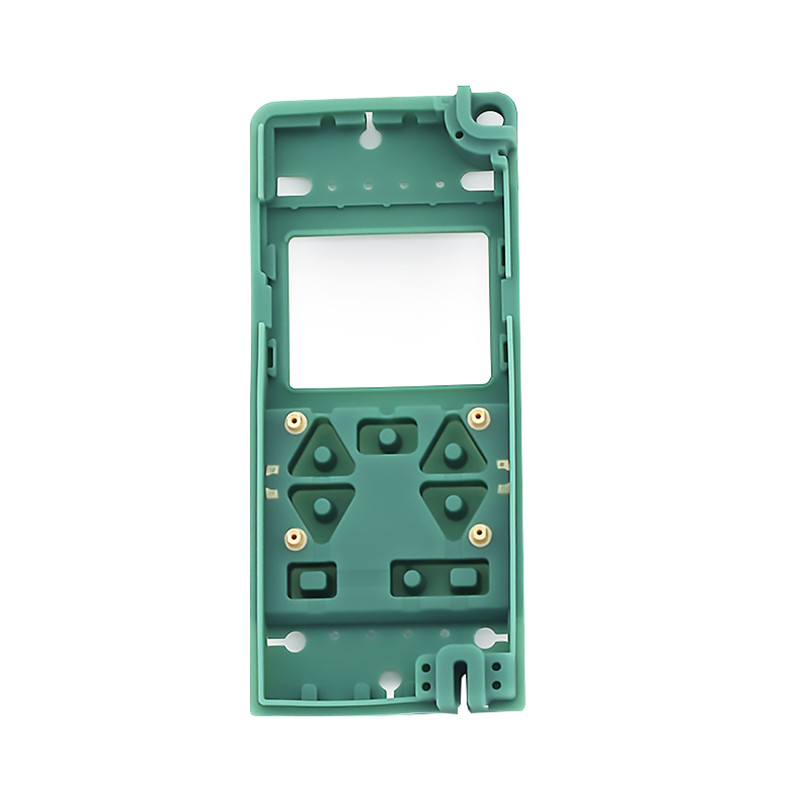
An irrigation controller on a pivot, a pump station or a field valve box is not operated in an office. It is pressed with a work glove, hosed down with the machine, left in direct sun for a season and covered in mud by the second week. This page covers how a rubber control panel is specified for that environment: bond method, sealing, key geometry for gloves and a validation plan that goes beyond an IP rating. Three conditions do most of the damage. UV attacks the surface and the printed legends, turning a black panel chalky grey within a couple of seasons and fading the icons that identify each function. Mud works into every gap and then dries hard, so the next keypress abrades whatever the mud is sitting on. Washdown drives water at the panel from angles the IP test never considered, usually from below. A panel that passes an IP test in a laboratory can still fail in the field because the laboratory test does not repeat. The field repeats: sun, then mud, then a hose, every day for years. The specification has to describe that cycle, not a single condition. A field panel is normally bonded to the console with a pressure-sensitive adhesive, with a mechanical frame, or with a molded gasket compressed by screws. Adhesive is the fastest to assemble and the least tolerant of surface preparation; a console that has not been degreased properly will release at the edges within a season. The mechanical frame costs more at assembly and survives vibration far better. Where the panel has to be replaced in the field, the bond method decides whether that is a ten-minute job or a return to the workshop. A frame with captive screws and a molded gasket is the serviceable option; an adhesive panel is normally a factory-only repair. That is a decision to make with the service team, not with the assembly line. A work glove removes most of the tactile feedback a bare finger uses. Keys designed for bare-hand operation feel uncertain through a glove, and the operator compensates by pressing harder, which shortens the life of the key web. The practical fix is a larger key area, a firmer break and a wider gap between adjacent keys so the glove does not press two keys at once. Contrast matters as much as force. A panel read in direct sunlight needs high-contrast legends and, where possible, backlighting for dawn and dusk operation. Dark legends on a light key face read better in sun; light legends on a dark face read better at night. Where both conditions apply, a two-layer legend with a translucent window is the usual compromise. An IP rating describes water and dust ingress under defined conditions; it says nothing about UV or about the chemicals mixed in a spray tank. A useful validation plan adds accelerated UV exposure, a chemical wipe with the actual diluted product, and a washdown at the pressure and angle the machine sees in service, then repeats the ingress check. The order matters. Running the ingress test first and the UV test last hides exactly the failure that happens in the field, where the seal has already been aged by sun before the first washdown. Ageing first, then mechanical cycling, then ingress, is the sequence that reproduces service conditions. Sealing and bonding are fixed per console on the approved drawing; the validation sequence is agreed with the machine builder at RFQ. Yes, with a defined adhesive and a release liner. The bond still depends on the console surface being clean and flat, so the preparation requirement is written into the assembly instruction rather than left to the line. A mechanical frame with captive screws and a molded gasket is the serviceable design. Adhesive-bonded panels are generally replaced at the workshop, which is why the service model should be agreed before the bond method is fixed. Where the machine is operated at dawn or after dusk, backlighting or a translucent legend window is normally required. The decision affects the legend construction and should be made with the display specification, not afterwards. Large panels are moulded in one piece where the press and tool allow, with the light path and the sealing land designed together. Beyond a certain size the panel is split, and the split line becomes a sealing feature that has to be designed rather than left as a butt joint. Share the console drawing, the machine environment and the chemicals used in the field. The review returns the bond method, sealing land, key geometry for gloves and the validation sequence to agree with the machine builder.Rubber Control Panel for Irrigation Machinery: Designing for Sun, Mud and Gloved Hands
Field Conditions That Fail an Irrigation Control Panel
UV, mud and washdown
Bonding a Rubber Panel to a Metal or Plastic Console
Adhesive, gasket or mechanical clamp
Key Design for Gloved Operation Outdoors
Force, spacing and contrast

Validating for Sun, Chemical Spray and Hose Washdown
A test plan that goes beyond IP
Irrigation Control Panel Specification Fields
Questions About Field-Mounted Rubber Panels
Can the panel be supplied with adhesive already applied?
How is a field panel replaced?
Does the panel need backlighting?
What about very large panels with many keys?
Send the Console Layout and the Field Conditions