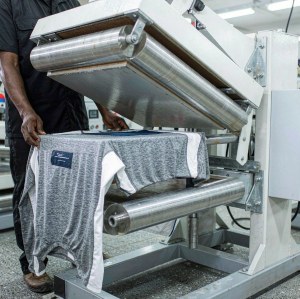
One Color Standard Across Garment Labels
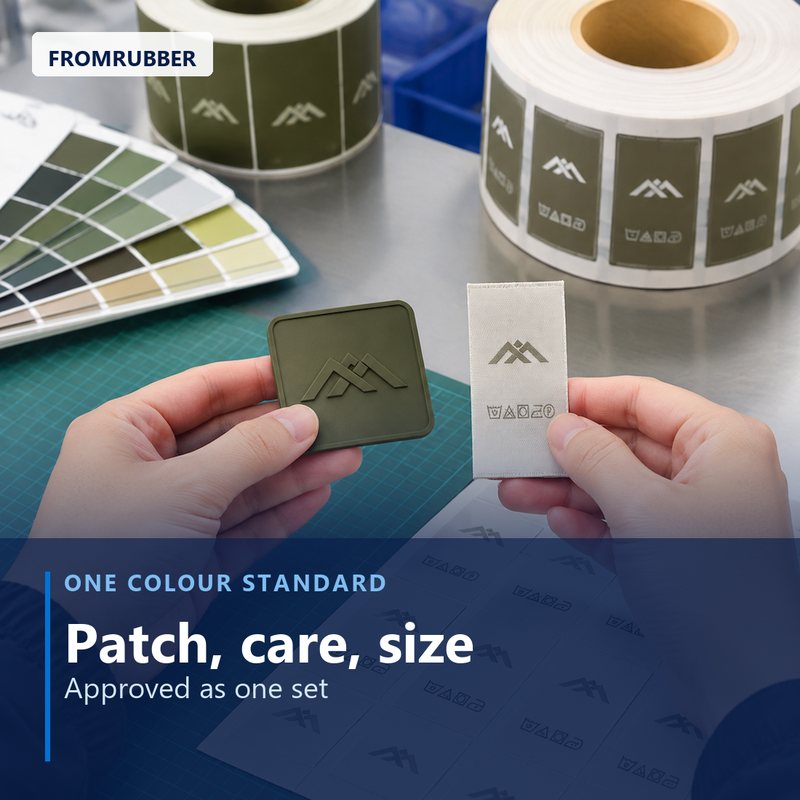
Patch, care label and trim are matched to the same approved physical standard, so the mark reads the same on every component.


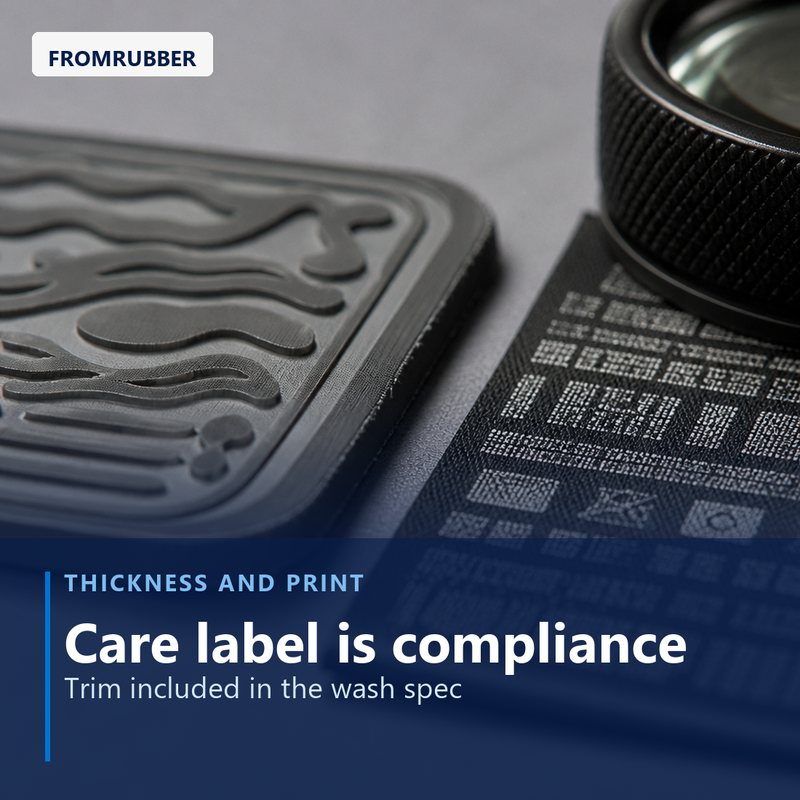
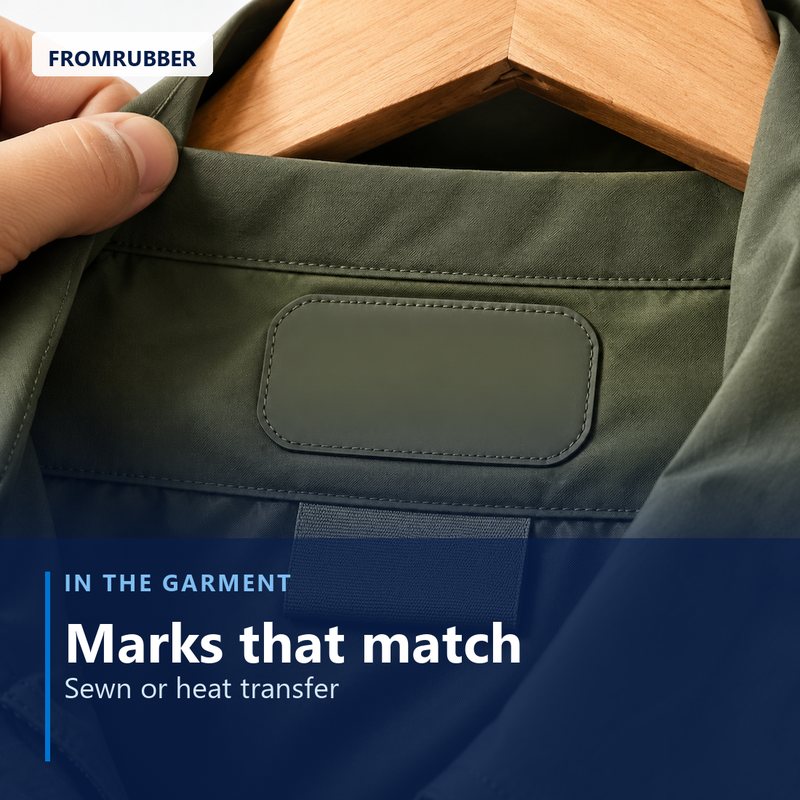
A garment label system is the set of marks a brand puts on a product: the outer logo patch, the care label and the size label. When they are specified separately, they drift in color, thickness and type size, and the drift is visible on the shelf. Patch, care label and trim are matched to the same approved physical standard, so the mark reads the same on every component. Molded 3D, printed flat and heat transfer formats cover different price points without changing the logo. A patch that is right on a jacket is oversized on a sleeve. Placement drawings prevent that error before production. The three formats solve different problems. A molded patch gives relief and a tactile edge, and it is the right choice when the logo has to be felt as well as seen. A printed flat label keeps fine typography and multi-color artwork. A heat transfer label disappears into the fabric and adds almost no weight. Cost follows tooling, not material. A molded patch needs a cavity per design and per size, while a printed label can change artwork without new steel. Programs that run many colorways with one logo usually print; programs that run one logo for years usually mold. Best where the logo must survive abrasion and carry a physical edge. Tooling is per design and per size. Holds fine type and multi-color illustrations. The ink layer is the wear point and is specified accordingly. Adds minimal weight and thickness and suits lightweight and performance fabrics. Typical options across patch, care and size labels. The set is specified together so the components match in color and finish. Care label text is a compliance document, not marketing copy. Fiber content, washing and origin statements are supplied by the brand and reproduced exactly. Care text is a compliance record, not marketing copy. The decorative patch is the visible part of the system; the care and size labels are the part that gets a shipment rejected. Care label wording is regulated by market, and it has to match what the garment actually is, including the trim. A silicone patch changes the care instruction, because the patch has its own heat and solvent limits. That is why a label program should be built as one document: garment fiber content, patch construction, wash instruction, size ladder and placement. Our <a href="https://www.fromrubber.com/comm14/Custom-Rubber-Patches.htm">custom rubber patches</a> program is normally quoted together with the care and size labels for exactly this reason. Care text is written for the destination market, and the brand remains responsible for its accuracy. The wash instruction has to cover the patch, the ink and the base fabric together, not the fabric alone. Size labels are produced from the same artwork set so the type size and position match across the range. One document, one color standard, one approval round. Patch, care label, size label and any trim are listed with size, placement and attachment method. All components are matched to one physical color standard and one type specification. A physical set is approved on the actual garment, including the wash instruction wording. Components are produced to the approved standard and packed sorted by size or kitted per garment. Yes, and it is the better arrangement. Producing both to one color standard removes the mismatch that appears when two vendors interpret a digital file differently. It can. Silicone tolerates heat better than most inks and prints, so the limiting component is usually the printed detail, and the care text is written to that limit. A molded design can sometimes be scaled within limits, but type weight and relief depth change with size. A distinct tool per size is the reliable route for a full size ladder. Send the logo files, garment composition and target markets. We will propose a format ladder, one color standard and a full label set for approval. Related capabilities: Custom rubber patches · Heat transfer patches · Rubber patches service process
Silicone Patches and Garment Labels: Building One Brand System
One Color Standard Across Garment Labels
Label Format Ladder: Molded, Printed, Transfer
Size and Placement Discipline for Patches
Choosing the Format: Molded, Printed or Heat Transfer
Molded for Relief and Durability
Printed for Artwork Complexity
Heat Transfer for Low Profile
Garment Label System Specification Envelope
Patch formats Molded 3D, printed flat, heat transfer Base material Silicone or PVC depending on format and feel Thickness Thin film through to a raised molded base Color Matched to one approved standard across components Edge Laser cut, die cut or molded edge Attachment Sewn, heat transfer or adhesive Size ladder Multiple sizes from one design where the tool allows Packing Bulk, pre-sorted by size, or kitted per garment
Labels specified as one document
Care Labels, Size Labels and the Compliance Layer
Market-Specific Wording
Trim Compatibility
Size Ladder Consistency
How a Label System Is Specified
Map the Components
Fix Color and Type
Approve a Full Set
Produce and Kit
Garment Label Questions Brands Ask
Can one supplier make the patch and the care label?
Does a silicone patch change the wash instruction?
How many sizes can one tool produce?
Building a Brand Label System?