Waterproof Silicone Labels for Outdoor Gear
- Model
- BH-silicone label
Item specifics
- Design
- Follow 3D Drawing Or Physical Object
- Process
- Molding
- Feature
- resistant to water, dirt & harsh weather
- MOQ
- 1000pcs
- Application
- Ideal for bags, jackets & camping equipment
Review
Description
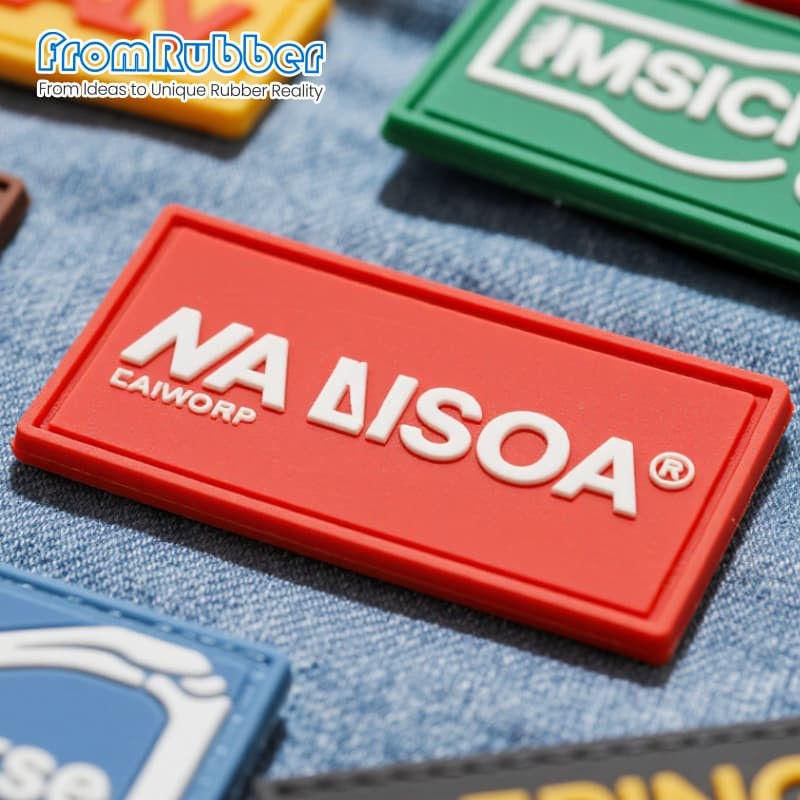
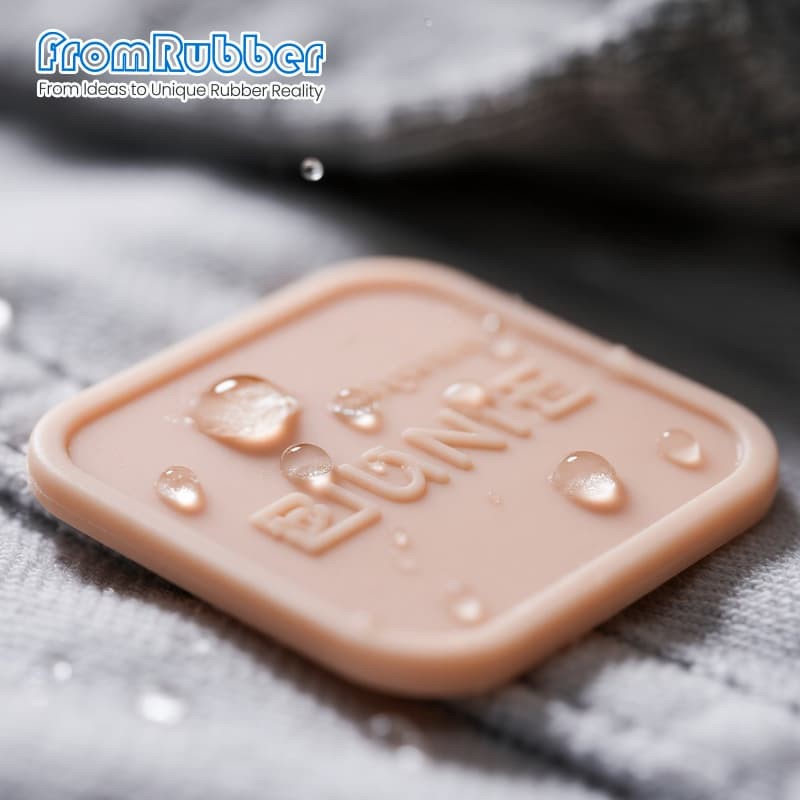
Silicone does not absorb water, so a label that only had to survive rain would last indefinitely. Outdoor gear labels fail from the other exposures: ultraviolet light that chalks and discolours the surface, cold that stiffens the part and cracks the bond, abrasion from pack straps and rock, and salt or mud that works into every edge. Waterproofing is the entry ticket, not the specification. That changes what a programme should test and where the label should sit. A label on a jacket shoulder sees different loads from one on a pack lid, and the fixing follows from the placement, not from the catalogue. Ultraviolet light attacks pigments and the surface skin. Light colours chalk, deep colours shift, and a gloss surface dulls. Accelerated UV exposure is the only honest way to compare two compounds. At -20 degrees C a silicone label stays flexible, but the adhesive or the stitch line may not. Test by flexing the label on the real shell, cold, before and after cycling. A raised legend on a shoulder panel abrades against a pack strap every trip. Recessed or low-relief marks last longer in that position than high-relief ones. Salts crystallise in a lifted edge and pry it further open. A tight, radiused edge matters more in coastal and winter use than the compound itself. Printed decoration puts a thin layer on top of a surface, and outdoors that layer is what disappears first. A moulded mark has no layer to lose: the contrast comes from relief, from a colour filled through the part, or from a laser mark cut into the material. That is also why a moulded label can be read by touch on a glove-cold morning, which print cannot. Relief height and stroke width still have to agree — the rules are the same as for any 3D label and are set out under embossed 3D logo labels. Where the label also has to survive institutional washing rather than weather, the specification shifts to washable laundry labels. All pigments move over time; the question is how much and how fast. Specify an accelerated UV exposure and a colour tolerance, then compare the compound and the pigment system against that, rather than relying on "UV resistant" as a claim. Yes, and on tents and flysheets it is the only option, because every needle hole is a leak. The bond then has to be qualified on the actual coated fabric, including a peel test after cold flex. Thin enough to follow the panel and thick enough to hold a relief. On an abrasion-prone shoulder panel, reduce relief height before reducing thickness; a tall mark wears flat quickly. It is the right answer where the label must be swapped between products, but the loop tape collects debris and the bond is only as good as the stitching that holds it. Use it for removable ID, not for a permanent brand mark. UV, abrasion and flex loads all follow from where the label sits. Send the panel, the shell fabric and the exposure the product will see, and we will propose a relief, a compound and a fixing that can be tested rather than assumed.Waterproof labels for outdoor gear: rain is the easy part
Four exposures, four different tests
UV
Colour and surface first
Cold
Flex, not impact
Abrasion
Straps and rock
Salt and mud
The edge is the entry point
Placement decides the fixing
Specification for an outdoor label
Moulded relief versus printed decoration outdoors
Questions from gear brands and OEMs
Will the colour fade in sunlight?
Can a label be bonded to a waterproof shell without stitching?
How thick should the label be on a pack?
Is a hook-and-loop mounted label durable outdoors?
Send the position on the product